

Oct . 05, 2025 23:20
Back to list
Long Arm Sewing Machine for Upholstery & Heavy Duty—Why Us?
Inside the world of extra-heavy-duty sewing: why a 38-inch arm changes everything
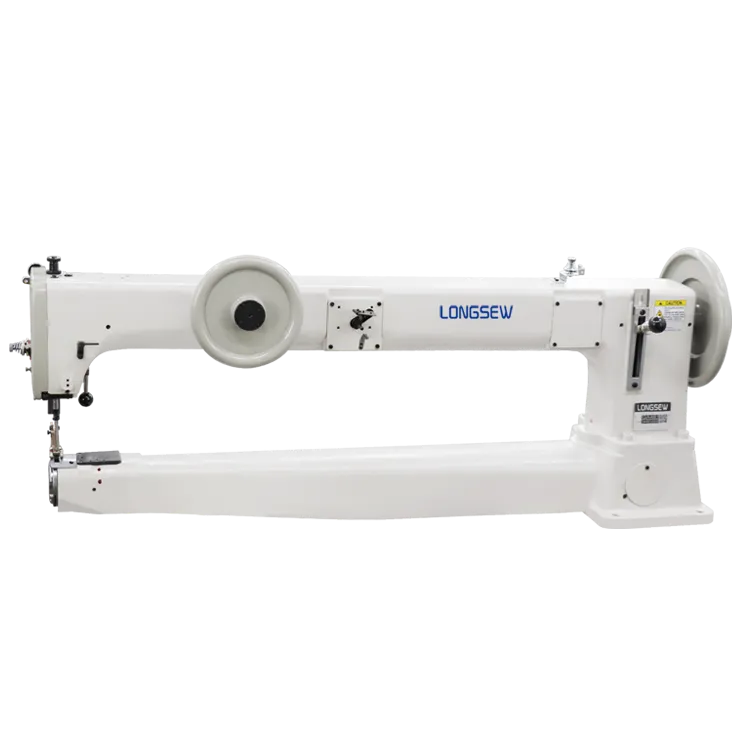
If you work leather, technical textiles, or stiff composites, a long arm sewing machine isn’t a luxury; it’s the only way to reach deep seams without wrestling the project. To be honest, after a few factory visits this year, I’m convinced the 441-class cylinder-bed architecture remains the benchmark for harness makers, marine upholstery, and heavy webbing shops.
What’s changing in the industry
Two notable trends: thicker materials and fewer passes. Brands want single-needle seams through stacked leather, ballistic nylon, or coated canvas, with minimal distortion. At the same time, shops are swapping clutch motors for high-torque servos and programmable speed ramps. Surprisingly, many customers say the real win isn’t top speed but slow, crawl-control with uncompromised penetration.
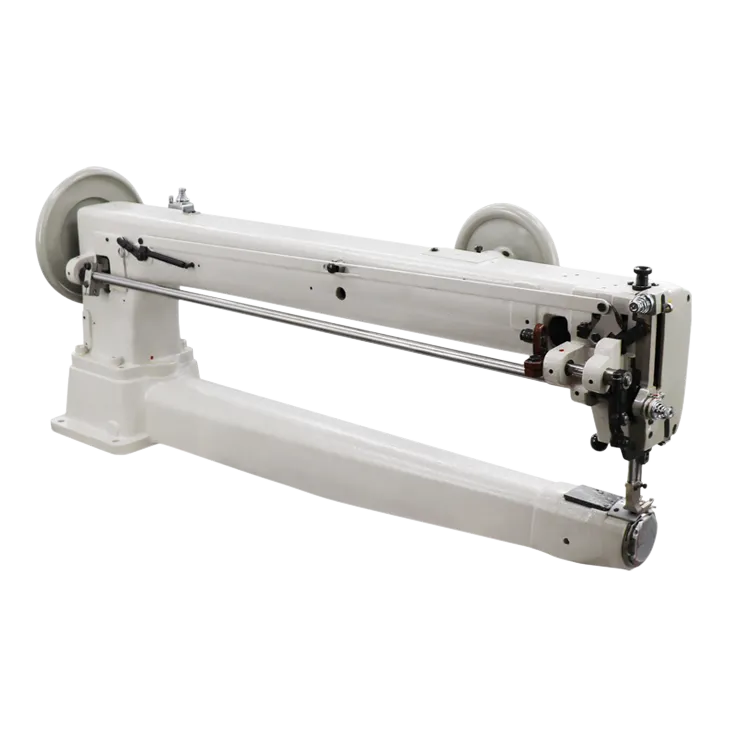
Spotlight: GA441-L38 super long arm, extra heavy-duty cylinder bed
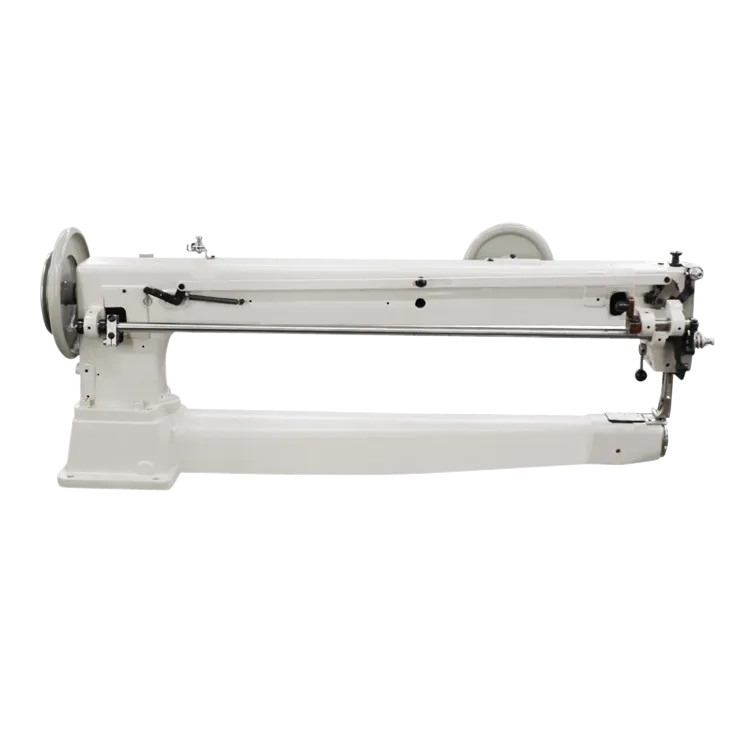
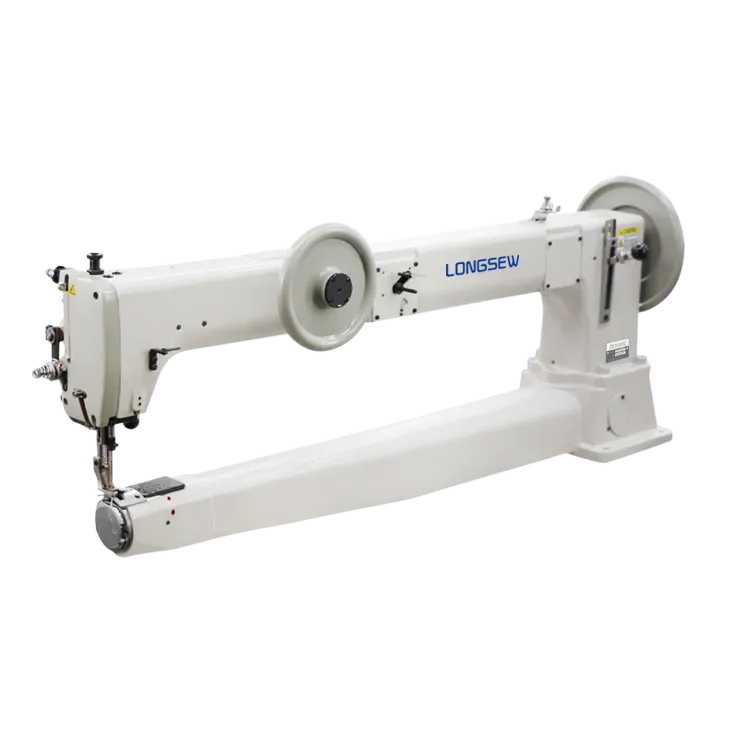
The GA441-L38 pushes reach to 38” (≈960 mm). It’s a compound feed system (top, bottom, and needle feed synchronized), running the JUKI TSC-441 extra-big shuttle hook. In plain terms: stable feeding on bulky layers, generous bobbin volume, and it comfortably handles very thick thread—up to 1300D×3. For saddles, tactical gear, tool belts, or thick tarps, that matters. Origin: No.368 North Youyi Street, Shijiazhuang City, Hebei Province, China.
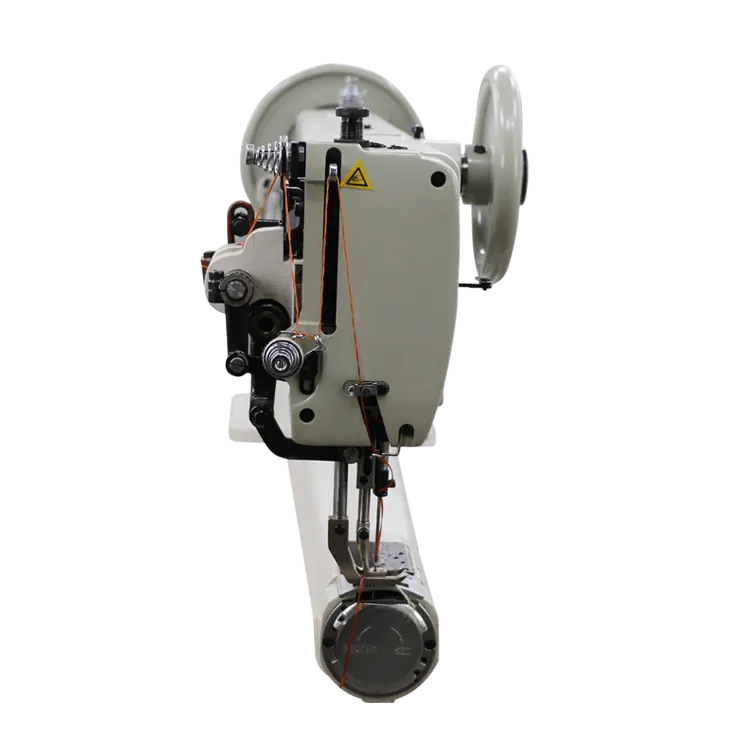
| Key specs (GA441-L38) | Details (≈ real-world) |
|---|---|
| Arm length | 38” / 960 mm |
| Bed type | Cylinder bed, narrow profile for tubular work |
| Feed mechanism | Compound feed (top, bottom, needle) |
| Hook & bobbin | JUKI TSC-441 extra-big shuttle hook; large bobbin capacity |
| Thread range | Very thick thread, even 1300D×3 |
| Typical materials | Thick leather, laminated webbing, coated canvas, heavy synthetics |
| Origin | Shijiazhuang, Hebei, China |
Applications and process flow
- Industries: saddlery, equestrian tack, tactical/utility belts, marine upholstery, cargo straps, outdoor gear.
- Materials: veg-tan leather, PVC/PU-coated fabrics, aramid/nylon webbing, multilayer foams.
- Methods: choose seam class (ISO 4915: lockstitch 301 or zigzag 308), test sample stacks, set compound feed pressure, balance top/bottom tension.
- Testing: seam strength per ISO 13935-2 or ASTM D1683; stitch density checks; seam slippage (ISO 13936-1) when needed.
- Service life: with regular oiling and hook inspection, machines like this routinely serve multi-year duty cycles; real-world longevity depends on abrasives, thread lube, and operator habits.
Why a long arm sewing machine here?
Reach. You can position bulky, rigid items without creasing them into the throat. The compound feed stabilizes layer shift, and the extra-big bobbin means fewer stops. Many shops tell me downtime drops simply because they aren’t reloading every few minutes.
Vendor comparison at a glance
| Option | Arm length | Feed & Hook | Best for |
|---|---|---|---|
| GA441-L38 (this unit) | ≈960 mm | Compound feed; JUKI TSC-441 big shuttle | Deep-reach leather/webbing, large tubular items |
| Generic 441-class long-arm | ≈600–760 mm | Compound; large shuttle | General heavy leather, medium reach |
| Short-arm 441-class | ≈400–450 mm | Compound; large shuttle | Benchtop harness work; limited depth |
Customization, compliance, and QA
- Customizations: synchronized binders, edge guides, roller feet sets, specialty needle plates, servo motors with needle positioner, worktables with cutouts.
- Compliance & documentation: buyers often request CE (Machinery Directive), EMC for motor controls, and manufacturer QMS like ISO 9001. Confirm current certificates with the vendor.
- QA playbook: pre-production seam approval (ISO 4915 stitch spec), ongoing seam-strength sampling (ISO 13935-2 or ASTM D1683), thread traceability, and oiling logs.
Case note from the floor
A marine canvas shop I visited moved large bimini tops onto a long arm sewing machine like this and—according to the owner—saw fewer seam restarts and cleaner corners. It seems that the extra depth and compound feed saved them about “a day per week” in rework. Anecdotal, yes, but echoed by a few saddle makers too.
Final thought
If your work routinely exceeds two layers of stiff leather or laminated webbing, this long arm sewing machine class—especially the GA441-L38 with its 38” reach and big shuttle—earns its keep quickly. Actually, the quiet win is operator comfort: less wrestling, more precision.
- ISO 4915: Stitch types — Classification and terminology.
- ISO 13935-2: Textiles — Seam tensile properties — Part 2: Grab method.
- ASTM D1683: Standard Test Method for Failure in Sewn Seams of Woven Apparel Fabrics.
- EU Machinery Directive 2006/42/EC and related CE conformity frameworks.
- ISO 9001:2015 Quality management systems — Requirements.
Latest news
-
Industrial Bag Sewing Machine Price and Comprehensive Buying GuideNewsApr.16,2026
-
Industrial Hand Held Bag Closer for Efficient Packaging SealingNewsApr.16,2026
-
Industrial Hand Held Bag Closer Sewing Machine for PackagingNewsApr.16,2026
-
Efficient Industrial Bag Closer Sewing Machine for PackagingNewsApr.16,2026
-
Industrial Sewing Guide for Choosing the Right Closer MachineNewsApr.16,2026
-
Guide to Capital Bag Closer Machine Price and Buying FactorsNewsApr.16,2026
-
Say goodbye to inefficient cutting! This heavy-duty webbing hot cutting machine redefines the new standard for industrial cuttingNewsApr.14,2026

Hebei LongSew Machinery Technology Co. Ltd is beginning as sewing machine parts supplier, now Longsew have over twenty years experience in complete set sewing machine offering.


CLASSIFICATION
CONTACT US
-

No.368 North Youyi Street, Shijiazhuang City, Hebei Province, China
-

-

Copyright © 2026 HEBEI LONGSEW MACHINERY TECHNOLOGY CO. LTD All Rights Reserved. Sitemap | Privacy Policy | Top Blog | Global Service