

Sep . 22, 2025 13:30
Back to list
Industrial Overlock Sewing Machine Price & Coverstitch Combo
Navigating the Industrial Overlock Sewing Machine Market: Price, Performance, and Precision
In the demanding landscape of B2B manufacturing, the investment in robust and reliable machinery is paramount. When considering an overlock sewing machine price, industrial buyers are not merely looking at a cost; they are evaluating a comprehensive value proposition encompassing efficiency, durability, advanced features, and long-term operational savings. This article delves into the critical aspects surrounding industrial overlock sewing machines, with a particular focus on specialized applications such as fishing net manufacturing, and highlights the technical superiority and economic viability of modern solutions.
The global industrial sewing machine market is witnessing consistent growth, driven by increasing automation needs across various sectors including textiles, automotive, and specialized industrial fabrics. Manufacturers are prioritizing machines that offer not only high-speed operation but also exceptional stitch quality, minimal downtime, and adaptability to diverse material types. The demand for an overlock sewing machine industrial grade solution is particularly strong in industries requiring durable, clean seams and edge finishing, such as fishing net production, where seam integrity directly impacts product lifespan and functionality. The convergence of overlock and coverstitch functionalities in a single machine also presents a compelling value proposition, offering versatility for varied production needs.
Precision Engineering: The Manufacturing Process of Industrial Overlock Machines
The manufacturing of a high-performance industrial overlock sewing machine involves a sophisticated process, beginning with the selection of premium materials and extending through precision machining, stringent assembly, and rigorous testing. This detailed process ensures the reliability and extended service life expected from an industrial investment, directly influencing the overall overlock sewing machine price.
Materials and Component Fabrication:
- High-Grade Steel Alloys: Critical components such as needle bars, loopers, knives, and main shafts are typically forged or precision-cast from specialized steel alloys (e.g., tool steel, stainless steel). These materials are chosen for their superior hardness, wear resistance, and structural integrity, especially under continuous high-speed operation.
- Lightweight Chassis: The machine's frame often utilizes high-strength aluminum alloys or cast iron for a balance of rigidity, vibration dampening, and manageable weight, optimizing stability during sewing.
- Engineered Plastics and Composites: Covers, thread guides, and certain non-load-bearing internal components may use advanced polymers, selected for their chemical resistance, low friction, and insulation properties.
Manufacturing Processes:
- Casting & Forging: Base frames and heavy-duty structural components undergo precise casting or forging processes to achieve inherent strength and shape, minimizing the need for extensive secondary machining.
- CNC Machining: This is a cornerstone of modern industrial sewing machine manufacturing. Computer Numerical Control (CNC) machining ensures micron-level precision for parts like gears, cams, shafts, and needle plates. This accuracy is vital for synchronized movement, stitch consistency, and minimal friction, directly impacting machine longevity and performance.
- Heat Treatment: Components subjected to significant wear or stress, such as knives and loopers, undergo specialized heat treatments (e.g., carburizing, nitriding) to enhance surface hardness and fatigue resistance.
- Surface Finishing: Electroplating, powder coating, or specialized anti-corrosion treatments are applied to protect components from rust and wear, particularly crucial for machines used in humid or harsh environments, such as those near marine applications.
- Precision Assembly: Skilled technicians meticulously assemble hundreds of components, using precision calibration tools to ensure perfect alignment, timing, and tension settings. This stage is critical for achieving optimal stitch quality and operational smoothness.
Testing Standards and Quality Assurance:
- ISO 9001 Certification: Adherence to ISO 9001 standards for quality management systems is standard, ensuring consistent quality throughout the manufacturing process.
- Performance Testing: Each machine undergoes rigorous performance testing for speed, stitch consistency, tension accuracy, noise levels, and vibration dampening. For specialized machines like the Fishing Net Overlock, tests simulate actual operating conditions.
- Durability and Service Life: Components are designed and tested for an extended service life, typically 10-15 years or more under recommended maintenance schedules. Factors like material fatigue, wear points, and motor lifespan are meticulously evaluated.
Target Industries and Advantages:
Industrial overlock machines find applications across a wide array of sectors beyond traditional garment manufacturing. For robust models like the LS20-5, key target industries include:
- Technical Textiles: Manufacturing of geotextiles, industrial filters, automotive interiors, and protective wear.
- Marine and Fishing Industries: Seaming and finishing of fishing nets, tarpaulins, boat covers, and other marine-grade fabrics, where corrosion resistance and strong seams are critical.
- Heavy-Duty Fabric Processing: Bags, canvas products, luggage, and upholstery.
Advantages inherent in these precision-engineered machines include significant energy savings through modern servo motors, superior corrosion resistance for specialized models, unparalleled precision in stitch formation, and overall operational reliability, contributing to a lower total cost of ownership despite the initial overlock sewing machine price.
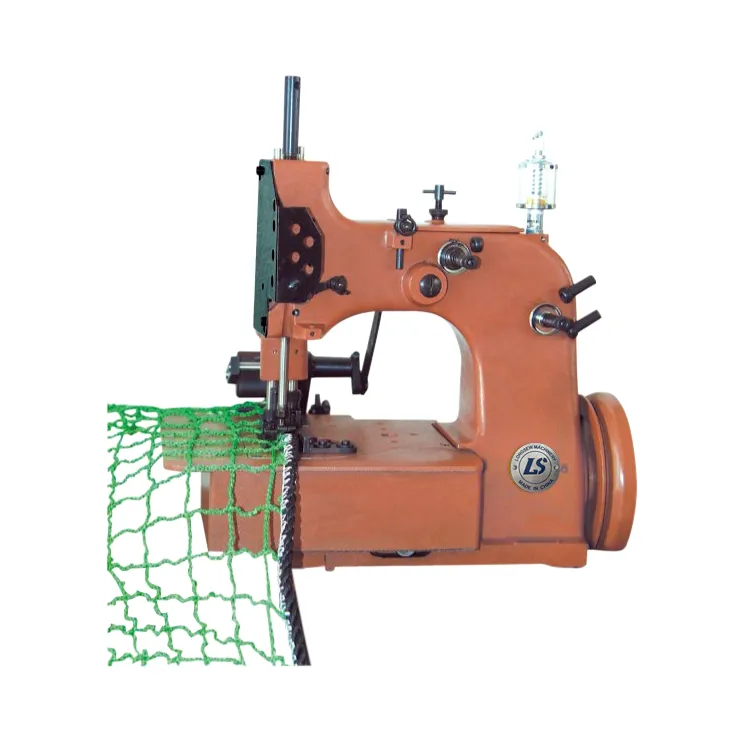
Technical Specifications: Fishing Net Overlock Sewing Machine With Puller LS20-5
The Fishing Net Overlock Sewing Machine With Puller LS20-5 exemplifies specialized industrial engineering, designed to meet the rigorous demands of fishing net manufacturing. This machine’s robust construction and integrated puller mechanism are critical for handling heavy, often slippery, and abrasive netting materials, ensuring consistent stitch quality and maximum productivity. The following table details its core specifications:
Product Specification Table: Longsew LS20-5
| Parameter | Specification (LS20-5) |
|---|---|
| Model | LS20-5 |
| Stitch Type | 5-thread safety stitch (Overlock) |
| Number of Threads | 5 |
| Sewing Speed | Up to 3,000 stitches/minute (S.P.M.) |
| Needle System | DD x 1 #160-#200 (Equivalent to 25/08, 25/09, 25/010) |
| Stitch Length | Adjustable, 5-10 mm |
| Differential Feed Ratio | 0.7-2.0 (Adjustable) |
| Presser Foot Lift | Up to 8 mm |
| Motor Type | Integrated Direct Drive Servo Motor |
| Power Consumption | Energy-efficient, up to 70% less than clutch motors |
| Integrated Feature | Rear Puller Mechanism (for feeding heavy/slippery materials) |
| Lubrication System | Automatic, fully enclosed (oil pan system) |
| Application | Heavy-duty materials, fishing nets, tarpaulins, canvas |
| Certifications | CE, ISO 9001 |
The integrated direct-drive servo motor provides precise speed control, quiet operation, and significant energy savings. The differential feed mechanism is crucial for managing fabric stretch and preventing puckering or stretching, a common challenge with netting. The most distinctive feature, the rear puller, ensures uniform feeding of thick or challenging materials, preventing slippage and guaranteeing consistent stitch formation, which is vital for the integrity of fishing nets. This combination of features optimizes the overlock sewing machine price by delivering enhanced performance and durability.
Application Scenarios and Technical Advantages
The Longsew LS20-5 is engineered to excel in demanding industrial environments where standard overlock machines fall short. Its specialized design and robust construction make it ideal for specific, heavy-duty applications, directly impacting the value proposition and the effective overlock sewing machine price for targeted industries.
Primary Application: Fishing Net Manufacturing
Fishing nets, constructed from durable synthetic fibers like nylon, polyethylene, or polypropylene, require incredibly strong and secure seams to withstand harsh marine conditions, repetitive stress, and heavy loads. The LS20-5 addresses these challenges through several key advantages:
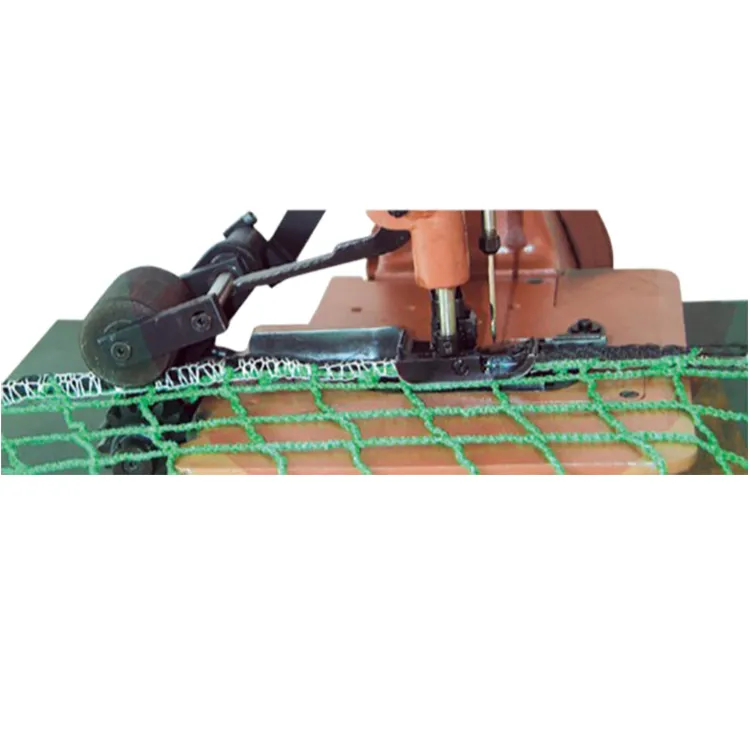
- Integrated Puller Mechanism: Netting material, due to its open weave and inherent stretch, is notoriously difficult to feed consistently. The powerful rear puller mechanism of the LS20-5 grasps and guides the net with precision, preventing slippage, stretching, and ensuring uniform stitch formation across varying thicknesses and textures. This is a crucial feature that differentiates it from a standard single needle sewing machine or even many industrial overlock models.
- Heavy-Duty Stitch Formation: The 5-thread safety stitch creates a robust seam that combines both overlock and chain stitch functionalities. This composite stitch provides exceptional strength, prevents unraveling, and offers superior edge finishing vital for the longevity of fishing nets.
- Durable Components: Reinforced needle bars, loopers, and presser feet are designed to handle thick, multi-layered netting without deflection or premature wear, ensuring consistent performance over prolonged periods.
Broader Industrial Applications:
Beyond fishing nets, the LS20-5 and similar heavy-duty overlock solutions are invaluable in:
- Geotextiles and Industrial Fabrics: Seaming heavy-duty materials for construction, environmental engineering, and protective covers.
- Tarpaulins and Awnings: Creating strong, weather-resistant seams for outdoor applications.
- Specialized Upholstery: Working with thick automotive or furniture upholstery fabrics that require strong, neat edge finishing.
Technical Advantages Summarized:
- Enhanced Productivity: High sewing speeds combined with the reliable material feeding of the puller significantly boost output and reduce material handling time.
- Superior Stitch Quality: Consistent, perfectly formed stitches on challenging materials lead to higher product quality and fewer reworks.
- Reduced Operator Fatigue: The automated feeding mechanism and ergonomic design minimize the physical effort required from the operator, allowing for sustained productivity.
- Material Versatility: Capable of handling a wide range of fabric thicknesses and types, from fine mesh to heavy-duty industrial netting.
- Energy Efficiency: The direct-drive servo motor optimizes power consumption, leading to lower operating costs and a reduced environmental footprint.
Vendor Comparison and Customized Solutions
Choosing the right industrial sewing machine requires a thorough evaluation of vendor capabilities, machine features, and the overall overlock sewing machine price relative to value. While many manufacturers offer industrial overlock machines, specialized needs like fishing net production demand specific considerations that set leading providers apart. This also applies to a robust industrial single needle lock stitch machine, which might serve different but equally critical functions.
Comparative Analysis: LS20-5 vs. General Industrial Overlock
To illustrate the distinct advantages of a specialized machine, let's compare the Longsew LS20-5 with a typical general-purpose industrial overlock machine, particularly when dealing with heavy or challenging materials:
| Feature | Longsew LS20-5 (Specialized) | Generic Industrial Overlock (Standard) |
|---|---|---|
| Primary Application | Fishing nets, heavy technical textiles | Garment, light-to-medium textiles |
| Material Feeding | Integrated Rear Puller (active, powerful) | Differential Feed (standard) |
| Material Handling | Excellent for thick, slippery, stretchy netting | Prone to slippage/puckering on challenging materials |
| Stitch Integrity | High consistency and strength on varied loads | May vary with material challenges, operator skill |
| Motor Type | Direct Drive Servo (high torque, efficient) | Clutch or Servo (variable, often lower torque) |
| Durability | Engineered for extreme wear and tear (heavy-duty) | Standard industrial durability |
| Price Range | Mid-to-High (due to specialization) | Low-to-Mid |
The comparative data clearly demonstrates that while a general industrial overlock might have a lower initial overlock sewing machine price, its performance limitations on specialized materials can lead to higher operational costs, lower quality output, and increased downtime for specific applications. For high-volume, critical applications like fishing net production, the LS20-5’s specialized features justify its investment by ensuring superior output and reliability.
Customized Solutions
Leading manufacturers understand that off-the-shelf solutions may not always perfectly fit unique production requirements. Longsew, for instance, offers customization options to further optimize machine performance:
- Specialized Puller Configurations: Adapting the puller mechanism (e.g., roller types, surface textures, pressure settings) for extremely delicate or unusually robust materials.
- Thread Tension Systems: Fine-tuning or integrating advanced electronic tensioning for exotic threads or specific stitch requirements.
- Presser Foot and Needle Plate Design: Custom-fabricated components to better accommodate specific material thicknesses, plies, or seam allowances.
- Automation Integration: Options for integrating with automated material handling systems, stackers, or cutting units for a fully streamlined workflow. This is often seen in conjunction with an automatic single needle sewing machine in production lines.
These customization capabilities ensure that clients receive a machine precisely tailored to their operational needs, maximizing ROI and addressing highly specific challenges, thereby enhancing the long-term value of the overlock sewing machine price.
Real-World Performance: Case Studies and Client Feedback
The true measure of an industrial sewing machine's value, especially considering the overlock sewing machine price, lies in its proven performance in demanding production environments. Longsew, with years of dedicated service in the industrial sewing sector, has garnered a strong reputation for reliability and customer satisfaction, reinforced by authoritative references and certifications like CE and ISO 9001.
Case Study: Enhancing Fishing Net Production for "AquaMarine Solutions"
AquaMarine Solutions, a leading manufacturer of commercial fishing nets and aquaculture equipment, faced significant challenges with their existing sewing machines. Processing heavy, UV-stabilized nylon netting resulted in inconsistent stitch quality, frequent material slippage, and significant operator fatigue. Their previous machines struggled to maintain consistent tension and feed, leading to a high rate of rejected products and slow throughput.
Upon integrating two Longsew LS20-5 Fishing Net Overlock Sewing Machines, AquaMarine Solutions reported dramatic improvements:
- 35% Increase in Production Efficiency: The integrated puller mechanism eliminated material slippage, allowing operators to work at optimal speeds without constant manual intervention, increasing daily output by over a third.
- 90% Reduction in Seam Defects: Consistent feeding and precision stitching drastically reduced uneven seams, skipped stitches, and unraveling, leading to a near-perfect product quality rate.
- Extended Net Lifespan: The superior 5-thread safety stitch, consistently applied, enhanced the overall durability and integrity of the fishing nets, leading to better customer satisfaction and fewer warranty claims.
- Reduced Operator Strain: The automated feeding mechanism minimized the physical demands on operators, allowing for higher sustained productivity and improved workplace ergonomics.
"The LS20-5 has been a game-changer for our fishing net division," stated Mr. Chen, Production Manager at AquaMarine Solutions. "The initial overlock sewing machine price was quickly offset by the gains in efficiency and product quality. It's a testament to Longsew's understanding of specialized industrial needs."
Client Feedback and Industry Recognition
Longsew maintains long-standing partnerships with key players in various industrial textile sectors. Feedback consistently highlights the machines' reliability, technical precision, and the company's responsive after-sales support. Years of accumulated experience and a commitment to R&D ensure that Longsew products, including specialized solutions like the LS20-5, meet and exceed industry standards. This also applies to their range of single needle bag closer sewing machine models, which are equally robust and specialized for their respective tasks.
Trust and Transparency: FAQ, Fulfillment, and Support
Transparency in operations, clear communication regarding lead times, robust warranty policies, and accessible customer support are foundational elements of trustworthiness for B2B procurement. Longsew is committed to providing comprehensive support throughout the entire lifecycle of its industrial sewing machines.
Frequently Asked Questions (FAQ)
- Q: What factors influence the overlock sewing machine price for industrial models?
A: Price is determined by machine type (e.g., standard vs. specialized with puller), number of threads, sewing speed, motor type (clutch vs. servo), automation features, brand reputation, and after-sales support. Specialized machines like the LS20-5 naturally command a higher price due to advanced engineering and specific capabilities. - Q: How does the integrated puller mechanism on the LS20-5 benefit fishing net production specifically?
A: The puller provides consistent and powerful feeding, crucial for managing the inherent stretch and slippery nature of netting materials. This ensures uniform stitch length, prevents material distortion, and significantly reduces operator effort, leading to higher quality and more efficient production. - Q: What routine maintenance is required for the Longsew LS20-5?
A: Regular cleaning, lubrication (automatic system minimizes manual effort), needle replacement, and periodic inspection of knives and loopers are essential. A detailed maintenance schedule is provided in the operator's manual, ensuring optimal performance and extending service life. - Q: Can the LS20-5 handle different types of netting materials?
A: Yes, the LS20-5 is designed to handle various synthetic netting materials, including nylon, polyethylene, and polypropylene, across a range of thicknesses and mesh sizes, thanks to its robust feeding system and adjustable parameters.
Lead Time and Fulfillment
Longsew maintains efficient production and logistics channels to ensure timely delivery. Standard models typically have a lead time of 2-4 weeks from order confirmation, depending on current stock levels and customization requirements. For larger orders or highly specialized configurations, lead times will be explicitly communicated and mutually agreed upon, ensuring transparency and reliable project planning.
Warranty Commitments
All Longsew industrial sewing machines, including the LS20-5, come with a standard 12-month warranty covering manufacturing defects and component failures under normal operating conditions. Extended warranty options are available upon request. Our commitment ensures peace of mind for your investment.
Customer Support and After-Sales Service
Longsew provides comprehensive after-sales support, including:
- Technical Assistance: Our team of experienced technicians is available via phone, email, and video conference to assist with troubleshooting, operation queries, and technical guidance.
- Spare Parts Availability: A robust inventory of genuine spare parts ensures quick replacement and minimal downtime.
- Training Resources: We offer operational and maintenance training resources to empower your staff to maximize machine performance and longevity.
Our dedication to supporting our clients long after the purchase is a core tenet of Longsew’s commitment to building lasting partnerships.
Conclusion
For industrial operations demanding precision, speed, and reliability on challenging materials, the Longsew Fishing Net Overlock Sewing Machine With Puller LS20-5 represents a strategically sound investment. Its specialized features, robust construction, and energy-efficient design directly address the unique requirements of industries like fishing net manufacturing, offering a compelling return on investment that far outweighs the initial overlock sewing machine price.
By focusing on advanced engineering, adherence to stringent quality standards, and dedicated customer support, Longsew delivers not just machinery, but comprehensive solutions that drive productivity, enhance product quality, and contribute to long-term operational success. We invite prospective clients to explore how the LS20-5 can transform their production processes.
References
- International Organization for Standardization (ISO). (n.d.). ISO 9001: Quality management systems. Retrieved from https://www.iso.org/iso-9001-quality-management.html
- European Commission. (n.d.). CE marking. Retrieved from https://single-market-economy.ec.europa.eu/single-market/ce-marking_en
- Industrial Sewing Machine Market Size, Share & Analysis Report By Product, By Application, By Region, And Segment Forecasts, 2023 - 2030. (2023). Grand View Research. Retrieved from https://www.grandviewresearch.com/industry-analysis/industrial-sewing-machine-market
- Textile World. (2022). Advances in Industrial Sewing Technology. Retrieved from https://www.textileworld.com/
- Sewing Machine Guide. (2021). Understanding Overlock and Coverstitch Machines. Retrieved from https://www.sewingmachineguide.com/
Latest news
-
Industrial Bag Sewing Machine Price and Comprehensive Buying GuideNewsApr.16,2026
-
Industrial Hand Held Bag Closer for Efficient Packaging SealingNewsApr.16,2026
-
Industrial Hand Held Bag Closer Sewing Machine for PackagingNewsApr.16,2026
-
Efficient Industrial Bag Closer Sewing Machine for PackagingNewsApr.16,2026
-
Industrial Sewing Guide for Choosing the Right Closer MachineNewsApr.16,2026
-
Guide to Capital Bag Closer Machine Price and Buying FactorsNewsApr.16,2026
-
Say goodbye to inefficient cutting! This heavy-duty webbing hot cutting machine redefines the new standard for industrial cuttingNewsApr.14,2026

Hebei LongSew Machinery Technology Co. Ltd is beginning as sewing machine parts supplier, now Longsew have over twenty years experience in complete set sewing machine offering.


CLASSIFICATION
CONTACT US
-

No.368 North Youyi Street, Shijiazhuang City, Hebei Province, China
-

-

Copyright © 2026 HEBEI LONGSEW MACHINERY TECHNOLOGY CO. LTD All Rights Reserved. Sitemap | Privacy Policy | Top Blog | Global Service