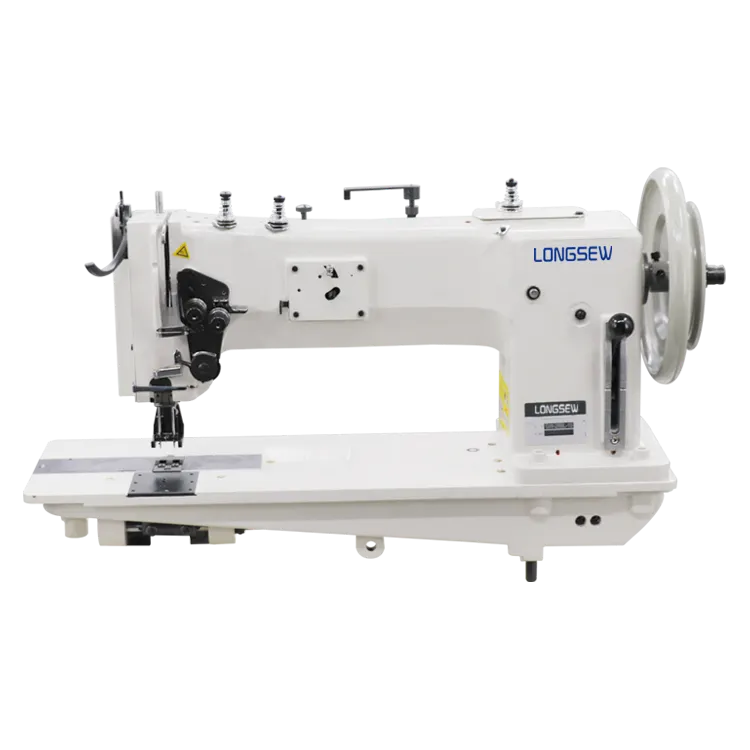
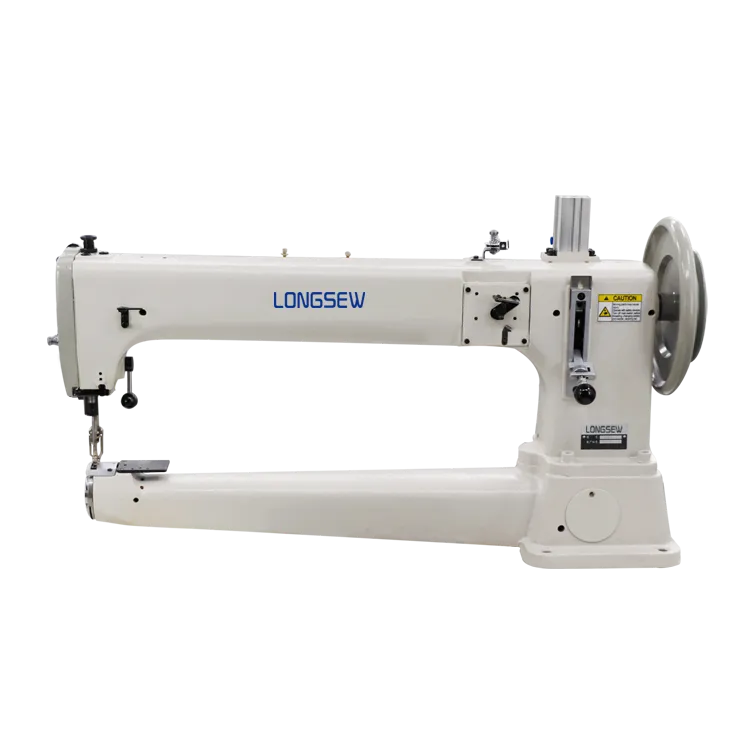
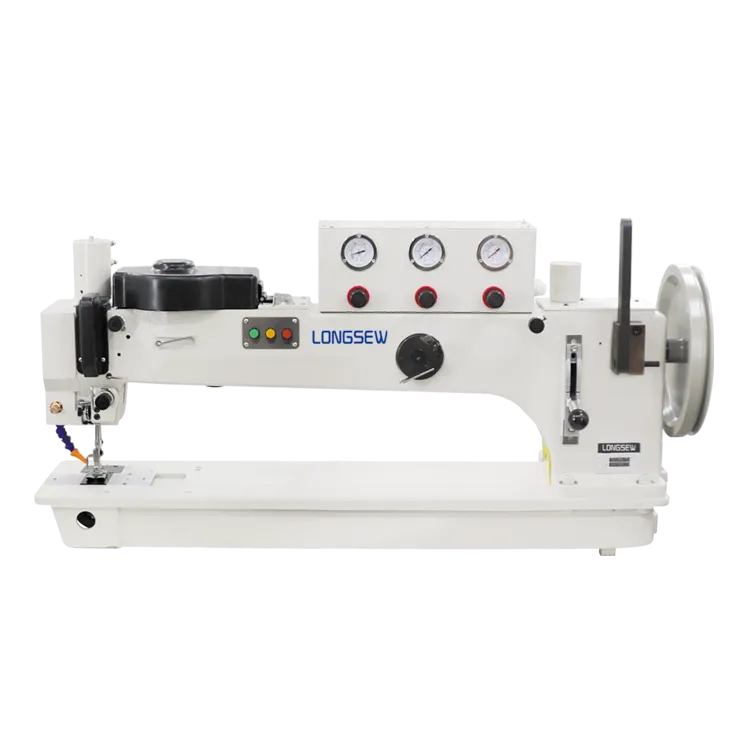
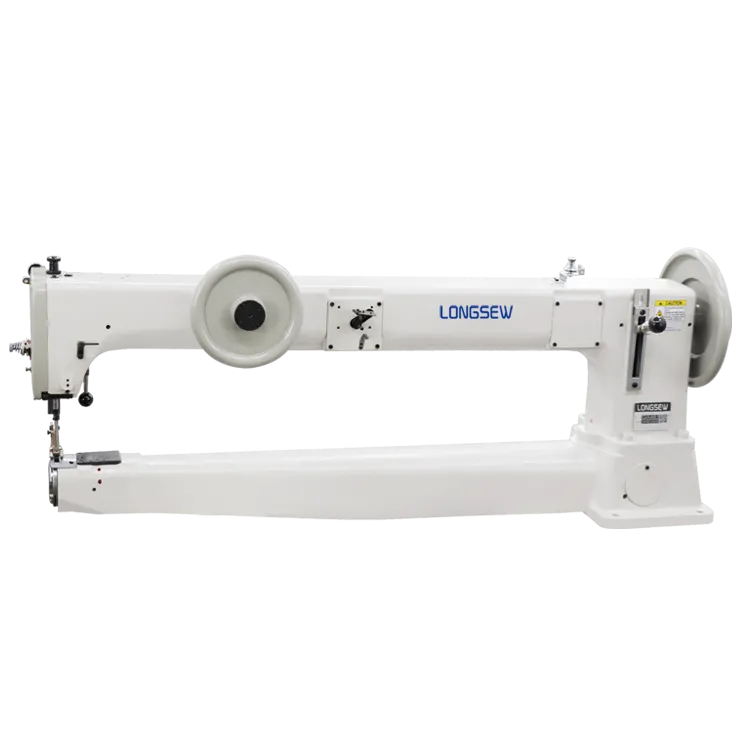
Industrial jumbo bag sewing machine Solutions for Mali's Agriculture

Empowering Mali's textile and packaging sector with high-durability stitching technology designed for the harshest West African environments.

Packaging Industry Landscape in Mali

Analyzing the challenges and opportunities of the industrial sewing sector in Mali.

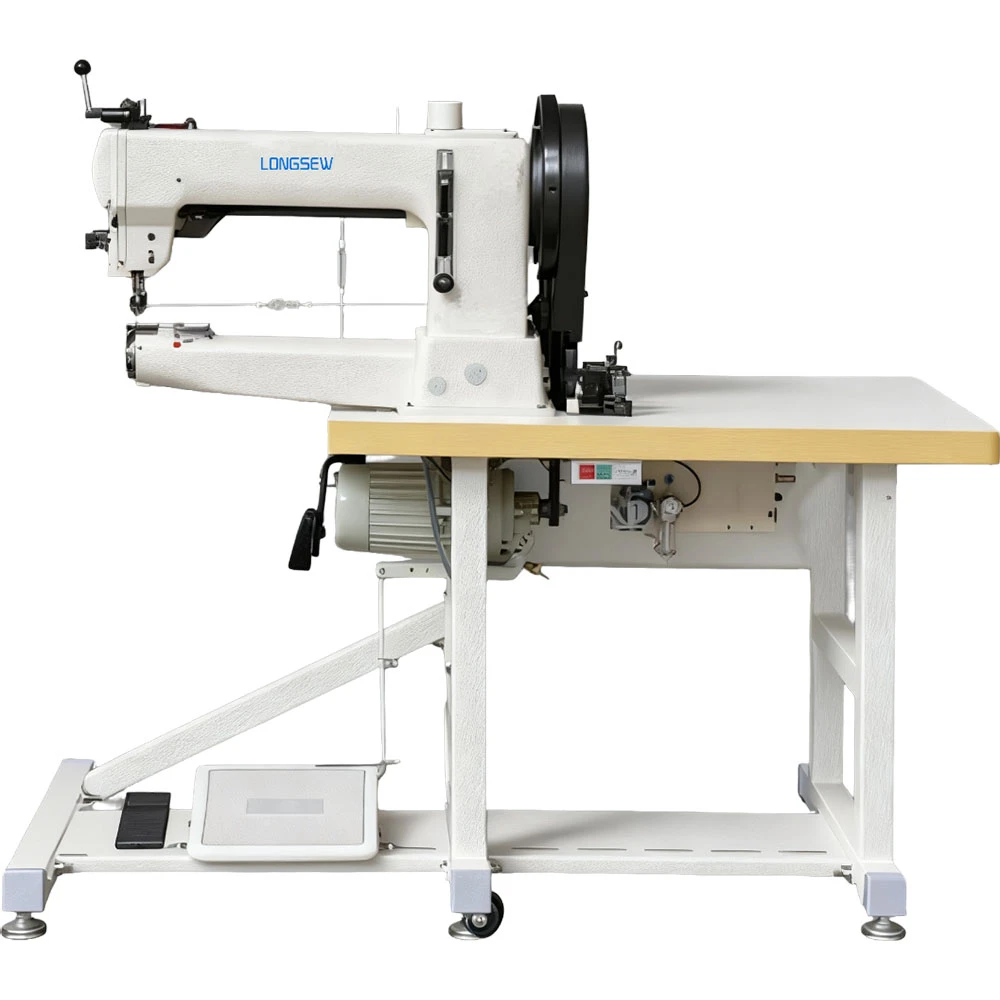
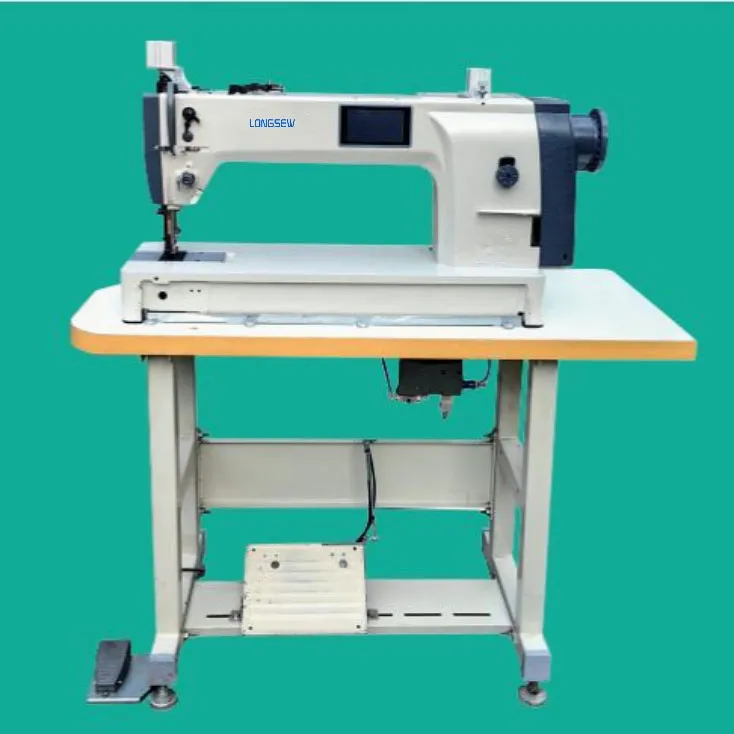
In Mali, the demand for heavy-duty packaging is driven by the export of gold, cotton, and agricultural produce. However, the extreme Sahelian climate—characterized by high temperatures and airborne dust—poses a significant challenge to machinery longevity, making a robust fibc sewing machine essential for continuous operation.

Local manufacturers often struggle with equipment that cannot handle the thick polypropylene fabrics used in FIBCs. The reliance on imported bags has created a market gap for localized production, where a high-capacity big bag sewing machine can reduce logistics costs and increase Mali's industrial autonomy.

Moreover, the energy infrastructure in rural Malian hubs often fluctuates. This requires sewing equipment that is not only powerful but also energy-efficient and easy to maintain without needing specialized overseas technicians for every minor adjustment.
Evolution of Stitching Technology in Mali

From manual hand-stitching to fully automated industrial bagging systems.

Market Development History

Until the early 2000s, the Malian packaging market relied heavily on traditional manual methods and small-scale domestic machines, which were insufficient for the growing needs of the mining sector.

Between 2010 and 2020, there was a shift toward semi-automated systems. The introduction of the 50 kg jute bag making machine allowed local cooperatives to standardize their produce packaging for the international market.

Today, the industry is entering the era of heavy-duty automation. The adoption of the jumbo bag stitching machine has enabled the local manufacture of 1-ton capacity bags, catering directly to the gold and cement industries in Bamako and Kayes.

Future Development Trends

Smart Tension Control

Integration of sensors to automatically adjust stitch tension based on fabric density, reducing waste in FIBC production.

Dust-Proof Engineering

Development of sealed motor housings and reinforced lubrication systems specifically for the dusty environments of the Sahel.

Eco-Friendly Material Compatibility

Transitioning machines to handle biodegradable and recycled polymers to meet new global environmental standards for exports.

Future Trends & Industrial Outlook

Strategic foresight for the textile machinery market in Mali.

High-Speed Automation
Increasing stitches per minute to meet the surge in agricultural export demands.
Energy Optimization
Servo-motor integration to lower electricity costs for Malian small-scale factories.
Material Versatility
Ability to switch between jute, PP, and PE materials on a single platform.
Modular Design
Easy-to-replace parts for rapid maintenance in remote Malian regions.

Industry Outlook

Based on regional trade growth and Google search trends for industrial textiles in West Africa, we predict a 15% annual increase in the demand for FIBC production equipment in Mali. This is tied to the diversification of the mining sector beyond gold.

The future will see a transition from simple stitching to integrated bag-making lines, where cutting and sewing are synchronized, significantly reducing the lead time for industrial packaging delivery within the Mali-Senegal corridor.

Localized Applications in Mali

Real-world deployment of industrial sewing machines across Malian industries.

01. Mining Sector Packaging

Using a jumbo bag stitching machine to create ultra-strong containers for transporting gold ore and mineral concentrates from the Kayes region to processing plants.

02. Agricultural Export Hubs

Deployment of the 50 kg jute bag making machine in cotton cooperatives to ensure standardized, durable packaging for global export.

03. Cement and Construction

Implementing heavy-duty big bag sewing machine systems for the local cement industry in Bamako to package bulk building materials.

04. Food Security Storage

Producing large-scale grain storage bags using fibc sewing machine technology to reduce post-harvest loss in the agricultural heartlands.

05. Chemical and Fertilizer Distribution

Utilizing a jumbo bag sewing machine to safely package chemical fertilizers for distribution to farmers across the Sahel.

Brand Story

Global Development History of Hebei Longsew Machinery Technology Co., Ltd.

Foundational Innovation

Established with a mission to solve the fragility of industrial stitching, focusing on heavy-duty fabric penetration.

Global Market Expansion

Expanding our reach to Africa, tailoring machines for high-dust and high-temperature environments.

Technological Breakthrough

Developing the advanced servo-drive system that defines modern jumbo bag production efficiency.

Sustainability Commitment

Introducing energy-saving models that reduce the carbon footprint of textile manufacturing plants.

Future Vision

Aiming to be the primary technical partner for the industrialization of the African packaging sector.

Common Questions in Mali

Expert answers to the most frequent queries from our Malian clients.

How do I maintain a jumbo bag sewing machine in dusty environments?

We recommend daily air-cleaning of the bobbin area and weekly lubrication of the main shaft using high-viscosity industrial oil to prevent dust ingress.

Can a fibc sewing machine handle recycled PP fabrics?

Yes, our machines are equipped with reinforced needles and adjustable pressure feet specifically designed to handle the irregular thickness of recycled polymers.

What is the capacity of a 50 kg jute bag making machine?

Our standard models can produce between 15 to 30 bags per hour depending on the automation level and operator skill.

Is a big bag sewing machine suitable for small workshops in Bamako?

Absolutely. We offer compact, portable versions that provide industrial-grade stitching while requiring minimal floor space.

How long does a jumbo bag stitching machine last?

With proper maintenance and original spare parts, our machines have an operational lifespan of over 10 years in industrial settings.

Do you provide technical support for machines exported to Mali?

Yes, we provide comprehensive video tutorials, remote diagnostic support, and a complete set of wear-and-tear parts with every shipment.

Get Industrial Packaging Expertise

Ready to upgrade your production capacity in Mali? Our engineers are standing by to customize a solution for your specific needs.

Contact Us Now

If you are interested in our products, you can choose to leave your information here, and we will be in touch with you shortly.