

Sep . 23, 2025 10:50
Back to list
Heavy Duty Sewing Machine Prices: Durable & Powerful Models
Understanding Heavy Duty Sewing Machine Prices and Market Trends
The industrial sewing sector, particularly segments dealing with thick, dense, or specialized materials like leather, canvas, upholstery fabrics, and technical textiles, relies heavily on robust machinery. Understanding heavy duty sewing machine prices is crucial for businesses aiming to optimize production costs and ensure long-term operational efficiency. The market for heavy duty sewing machines is dynamic, driven by technological advancements, material innovation, and evolving manufacturing demands across various industries.
Current industry trends indicate a growing demand for machines offering enhanced automation, greater precision, and improved material handling capabilities. Manufacturers are increasingly integrating features like automatic thread trimming, needle positioning, and programmable stitch patterns into even the most rugged designs. This push towards automation influences the overall pricing structure, as the value proposition shifts from mere mechanical strength to intelligent, efficient production. Furthermore, there's a significant trend towards specialized machines, such as cylinder bed models, designed for intricate work on three-dimensional items like saddles, bags, and footwear, where conventional flatbed machines struggle. The global supply chain, including options from a `heavy duty sewing machine china` manufacturer, also plays a critical role in offering competitive pricing and diverse technological options, catering to different budget and performance requirements.
Geographical factors, brand reputation, after-sales support networks, and compliance with international standards (e.g., CE, ISO) are all significant determinants of `heavy duty sewing machine prices`. Businesses often weigh the initial investment against long-term operational savings, durability, and the machine’s ability to handle specific, challenging materials without compromise. The focus is increasingly on Total Cost of Ownership (TCO), which includes not just the upfront price but also maintenance, power consumption, and the lifespan of `heavy duty sewing machine needles` and other consumables.
Manufacturing Process: The Engineering Behind Durability
The robust construction inherent to a heavy duty sewing machine stems from a meticulous manufacturing process, emphasizing durability, precision, and longevity. Unlike conventional domestic machines, industrial heavy-duty units are engineered for continuous, high-stress operation. The process flow generally involves several critical stages:
Process Flow:
- Material Selection & Casting: The foundational components, such as the machine frame and critical structural parts, are often made from high-grade cast iron or aluminum alloys. Precision casting techniques ensure dimensional accuracy and structural integrity. Materials are chosen for their high tensile strength, vibration damping properties, and resistance to fatigue.
- Forging & Machining of Key Components: Gears, shafts, connecting rods, and cam mechanisms, which bear significant operational stresses, are frequently forged from hardened steel alloys. These forged components then undergo advanced CNC machining processes. This ensures extremely tight tolerances, critical for smooth operation, minimal wear, and consistent stitch quality, even at high speeds.
- Heat Treatment & Surface Finishing: Post-machining, many components receive heat treatments (e.g., carburizing, nitriding) to enhance surface hardness, wear resistance, and fatigue strength. Specialized coatings or platings (e.g., chromium plating for shuttle hooks) may be applied for improved corrosion resistance and reduced friction, extending the service life significantly.
- Sub-Assembly & Integration: Individual modules, such as the needle bar assembly, presser foot mechanism, and hook system, are assembled with precision. Electrical and electronic components, including servomotors for `auto heavy duty sewing machine` models, are integrated, ensuring seamless control and power delivery.
- Final Assembly & Calibration: All sub-assemblies are integrated into the main frame. Meticulous calibration of timings, tensions, and clearances is performed to meet exacting performance specifications. This stage is crucial for achieving consistent stitch formation and optimal material handling.
- Quality Control & Testing: Every heavy duty sewing machine undergoes rigorous testing. This includes functional tests, stress tests simulating continuous operation, noise and vibration analysis, and stitch quality evaluations across various materials and thicknesses. Adherence to international standards like ISO 9001 for quality management and CE marking for European safety compliance is standard. Service life targets often exceed 10-15 years of continuous industrial operation, depending on maintenance and application.
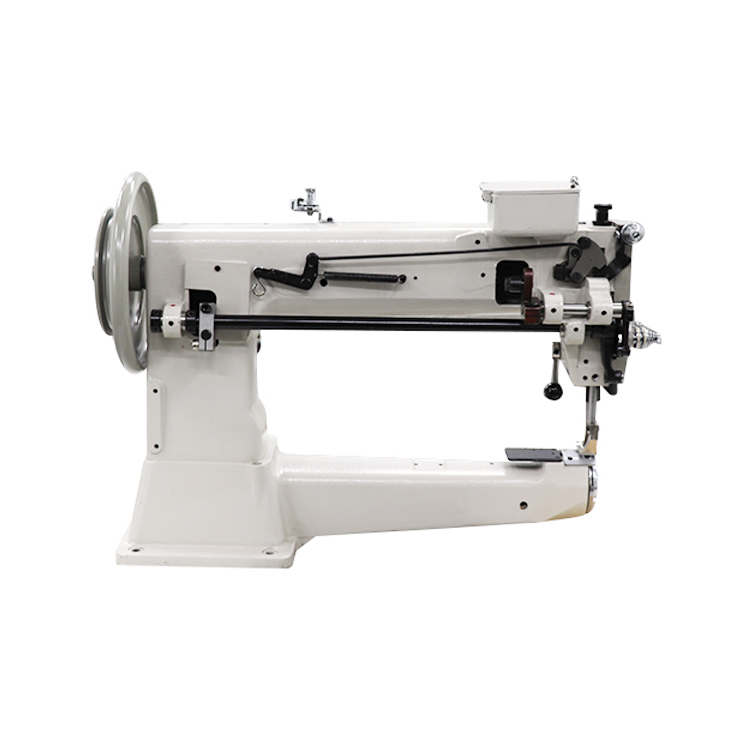
Target Industries: The primary users of heavy duty sewing machine technology include saddlery and leather goods manufacturers, upholstery workshops (automotive, marine, furniture), canvas and tent production, footwear manufacturing, safety equipment production, and industries creating technical textiles (e.g., filtration bags, slings). In these scenarios, the advantages are clear: superior piercing power for thick materials, consistent stitch quality on challenging substrates, enhanced durability leading to less downtime, and often, energy efficiency through modern servo motors. For instance, the Extra Heavy Duty Cylinder Bed Sewing Machine For Saddlery Leather exemplifies these advantages, offering unparalleled control and strength for complex leather stitching.
Technical Specifications and Parameters: What Influences Heavy Duty Sewing Machine Prices
The technical specifications of a heavy duty sewing machine are paramount in determining its performance, suitability for specific applications, and ultimately, its heavy duty sewing machine prices. These parameters define the machine's capabilities and its value proposition in an industrial setting. Key aspects include the type of feed mechanism, maximum sewing thickness, stitch length, needle system, and motor type.
Key Technical Specifications (Example: Extra Heavy Duty Cylinder Bed Sewing Machine):
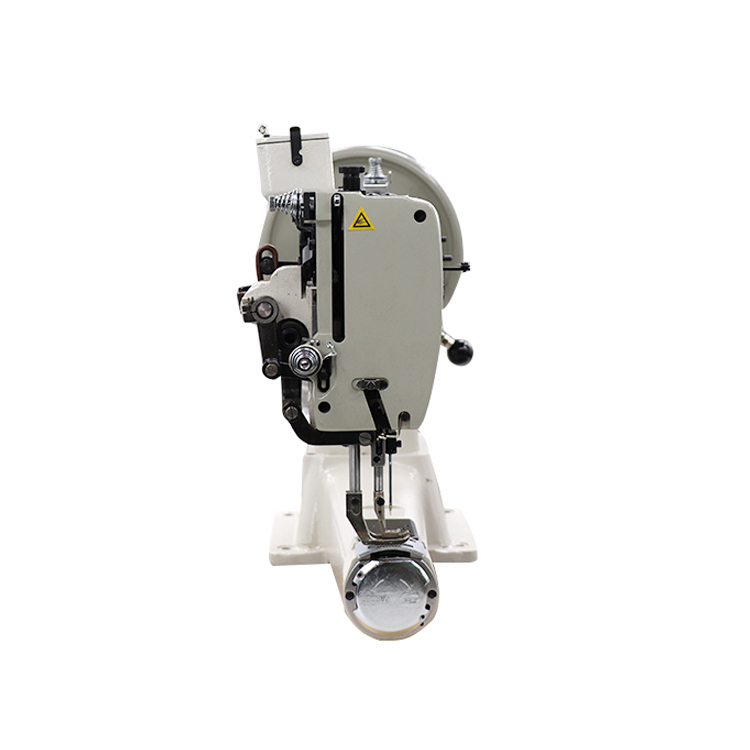
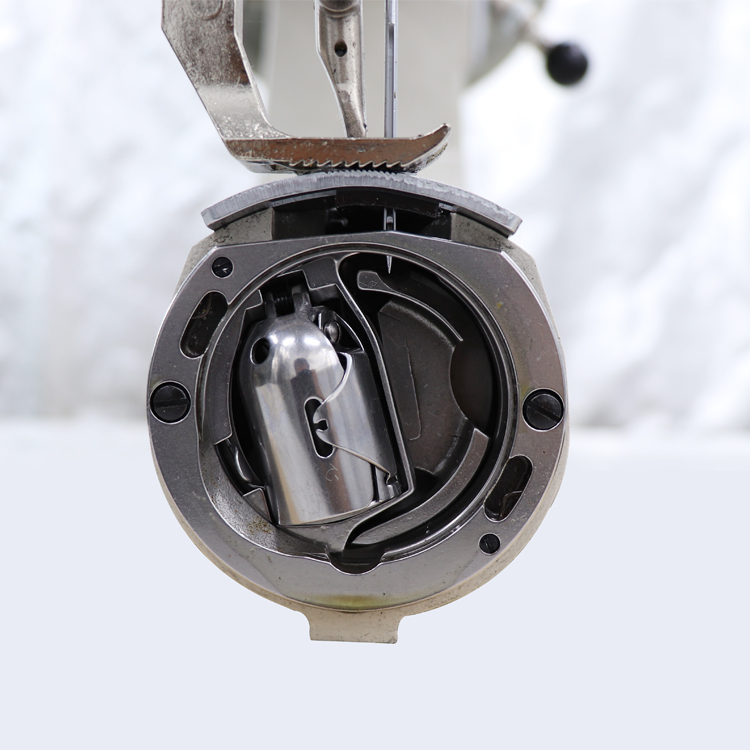
The "compound feed" mechanism, common in top heavy duty sewing machines, ensures that the needle, presser foot, and feed dog move in unison, effectively preventing material slippage and ensuring consistent stitch length even on bulky or uneven materials. The large barrel hook significantly reduces the frequency of bobbin changes, a critical factor for productivity when using thick threads. Modern servo motors contribute to lower energy consumption (up to 70% less than clutch motors) and offer precise speed control, vital for intricate work.
These technical differentiators directly influence heavy duty sewing machine prices. Higher precision components, advanced feed systems, larger bobbin capacities, and robust motor technology all add to the manufacturing cost but provide superior performance and return on investment in demanding industrial environments. Understanding these details allows buyers to make informed decisions about their investments.
Application Scenarios and Technical Advantages
The versatility and power of heavy duty sewing machines make them indispensable across a spectrum of industrial applications. Their technical advantages translate directly into operational benefits, justifying the investment in higher heavy duty sewing machine prices compared to standard industrial models.
Typical Application Scenarios:
- Saddlery & Equestrian Gear: Stitching multiple layers of thick bridle leather, saddle skirts, and stirrup leathers. The cylinder arm is crucial for navigating tight curves and complex geometries.
- Leather Goods: Manufacturing high-end bags, belts, wallets, and cases that require strong, aesthetically pleasing seams on various leather types.
- Upholstery (Automotive, Marine, Furniture): Sewing heavy vinyl, thick foam, multiple layers of fabric, and leather for durable seating and interior components. Features like reverse stitching and powerful feed systems ensure neat, strong seams.
- Canvas & Technical Textiles: Fabricating sails, tents, awnings, tarpaulins, parachutes, and industrial filtration media where robust construction and weather resistance are paramount.
- Footwear & Orthopedics: Assembling boot uppers, durable shoe components, and custom orthopedic devices that demand precision on stiff, dense materials.
Technical Advantages:
- Superior Material Penetration: Engineered with powerful motors and robust needle bars, these machines effortlessly pierce through multiple layers of dense materials, preventing skipped stitches and ensuring uniform tension. This is critical for applications using extra `heavy duty sewing machine needles`.
- Consistent Stitch Quality: Advanced feeding mechanisms (e.g., compound feed, walking foot) synchronize the movement of materials, eliminating slippage and guaranteeing perfectly even stitches, a hallmark of professional-grade products.
- Enhanced Durability & Reliability: Constructed with heavy-duty components (cast iron frames, hardened steel gears), these machines are built for continuous, rigorous operation, minimizing downtime and extending service life.
- Versatility in Thread & Needle Sizes: Capable of handling a wide range of thread thicknesses and `universal heavy duty sewing machine needles`, allowing for greater flexibility in material and design choices.
- Precision Control for Complex Geometries: Cylinder bed designs, combined with precise foot lifts and speed control (especially with an `auto heavy duty sewing machine`), enable operators to sew intricate patterns and work on three-dimensional items with unparalleled accuracy.
- Ergonomics & Automation: Modern designs often incorporate features like automatic lubrication, needle positioning, and thread trimming, reducing operator fatigue and increasing productivity.
These advantages directly translate into higher productivity, reduced material waste, and superior product quality, making the initial investment in heavy duty sewing machine prices a strategic business decision for specialized manufacturers.
Vendor Comparison and Customized Solutions
When evaluating heavy duty sewing machine prices, a comprehensive vendor comparison is essential. The market offers a diverse range of manufacturers, from established global brands to specialized regional providers, including those for a `heavy duty sewing machine china`. Each vendor brings a different value proposition in terms of technology, support, and customization options. Businesses must consider not only the initial purchase price but also long-term ownership costs, availability of spare parts, technical support, and the vendor's ability to provide tailored solutions.
Vendor Comparison Factors:
Customized Solutions:
For highly specialized applications, standard top heavy duty sewing machines may require customization. This is particularly true for unique material combinations, unusual product geometries, or specific production line integrations. Customization options can include:
- Specialized Presser Feet: Designed to accommodate specific thicknesses, uneven surfaces, or to hold delicate materials without marking.
- Custom Feed Dog & Throat Plate Assemblies: Optimized for particular materials or to achieve unique stitch aesthetics.
- Extended Arm or Bed Sizes: For handling exceptionally large or bulky items that exceed standard machine dimensions.
- Automated Material Handling Systems: Integration with robotic arms, conveyors, or tensioning devices for streamlined production.
- Programming & Control Modifications: Tailoring stitch patterns, cycle times, or auto-functions for specific production tasks, especially relevant for `auto heavy duty sewing machine` models.
Engaging with vendors who offer strong R&D capabilities and a history of successful customizations is crucial. While these solutions will naturally impact heavy duty sewing machine prices, they deliver significant returns through enhanced efficiency, superior product quality, and the ability to manufacture products not possible with off-the-shelf equipment.
Application Case Studies and Customer Trust
Real-world application case studies provide tangible evidence of the value and performance delivered by heavy duty sewing machines. These examples demonstrate how businesses leverage specialized machinery to overcome production challenges, enhance product quality, and improve efficiency, often justifying the investment in higher heavy duty sewing machine prices.
Case Study 1: High-End Equestrian Saddle Manufacturer
Challenge:
A bespoke saddlery required a machine capable of stitching multiple layers of tough bridle and skirting leather, up to 15-20mm thick, for saddle trees and skirts. Manual stitching was labor-intensive and inconsistent, while conventional industrial machines lacked the piercing power and precise control needed for complex curves.
Solution:
Implementation of the Extra Heavy Duty Cylinder Bed Sewing Machine. Its robust compound feed mechanism, large barrel hook, and high-torque servo motor provided the necessary power and control. The narrow cylinder arm allowed for easy maneuverability around the complex contours of saddle components.
Results:
- Reduced production time per saddle by 30% compared to previous methods.
- Achieved consistently uniform and strong stitches, enhancing product durability and aesthetic appeal.
- Significantly decreased operator fatigue, leading to higher morale and fewer errors.
- Allowed for the use of thicker threads and `universal heavy duty sewing machine needles`, improving seam strength.
Case Study 2: Marine Upholstery and Canvas Manufacturer
Challenge:
A marine upholstery specialist faced difficulties stitching heavy-duty canvas, marine-grade vinyl, and clear window materials for boat covers and enclosures. Material slippage, inconsistent stitch length, and frequent thread breaks with `heavy duty sewing machine needles` were common issues, impacting product quality and efficiency.
Solution:
Deployed an `auto heavy duty sewing machine` with a powerful walking foot mechanism and programmable stitch patterns. This machine was specifically chosen from a reputable `heavy duty sewing machine china` manufacturer known for its robust construction and competitive `heavy duty sewing machine prices` for automated models.
Results:
- Eliminated material slippage and achieved perfect stitch consistency on large, unwieldy materials.
- Reduced thread breaks by 40% due to optimized tension control and superior needle penetration.
- Increased throughput by 25% due to automated functions like thread trimming and reliable performance.
- Improved waterproof integrity of seams, a critical factor for marine applications.
These case studies illustrate how strategic investment in the right heavy duty sewing machine, despite its initial cost, yields substantial benefits in quality, productivity, and profitability. Partnering with a vendor that provides strong certification (e.g., ISO 9001, CE) and a track record of successful industrial deployments builds critical trust and confidence for B2B buyers.
Frequently Asked Questions (FAQ)
Q: What differentiates an industrial heavy-duty machine from a domestic heavy-duty machine?
A: Industrial heavy duty sewing machines are built for continuous, high-volume production with greater piercing power, speed, durability, and specialized feed mechanisms. They feature all-metal construction, larger motors (often servo), and specific designs (e.g., cylinder bed, flatbed, post bed) for particular industrial applications. Domestic heavy-duty machines, while robust for home use, cannot withstand the demands of continuous industrial operation.
Q: How do `heavy duty sewing machine prices` vary, and what factors contribute to this?
A: Prices vary significantly based on brand reputation, country of origin (e.g., a `heavy duty sewing machine china` can be more cost-effective), technical specifications (e.g., max thickness, stitch length, automation features like `auto heavy duty sewing machine`), specialized design (e.g., cylinder arm, long arm), and included accessories/warranty. Advanced features and specialized engineering command higher prices.
Q: What kind of maintenance is required for `top heavy duty sewing machines`?
A: Regular maintenance includes daily cleaning (removing lint/dust), routine lubrication (as per manufacturer's guidelines, often with automatic oiling systems in modern machines), and periodic professional servicing. Key components like `heavy duty sewing machine needles` and bobbin cases should be inspected and replaced as needed. Proper maintenance is crucial for maximizing the service life and maintaining optimal performance.
Q: Are `universal heavy duty sewing machine needles` suitable for all heavy-duty applications?
A: While "universal" implies broad compatibility, specific applications often benefit from specialized needles. Different materials (leather, canvas, vinyl) and thread types require specific needle points (e.g., leather point, round point), shaft sizes, and eye configurations to prevent material damage, skipped stitches, and ensure optimal performance. Always consult the machine's manual and material specifications for the best needle choice.
Lead Time, Warranty, and Customer Support
Beyond the initial `heavy duty sewing machine prices`, the long-term value of an industrial purchase is heavily influenced by logistics, reliability, and support. Transparent communication regarding lead times, comprehensive warranty coverage, and responsive customer service are non-negotiable for B2B decision-makers.
Lead Time & Fulfillment:
Standard models of heavy duty sewing machines are often available for immediate shipment or within a typical lead time of 2-4 weeks, depending on the manufacturer's inventory and geographical location. However, for specialized configurations or customized solutions (e.g., specific arm lengths, integrated automation for an `auto heavy duty sewing machine`), lead times can extend to 6-12 weeks, as these machines are often built-to-order. It is crucial for businesses to communicate their production timelines clearly with the vendor to ensure timely delivery and avoid operational delays. Expedited shipping options may be available at an additional cost.
Warranty Commitments:
Reputable manufacturers offer comprehensive warranties, typically covering mechanical and electrical components for 1-3 years. This warranty usually covers defects in materials and workmanship under normal operating conditions. It's important to clarify what components are covered (e.g., motor, control panel, specific mechanical parts) and any conditions that might void the warranty (e.g., unauthorized modifications, improper maintenance, use of non-approved `heavy duty sewing machine needles`). Extended warranty options may also be available for purchase, providing additional peace of mind for long-term investments.
Customer Support & After-Sales Service:
Exceptional customer support is a cornerstone of a reliable vendor. This includes:
- Technical Assistance: Availability of skilled technicians for troubleshooting, remote diagnostics, and on-site repair services.
- Spare Parts Availability: A readily accessible inventory of genuine spare parts, including specialized items for `top heavy duty sewing machines`, to minimize downtime.
- Training & Documentation: Comprehensive operator manuals, instructional videos, and training programs to ensure proper machine operation and maintenance.
- Service Network: For a `heavy duty sewing machine china` vendor, a strong international dealer and service network is particularly important for global customers.
References
- International Organization for Standardization (ISO). (n.d.). _ISO 9001:2015 Quality management systems – Requirements_. Retrieved from [Insert relevant ISO reference or general ISO website text]
- European Committee for Standardization (CEN). (n.d.). _CE Marking Directives & Regulations_. Retrieved from [Insert relevant CE reference or general CEN website text]
- Textile World. (Various issues). _Industry analyses and technological advancements in industrial sewing machinery_.
- Journal of Textile and Apparel Technology and Management. (Various articles). _Research on feed mechanisms and stitch formation in heavy-duty sewing applications_.
Latest news
-
Industrial Bag Sewing Machine Price and Comprehensive Buying GuideNewsApr.16,2026
-
Industrial Hand Held Bag Closer for Efficient Packaging SealingNewsApr.16,2026
-
Industrial Hand Held Bag Closer Sewing Machine for PackagingNewsApr.16,2026
-
Efficient Industrial Bag Closer Sewing Machine for PackagingNewsApr.16,2026
-
Industrial Sewing Guide for Choosing the Right Closer MachineNewsApr.16,2026
-
Guide to Capital Bag Closer Machine Price and Buying FactorsNewsApr.16,2026
-
Say goodbye to inefficient cutting! This heavy-duty webbing hot cutting machine redefines the new standard for industrial cuttingNewsApr.14,2026

Hebei LongSew Machinery Technology Co. Ltd is beginning as sewing machine parts supplier, now Longsew have over twenty years experience in complete set sewing machine offering.


CLASSIFICATION
CONTACT US
-

No.368 North Youyi Street, Shijiazhuang City, Hebei Province, China
-

-

Copyright © 2026 HEBEI LONGSEW MACHINERY TECHNOLOGY CO. LTD All Rights Reserved. Sitemap | Privacy Policy | Top Blog | Global Service