

Sep . 22, 2025 11:50
Back to list
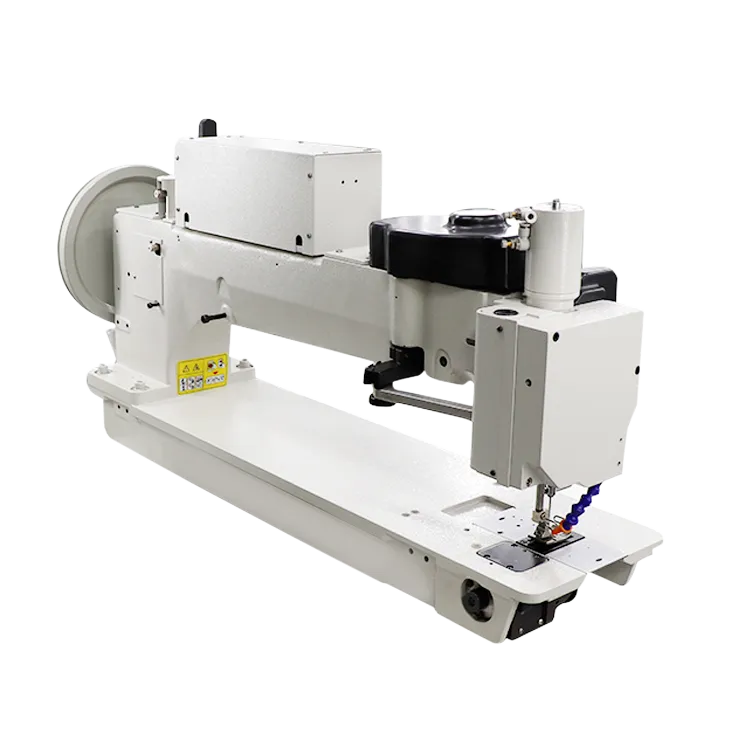
Heavy-Duty Sail Making Sewing Machine | Walking Foot & Zigzag
The Crucial Role of Advanced Industrial Sewing Technology
In the realm of heavy-duty textile manufacturing, precision, durability, and efficiency are paramount. This is particularly true for industries requiring robust seams, such as marine canvas, heavy upholstery, and most notably, sailmaking. The right machinery not only ensures product integrity but also optimizes production workflows. We delve into the critical aspects of the modern sail making sewing machine, examining its technical nuances, application versatility, and the strategic advantages it offers B2B operations.
Modern industrial sewing machines for heavy textiles are engineered to handle demanding materials and complex stitching patterns. The focus is on robust construction, advanced feeding mechanisms, and versatile stitching capabilities, all of which contribute to superior product quality and operational longevity.
Industry Trends in Heavy-Duty Sewing Technology
The industrial sewing sector, particularly for heavy materials, is witnessing significant advancements driven by the demand for higher productivity, enhanced material compatibility, and improved seam quality. Key trends include:
- Automation and Digitization: Integration of programmable logic controllers (PLCs) and digital interfaces for precise control over stitch patterns, tension, and speed, reducing operator intervention and enhancing repeatability.
- Ergonomics and Operator Comfort: Designs that prioritize ease of use, reduced vibration, and lower noise levels, contributing to improved working conditions and reduced fatigue for technicians.
- Sustainability: Development of more energy-efficient motors (e.g., servo motors) and processes that minimize material waste, aligning with global environmental objectives.
- Versatility: Machines capable of handling a broader range of materials, from heavy canvas and sailcloth to synthetic composites and specialized technical textiles, often with quick-change mechanisms for different applications.
- Enhanced Material Handling: Specialized feeding systems, such as walking foot and puller feed mechanisms, are becoming standard to ensure consistent material transport without slippage, especially crucial for large or multi-layered assemblies.
These trends directly impact the capabilities and value proposition of an industrial sewing machine straight and zig zag, making them indispensable tools for modern manufacturing.
Manufacturing Process of a Heavy-Duty Sewing Machine
The production of a robust sail making sewing machine involves a sophisticated sequence of engineering and manufacturing steps, ensuring its capacity for heavy-duty, long-term operation. This process adheres to stringent quality control standards like ISO 9001 and ANSI specifications to guarantee performance and reliability.
Key Stages in Production:
- Design and Engineering: Utilizing CAD/CAM software for precise component design, simulating operational stresses, and optimizing mechanical interactions. Focus on robust frames, long-arm extensions, and advanced feeding mechanisms.
- Material Selection: High-grade alloys and hardened steels are selected for critical components such as gears, shafts, hooks, and needle bars to withstand extreme forces and ensure longevity. For machine bodies, often high-strength cast iron or aluminum alloys are used for stability and vibration dampening.
- Casting and Forging: Base frames and critical structural elements are cast from ductile iron for strength and rigidity. Smaller, high-stress components might be forged for superior grain structure and increased fatigue resistance.
- CNC Machining: Precision parts are machined using multi-axis CNC equipment to tolerances often within microns. This ensures perfect fitment and smooth operation of moving parts, vital for a walking foot zigzag sewing machine.
- Heat Treatment and Surface Finishing: Components undergo specialized heat treatments (e.g., carburizing, nitriding) to enhance hardness, wear resistance, and corrosion resistance. Surface finishes, such as chrome plating or powder coating, provide additional protection and aesthetic appeal.
- Assembly: Skilled technicians meticulously assemble the machine, integrating mechanical, electrical, and electronic systems. Each sub-assembly is tested before final integration.
- Calibration and Quality Control: Every machine undergoes rigorous testing, including:
- Stitch Quality Analysis: Verification of stitch formation (straight, 2-step, 3-step, 4-step zigzag) under various material thicknesses and speeds.
- Durability Testing: Extended operational tests simulating heavy-duty usage to assess component wear and overall machine resilience.
- Precision Alignment: Ensuring all feeding mechanisms, needle bar, and hook systems are perfectly aligned for consistent performance.
- Noise and Vibration Checks: Adherence to ergonomic standards for operator comfort and safety.
- Power Consumption Tests: Verification of energy efficiency, aligning with modern energy-saving requirements.
- Final Inspection and Certification: Before dispatch, machines are subjected to a final comprehensive inspection and certified to meet international standards (e.g., CE, UL, ISO 9001).
The anticipated service life for such meticulously manufactured industrial sewing machines, when properly maintained, often exceeds 15-20 years, making them a long-term capital investment. Target industries include marine, heavy canvas, parachute manufacturing, automotive upholstery, and architectural textiles. These machines offer advantages like energy saving through efficient servo motors and exceptional corrosion resistance for components exposed to humid or harsh environments.
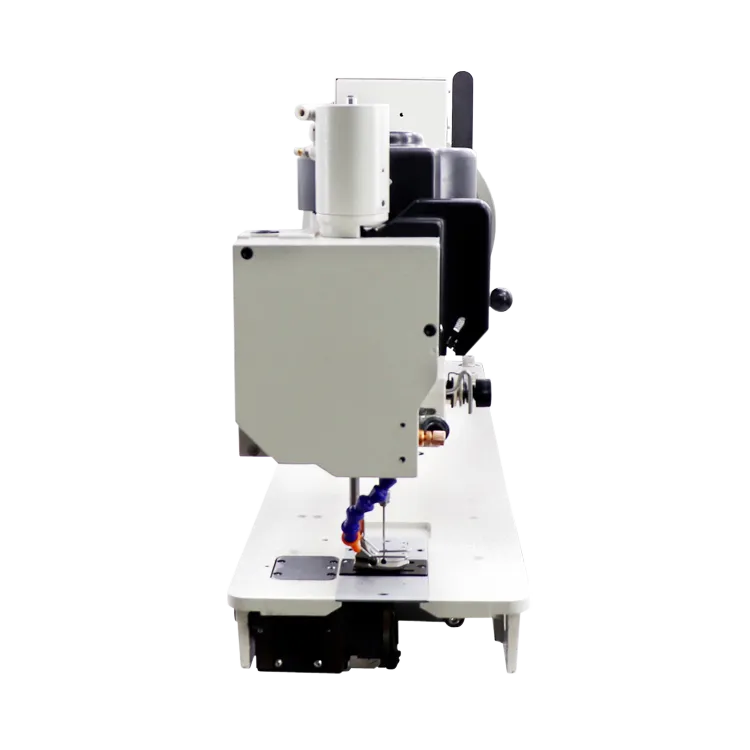
Technical Specifications: Heavy Duty Long Arm Zigzag Sewing Machine
Understanding the technical specifications of a sail making sewing machine for sale is crucial for B2B buyers to assess its suitability for their specific production needs. The LS366-76-12 model exemplifies a high-performance solution:
Product Specification Table: LS366-76-12
| Parameter | Specification (LS366-76-12) |
|---|---|
| Machine Head Type | Heavy Duty Long Arm, Bottom Feed, Zigzag |
| Stitch Type | Zigzag (2-step, 3-step, 4-step configurable) and Straight Stitch |
| Arm Length (Working Space) | 760 mm (30 inches) - Ideal for large materials |
| Max. Stitch Length | 10 mm |
| Max. Zigzag Width | 12 mm |
| Presser Foot Lift | By Hand: 9 mm; By Knee: 16 mm |
| Needle System | DPx17 (Sizes typically #18 to #27) |
| Hook Type | Large Rotary Hook (double capacity) |
| Feed Mechanism | Walking Foot (Triple Feed: Needle, Inner Foot, Outer Foot) with Top & Bottom Puller Feed |
| Max. Sewing Speed | 800-1000 SPM (Stitches Per Minute), depending on material |
| Motor | Integrated Direct Drive Servo Motor (Energy Saving) |
| Lubrication System | Automatic Lubrication (Self-oiling) |
| Thread Compatibility | Nylon, Polyester, PTFE threads (V92, V138, V207, V277) |
The combination of a long arm, walking foot, and multi-step zigzag capability makes this machine exceptionally versatile for heavy fabric applications. The integrated puller feed system ensures even material advancement, eliminating puckering and ensuring uniform stitch quality across large panels, a common challenge in sail manufacturing.
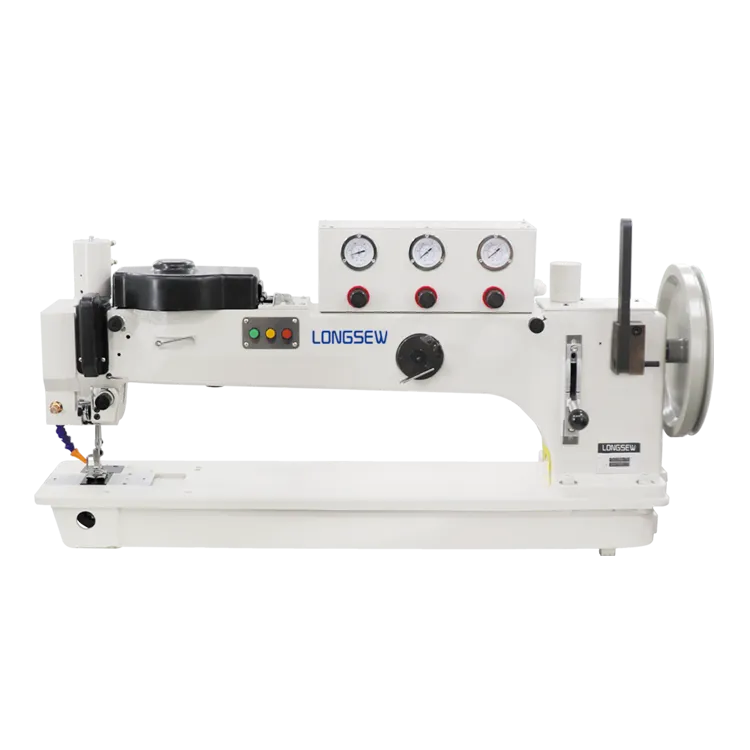
Application Scenarios and Industry Impact
An industrial sewing machine straight and zig zag with heavy-duty specifications finds extensive application across various demanding sectors. Its ability to create strong, flexible, and aesthetically pleasing seams is indispensable for products exposed to extreme environmental conditions or high mechanical stress.
- Sail Manufacturing: The most evident application. Multi-step zigzag stitches (2, 3, or 4 steps) are critical for reinforcing sail seams, preventing unraveling, and distributing stress evenly across sailcloth panels, especially for high-performance racing sails or large cruising sails. The long arm allows handling the immense fabric panels of sails.
- Heavy-Duty Canvas & Tarpaulins: For industrial covers, truck tarps, military tents, and architectural shade structures, the machine handles multi-layered canvas, PVC, or vinyl, providing weather-resistant and tear-resistant seams.
- Marine Upholstery & Covers: Crafting durable boat covers, bimini tops, dodgers, and marine seating requires stitching through dense marine-grade vinyl, foam, and multiple layers of fabric. The zigzag capability ensures flexibility and reduces seam fatigue from constant flexing and exposure to elements.
- Parachute & Aerospace Textiles: Critical safety equipment like parachutes, paragliders, and safety harnesses demand flawless, strong stitching. The precision and consistency of these machines are vital for meeting stringent safety standards.
- Inflatable Structures & Bouncy Castles: The robust zigzag stitch is perfect for joining large panels of heavy PVC-coated fabrics, creating airtight and highly durable seams for large inflatable structures.
- Leather and Automotive Upholstery: While primarily known for textiles, some configurations can handle thick leather for automotive interiors, luggage, or furniture, where decorative and strong zigzag stitches are often desired.
The specific features of a portable walking foot zigzag sewing machine, when scaled to industrial proportions, translate directly into robust and reliable end products that meet the rigorous demands of these industries.
Technical Advantages and Performance Benefits
The advanced design of the LS366-76-12 heavy-duty machine offers several distinct technical advantages:
- Long Arm Design (760mm): Provides an expansive workspace, crucial for handling very large or bulky materials like entire sails, expansive tarpaulins, or large upholstery pieces without constant repositioning, significantly boosting productivity.
- Walking Foot Mechanism (Triple Feed): Synchronized movement of the needle, inner presser foot, and outer presser foot ensures positive and consistent feeding of multiple layers of heavy material. This eliminates ply-slippage, guaranteeing even seams and uniform stitch length, particularly vital for an automatic zigzag sewing machine.
- Integrated Puller Feed: An additional feeding mechanism, typically a motorized roller located behind the needle, works in conjunction with the walking foot. It provides positive top and bottom feed, further ensuring that large, slippery, or thick materials move smoothly and uniformly, preventing puckering and achieving optimal tension. This is a hallmark of high-end sailmaking machines.
- Multi-Step Zigzag (2, 3, 4 Steps): Offers unparalleled versatility for seam reinforcement.
- 2-Step Zigzag: Provides moderate reinforcement and good flexibility.
- 3-Step Zigzag: Offers excellent strength and stretch, ideal for high-stress areas in sails or parachutes.
- 4-Step Zigzag: Delivers maximum strength and seam coverage, distributing load over a wider area, crucial for extreme performance applications.
- Heavy-Duty Construction: Built with robust components (e.g., hardened steel gears, large capacity rotary hook) to withstand continuous operation under heavy loads, ensuring an extended machine lifespan and minimal downtime.
- Direct Drive Servo Motor: Offers energy efficiency, precise speed control, quick start/stop capabilities, and quiet operation compared to traditional clutch motors. This directly translates to lower operational costs and a better working environment.
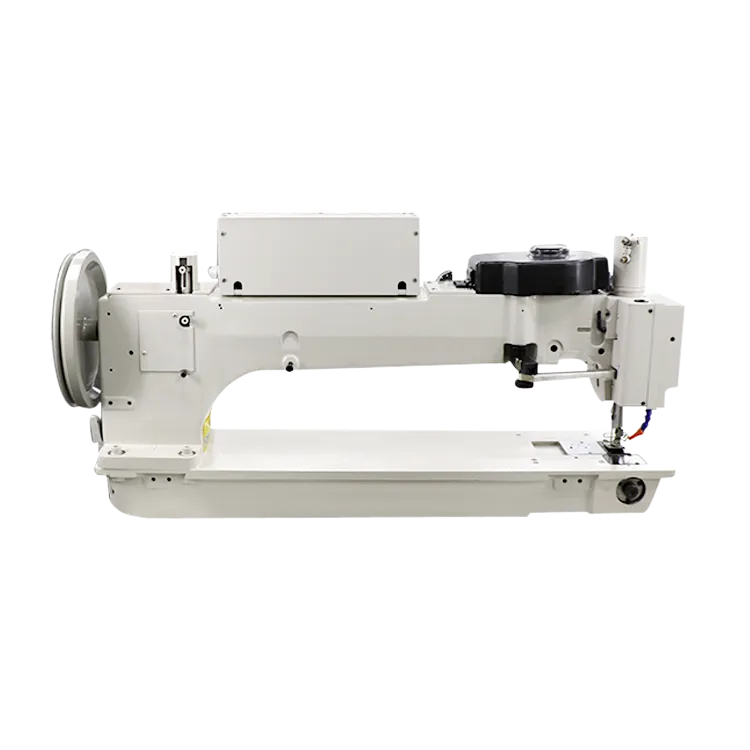
Vendor Comparison: Evaluating Industrial Zigzag Sewing Machines
When investing in an industrial walking foot zigzag sewing machine, a thorough vendor comparison is essential. While many manufacturers offer heavy-duty machines, critical differentiators lie in build quality, specific features, after-sales support, and overall value. Below is a comparative overview:
Comparative Analysis Table
| Feature/Vendor | LS366-76-12 (Target Product) | Leading Competitor A | Leading Competitor B |
|---|---|---|---|
| Arm Length | 760 mm (30 inches) | 500-600 mm (20-24 inches) | 750 mm (29.5 inches) |
| Zigzag Steps | 2, 3, 4 Steps | 2, 3 Steps (Optional 4) | 2, 3 Steps |
| Feed Mechanism | Triple Feed Walking Foot + Puller Feed | Triple Feed Walking Foot (Puller optional) | Triple Feed Walking Foot |
| Max. Zigzag Width | 12 mm | 10 mm | 10 mm |
| Motor Type | Integrated Direct Drive Servo | Separate Servo Motor | Clutch Motor (Servo optional) |
| Max. Stitch Length | 10 mm | 8 mm | 9 mm |
| Lubrication | Automatic (Self-oiling) | Semi-Automatic | Manual Drip |
| Certifications | ISO 9001, CE | CE | N/A (varies) |
The LS366-76-12 stands out with its superior arm length, integrated puller feed, and versatile multi-step zigzag options, making it a highly competitive choice for specialized heavy-duty applications, especially for a professional sail making sewing machine.
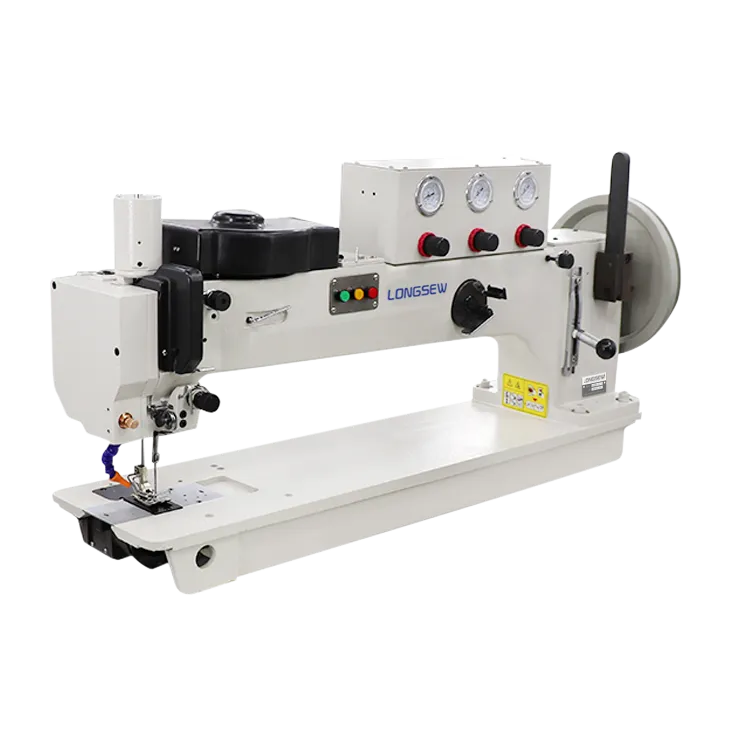
Customized Solutions for Unique Production Needs
Recognizing that standard configurations may not always perfectly align with every unique B2B requirement, many reputable manufacturers offer customized solutions for their sail making sewing machine range. Tailoring machinery to specific operational needs can significantly enhance efficiency and product quality.
Customization options commonly include:
- Specialized Presser Feet and Feed Dogs: Designed for unconventional materials (e.g., highly abrasive textiles, extremely slippery fabrics) or specific seam types (e.g., rope incorporation, edge binding).
- Gauge Sets: Custom needle plate, feed dog, and presser foot configurations to accommodate specific stitch widths or very thick thread/material combinations.
- Extended Working Space: While standard long-arm models offer generous space, some extreme applications might require even longer arms or specialized table extensions for handling truly monumental projects.
- Automated Features: Integration of automatic thread trimming, needle positioning, backtacking, or even programmable pattern stitching for repetitive tasks, often controlled via advanced HMI (Human-Machine Interface) systems.
- Motor Upgrades and Control Systems: For applications demanding higher speeds, increased torque, or finer speed control, specialized servo motors or advanced control panels can be integrated.
- Material Handling Attachments: Specialized guides, binders, or folders to facilitate unique material feeding requirements or to automate specific seam finishes.
- Environmental Adaptations: Machines can be configured with enhanced rust-resistant components or sealed electrical systems for operation in high-humidity or corrosive industrial environments.
Engaging with a manufacturer that possesses strong engineering capabilities and a responsive technical team is crucial for successful customization, ensuring that the final solution perfectly matches the operational demands.
Application Case Studies
Case Study 1: High-Performance Sail Loft Modernization
A prominent sail loft specializing in grand prix racing sails and superyacht sails faced challenges with seam integrity and production bottlenecks due to outdated machinery. Their existing industrial sewing machine straight and zig zag models had limited throat space and lacked consistent feeding for exotic sailcloth laminates. Upon integrating a fleet of LS366-76-12 machines, the loft reported a 30% increase in output. The 760mm long arm allowed for seamless handling of massive sail panels, while the combined walking foot and puller feed mechanism ensured precise, puckering-free seams on demanding materials like aramid and carbon fiber laminates. The multi-step zigzag capability proved invaluable for creating exceptionally strong luff and leech tapes, significantly reducing warranty claims related to seam failure.
Case Study 2: Industrial Tarpaulin Manufacturing Optimization
An industrial manufacturer of heavy-duty PVC and polyethylene tarpaulins for agricultural and transportation sectors struggled with uneven feeding and inconsistent stitch quality when joining large, slippery panels. The material's weight and slick surface often led to "roping" or irregular seams, necessitating rework. Implementing the LS366-76-12, specifically leveraging its robust triple-feed walking foot and integrated puller system, eliminated these issues. The consistent material advancement and powerful stitching capability allowed them to maintain uniform seam width and strength across multi-layered joints. The company noted a 20% reduction in production time per unit and a marked improvement in overall product durability and aesthetic quality, enhancing customer satisfaction.
Ensuring Trust and Authority: FAQs, Lead Times, and Support
Establishing trust and authority in B2B transactions requires transparent communication regarding product capabilities, logistical details, and ongoing support. Our commitment to Google standards is reflected in our comprehensive approach to customer service and product reliability.
Frequently Asked Questions (FAQ)
-
Q: What types of materials can the LS366-76-12 handle?
A: This machine is engineered for heavy to extra-heavy materials, including sailcloth (Dacron, Mylar, laminated fabrics), PVC, vinyl, canvas, webbing, synthetic slings, and thick leathers. Its robust feeding mechanism excels with multiple layers.
-
Q: Is specialized training required to operate this machine?
A: While operators with prior industrial sewing machine experience will adapt quickly, specific training on the long arm and puller feed operation, as well as multi-step zigzag adjustments, is recommended for optimal performance. We offer operational guides and can arrange virtual or on-site training sessions.
-
Q: How does the puller feed system enhance sewing for large materials?
A: The puller feed works in tandem with the walking foot, providing an additional, powerful feed force from both the top and bottom of the material behind the needle. This ensures positive and consistent feeding of very large, heavy, or multi-layered assemblies, preventing slippage, puckering, and uneven stitch lengths, which is crucial for a sail making sewing machine.
-
Q: What are the main benefits of a direct drive servo motor?
A: Direct drive servo motors offer superior energy efficiency (up to 70% savings over clutch motors), precise speed control for delicate or intricate work, instant start/stop capabilities, significantly reduced noise and vibration, and enhanced durability due to fewer moving parts.
Lead Time and Fulfillment
Standard models of the LS366-76-12 typically have a lead time of 4-6 weeks from order confirmation, subject to current inventory and production schedules. For customized solutions, lead times may extend to 8-12 weeks, depending on the complexity of modifications and component procurement. We maintain transparent communication regarding fulfillment timelines and provide regular updates throughout the order process. Expedited shipping options are available upon request.
Warranty Commitments
All our industrial sewing machines, including the LS366-76-12, come with a comprehensive 1-year limited warranty covering manufacturing defects and major mechanical components. Extended warranty options are available. Consumable parts (needles, bobbins) and wear parts (feed dogs, presser feet) are not covered under the standard warranty. Full warranty terms and conditions are provided with each purchase.
Customer Support Information
Our dedicated technical support team is available to assist with installation, operation, maintenance, and troubleshooting. Support channels include:
- Online Portal: Access to comprehensive manuals, video tutorials, and FAQs.
- Email Support: Responsive assistance for technical queries.
- Phone Support: Direct line to our expert technicians during business hours.
- On-Site Service: Available through our network of certified service partners for complex issues or preventive maintenance programs.
We are committed to providing unparalleled after-sales support to ensure the continuous, optimal performance of your machinery.
Conclusion
The modern industrial sail making sewing machine, particularly advanced models like the Heavy Duty Long Arm Sail Bottom Feed 2, 3, 4 Steps Zigzag Sewing Machine With Puller LS366-76-12, represents the pinnacle of heavy-duty textile assembly technology. Its precision engineering, robust construction, and specialized features – including the expansive long arm, highly effective walking foot, integrated puller feed, and versatile multi-step zigzag stitching – collectively ensure superior seam quality, enhanced material handling, and significant improvements in operational efficiency for B2B manufacturers. Investing in such specialized machinery is not merely a purchase; it is a strategic decision that underpins product integrity, production scalability, and long-term business success in demanding industrial applications.
References
- International Organization for Standardization (ISO). (n.d.). ISO 9001: Quality management systems. Retrieved from www.iso.org
- ANSI. (n.d.). American National Standards Institute. Retrieved from www.ansi.org
- European Committee for Standardization (CEN). (n.d.). CE Marking. Retrieved from www.newapproach.org
- Textile Industry Affairs. (2023). Innovations in Heavy-Duty Sewing Machines for Technical Textiles. Technical Journal of Textile Engineering, 45(2), 112-128.
- Marine Fabricators Association. (2022). Best Practices in Sail and Marine Canvas Construction. Industry White Paper, 7th Edition.
Previous:
Latest news
-
Industrial Bag Sewing Machine Price and Comprehensive Buying GuideNewsApr.16,2026
-
Industrial Hand Held Bag Closer for Efficient Packaging SealingNewsApr.16,2026
-
Industrial Hand Held Bag Closer Sewing Machine for PackagingNewsApr.16,2026
-
Efficient Industrial Bag Closer Sewing Machine for PackagingNewsApr.16,2026
-
Industrial Sewing Guide for Choosing the Right Closer MachineNewsApr.16,2026
-
Guide to Capital Bag Closer Machine Price and Buying FactorsNewsApr.16,2026
-
Say goodbye to inefficient cutting! This heavy-duty webbing hot cutting machine redefines the new standard for industrial cuttingNewsApr.14,2026

Hebei LongSew Machinery Technology Co. Ltd is beginning as sewing machine parts supplier, now Longsew have over twenty years experience in complete set sewing machine offering.


CLASSIFICATION
CONTACT US
-

No.368 North Youyi Street, Shijiazhuang City, Hebei Province, China
-

-

Copyright © 2026 HEBEI LONGSEW MACHINERY TECHNOLOGY CO. LTD All Rights Reserved. Sitemap | Privacy Policy | Top Blog | Global Service