

Feb . 26, 2026 01:55
Back to list
Explore the Versatility of the Zig Zag Dressmaker Sewing Machine
The Ultimate Guide to the Zig Zag Dressmaker Sewing Machine
The zig zag dressmaker sewing machine represents a cornerstone in the world of textile creation. Whether you're a seasoned fashion designer, a passionate hobbyist, or just starting your sewing journey, understanding the capabilities of this versatile machine is paramount. This article explores the features, benefits, applications, and maintenance tips for this classic piece of equipment, helping you unlock its full potential. We'll delve into why this machine remains a popular choice even with the advent of more modern technologies.
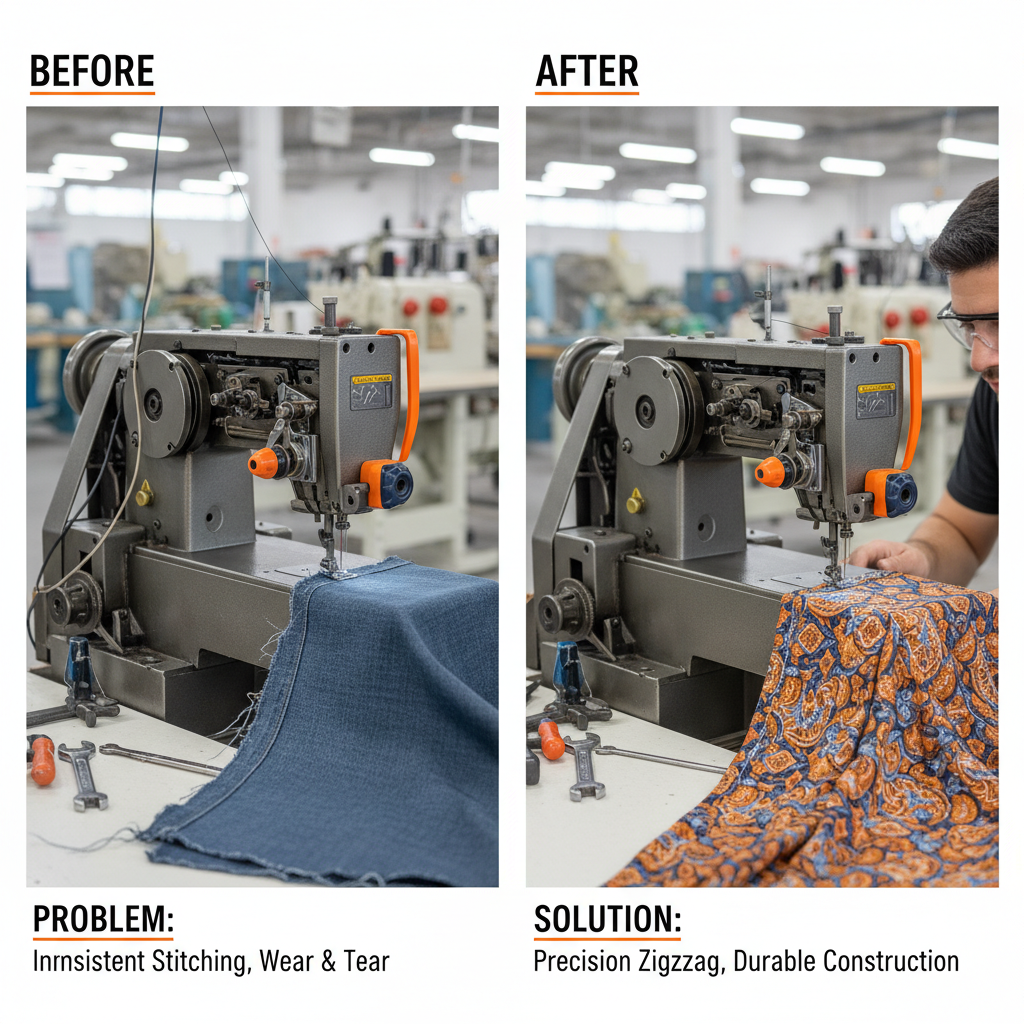
Understanding the Key Features of a Zig Zag Dressmaker Sewing Machine
At its core, the zig zag dressmaker sewing machine is celebrated for its ability to create a wide range of stitch types, beyond the standard straight stitch. The iconic zig zag stitch, from which the machine derives its name, is perfect for finishing raw edges, creating decorative embellishments, and sewing stretch fabrics. Many models also include options for various zig zag widths and lengths, allowing for customization. These machines are generally built with a robust metal frame ensuring durability and stability during operation. The adjustable presser foot pressure is essential for working with different fabric weights. Finally, Longsew's models frequently include a reverse stitch function for securing seams.
Key Highlights: Robust metal frame for durability, adjustable presser foot pressure, multiple stitch options including zig zag, and reverse stitch function.
The Versatility of the Zig Zag Stitch
The zig zag stitch isn't just about aesthetics. Its unique back-and-forth motion provides significant stretch, making it ideal for sewing knits and other fabrics that require flexibility. This is crucial in garment construction, particularly for creating comfortable and well-fitting clothing. Beyond apparel, the zig zag stitch is invaluable for applications like appliqué, embroidery, and even mending tears in fabric. The ability to vary the stitch width and length opens up a world of creative possibilities, allowing you to create unique textures and designs. It can be used to reinforce buttonholes and prevent fabric fraying, adding to its practical uses.
Zig Zag Stitch Benefits:
• Provides stretch for knits and flexible fabrics
• Ideal for appliqué and embroidery
• Prevents fabric fraying and reinforces buttonholes
• Creates unique textures and designs
Zig Zag Dressmaker Sewing Machine vs. Modern Computerized Machines
While modern computerized sewing machines offer a plethora of automated features, the zig zag dressmaker sewing machine retains its appeal due to its simplicity, reliability, and affordability. Computerized machines are undoubtedly feature-rich, but they can be complex to learn and prone to electronic failures. The mechanical nature of the zig zag machine means fewer parts to break down and a more intuitive user experience. Furthermore, the zig zag machine encourages a deeper understanding of sewing fundamentals, as the operator has more direct control over stitch formation. Longsew offers a range of both traditional and modern machines, catering to diverse needs and skill levels.
Maintaining Your Zig Zag Dressmaker Sewing Machine
Proper maintenance is crucial for ensuring the longevity and optimal performance of your zig zag dressmaker sewing machine. Regular cleaning, lubrication, and bobbin maintenance are essential. Dust and lint buildup can impede the machine's function, so frequent cleaning with a brush and cloth is recommended. Applying sewing machine oil to key moving parts, as indicated in the machine's manual, will reduce friction and prevent wear. Always use the correct needle type for the fabric you're sewing. Longsew provides detailed maintenance guides for its machines.
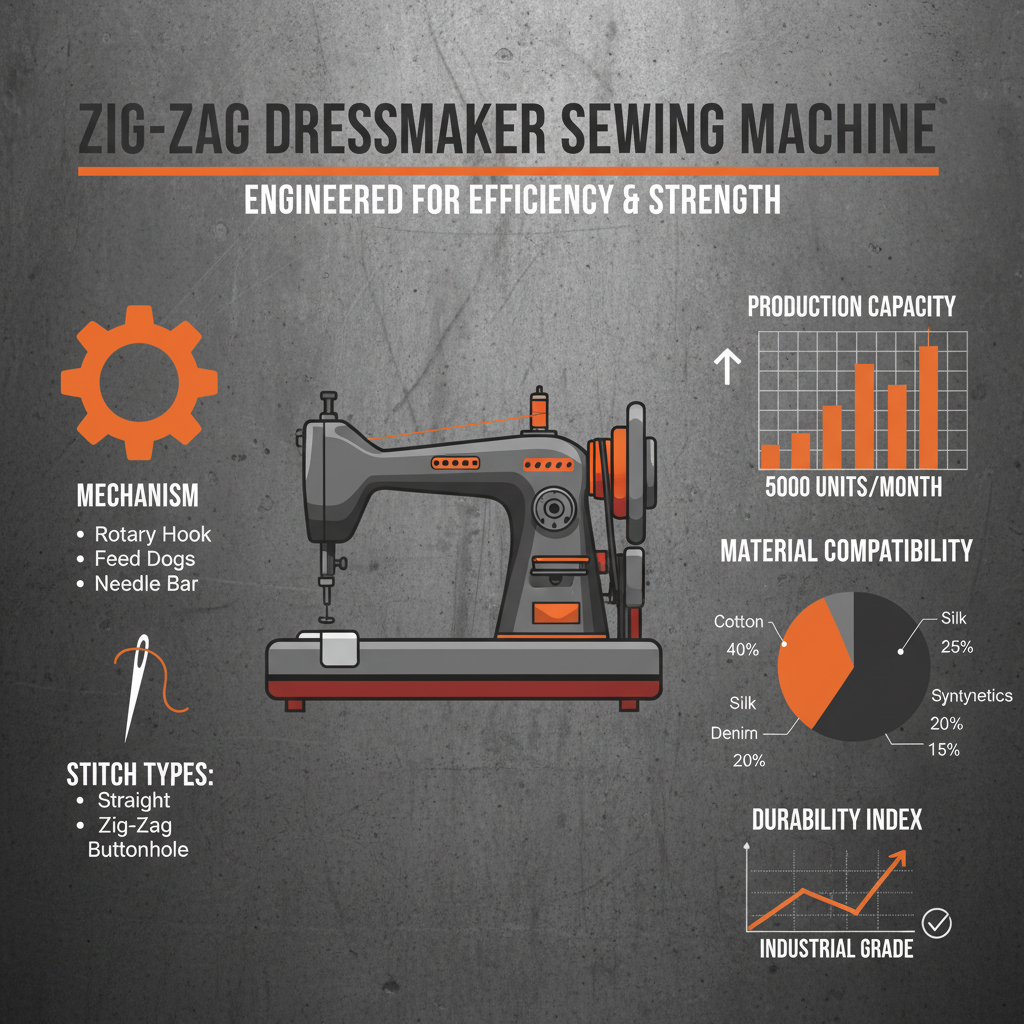
Product Specifications - Longsew Zig Zag Model LS-200
Here's a quick look at the specifications of Longsew's popular LS-200 Zig Zag Dressmaker Sewing Machine:
Conclusion: A Timeless Tool for Creative Expression
The zig zag dressmaker sewing machine remains a valuable asset for sewers of all levels. Its versatility, reliability, and affordability make it a compelling choice, whether you're a beginner or a seasoned professional. By understanding its features and practicing proper maintenance, you can unlock a world of creative possibilities.
Frequently Asked Questions (FAQs)
What types of fabric can a zig zag dressmaker sewing machine handle?
The zig zag dressmaker sewing machine is remarkably versatile and can handle a wide range of fabrics, including cotton, linen, denim, knit fabrics, and even lightweight leather. The adjustable presser foot pressure and the zig zag stitch’s inherent stretch make it particularly well-suited for working with stretchy or delicate materials. However, for very thick or heavy fabrics, you may need to use a heavier-duty needle and adjust the stitch length and width accordingly. It's always best to test a small scrap of fabric before starting your project to ensure optimal results.
How often should I oil my zig zag sewing machine?
It’s generally recommended to oil your zig zag sewing machine after every 8 hours of use, or at least once a month if you use it less frequently. Apply a few drops of sewing machine oil to the designated oiling points, as indicated in your machine’s manual. Avoid over-oiling, as this can attract dust and lint. Proper lubrication ensures smooth operation and prevents wear and tear on the machine's internal components. Regular oiling extends the lifespan of your machine and maintains its performance.
What size needle should I use with my zig zag machine?
The appropriate needle size depends on the weight and type of fabric you’re using. A general guideline is to use a size 80/12 needle for lightweight fabrics like silk and chiffon, a size 90/14 needle for medium-weight fabrics like cotton and linen, and a size 100/16 needle for heavier fabrics like denim and canvas. Always refer to the fabric manufacturer’s recommendations and test the needle on a scrap piece of fabric to ensure proper stitch formation and prevent fabric damage. Using the correct needle is crucial for achieving high-quality sewing results.
Latest news
-
Industrial Bag Sewing Machine Price and Comprehensive Buying GuideNewsApr.16,2026
-
Industrial Hand Held Bag Closer for Efficient Packaging SealingNewsApr.16,2026
-
Industrial Hand Held Bag Closer Sewing Machine for PackagingNewsApr.16,2026
-
Efficient Industrial Bag Closer Sewing Machine for PackagingNewsApr.16,2026
-
Industrial Sewing Guide for Choosing the Right Closer MachineNewsApr.16,2026
-
Guide to Capital Bag Closer Machine Price and Buying FactorsNewsApr.16,2026
-
Say goodbye to inefficient cutting! This heavy-duty webbing hot cutting machine redefines the new standard for industrial cuttingNewsApr.14,2026

Hebei LongSew Machinery Technology Co. Ltd is beginning as sewing machine parts supplier, now Longsew have over twenty years experience in complete set sewing machine offering.


CLASSIFICATION
CONTACT US
-

No.368 North Youyi Street, Shijiazhuang City, Hebei Province, China
-

-

Copyright © 2026 HEBEI LONGSEW MACHINERY TECHNOLOGY CO. LTD All Rights Reserved. Sitemap | Privacy Policy | Top Blog | Global Service