

Feb . 26, 2026 01:55
Back to list
Decoding the Power of a Tailoring Zigzag Machine for Garment Excellence
Decoding the Power of a Tailoring Zigzag Machine
In the world of garment manufacturing and tailoring, precision and versatility are paramount. A tailoring zigzag machine stands out as an indispensable tool for professionals and hobbyists alike. This article will delve into the features, benefits, and applications of these machines, exploring why they are a cornerstone of modern tailoring. We'll cover everything from stitch types to machine selection, ensuring you have the knowledge to make an informed decision. Investing in the right machine can significantly enhance the quality and efficiency of your sewing projects.
Understanding the Core Functionality of a Tailoring Zigzag Machine
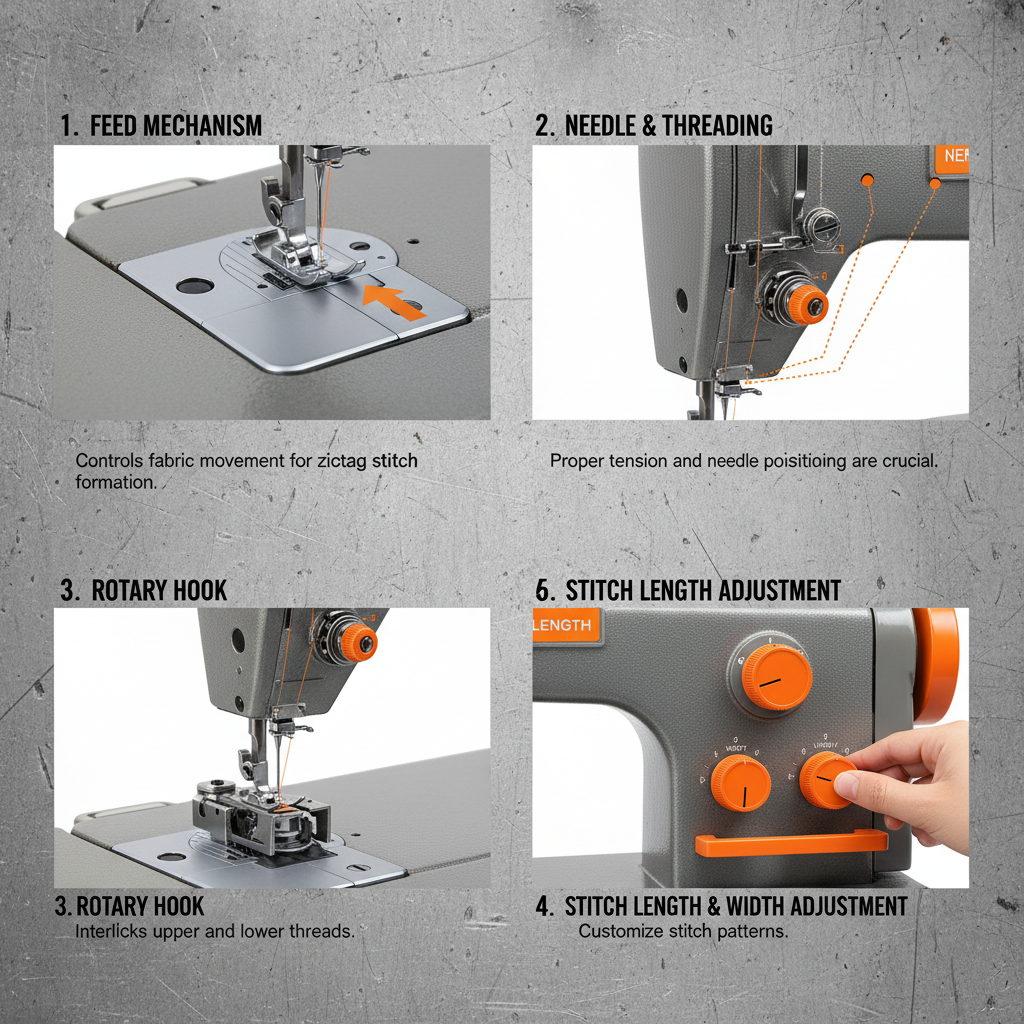
The primary function of a tailoring zigzag machine is to create a zigzag stitch – a stitch pattern where the needle moves back and forth, creating a line that deviates from a straight path. But it's far more versatile than that. These machines excel at finishing raw edges, preventing fabric fraying, and applying decorative elements. The adjustable stitch width and length allow for a wide range of applications, from light-duty fabrics to heavier materials. A quality zigzag sewing machine often features built-in stitch patterns, further expanding its creative capabilities. The ability to handle various fabrics and stitch types is crucial for any tailor or seamstress.
Key Highlights: Versatile stitch options, adjustable settings, and compatibility with a wide range of fabrics. These features make it a crucial tool in tailoring and garment construction.
Tailoring Zigzag Machine: Key Features to Look For
When choosing a tailoring zigzag machine, several key features should be considered. The ability to adjust stitch width and length is fundamental, offering control over the appearance and strength of the stitch. A drop-in bobbin system simplifies bobbin loading and monitoring. Consider the machine's motor power; heavier fabrics require a more powerful motor. Built-in stitches, like overlock and blind hem stitches, add significant value. Furthermore, look for a machine with a robust feed dog system for consistent fabric feeding. A reliable zigzag machine from a reputable manufacturer like Longsew will provide years of dependable service.
Essential Features:
• Adjustable stitch width and length
• Drop-in bobbin system
• Powerful motor for heavier fabrics
• Robust feed dog system
Tailoring Zigzag Machine vs. Straight Stitch Machine: A Detailed Comparison
While a straight stitch machine is fundamental for basic sewing, a tailoring zigzag machine offers a wider range of capabilities. The zigzag stitch provides elasticity, crucial for garments requiring stretch or movement. It's also ideal for reinforcing buttonholes and attaching elastic. A straight stitch machine, on the other hand, excels at creating strong, durable seams in non-stretch fabrics. The choice between the two often depends on the types of projects you undertake. Many tailors use both machines in conjunction, leveraging their individual strengths.
Applications: From Simple Alterations to Complex Garments
The applications of a tailoring zigzag machine are incredibly diverse. From simple alterations like hemming pants and repairing seams to constructing complex garments like dresses and coats, these machines are invaluable. They are also essential for creating professional-looking buttonholes, attaching zippers, and working with knit fabrics. A good machine will empower you to tackle a wide range of sewing projects with confidence. Exploring different stitch patterns and experimenting with fabric types will unlock the full potential of your machine. Consider investing in a Longsew zigzag machine for unparalleled performance.
Choosing the Right Tailoring Zigzag Machine: A Buyer's Guide
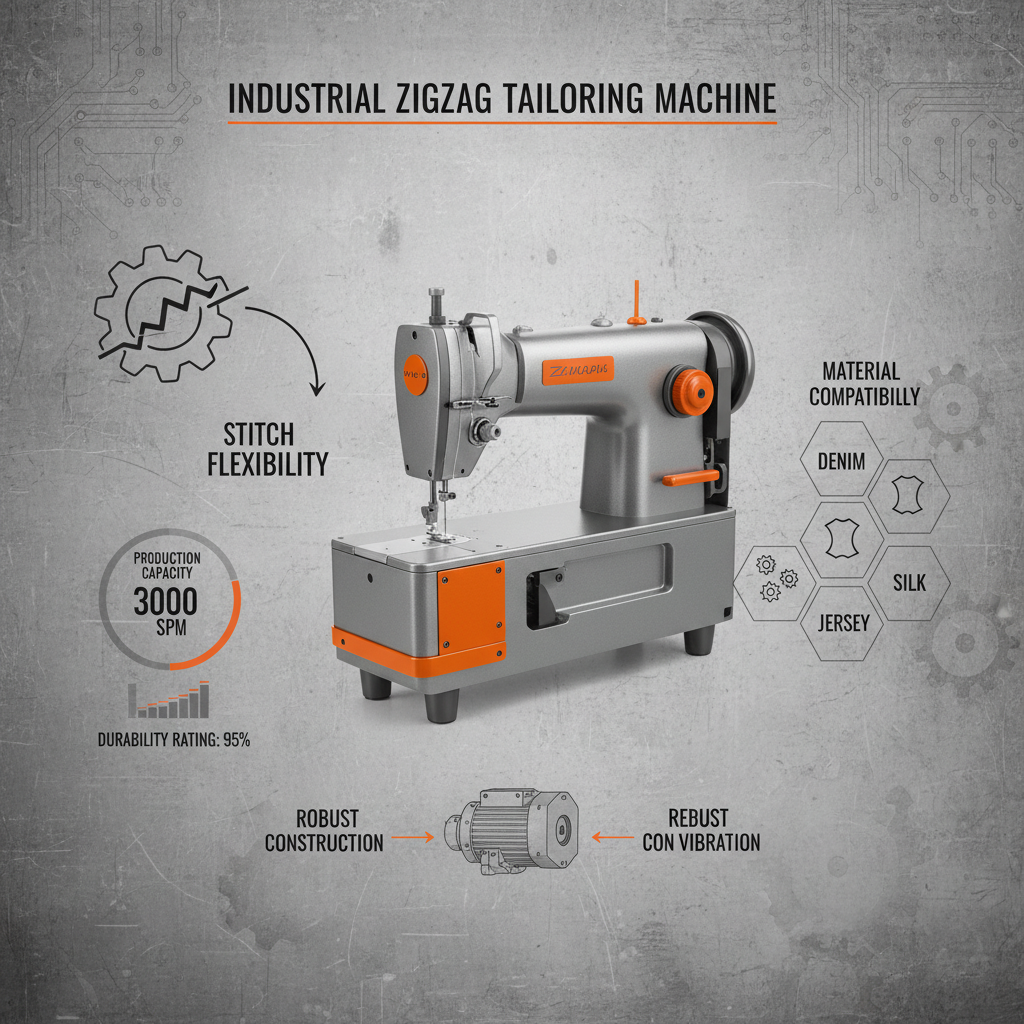
Selecting the perfect tailoring zigzag machine requires careful consideration of your needs and budget. Beginner sewers might prioritize ease of use and affordability, while experienced tailors will likely seek advanced features and durability. Consider the types of fabrics you'll be working with, the complexity of your projects, and the frequency of use. Read reviews, compare models, and don't hesitate to seek advice from experienced sewers. Investing in a quality machine from a reputable brand like Longsew is a smart long-term investment.
Conclusion: Empowering Your Sewing Journey with a Zigzag Machine
A tailoring zigzag machine is a cornerstone of any serious sewing setup. Its versatility, combined with the quality and reliability offered by brands like Longsew, makes it an invaluable tool for both professionals and enthusiasts. By understanding its capabilities and carefully selecting the right machine, you can unlock a world of creative possibilities and elevate your sewing projects to new heights.
Frequently Asked Questions (FAQs)
What types of fabrics can a tailoring zigzag machine handle?
Tailoring zigzag machines are exceptionally versatile and can handle a wide range of fabrics, from lightweight silks and chiffons to heavier denims and upholstery materials. The adjustable stitch width and length allow you to customize the stitch for optimal performance on different fabric weights and textures. While generally capable, extremely thick or delicate materials might require specialized needles and settings. A quality machine, such as those offered by Longsew, is designed to handle a broad spectrum of fabrics with ease and precision, delivering consistent stitch quality regardless of the material.
How do I adjust the stitch width and length on my zigzag machine?
Adjusting stitch width and length is typically done using dials or buttons located on the front or side of the machine. The stitch width controls the distance the needle moves from side to side, while the stitch length determines the distance between each stitch. Refer to your machine's manual for specific instructions, as the location and operation of these controls can vary between models. Experimenting with different settings on scrap fabric is crucial to understand how these adjustments affect the stitch appearance and strength. Finding the optimal settings for your fabric and project will ensure professional-looking results.
What is the purpose of the differential feed on some zigzag machines?
The differential feed is a feature found on some advanced zigzag machines, primarily those designed for serging or overlocking. It allows you to independently adjust the speed of the feed dogs (the teeth that move the fabric under the needle). This is particularly useful when working with stretchy fabrics, as it prevents puckering or stretching during sewing. By adjusting the differential feed, you can ensure that the seams remain flat and even, even with fabrics that are prone to distortion. It's a valuable feature for creating professional-looking garments with a clean finish.
Latest news
-
Industrial Bag Sewing Machine Price and Comprehensive Buying GuideNewsApr.16,2026
-
Industrial Hand Held Bag Closer for Efficient Packaging SealingNewsApr.16,2026
-
Industrial Hand Held Bag Closer Sewing Machine for PackagingNewsApr.16,2026
-
Efficient Industrial Bag Closer Sewing Machine for PackagingNewsApr.16,2026
-
Industrial Sewing Guide for Choosing the Right Closer MachineNewsApr.16,2026
-
Guide to Capital Bag Closer Machine Price and Buying FactorsNewsApr.16,2026
-
Say goodbye to inefficient cutting! This heavy-duty webbing hot cutting machine redefines the new standard for industrial cuttingNewsApr.14,2026

Hebei LongSew Machinery Technology Co. Ltd is beginning as sewing machine parts supplier, now Longsew have over twenty years experience in complete set sewing machine offering.


CLASSIFICATION
CONTACT US
-

No.368 North Youyi Street, Shijiazhuang City, Hebei Province, China
-

-

Copyright © 2026 HEBEI LONGSEW MACHINERY TECHNOLOGY CO. LTD All Rights Reserved. Sitemap | Privacy Policy | Top Blog | Global Service