

Feb . 11, 2026 02:05
Back to list
Choosing the Right Sofa Upholstery Sewing Machine for Furniture Production
Choosing the Right Sofa Upholstery Sewing Machine for Your Business
Selecting the ideal sofa upholstery sewing machine is crucial for efficiency, quality, and profitability in furniture manufacturing. With a vast array of options available, understanding the key features and considerations can be overwhelming. This guide will provide a comprehensive overview, helping you navigate the market and choose a machine that perfectly aligns with your production needs. We'll explore various types, essential features, and factors influencing your decision, ultimately ensuring you invest in a reliable and high-performing machine.
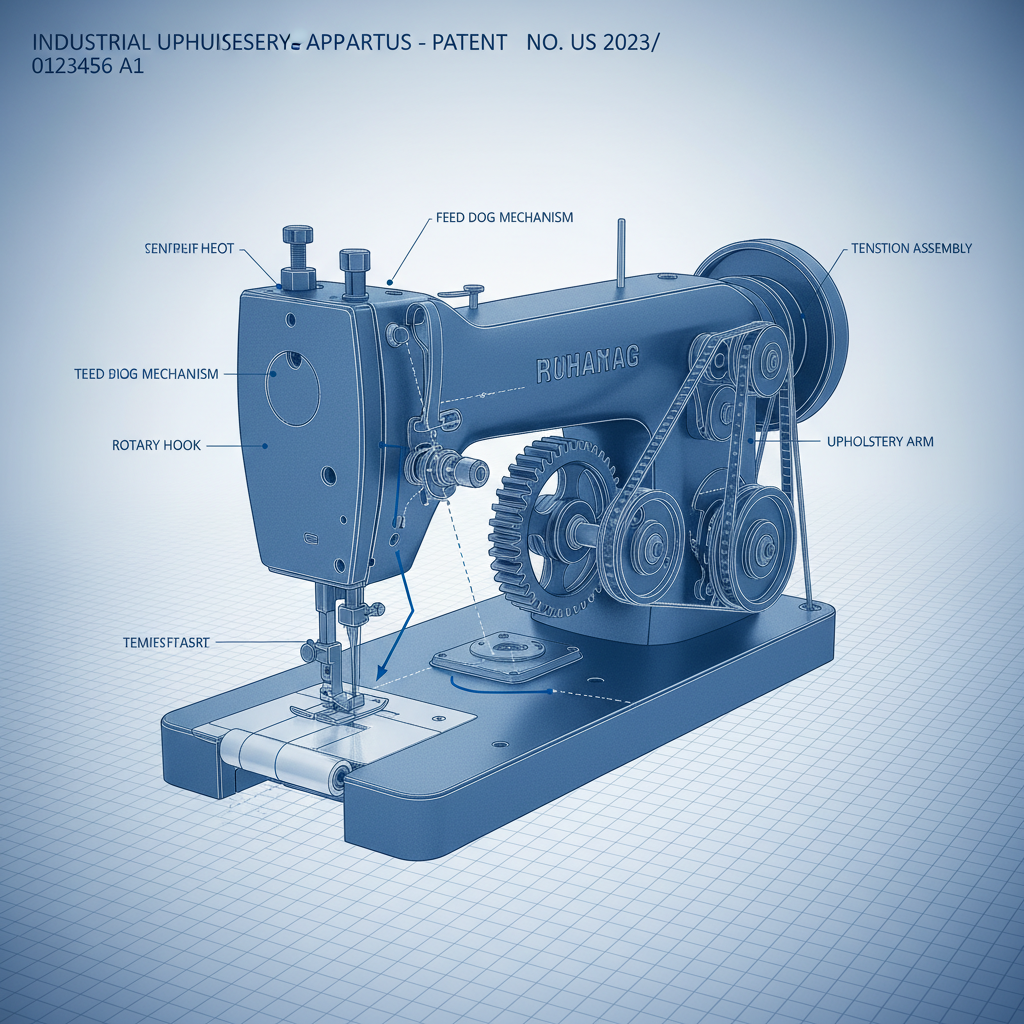
Understanding the Different Types of Sofa Upholstery Sewing Machines
Sofa upholstery demands specialized sewing machines capable of handling thick fabrics, varying textures, and complex designs. Several types cater to these needs. Walk-foot sewing machines are a popular choice, offering consistent feeding of multiple fabric layers. Needle-feed machines are suitable for lighter upholstery and intricate detailing. Cylinder-bed machines excel at sewing curved seams commonly found in sofas and chairs. Finally, post-bed machines are ideal for sewing operations that require more maneuverability. The ideal choice depends on the types of upholstery projects you frequently undertake.
Key Features to Look for in a Sofa Upholstery Sewing Machine
When evaluating machines, several key features should be prioritized. Stitch length adjustment is essential for adapting to different fabric weights and designs. A powerful motor ensures effortless sewing through dense materials. Adjustable presser foot pressure is crucial for preventing fabric slippage and achieving consistent stitch quality. Consider features like automatic needle positioning, built-in thread cutter, and programmable stitching patterns to enhance efficiency. Look for machines with robust construction and durable components to ensure longevity and minimal downtime.
Essential Considerations: A powerful motor, adjustable presser foot pressure, and robust construction are vital for handling the demands of upholstery work.
Comparing Popular Models: Longsew’s Upholstery Sewing Machine Range
Longsew offers a diverse range of upholstery sewing machines tailored to different needs and budgets. Below is a comparison of some popular models:
Factors Influencing Your Choice: Production Volume and Fabric Types
Your production volume and the types of fabrics you work with heavily influence the optimal machine choice. High-volume manufacturers will benefit from robust, high-speed machines like the Longsew LS-990, capable of withstanding continuous operation. If you primarily work with delicate fabrics, a machine with precise control and adjustable presser foot pressure is essential. Consider the thickness and weight of the fabrics – heavier materials require more powerful motors and robust construction. Don't overlook the need for specialized feet for specific fabrics and upholstery techniques.
Maintenance and Support: Ensuring Long-Term Reliability
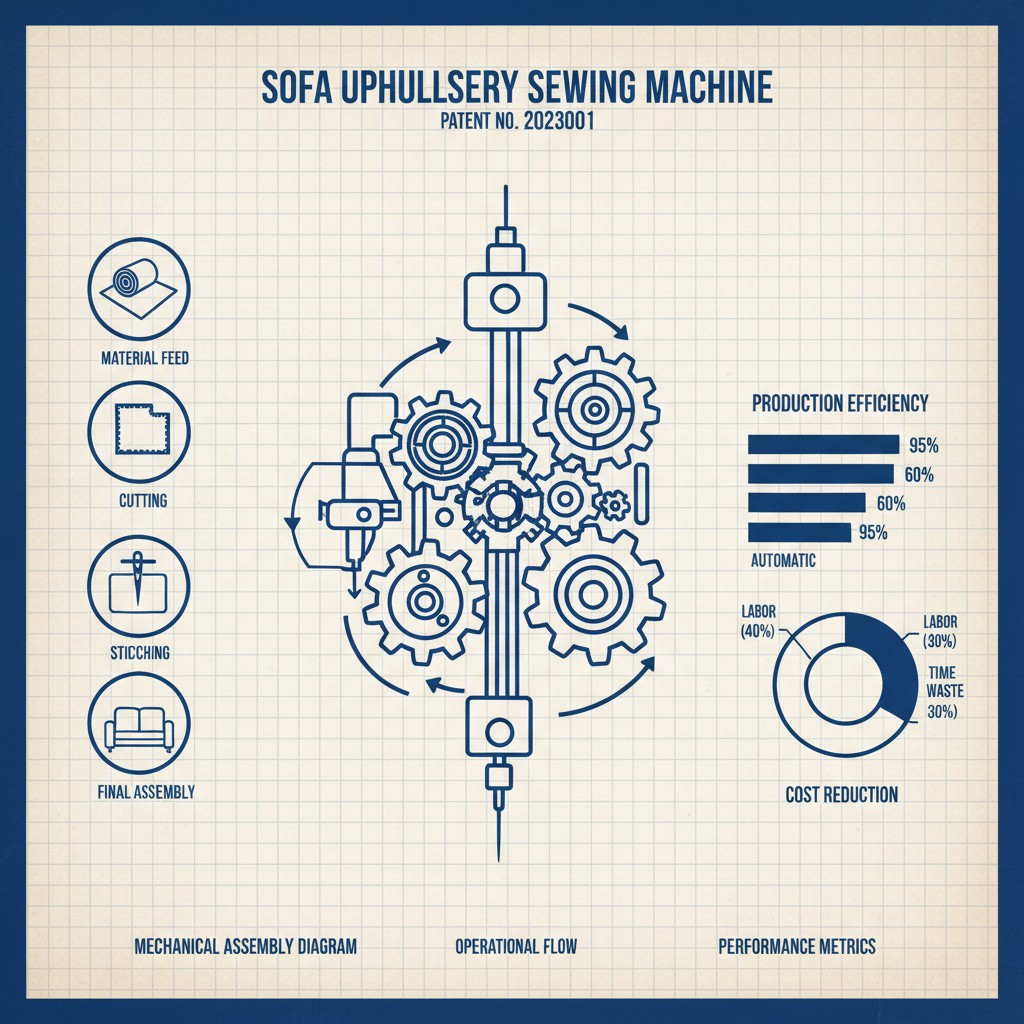
Investing in a sofa upholstery sewing machine is only the first step. Regular maintenance is crucial for ensuring optimal performance and longevity. This includes lubricating moving parts, cleaning lint and debris, and replacing worn-out components. Choose a supplier like Longsew that offers comprehensive support, including readily available spare parts, technical assistance, and maintenance services. A reliable support network minimizes downtime and maximizes your investment.
Conclusion: Invest in Quality for Lasting Results
Selecting the right sofa upholstery sewing machine is a significant investment. By carefully considering your production needs, fabric types, and budget, you can choose a machine that delivers exceptional performance, reliability, and value. Longsew offers a comprehensive range of solutions backed by expert support, ensuring you have the tools you need to succeed in the competitive upholstery market. Don’t compromise on quality – invest in a machine that will last.
Frequently Asked Questions (FAQs)
What needle types are best for upholstery sewing?
The best needle type depends on the fabric. For general upholstery, a size 90/14 or 100/16 needle is a good starting point. Use a ballpoint needle for knit fabrics to prevent snagging. For leather and vinyl, a wedge-point needle is recommended. Always test the needle on a scrap piece of fabric before starting your project to ensure it doesn’t cause damage. Longsew can provide guidance on the optimal needle types for specific fabrics.
How often should I lubricate my upholstery sewing machine?
Lubrication frequency depends on usage. As a general guideline, lubricate the machine before each shift or after every 8 hours of operation. Focus on oiling moving parts like the needle bar, hook, and feed mechanism. Refer to your machine's manual for specific lubrication instructions. Using the correct type of oil is crucial – always use a sewing machine oil designed for industrial machines.
What is the benefit of a walking foot sewing machine for upholstery?
A walking foot sewing machine has a feed dog and a walking foot that work together to move multiple layers of fabric evenly. This is particularly beneficial for upholstery, as it prevents layers from shifting or stretching during sewing, resulting in straighter, more consistent stitches. This is especially important when working with thick or bulky materials like foam and batting.
Where can I find spare parts for Longsew upholstery sewing machines?
Longsew maintains a comprehensive inventory of spare parts for all its machines. You can find spare parts through the Longsew website, or by contacting our customer support team directly. We offer fast shipping and competitive pricing on all spare parts to minimize downtime and keep your production running smoothly.
Latest news
-
Industrial Bag Sewing Machine Price and Comprehensive Buying GuideNewsApr.16,2026
-
Industrial Hand Held Bag Closer for Efficient Packaging SealingNewsApr.16,2026
-
Industrial Hand Held Bag Closer Sewing Machine for PackagingNewsApr.16,2026
-
Efficient Industrial Bag Closer Sewing Machine for PackagingNewsApr.16,2026
-
Industrial Sewing Guide for Choosing the Right Closer MachineNewsApr.16,2026
-
Guide to Capital Bag Closer Machine Price and Buying FactorsNewsApr.16,2026
-
Say goodbye to inefficient cutting! This heavy-duty webbing hot cutting machine redefines the new standard for industrial cuttingNewsApr.14,2026

Hebei LongSew Machinery Technology Co. Ltd is beginning as sewing machine parts supplier, now Longsew have over twenty years experience in complete set sewing machine offering.


CLASSIFICATION
CONTACT US
-

No.368 North Youyi Street, Shijiazhuang City, Hebei Province, China
-

-

Copyright © 2026 HEBEI LONGSEW MACHINERY TECHNOLOGY CO. LTD All Rights Reserved. Sitemap | Privacy Policy | Top Blog | Global Service