

Oct . 01, 2025 11:25
Back to list
Automatic Pattern Sewing Machine: Speed, Precision, CNC?
Inside the FIBC pattern-sewing revolution: LS300-6050 in the real world
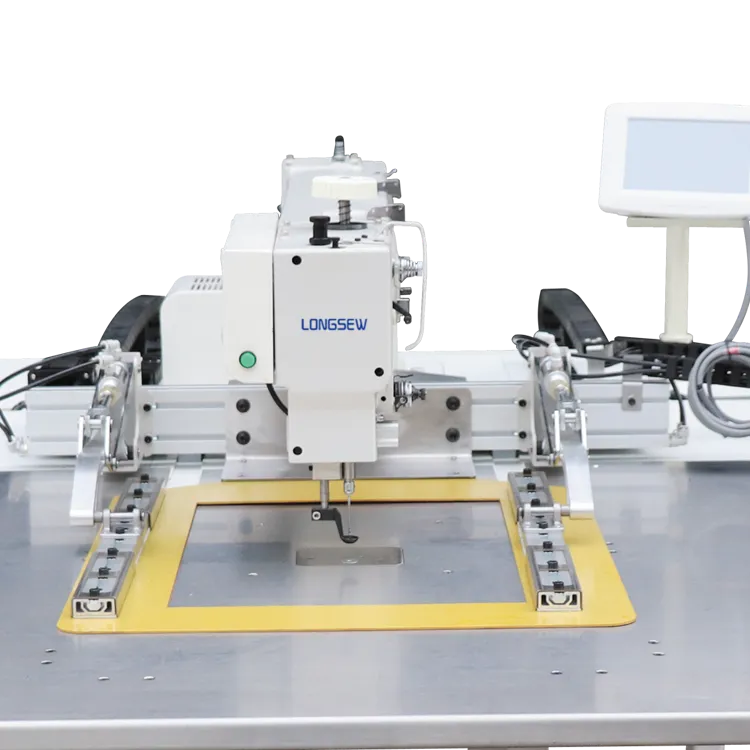
If you’re speccing an automatic pattern sewing machine for bulk-bag loops and load-bearing seams, the name that keeps coming up on factory floors lately is Loopsew LS300‑6050. I’ve watched it run up close—fast, calm, and oddly satisfying—and, to be honest, that 6 times big rotary hook is not just brochure talk. The bobbin stays in the game a lot longer, which matters when you’re stitching thousands of identical patterns a shift.
What’s trending in heavy-duty sewing
Two shifts ago (figuratively), people still relied on manual tacking for FIBC loops. Today, software-driven automatic pattern sewing machine platforms dominate because QC managers want traceable, repeatable stitches—with test reports to match. The LS300 series, built in Shijiazhuang, China (No.368 North Youyi Street, Hebei), leans into that: bigger hook, bigger sewing field, smarter motion control.
Core specifications (field-tested, not just on paper)
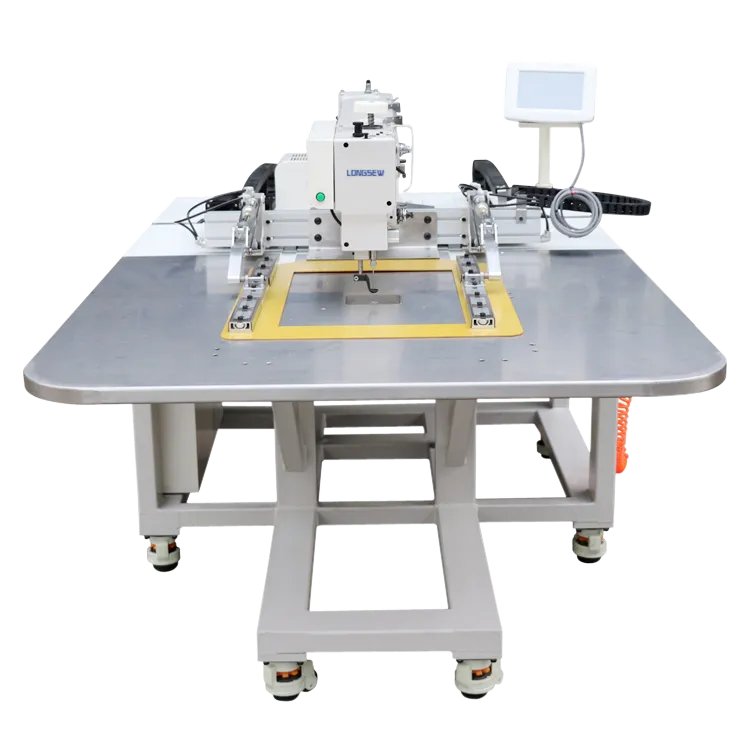
| Product Name | FIBC/Jumbo Bag Automatic Computerized Pattern Sewing Machine, Loopsew LS300‑6050 |
| Sewing Field | ≈ 600 × 500 mm (real-world usable area may vary with jig) |
| Hook & Bobbin | 6 times big rotary hook, high-capacity bobbin (≈6× standard), fewer changes |
| Stitch Length / Speed | 0.1–12.7 mm; up to ≈ 2,000 spm on heavy webbing |
| Needle & Thread | DP×17 200–230; bonded polyester/nylon 20s/3–10s/3 typical |
| Max Material Stack | ≈ 10–12 mm (PP woven + webbing + reinforcements) |
| Drive & Air | AC servo ≈ 750–1,000 W; air 0.5–0.6 MPa for clamp/jig |
| Control | PC/PLC program patterns, USB import, step-by-step teaching |
How factories run it (materials → methods → tests)
- Materials: PP woven fabrics (180–230 gsm), high-tenacity PP/PE webbing 50–70 mm, PE liners for food/chem, bonded poly threads.
- Methods: Box‑X, Delta‑W, or multi-row bar‑tack patterns; clamping jigs ensure zero creep; auto thread trimming to cut cycle time.
- Testing: Seam strength per ISO 13935‑2; FIBC top lift, cyclic, topple and drop per ISO 21898 and, if applicable, UN 13H standards.
- Service life: With routine maintenance (oil, hook timing checks), users report ≈ 15,000–20,000 operating hours between overhauls.
Internal pilot tests on 50 mm PP webbing showed seam strength around 18–22 kN with a Box‑X pattern using 20s/3 polyester thread—comfortably meeting typical SF 5:1 bags, and edging into 6:1 territory after process tuning. Your mileage will vary with fabric finish and needle size.
Where it shines
Chemicals, fertilizers, grains, minerals, even pharma (in clean variants). Operators like the visibility, QC likes the repeatability, and managers—well—they like the throughput. Many customers say downtime from bobbin swaps dropped notably thanks to the big‑hook design.
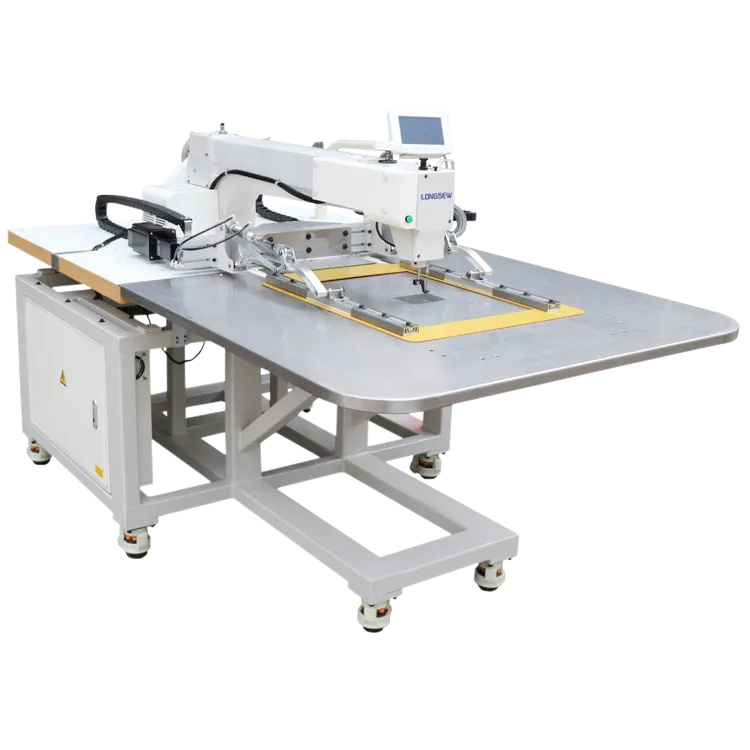
Vendor snapshot: how LS300‑6050 stacks up
| Feature | Longsew LS300‑6050 | Global Brand A | European Brand B |
|---|---|---|---|
| Hook capacity | 6× big rotary hook | Large hook (varies) | Large hook (varies) |
| Sewing field | ≈ 600×500 mm | ≈ 500×400 mm | ≈ 600×400 mm |
| Program import | USB/PC; on‑screen edit | USB; proprietary | USB; network option |
| Typical price band | Value‑leaning for spec | Mid–high | High |
Customization, feedback, and a quick case
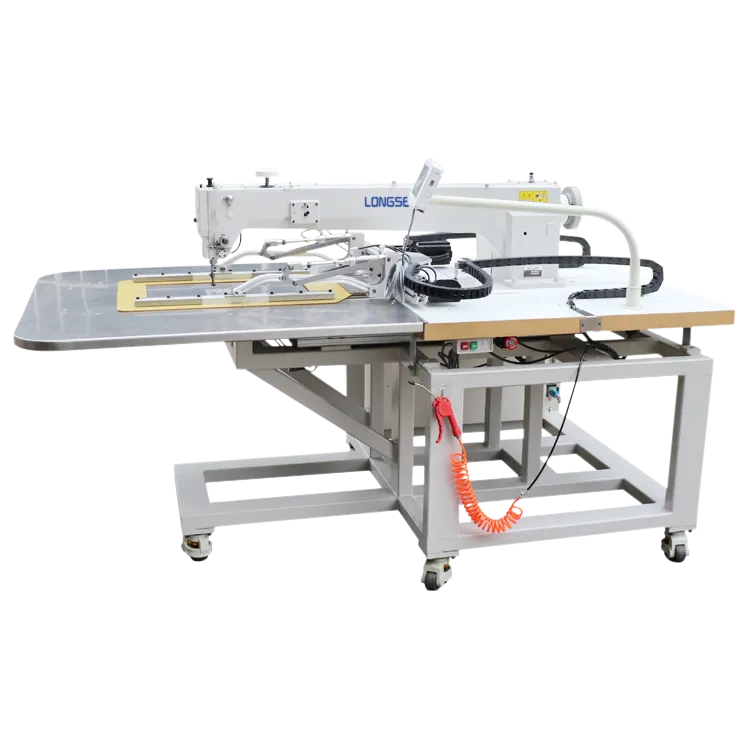
Options include U‑shaped or multi-point clamps, foot‑switch or auto-cycle start, light curtains, and recipe locking for audited lines. One agri‑bulk plant swapped two manual stations for a single automatic pattern sewing machine cell: loop sewing throughput rose ≈ 32%, and defects (missed stitches) dropped beneath 0.4% after three weeks. Not perfect at day one—operator training mattered—but the curve was encouraging.
Compliance notes
Buyers typically request CE (Machinery Directive), electrical safety per IEC 60204‑1, and factory ISO 9001. For FIBC outputs, align with ISO 21898 and, where relevant, UN model regs for 13H series bulk bags. QA teams often log seam tests per ISO 13935‑2 and maintain traceable patterns in the machine’s audit trail.
Bottom line
The LS300‑6050 won’t sew your brand story, but it will sew your loops—consistently. The big‑hook, big‑field combo hits a sweet spot for jumbo bags. And yes, it looks good on a line tour, which never hurts.
- ISO 21898: Packaging — Flexible intermediate bulk container111s (FIBCs).
- United Nations Model Regulations on the Transport of Dangerous Goods (UN 13H FIBC guidance).
- IEC 60204‑1: Safety of machinery — Electrical equipment of machines.
- ISO 13935‑2: Textiles — Seam tensile properties — Grab method.
- EN ISO 12100: Safety of machinery — General principles for design.
Latest news
-
Industrial Bag Sewing Machine Price and Comprehensive Buying GuideNewsApr.16,2026
-
Industrial Hand Held Bag Closer for Efficient Packaging SealingNewsApr.16,2026
-
Industrial Hand Held Bag Closer Sewing Machine for PackagingNewsApr.16,2026
-
Efficient Industrial Bag Closer Sewing Machine for PackagingNewsApr.16,2026
-
Industrial Sewing Guide for Choosing the Right Closer MachineNewsApr.16,2026
-
Guide to Capital Bag Closer Machine Price and Buying FactorsNewsApr.16,2026
-
Say goodbye to inefficient cutting! This heavy-duty webbing hot cutting machine redefines the new standard for industrial cuttingNewsApr.14,2026

Hebei LongSew Machinery Technology Co. Ltd is beginning as sewing machine parts supplier, now Longsew have over twenty years experience in complete set sewing machine offering.


CLASSIFICATION
CONTACT US
-

No.368 North Youyi Street, Shijiazhuang City, Hebei Province, China
-

-

Copyright © 2026 HEBEI LONGSEW MACHINERY TECHNOLOGY CO. LTD All Rights Reserved. Sitemap | Privacy Policy | Top Blog | Global Service