

Mar . 14, 2026 02:05
Back to list
What Does a Overlocker Sewing Machine Do A Comprehensive Guide
What Does an Overlocker Sewing Machine Do?
The world of sewing machines can be vast and sometimes daunting. While a regular sewing machine is essential for many projects, an overlocker sewing machine, also known as a serger, offers a different, incredibly useful skillset. But what exactly does an overlocker do? Simply put, it finishes the edges of fabric neatly and professionally, preventing fraying and creating a durable, polished look. This article will dive deep into the capabilities of an overlocker, its benefits, and how it differs from a standard sewing machine. It’s a game-changer for garment making and more.
Understanding the Core Function of an Overlocker
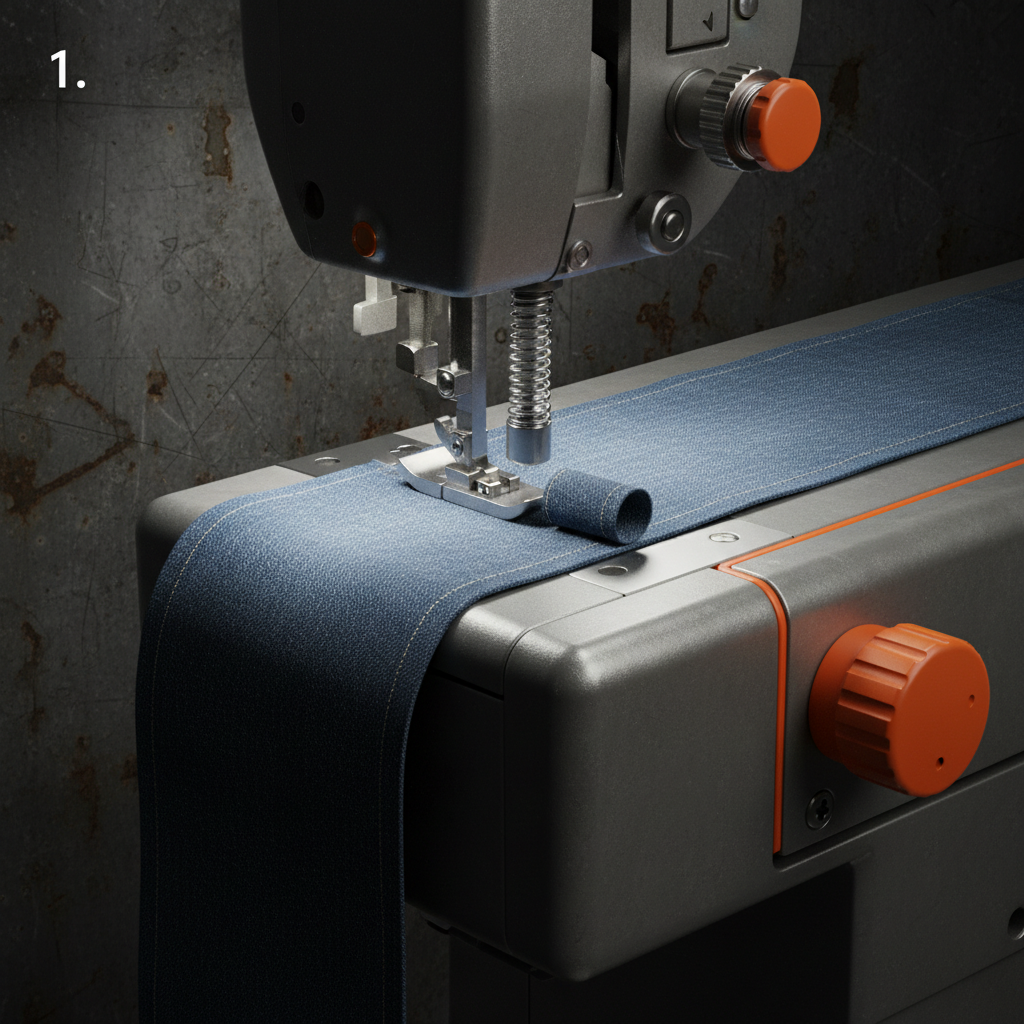
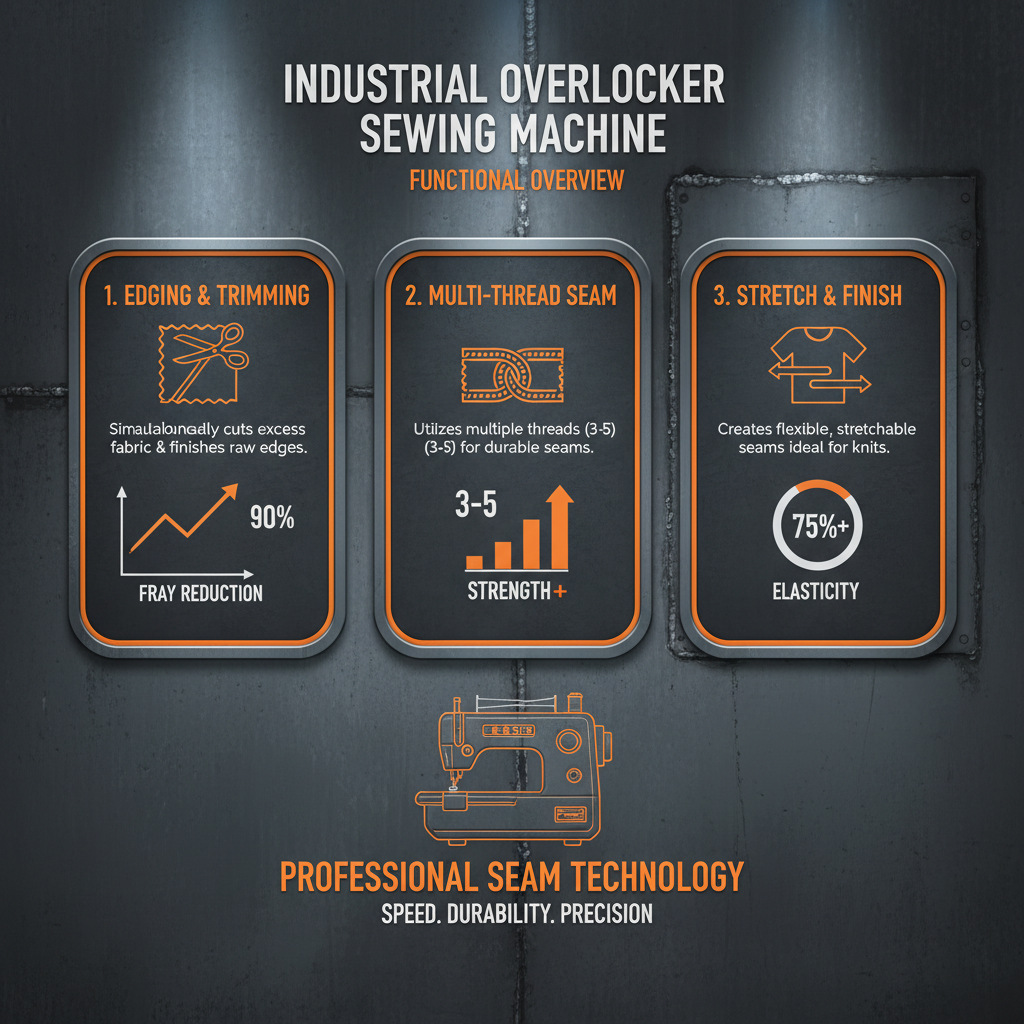
The primary function of an overlocker is to create a professional-looking edge finish. Unlike a regular sewing machine which sews fabrics together, an overlocker simultaneously sews a seam, trims the excess fabric, and encases the raw edge within threads. This prevents the fabric from unraveling, which is particularly crucial for knit fabrics that are prone to fraying. This is done with multiple threads – typically 3, 4, or 5 – which loop around the edge of the fabric, securing it. The result is a clean, durable seam that’s ready for further processing or wear. For anyone serious about garment construction, an overlocker is virtually indispensable. You can explore a diverse range of overlock machines at Longsew to find the perfect fit for your needs.
Key Benefit: An overlocker delivers a professional finish, significantly improving the appearance and longevity of sewn items.
What Can an Overlocker Do? Beyond Basic Edge Finishing
While edge finishing is its hallmark, a modern overlocker can accomplish much more. Many models can create decorative edges, rolled hems, flatlock seams (popular in athletic wear), and even perform differential feed – a technique for controlling fabric stretch and preventing puckering in delicate or stretchy materials. Differential feed is a particularly powerful feature, as it allows you to sew fabrics like lycra and knits with ease. Different overlockers also offer various stitch widths and thread configurations, allowing for creative flexibility. From simple seam finishing to advanced techniques, an overlocker offers a wide range of possibilities.
Overlocker Capabilities:
• Edge Finishing (preventing fraying)
• Decorative Edging
• Rolled Hems
• Flatlock Seams
• Differential Feed
Overlocker vs. Sewing Machine: A Side-by-Side Comparison
Many beginners wonder how an overlocker differs from a standard sewing machine. While both are used for sewing, they excel at different tasks. A sewing machine is excellent for joining fabric pieces together, creating topstitching, and a variety of decorative stitches. An overlocker, on the other hand, specializes in finishing raw edges and creating durable seams. A sewing machine can finish edges with zigzag stitches, but it's slower and the result isn't as professional or durable as an overlocked edge. The speed and efficiency of an overlocker make it a worthwhile investment for those who sew frequently.
Choosing the Right Overlocker: What to Consider
With so many overlockers available, choosing the right one can feel overwhelming. Consider your sewing needs. Are you primarily working with knits? Then differential feed is essential. Do you need a variety of stitch options? Look for a model with adjustable stitch width and length. Budget is also a key factor, as prices can vary significantly. The number of threads the overlocker handles (3, 4, or 5) also influences its capabilities. Longsew offers a comprehensive selection of overlockers to suit every skill level and budget.
Conclusion: Enhance Your Sewing with an Overlocker
An overlocker sewing machine is a powerful tool that can significantly elevate the quality and efficiency of your sewing projects. From creating professional-looking edge finishes to tackling challenging fabrics, an overlocker unlocks a world of creative possibilities. If you're serious about sewing, particularly garment construction, investing in an overlocker is a decision you won’t regret. Explore the range of high-quality overlock machines at Longsew and take your sewing to the next level.
Frequently Asked Questions (FAQs)
What type of fabric is best suited for an overlocker?
While an overlocker can handle many fabric types, it truly shines with knit fabrics like jersey, lycra, and fleece. These fabrics tend to fray easily, and the overlocker's ability to simultaneously trim, sew, and enclose the edge is ideal. It also works beautifully with woven fabrics, especially lightweight ones, providing a clean and durable finish. The differential feed feature is particularly helpful in preventing puckering when sewing stretch fabrics.
How often should I oil my overlocker?
Regular oiling is crucial for maintaining the smooth operation of your overlocker. The frequency depends on usage, but generally, oiling after every 8 hours of use is recommended. Refer to your overlocker's manual for specific oiling instructions, as different models may have different requirements. Using the correct type of oil is also important – sewing machine oil is specifically designed for these machines. Neglecting oiling can lead to increased friction, skipped stitches, and eventually, damage to the machine.
Can an overlocker replace a sewing machine?
No, an overlocker cannot completely replace a sewing machine. While an overlocker excels at edge finishing and certain seam types, it's not designed for tasks like creating buttonholes, sewing zippers, or performing intricate decorative stitches. A sewing machine is essential for the foundational work of assembling garments and other projects. They are best used together – the sewing machine for construction, and the overlocker for professional finishing.
What is differential feed and why is it important?
Differential feed refers to the ability of the overlocker to feed different layers of fabric at different rates. This is incredibly important when working with stretchy fabrics, as it prevents them from stretching out or puckering during sewing. By adjusting the differential feed setting, you can ensure that the seams lay flat and maintain their shape. It’s a key feature for achieving professional results with knit and delicate fabrics.
Latest news
-
Industrial Bag Sewing Machine Price and Comprehensive Buying GuideNewsApr.16,2026
-
Industrial Hand Held Bag Closer for Efficient Packaging SealingNewsApr.16,2026
-
Industrial Hand Held Bag Closer Sewing Machine for PackagingNewsApr.16,2026
-
Efficient Industrial Bag Closer Sewing Machine for PackagingNewsApr.16,2026
-
Industrial Sewing Guide for Choosing the Right Closer MachineNewsApr.16,2026
-
Guide to Capital Bag Closer Machine Price and Buying FactorsNewsApr.16,2026
-
Say goodbye to inefficient cutting! This heavy-duty webbing hot cutting machine redefines the new standard for industrial cuttingNewsApr.14,2026

Hebei LongSew Machinery Technology Co. Ltd is beginning as sewing machine parts supplier, now Longsew have over twenty years experience in complete set sewing machine offering.


CLASSIFICATION
CONTACT US
-

No.368 North Youyi Street, Shijiazhuang City, Hebei Province, China
-

-

Copyright © 2026 HEBEI LONGSEW MACHINERY TECHNOLOGY CO. LTD All Rights Reserved. Sitemap | Privacy Policy | Top Blog | Global Service