

Feb . 28, 2026 02:05
Back to list
Mastering the Zigzag Stitch on Your Singer Heavy Duty Sewing Machine
Singer Heavy Duty Sewing Machine: Mastering the Zigzag Stitch
The Singer Heavy Duty sewing machines are renowned for their power and versatility. A key feature that unlocks a wide range of sewing possibilities is the zigzag stitch. This article delves into the intricacies of the zigzag stitch on Singer Heavy Duty machines, exploring its applications, adjustments, and troubleshooting tips. Whether you’re a seasoned seamster or a beginner, understanding this versatile stitch will enhance your sewing projects. It’s a vital technique for both functional and decorative sewing, offering solutions beyond a simple straight stitch.
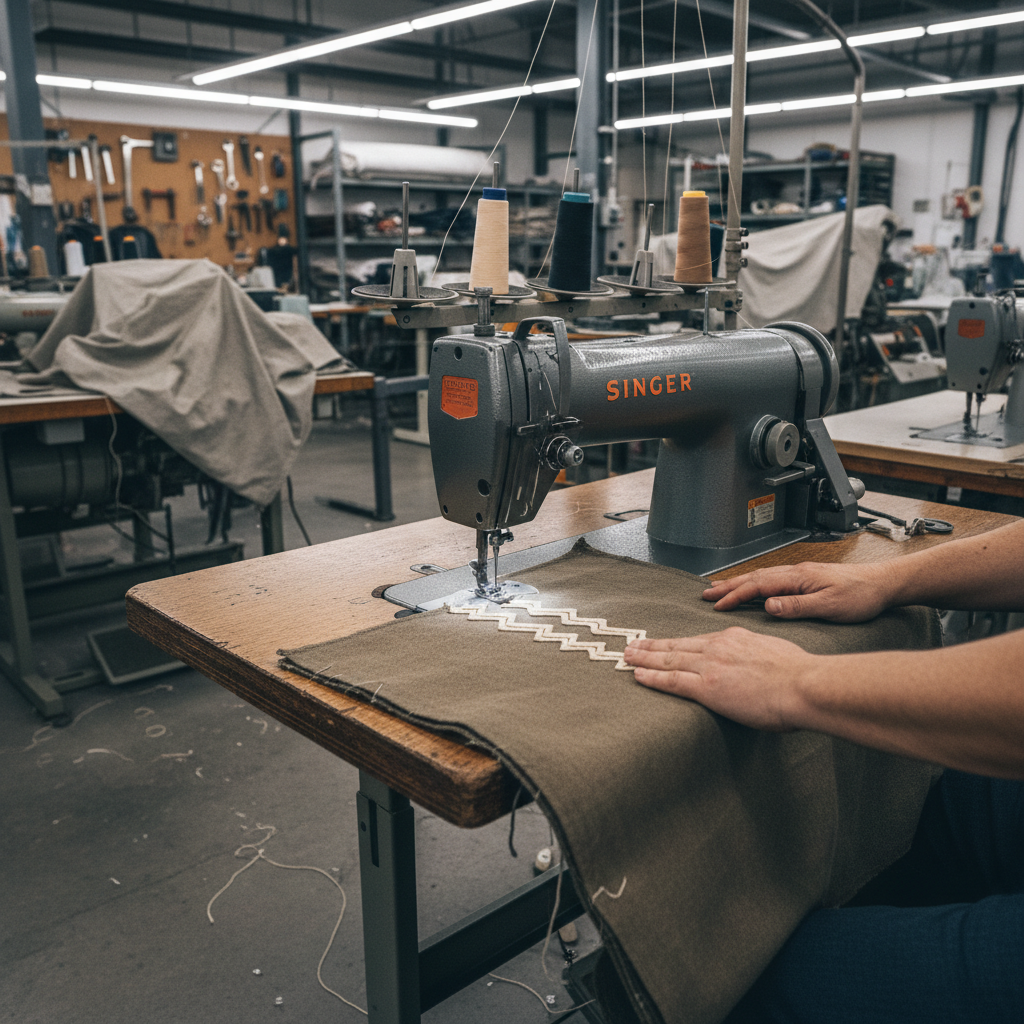
What is the Zigzag Stitch and Why Use It?
The zigzag stitch isn’t simply an alternative to a straight stitch; it’s a distinct tool with unique benefits. It’s characterized by its back-and-forth pattern, creating a stitch that moves across the fabric rather than solely along it. This characteristic makes it ideal for finishing raw edges to prevent fraying, sewing stretch fabrics, and applying decorative embellishments. It provides a degree of elasticity that a straight stitch can’t match. Furthermore, the zigzag stitch is crucial for creating buttonholes and attaching elastic, tasks where flexibility and durability are essential. Mastering the zigzag stitch on your Singer Heavy Duty machine opens up a world of creative possibilities.
Key Benefits: Prevents fabric fraying, allows for stretching and elastic fabrics, essential for buttonholes and elastic attachment, enables decorative sewing.
Adjusting the Zigzag Stitch on Your Singer Heavy Duty Machine
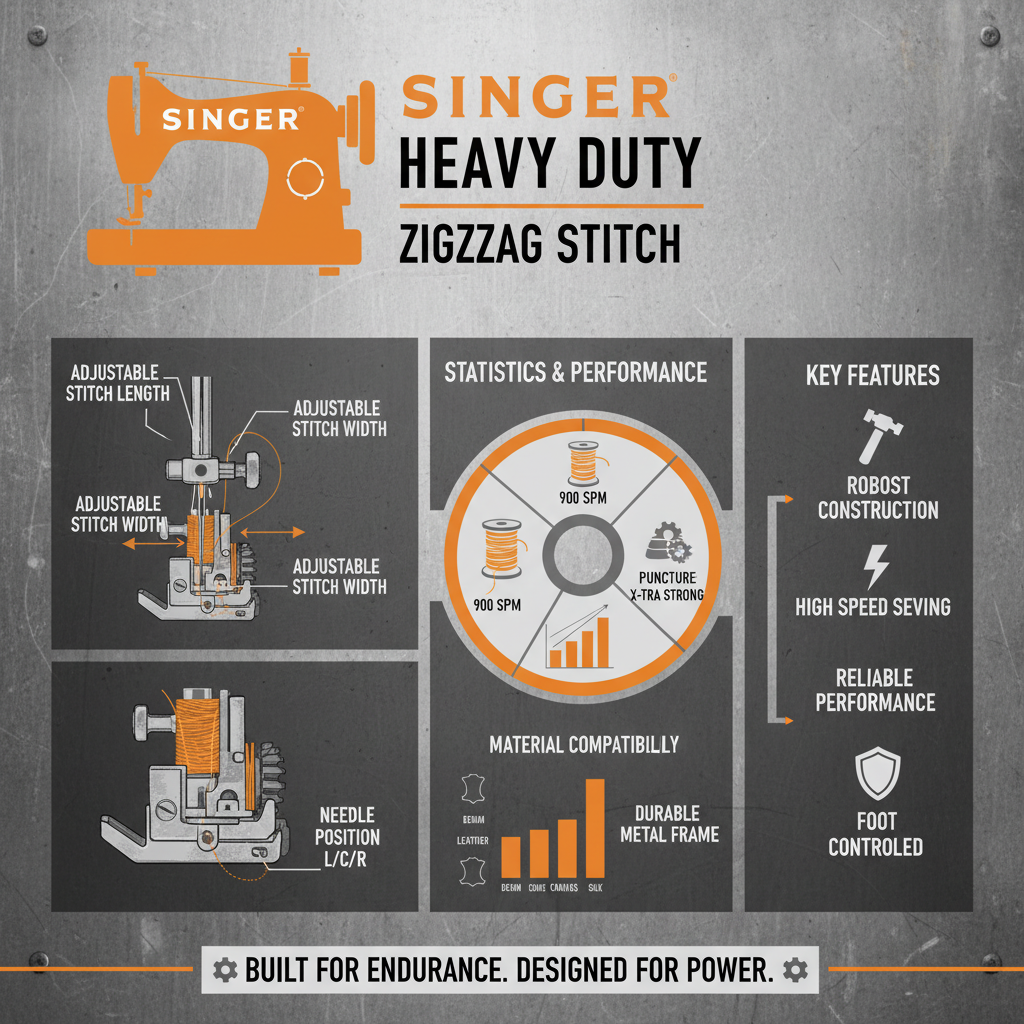
Singer Heavy Duty machines offer adjustable zigzag stitch settings, allowing you to customize the stitch width and length. The stitch width controls how far the needle moves from side to side, while the stitch length determines the distance between each stitch. A wider zigzag is perfect for finishing raw edges or securing stretch fabrics, while a narrower zigzag is better suited for decorative stitching. A shorter stitch length provides greater density and strength, ideal for heavier fabrics, while a longer stitch length is suitable for lighter materials. Refer to your machine's manual for specific instructions on adjusting these settings, as the location of the dials or buttons may vary between models. The Singer Heavy Duty machines typically have a clear guide on the machine itself.
Understanding Stitch Settings:
• Stitch Width: Controls the side-to-side distance of the needle.
• Stitch Length: Controls the distance between each stitch.
• Wider Stitch: For raw edges and stretch fabrics.
• Narrower Stitch: For decorative applications.
Singer Heavy Duty Zigzag Stitch: Applications and Uses
The versatility of the zigzag stitch makes it suitable for a wide array of sewing projects. From simple tasks like finishing seams to more complex applications like creating decorative motifs, its capabilities are extensive. Consider using a zigzag stitch to: secure lace to fabric, create stretchable seams in knitwear, repair torn fabric, and create decorative embellishments. The Singer Heavy Duty machines are particularly well-suited for these tasks due to their robust construction and consistent stitch quality. The power of the machine means it can handle thicker fabrics and multiple layers with ease when using a zigzag stitch.
Troubleshooting Zigzag Stitch Issues
Occasionally, you may encounter issues with the zigzag stitch on your Singer Heavy Duty machine. Common problems include skipped stitches, uneven stitching, or thread breakage. Ensure the needle is correctly inserted and is the appropriate type for your fabric. Check the upper thread tension and bobbin tension; incorrect tension can lead to skipped stitches. Clean the bobbin area regularly to remove lint and debris, as this can interfere with the stitching process. If the problem persists, consult your machine's manual or contact Longsew’s customer support for assistance.
Final Thoughts on the Singer Heavy Duty Zigzag Stitch
The zigzag stitch is a cornerstone of sewing versatility, and the Singer Heavy Duty sewing machine provides the power and precision to execute it flawlessly. By understanding its applications, adjusting the settings correctly, and troubleshooting common issues, you can unlock a wealth of creative possibilities. Don’t be afraid to experiment with different stitch widths and lengths to discover the unique effects you can achieve. With practice and a little patience, you’ll become a master of the zigzag stitch and elevate your sewing projects to the next level.
Conclusion
The Singer Heavy Duty machines are known for their robustness and reliability. Mastering the zigzag stitch on these machines opens a range of possibilities for both beginners and experienced sewists. Understanding its versatility and proper adjustments will significantly enhance your sewing projects.
Frequently Asked Questions (FAQs)
What type of needle is best for zigzag stitching?
The best needle for zigzag stitching depends on the fabric. For woven fabrics, a universal needle is typically suitable. For knit fabrics, a ballpoint or stretch needle is recommended to avoid damaging the fibers. The needle size should also be appropriate for the fabric weight; lighter fabrics require finer needles, while heavier fabrics require larger needles. Always refer to your machine's manual for specific needle recommendations. Using the correct needle will result in smoother, more consistent zigzag stitches and prevent skipped stitches or thread breakage.
What is the ideal tension setting for a zigzag stitch?
The ideal tension setting for a zigzag stitch is dependent on the fabric and thread used. A general starting point is to use the standard tension settings recommended in your machine's manual. However, you may need to adjust the upper thread tension slightly to achieve a balanced stitch. If the bobbin thread is visible on the top of the fabric, increase the upper thread tension. If the upper thread is visible on the underside, decrease the upper thread tension. Testing on a scrap piece of fabric is essential to find the optimal tension setting for your specific project.
How do I prevent puckering when zigzag stitching stretch fabrics?
Puckering when zigzag stitching stretch fabrics is often caused by the fabric stretching as it feeds through the machine. To prevent this, use a walking foot or a specialized stretch stitch plate. Reduce the presser foot pressure if possible. It's also important to use a stretch needle and a slightly longer stitch length. Avoid pulling the fabric as you sew, allowing the feed dogs to do the work. Stabilizing the fabric with a fusible interfacing can also help prevent puckering.
Can I use the zigzag stitch for appliqué?
Yes, the zigzag stitch is excellent for appliqué! A narrow zigzag stitch is often used to secure the edges of the appliqué piece to the base fabric. A satin stitch (which is a very dense zigzag) can also be used for a more decorative finish. Using a stabilizer on the back of the appliqué piece can help prevent distortion during stitching. Experiment with different stitch widths and lengths to find the look that best suits your project.
Latest news
-
Industrial Bag Sewing Machine Price and Comprehensive Buying GuideNewsApr.16,2026
-
Industrial Hand Held Bag Closer for Efficient Packaging SealingNewsApr.16,2026
-
Industrial Hand Held Bag Closer Sewing Machine for PackagingNewsApr.16,2026
-
Efficient Industrial Bag Closer Sewing Machine for PackagingNewsApr.16,2026
-
Industrial Sewing Guide for Choosing the Right Closer MachineNewsApr.16,2026
-
Guide to Capital Bag Closer Machine Price and Buying FactorsNewsApr.16,2026
-
Say goodbye to inefficient cutting! This heavy-duty webbing hot cutting machine redefines the new standard for industrial cuttingNewsApr.14,2026

Hebei LongSew Machinery Technology Co. Ltd is beginning as sewing machine parts supplier, now Longsew have over twenty years experience in complete set sewing machine offering.


CLASSIFICATION
CONTACT US
-

No.368 North Youyi Street, Shijiazhuang City, Hebei Province, China
-

-

Copyright © 2026 HEBEI LONGSEW MACHINERY TECHNOLOGY CO. LTD All Rights Reserved. Sitemap | Privacy Policy | Top Blog | Global Service