

Mar . 03, 2026 18:15
Back to list
Choosing the Right Harness Sewing Machine for Safety and Efficiency
Choosing the Right Harness Sewing Machine for Your Business
Selecting the correct harness sewing machine is critical for businesses producing safety harnesses, webbing products, or specialized equipment. The right machine can dramatically improve efficiency, product quality, and overall profitability. This article provides a comprehensive guide to understanding different types of harness sewing machines, their applications, and factors to consider when making a purchase. We'll explore key features, benefits, and how to choose a machine that aligns with your specific manufacturing needs. Investing in the right machine will ensure your operation stays competitive and delivers high-quality products consistently.
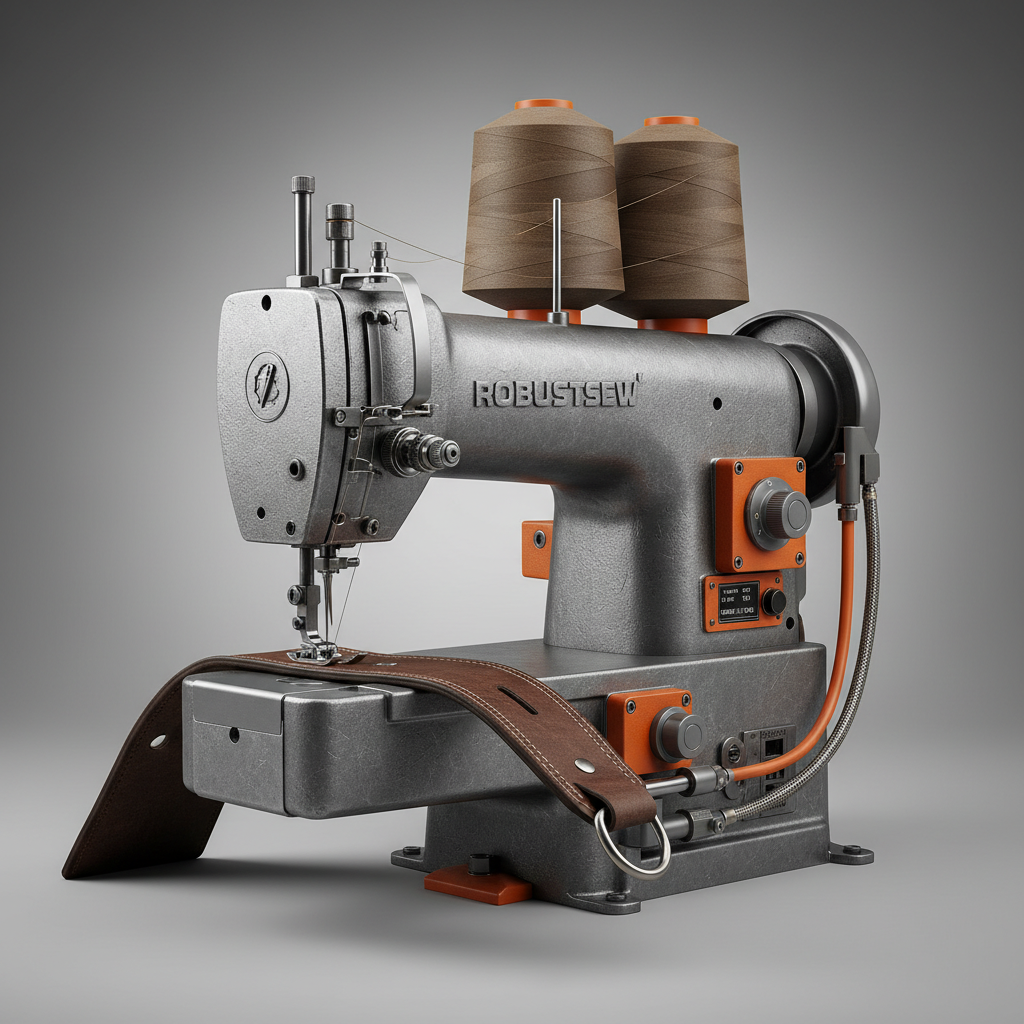
Understanding the Different Types of Harness Sewing Machines
Several types of sewing machines are suitable for harness construction, each with unique strengths and applications. Cylinder bed machines are the most common, ideal for sewing tubular webbing and creating consistent stitches around curves. Flatbed machines offer versatility for broader applications, while post-bed machines excel in handling bulky materials and multiple layers. Walking foot machines are favored for their ability to feed thick fabrics evenly, minimizing slippage. Longsew offers a wide selection of these machine types, tailored to various harness manufacturing requirements. The ideal choice depends on the type of harness you are producing, the materials used, and the volume of production.
Key Considerations: The type of harness being constructed, the materials being used, and the production volume will all influence the choice of sewing machine.
Key Features to Look for in a Harness Sewing Machine
When evaluating harness sewing machines, prioritize features that enhance precision, durability, and efficiency. Look for machines with automatic lubrication systems to minimize maintenance and ensure smooth operation. Variable speed control allows for adjustments based on material thickness and stitching complexity. A large working area is essential for handling bulky harnesses. Needle positioning options can provide greater control during intricate sewing. Robust construction and high-quality components are crucial for long-term reliability. Longsew’s machines incorporate these features to deliver superior performance.
Essential Features:
• Automatic Lubrication
• Variable Speed Control
• Large Working Area
• Robust Construction
Cylinder Bed vs. Flatbed Machines: A Comparative Analysis
Understanding the differences between cylinder bed and flatbed harness sewing machines is crucial for making the right choice. Cylinder bed machines feature a circular needle bed, making them ideal for sewing tubes and cylindrical shapes like webbing. Flatbed machines have a flat surface, offering greater versatility for different materials and applications. Each type has its advantages and limitations, and the best choice depends on the specific requirements of your production process.
Longsew’s Range of Harness Sewing Machines
Longsew provides a comprehensive selection of harness sewing machines designed for various applications. Our product line includes cylinder bed machines for precise webbing stitching, flatbed machines for versatile material handling, and specialized models for heavy-duty harness construction. We prioritize quality and durability, ensuring our machines meet the demands of industrial production. All machines undergo rigorous testing to ensure optimal performance and reliability.
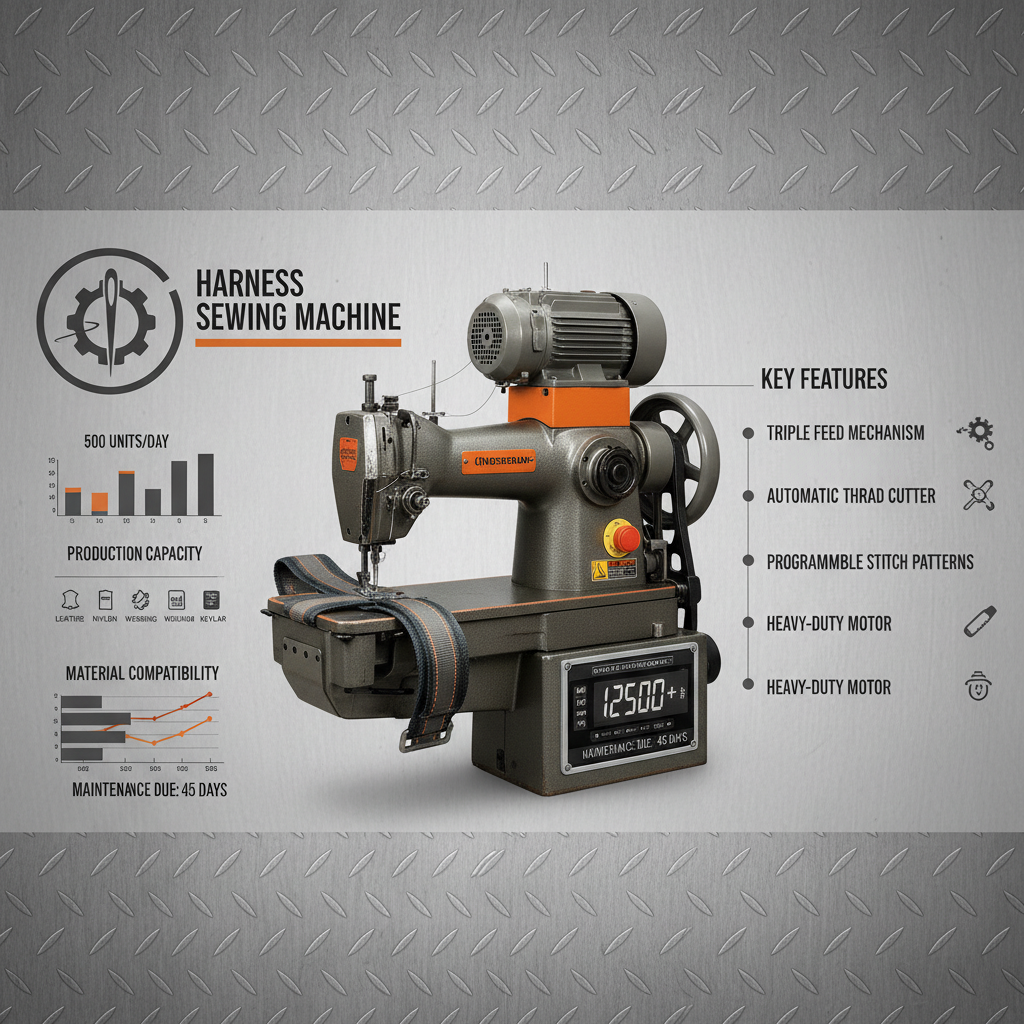
Choosing the Right Machine: A Step-by-Step Guide
Selecting the ideal harness sewing machine requires careful consideration. First, analyze your production needs: what type of harnesses will you be producing? What materials will you be using? What is your expected production volume? Next, identify the key features that are most important to your operation. Finally, research different machine options and compare their specifications. Longsew's experienced team can provide guidance and support throughout the selection process.
Conclusion: Investing in Quality for Long-Term Success
Investing in a high-quality harness sewing machine from Longsew is a strategic decision that can significantly enhance your manufacturing capabilities. With a focus on durability, precision, and efficiency, our machines are designed to deliver long-term value. Don't compromise on quality – choose Longsew for reliable performance and superior results.
Frequently Asked Questions (FAQs)
What type of maintenance is required for a harness sewing machine?
Regular maintenance is essential for ensuring optimal performance and longevity. This includes daily lubrication of moving parts, cleaning to remove debris, and periodic inspection for wear and tear. It’s crucial to follow the manufacturer's recommendations for specific maintenance schedules and procedures. Replacing needles and bobbins as needed is also important. Longsew provides comprehensive maintenance guides and support for all our machines.
What materials can a Longsew harness sewing machine handle?
Longsew machines are designed to handle a wide range of materials commonly used in harness construction, including nylon webbing, polyester webbing, polypropylene webbing, and various types of fabrics. The specific material compatibility depends on the machine model and needle type. We offer machines equipped with features like walking feet and adjustable presser feet to accommodate different material thicknesses and textures.
What is the typical lead time for ordering a machine from Longsew?
Lead times vary depending on the machine model and current production schedule. Typically, standard machines are available for shipment within 2-4 weeks. Customized machines or those with specific configurations may require a longer lead time. Our sales team will provide an accurate estimate upon receiving your order. We strive to deliver machines as quickly as possible without compromising on quality.
Latest news
-
Industrial Bag Sewing Machine Price and Comprehensive Buying GuideNewsApr.16,2026
-
Industrial Hand Held Bag Closer for Efficient Packaging SealingNewsApr.16,2026
-
Industrial Hand Held Bag Closer Sewing Machine for PackagingNewsApr.16,2026
-
Efficient Industrial Bag Closer Sewing Machine for PackagingNewsApr.16,2026
-
Industrial Sewing Guide for Choosing the Right Closer MachineNewsApr.16,2026
-
Guide to Capital Bag Closer Machine Price and Buying FactorsNewsApr.16,2026
-
Say goodbye to inefficient cutting! This heavy-duty webbing hot cutting machine redefines the new standard for industrial cuttingNewsApr.14,2026

Hebei LongSew Machinery Technology Co. Ltd is beginning as sewing machine parts supplier, now Longsew have over twenty years experience in complete set sewing machine offering.


CLASSIFICATION
CONTACT US
-

No.368 North Youyi Street, Shijiazhuang City, Hebei Province, China
-

-

Copyright © 2026 HEBEI LONGSEW MACHINERY TECHNOLOGY CO. LTD All Rights Reserved. Sitemap | Privacy Policy | Top Blog | Global Service