

Mar . 14, 2026 02:05
Back to list
Understanding What Does an Overlock Stitch Look Like A Comprehensive Guide
What Does an Overlock Stitch Look Like? A Comprehensive Guide
The overlock stitch, also known as the serger stitch, is a crucial technique in garment construction and textile finishing. It creates a professional-looking edge that prevents fabric from fraying and adds a clean finish. Understanding Longsew's overlock capabilities and what the stitch looks like is fundamental for anyone involved in sewing, from hobbyists to large-scale manufacturers. This article will detail the appearance of an overlock stitch, its benefits, variations, and how it differs from other seam finishes. Let's explore this essential sewing technique in detail.
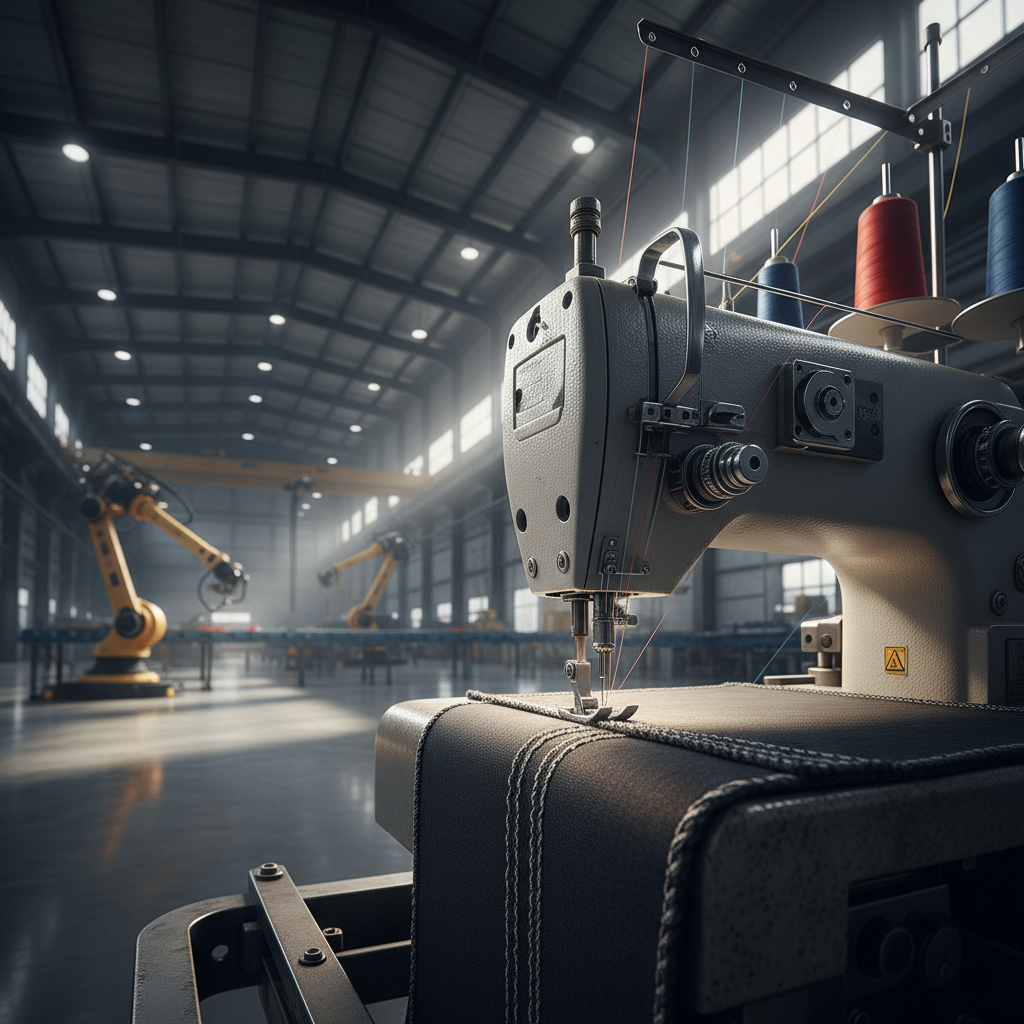
The Visual Characteristics of an Overlock Stitch
An overlock stitch is instantly recognizable by its looped, interwoven appearance. It encases the raw edge of the fabric with multiple threads simultaneously, creating a neat and durable finish. Typically, it looks like a row of tight, interlocking loops running along the fabric edge. The number of threads used (usually 3, 4, or 5) affects the density and appearance of the stitch. A 4-thread overlock is commonly used for general seam finishing, while a 3-thread overlock is suitable for lighter fabrics. The stitch effectively seals the fabric edge, preventing unraveling during washing and wear. This is a significant advantage over simpler finishing methods.
Key Highlights: The overlock stitch creates a secure, clean, and professional finish by encasing the fabric edge with interlocking loops.
Different Types of Overlock Stitches & Their Appearance
While the core principle remains the same, variations in overlock stitching produce different looks and serve diverse purposes. The type of needle, thread, and stitch length all contribute to the final result. Here’s a breakdown of common overlock stitch types:
Overlock vs. Other Seam Finishes
While various seam finishes exist, the overlock stitch offers distinct advantages. A zigzag stitch, for example, can prevent fraying, but doesn't provide the same clean, professional appearance or durability. A serged edge is far more robust than a simple turned-under hem. Here’s a quick comparison:
Comparison Table:
• Overlock: Clean, durable, prevents fraying, professional appearance.
• Zigzag Stitch: Prevents fraying, but less durable and visually appealing.
• Turned Under Hem: Clean finish, but requires more fabric and time.
What does an overlock stitch look like – in Detail?
Looking closely, you’ll see the overlock stitch isn't just a single line of thread. It's a wrapping of threads around the fabric edge. This creates a secure, resilient seam. The looper threads interlock with each other and the edge of the fabric, effectively sealing it. A properly executed overlock stitch will be consistent in tension and width, with no loose threads or skipped stitches. Longsew’s industrial overlock machines are designed for precision and consistency, ensuring a high-quality finish every time.
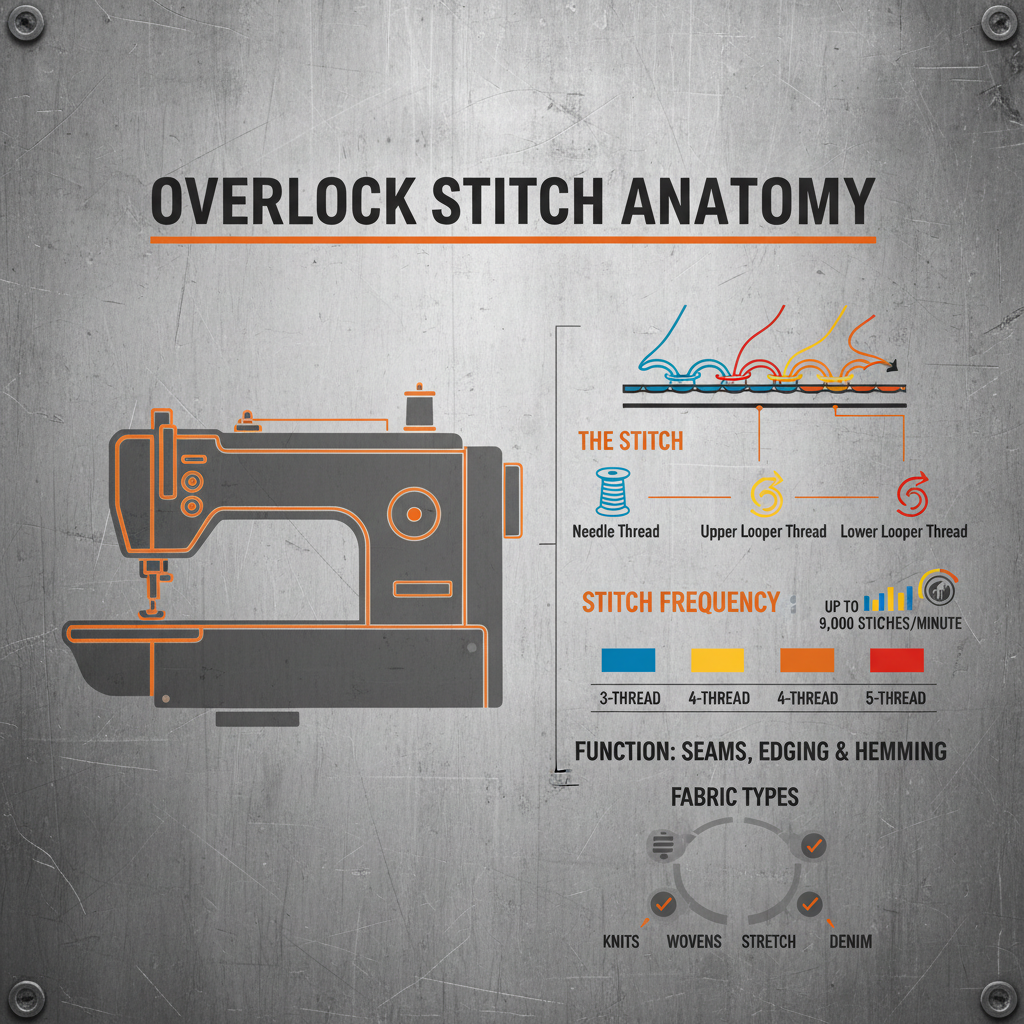
Applications of the Overlock Stitch
The overlock stitch is used extensively in various sewing applications, including garment manufacturing, quilting, and crafting. It's ideal for finishing seams on t-shirts, dresses, pants, and sportswear. It's also frequently used to create rolled hems on lightweight fabrics. Additionally, it can be used for decorative purposes, such as creating edging on scarves or blankets. The versatility and durability of the overlock stitch make it an indispensable technique for both home sewers and professional manufacturers.
Conclusion: Mastering the Overlock Stitch
Understanding what an overlock stitch looks like and its diverse applications is crucial for anyone involved in sewing. Whether you’re a beginner or an experienced seamstress, mastering this technique will elevate the quality and professionalism of your work. Longsew provides reliable, high-performance overlock machines to help you achieve perfect results every time. Don't underestimate the power of a well-executed overlock stitch!
Frequently Asked Questions (FAQs)
What's the difference between an overlock and a serger stitch?
These terms are often used interchangeably! An "overlock" refers to the type of stitch, while a "serger" is the machine that creates it. A serger machine is specifically designed to perform overlock stitching and other related techniques like rolled hems and flatlock seams. So, all serger stitches are overlock stitches, but not all overlock stitches are necessarily done on a serger machine (though that's the most common method).
Can you use different types of thread for an overlock stitch?
Absolutely! Experimenting with different thread types can create unique effects. Polyester thread is commonly used for its durability and strength, but you can also use cotton, rayon, or specialty threads for decorative purposes. Using contrasting thread colors can create a visible and stylish finish. However, ensure the thread weight is appropriate for your fabric to avoid tension issues.
What causes tension problems when overlocking?
Tension issues are common with overlock stitching. They can be caused by several factors, including incorrect threading, incorrect thread tension settings, dull needles, or using incompatible thread types. Start by re-threading the machine correctly, then adjust the tension dials incrementally until you achieve a balanced stitch. Regularly changing needles and using high-quality thread can also prevent tension problems.
How do I troubleshoot skipped stitches in my overlock stitching?
Skipped stitches often indicate a problem with the needle, thread, or tension. First, ensure you’re using the correct needle type and size for your fabric. A dull or damaged needle should be replaced. Also, double-check that the thread is properly seated in the tension discs and that the tension settings are balanced. If the problem persists, try cleaning the machine's loopers and ensuring they're functioning smoothly.
Latest news
-
Industrial Bag Sewing Machine Price and Comprehensive Buying GuideNewsApr.16,2026
-
Industrial Hand Held Bag Closer for Efficient Packaging SealingNewsApr.16,2026
-
Industrial Hand Held Bag Closer Sewing Machine for PackagingNewsApr.16,2026
-
Efficient Industrial Bag Closer Sewing Machine for PackagingNewsApr.16,2026
-
Industrial Sewing Guide for Choosing the Right Closer MachineNewsApr.16,2026
-
Guide to Capital Bag Closer Machine Price and Buying FactorsNewsApr.16,2026
-
Say goodbye to inefficient cutting! This heavy-duty webbing hot cutting machine redefines the new standard for industrial cuttingNewsApr.14,2026

Hebei LongSew Machinery Technology Co. Ltd is beginning as sewing machine parts supplier, now Longsew have over twenty years experience in complete set sewing machine offering.


CLASSIFICATION
CONTACT US
-

No.368 North Youyi Street, Shijiazhuang City, Hebei Province, China
-

-

Copyright © 2026 HEBEI LONGSEW MACHINERY TECHNOLOGY CO. LTD All Rights Reserved. Sitemap | Privacy Policy | Top Blog | Global Service