

Mar . 05, 2026 01:55
Back to list
The Essential Guide to Industrial Overlock Machine Applications and Benefits
Understanding the Power of the Industrial Overlock Machine
In the fast-paced world of textile manufacturing, efficiency and precision are paramount. The industrial overlock machine stands as a cornerstone of this industry, enabling the creation of durable and aesthetically pleasing seams. This article delves into the features, applications, and benefits of these essential machines, providing a comprehensive guide for businesses and individuals alike. From garment production to specialized textile work, understanding the capabilities of an industrial overlock machine is key to optimizing your workflow. Choosing the right machine can significantly enhance the quality and speed of your textile projects. Longsew offers a wide range of high-quality overlock machines.
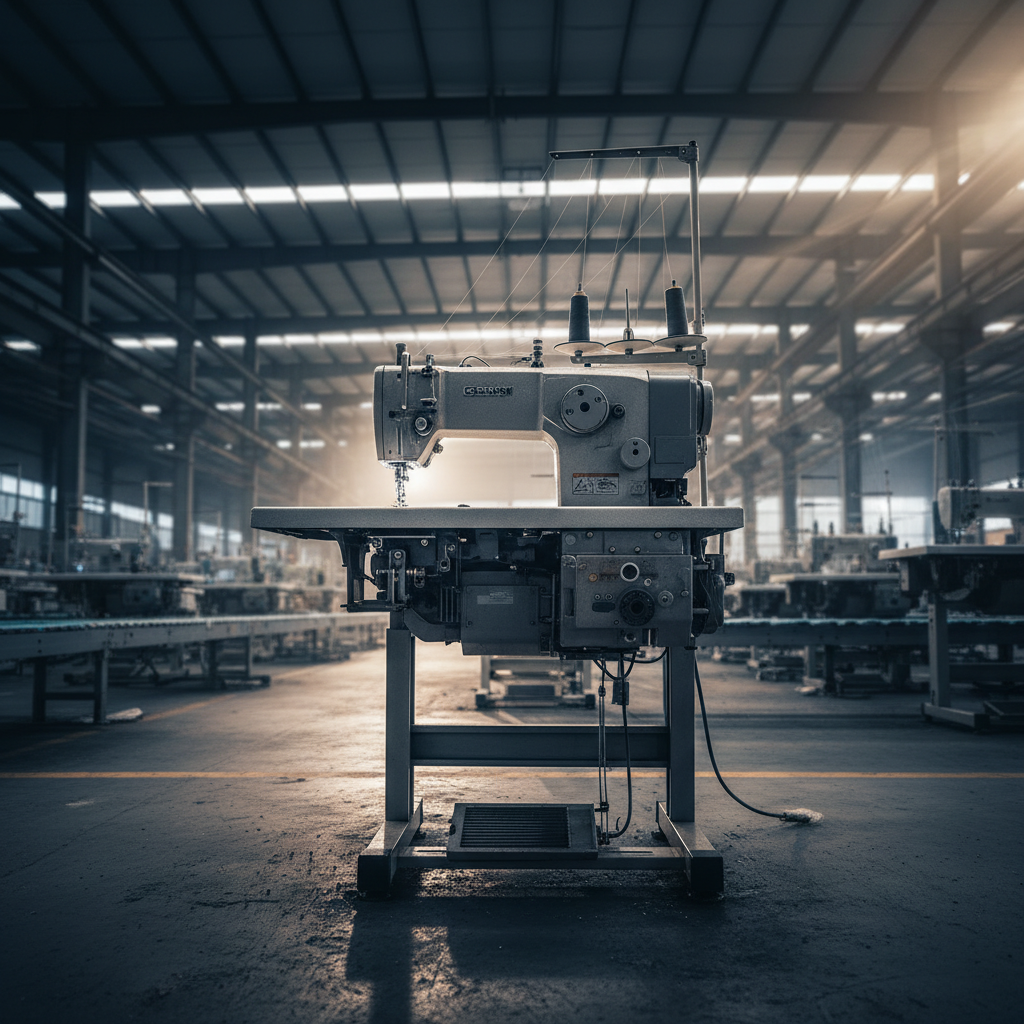
What is an Industrial Overlock Machine?
An industrial overlock machine, also known as a serger, is a specialized sewing machine designed to create an overlock stitch. This stitch encases the raw edge of fabric, preventing fraying and creating a professional finish. Unlike a standard sewing machine, the overlock machine uses multiple threads (typically 3-5) to simultaneously sew, trim, and overlock the fabric edge. This results in a durable and aesthetically pleasing seam, ideal for a wide range of applications. The efficiency and durability of these machines are vital for high-volume production environments. Longsew's range of industrial overlock machines are designed for performance and longevity.
Key Highlights: Simultaneously sews, trims, and overlocks fabric edges, providing a professional finish and preventing fraying. Essential for garment construction and various textile applications.
Key Features of Industrial Overlock Machines
Modern industrial overlock machines boast a variety of features designed to enhance productivity and quality. These include adjustable stitch length and width, differential feed to prevent stretching or puckering of fabrics, automatic thread trimming, and robust construction for continuous operation. Advanced models may also incorporate programmable stitch patterns, electronic speed control, and energy-efficient motors. Selecting a machine with the right features is crucial for meeting your specific production needs. Longsew machines are equipped with the latest technologies to maximize efficiency.
Feature Benefits:
• Adjustable settings for diverse fabric types.
• Differential feed prevents fabric distortion.
• Automatic thread trimming saves time and reduces waste.
• Robust construction ensures durability and reliability.
Industrial Overlock Machine vs. Domestic Serger: A Comparison
While both industrial overlock machines and domestic sergers perform a similar function, they differ significantly in terms of construction, capabilities, and intended use. Industrial machines are built for heavy-duty, continuous operation in a production environment, featuring powerful motors, robust frames, and high speeds. Domestic sergers, on the other hand, are designed for lighter use and home crafting. The following table summarizes the key differences:
Applications of Industrial Overlock Machines
Industrial overlock machines are essential in a multitude of textile applications. Common uses include garment manufacturing (t-shirts, jeans, dresses), creating professional-looking seams on sportswear, producing towels and linens, assembling upholstery, and crafting specialized textile products. Their ability to quickly and efficiently finish edges makes them indispensable in both large-scale production facilities and smaller workshops. Longsew offers models tailored to diverse industry needs.
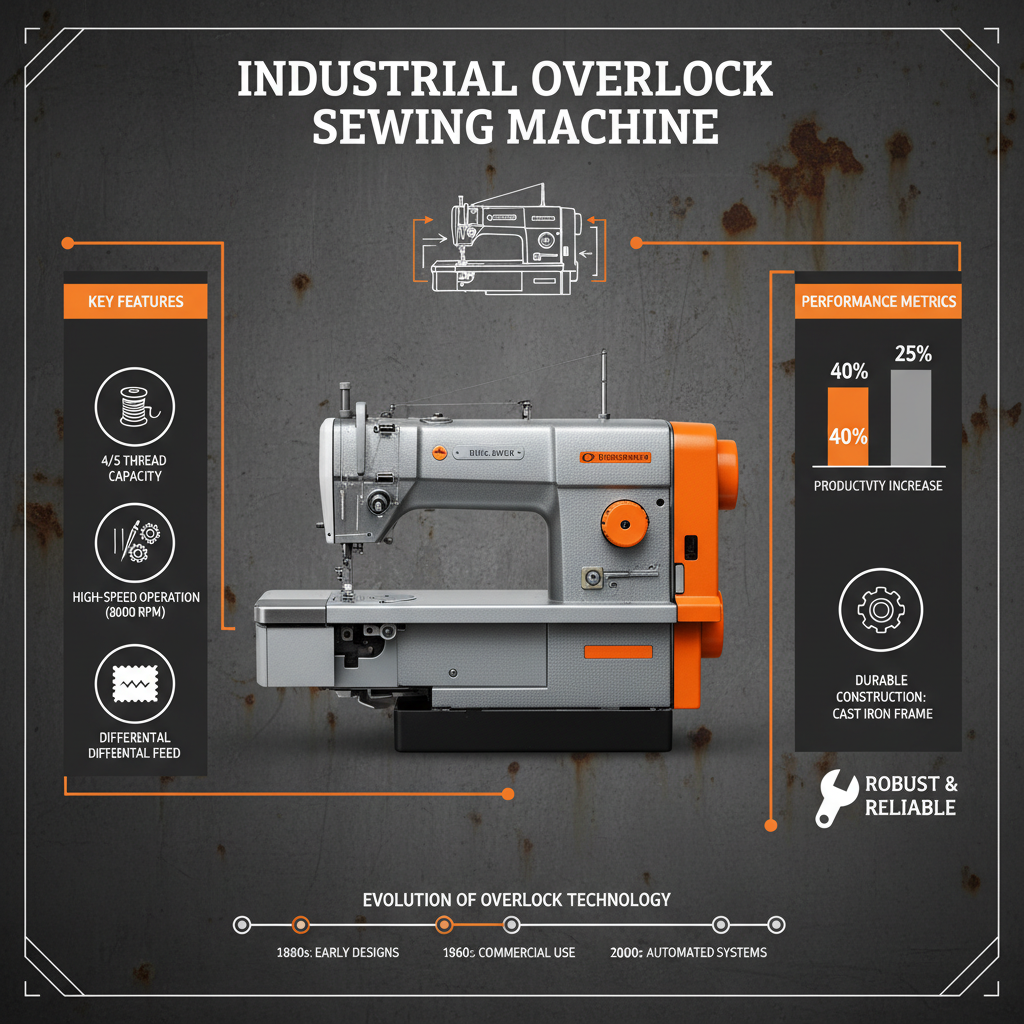
Choosing the Right Industrial Overlock Machine
Selecting the right industrial overlock machine requires careful consideration of your specific needs. Factors to consider include the type of fabrics you'll be working with, the volume of production, the desired stitch type, and your budget. Longsew's expert team can provide guidance to help you choose the perfect machine for your application. Look for machines with robust construction, adjustable settings, and reliable performance. A well-chosen machine will deliver years of dependable service and enhance your production capabilities.
Conclusion: Investing in Quality with Longsew
The industrial overlock machine is an indispensable tool for textile manufacturers and craftspeople alike. Investing in a high-quality machine from a reputable supplier like Longsew ensures durability, reliability, and optimal performance. By choosing the right machine for your needs, you can enhance your productivity, improve the quality of your products, and stay ahead in a competitive market.
Frequently Asked Questions (FAQs)
What types of fabrics can an industrial overlock machine handle?
Industrial overlock machines are designed to handle a wide variety of fabrics, including knits, wovens, denim, fleece, and even lightweight stretch materials. The key is to select the appropriate needles, thread, and stitch settings for the specific fabric being used. Machines with differential feed are particularly useful for preventing stretching or puckering of delicate or stretchy fabrics. Longsew machines are versatile and can be adjusted to work with a broad range of fabric types.
How often should I oil my industrial overlock machine?
Regular oiling is crucial for maintaining the performance and longevity of your industrial overlock machine. As a general guideline, you should oil the machine before each shift or at least once a day, depending on the usage. Focus on lubricating all moving parts, including the needle bar, looper, and feed dogs. Refer to your machine’s manual for specific oiling instructions and recommended oil types.
What is differential feed and why is it important?
Differential feed is a feature that allows you to adjust the feed dogs to move fabric at different speeds. This is particularly useful for preventing stretching or puckering of fabrics, especially knits and stretch materials. By adjusting the differential feed, you can ensure that the seams lay flat and maintain their shape. It's a vital feature for achieving professional-quality results.
Where can I find replacement parts for my Longsew overlock machine?
Longsew maintains a comprehensive inventory of replacement parts for all our machines. You can find a full catalog of parts on our website or contact our customer support team for assistance. We pride ourselves on providing prompt and reliable parts delivery to minimize downtime and keep your production running smoothly.
Latest news
-
Industrial Bag Sewing Machine Price and Comprehensive Buying GuideNewsApr.16,2026
-
Industrial Hand Held Bag Closer for Efficient Packaging SealingNewsApr.16,2026
-
Industrial Hand Held Bag Closer Sewing Machine for PackagingNewsApr.16,2026
-
Efficient Industrial Bag Closer Sewing Machine for PackagingNewsApr.16,2026
-
Industrial Sewing Guide for Choosing the Right Closer MachineNewsApr.16,2026
-
Guide to Capital Bag Closer Machine Price and Buying FactorsNewsApr.16,2026
-
Say goodbye to inefficient cutting! This heavy-duty webbing hot cutting machine redefines the new standard for industrial cuttingNewsApr.14,2026

Hebei LongSew Machinery Technology Co. Ltd is beginning as sewing machine parts supplier, now Longsew have over twenty years experience in complete set sewing machine offering.


CLASSIFICATION
CONTACT US
-

No.368 North Youyi Street, Shijiazhuang City, Hebei Province, China
-

-

Copyright © 2026 HEBEI LONGSEW MACHINERY TECHNOLOGY CO. LTD All Rights Reserved. Sitemap | Privacy Policy | Top Blog | Global Service