

Mar . 12, 2026 01:55
Back to list
What Can I Do With An Overlocker A Comprehensive Guide To Its Uses
What Can I Do With An Overlocker?
An overlocker, also known as a serger, is a versatile sewing machine that goes beyond basic stitching. While many associate sewing machines with straight seams, an overlocker opens up a world of professional-looking finishes and specialized techniques. From creating durable garment edges to adding decorative touches, this machine is a powerhouse for both beginners and experienced sewers. If you're wondering what can you do with an overlocker, you've come to the right place. This article will explore the numerous capabilities of an overlocker and how it can elevate your sewing projects.
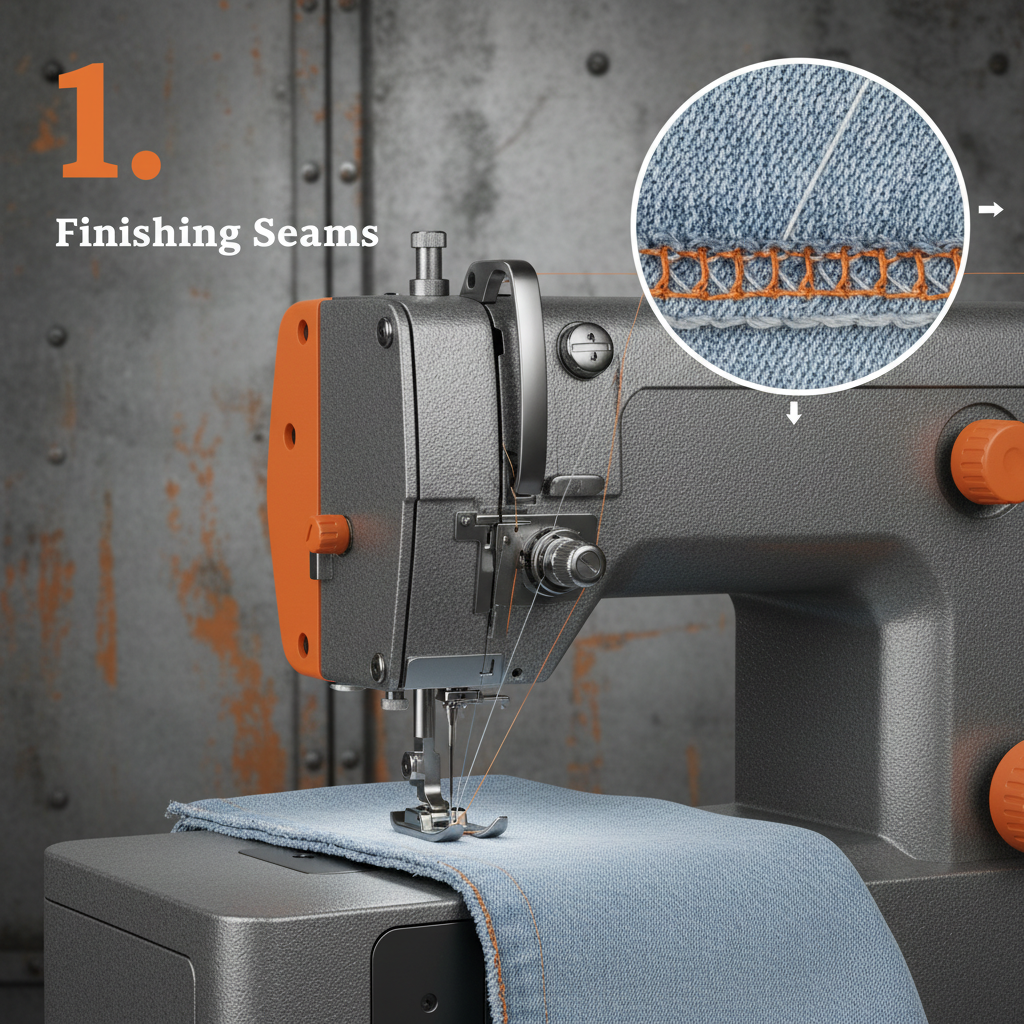
The Core Function: Finishing Raw Edges
The primary function of an overlocker is to neatly finish raw edges of fabric. Unlike a standard sewing machine, which simply stitches along the edge, an overlocker simultaneously sews, trims, and encases the fabric edge with thread. This prevents fraying, creates a professional finish, and adds strength to the seam. This is especially crucial for knit fabrics, which are prone to unraveling. The overlocked edge is clean, durable, and ready for further embellishment or wear. Using an overlocker significantly improves the longevity and appearance of your sewn items.
Key Benefit: Preventing fraying, creating a durable edge, and professional seam finishing.
Beyond Basic Overlocking: Differential Feed
Many overlockers feature differential feed – a setting that allows you to control the rate at which the front and rear feed dogs move the fabric. This is incredibly useful for working with stretchy fabrics. A higher differential feed gathers the fabric, creating ruffles or shirring. A lower setting stretches the fabric, preventing puckering on seams. This feature is essential for achieving a professional fit and finish in garments made from knits. It's a technique that’s difficult to replicate with a standard sewing machine.
Differential Feed Advantages:
• Gathers fabric for ruffles and shirring.
• Prevents puckering on stretchy fabrics.
• Provides precise control over fabric manipulation.
What Can I Do With An Overlocker?: Rolled Hems
Creating a delicate rolled hem is a breeze with an overlocker. This technique is perfect for lightweight fabrics like chiffon or silk, and it provides a beautifully finished edge without adding bulk. The overlocker automatically rolls and secures the fabric edge with a narrow, clean stitch. This is far more efficient and produces a more professional result than attempting a rolled hem with a standard sewing machine. A rolled hem is ideal for scarves, napkins, and other delicate items.
Decorative Edge Finishing & Flatlocking
Don't think of an overlocker as only a functional tool! You can use it to create decorative finishes. Experiment with different threads and stitch widths to create unique edges. Techniques like flatlocking – a method of joining two pieces of fabric with a flat, nearly invisible seam – are also achievable with an overlocker and are popular in sportswear and lingerie. The Longsew overlockers are designed to provide a wide range of possibilities for creative sewing.
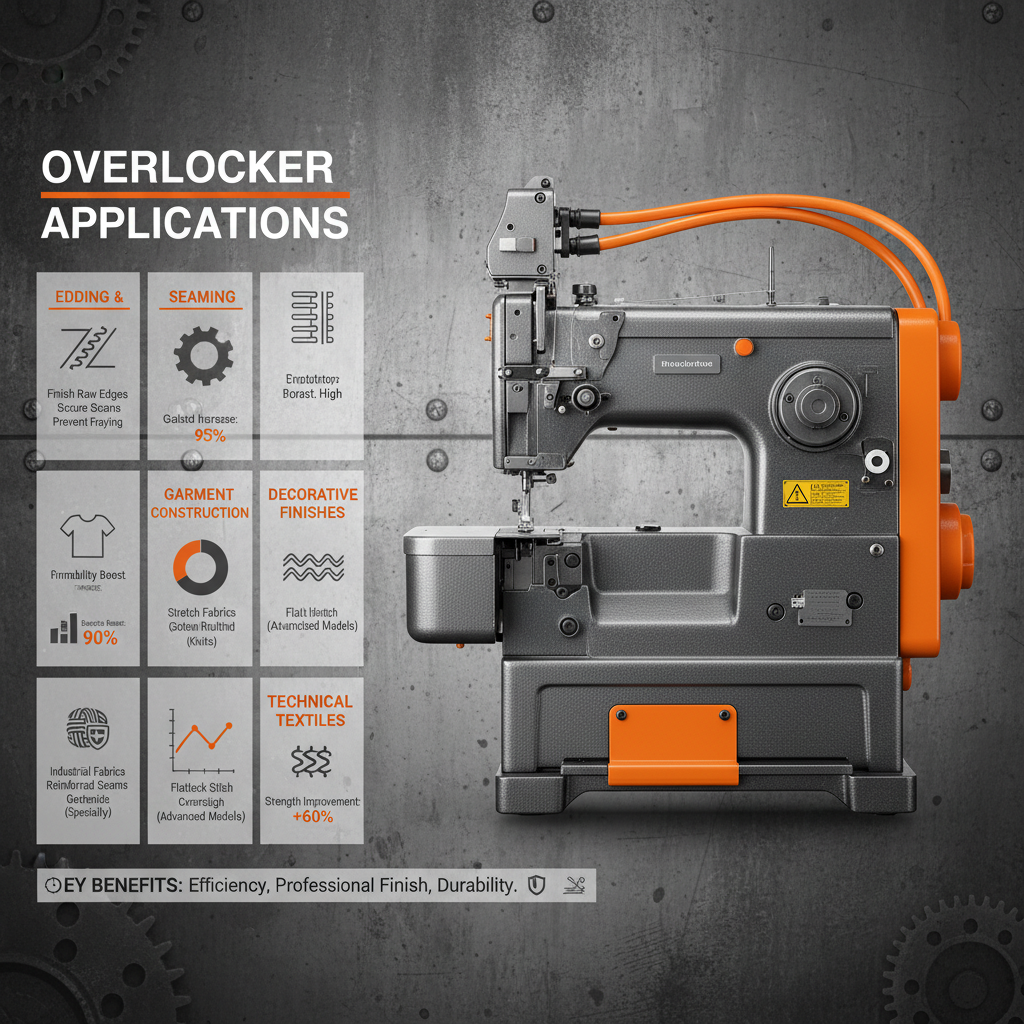
Choosing the Right Overlocker: A Brief Guide
When selecting an overlocker, consider the types of fabrics you work with most frequently. More advanced models offer features like automatic tension adjustment, adjustable differential feed, and a wider range of stitch options. The number of threads an overlocker can handle (typically 3, 4, or 5) also influences its versatility. For beginners, a 4-thread overlocker is a great starting point, offering a good balance of functionality and ease of use. Investing in a quality machine from a reputable brand like Longsew ensures durability and reliable performance.
Conclusion: Unleash Your Sewing Potential
An overlocker isn't just another sewing machine accessory; it's a gateway to professional-quality finishes and expanded creative possibilities. From simple edge finishing to intricate decorative techniques, Longsew overlockers empower you to elevate your sewing projects to the next level. Don't limit yourself – explore the versatility of this incredible machine and unlock your full sewing potential!
Frequently Asked Questions (FAQs)
What's the difference between an overlocker and a serger?
There is no difference! "Overlocker" and "serger" are simply different names for the same machine. "Overlocker" is the more common term in Europe and the UK, while "serger" is more prevalent in North America. Both terms refer to a machine that simultaneously sews, trims, and overlocks the edge of fabric.
Can I use an overlocker on all types of fabric?
While an overlocker is incredibly versatile, it's particularly well-suited for knit fabrics and woven fabrics that fray easily. It can be used on most fabrics, but you may need to adjust the tension and stitch length depending on the fabric weight and type. Testing on a scrap of fabric is always recommended before starting your project.
How often should I oil my overlocker?
Regular oiling is essential for maintaining your overlocker’s performance. The frequency depends on usage, but generally, oiling every few months or after approximately 8 hours of use is recommended. Refer to your overlocker's manual for specific oiling instructions and the type of oil to use. Proper lubrication ensures smooth operation and prevents damage to the machine’s internal components.
Previous:
Latest news
-
Industrial Bag Sewing Machine Price and Comprehensive Buying GuideNewsApr.16,2026
-
Industrial Hand Held Bag Closer for Efficient Packaging SealingNewsApr.16,2026
-
Industrial Hand Held Bag Closer Sewing Machine for PackagingNewsApr.16,2026
-
Efficient Industrial Bag Closer Sewing Machine for PackagingNewsApr.16,2026
-
Industrial Sewing Guide for Choosing the Right Closer MachineNewsApr.16,2026
-
Guide to Capital Bag Closer Machine Price and Buying FactorsNewsApr.16,2026
-
Say goodbye to inefficient cutting! This heavy-duty webbing hot cutting machine redefines the new standard for industrial cuttingNewsApr.14,2026

Hebei LongSew Machinery Technology Co. Ltd is beginning as sewing machine parts supplier, now Longsew have over twenty years experience in complete set sewing machine offering.


CLASSIFICATION
CONTACT US
-

No.368 North Youyi Street, Shijiazhuang City, Hebei Province, China
-

-

Copyright © 2026 HEBEI LONGSEW MACHINERY TECHNOLOGY CO. LTD All Rights Reserved. Sitemap | Privacy Policy | Top Blog | Global Service