

Mar . 05, 2026 01:55
Back to list
What's the Difference Between a Serger and an Overlock Machine A Comprehensive Guide
What's the Difference Between a Serger and an Overlock Machine?
Choosing the right sewing machine for finishing fabric edges can be tricky, especially when considering a serger versus an overlock machine. Both are designed to prevent fraying and create a professional finish, but they operate differently and offer unique capabilities. This article delves into the distinctions between these two machines, outlining their functions, benefits, and applications. Understanding these differences will help you determine which machine best suits your sewing needs. For a wide range of sewing solutions, explore Longsew's industrial sewing machines.
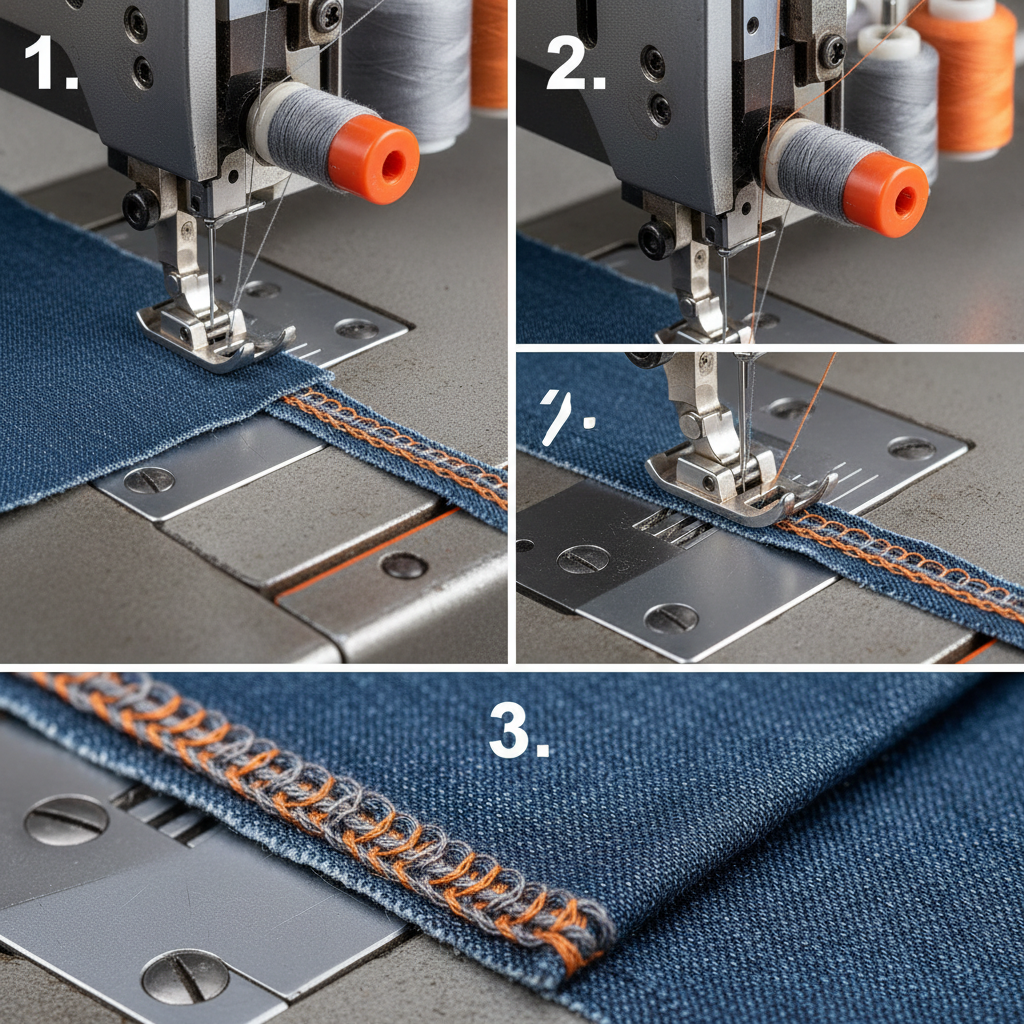
Understanding Overlock Machines
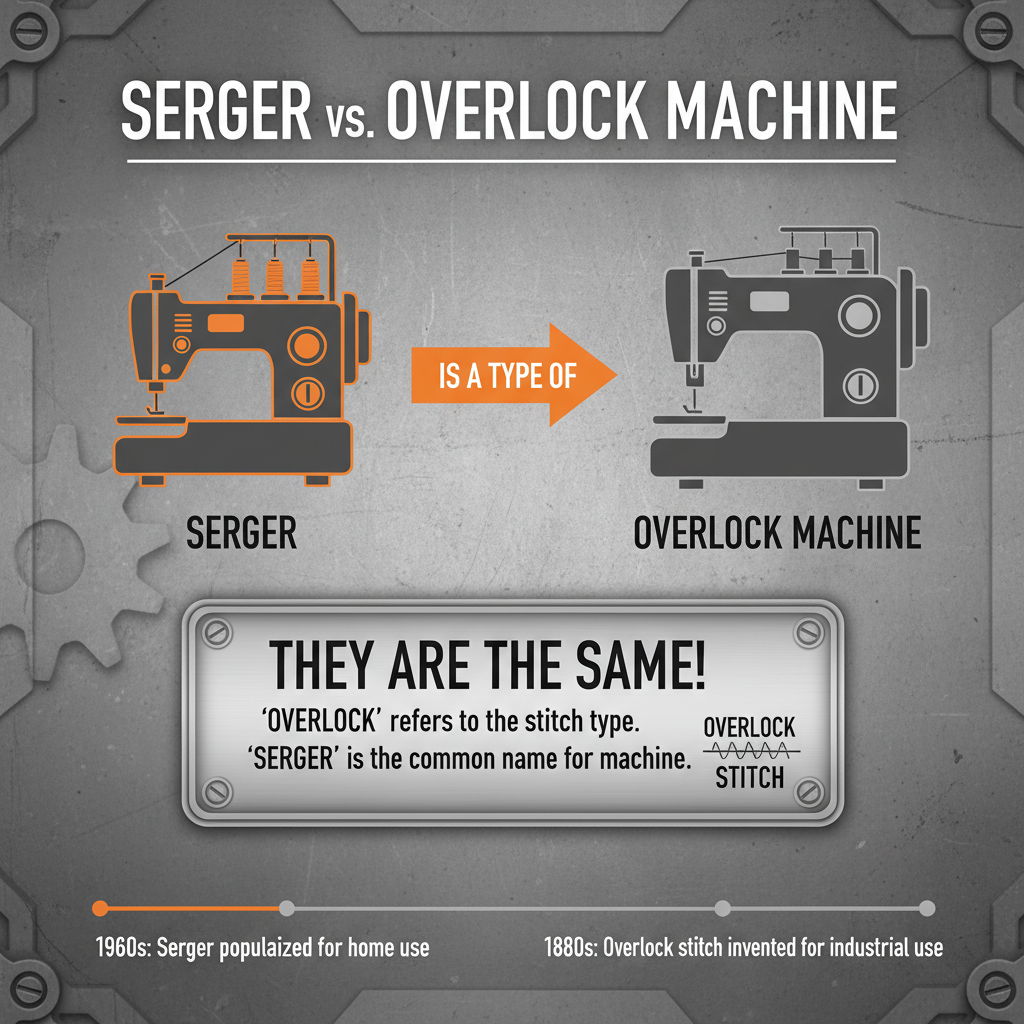
An overlock machine, also known as a serger in some regions, primarily focuses on creating a finished edge on fabric. It uses loopers instead of a traditional needle to encase the fabric edge with thread, preventing fraying. Overlock machines are exceptionally efficient and fast, making them ideal for production environments where large volumes of fabric need to be processed. They are typically used on woven and knit fabrics, providing a clean and durable seam. While many people use the terms interchangeably, the core function of an overlock machine is edge finishing.
Key Benefits of Overlock Machines: Fast and efficient edge finishing, prevents fabric fraying, provides a professional look, suitable for both woven and knit fabrics.
What Exactly is a Serger?
While often used as a synonym for overlock, a serger can offer more versatility. Modern sergers often combine the overlocking function with the ability to perform other tasks such as rolled hemming, flatlocking, and even decorative edging. They typically have more looper configurations and settings than a basic overlock machine. Sergers are popular among quilters and garment sewers who want a wider range of finishing options. A serger's ability to trim, sew, and finish seams in one step makes it an incredibly efficient tool.
Serger Capabilities:
• Overlocking (edge finishing)
• Rolled hemming
• Flatlocking
• Decorative edging
Serger vs. Overlock: A Detailed Comparison
The key difference lies in functionality. While all sergers are overlock machines, not all overlock machines are sergers. An overlock machine focuses on the core function of edge finishing, while a serger expands on that with additional capabilities. Think of an overlock as a specialized tool for one specific job, and a serger as a more versatile multi-tool. The choice depends on the complexity of your projects and the variety of finishes you desire. Consider your sewing needs - if you only need to finish edges, an overlock machine will suffice. If you want more creative options, a serger is the better choice. To find the perfect industrial sewing machine, explore Longsew's extensive catalog.
Choosing the Right Machine for Your Needs
If you're a beginner or primarily sew simple projects, an overlock machine is a great starting point. It's straightforward to use and provides a professional finish quickly. If you're an experienced sewer, quilter, or garment maker who enjoys experimenting with different techniques, a serger will unlock a wider range of creative possibilities. Consider the types of fabrics you typically work with and the level of detail you desire in your projects. Investing in a quality machine from a reputable manufacturer like Longsew ensures durability and performance.
Longsew: Your Partner in Sewing Excellence
At Longsew, we offer a comprehensive selection of high-quality industrial serger and overlock machines designed to meet a variety of sewing needs. Our experienced team can help you choose the perfect machine for your specific applications, ensuring optimal performance and long-lasting reliability. We are committed to providing our customers with exceptional products and support.
Conclusion: Making the Right Choice
Ultimately, the best choice between a serger and an overlock machine depends on your individual sewing requirements and creative aspirations. Carefully consider your projects, budget, and desired level of versatility. Investing in a quality machine from a trusted supplier like Longsew will ensure a satisfying and productive sewing experience.
Frequently Asked Questions (FAQs)
Can an overlock machine sew a seam?
While an overlock machine is primarily designed for finishing edges, some models can create a basic seam. However, the seam produced by an overlock machine is typically narrower and less durable than a seam sewn with a traditional sewing machine. An overlock seam is best suited for lightweight fabrics and is not recommended for projects requiring high strength or frequent stress. It’s important to choose the right tool for the job; for a robust seam, a traditional sewing machine is preferred.
What types of fabric are best suited for sergers?
Sergers excel at working with knit fabrics because they can stretch and move with the fabric, creating a professional and durable seam. They also perform well with woven fabrics, particularly those prone to fraying. Sergers are versatile enough to handle a wide range of fabrics, including chiffon, fleece, and denim. However, very thick or bulky fabrics may require a more powerful machine.
Do I need to use special thread for a serger?
While you can use standard sewing thread in a serger, it's generally recommended to use serger-specific thread. Serger thread is lighter weight and more flexible, allowing it to flow through the machine smoothly and create a cleaner, more even finish. Using the correct thread type will significantly improve the quality and durability of your serged seams.
How much does a serger or overlock machine typically cost?
The cost of a serger or overlock machine can vary widely depending on its features and brand. Basic overlock machines can start around $200, while more advanced sergers with a wider range of functions can cost upwards of $1000 or more. Industrial machines, such as those offered by Longsew, generally represent a higher investment but offer superior performance and durability.
Latest news
-
Industrial Bag Sewing Machine Price and Comprehensive Buying GuideNewsApr.16,2026
-
Industrial Hand Held Bag Closer for Efficient Packaging SealingNewsApr.16,2026
-
Industrial Hand Held Bag Closer Sewing Machine for PackagingNewsApr.16,2026
-
Efficient Industrial Bag Closer Sewing Machine for PackagingNewsApr.16,2026
-
Industrial Sewing Guide for Choosing the Right Closer MachineNewsApr.16,2026
-
Guide to Capital Bag Closer Machine Price and Buying FactorsNewsApr.16,2026
-
Say goodbye to inefficient cutting! This heavy-duty webbing hot cutting machine redefines the new standard for industrial cuttingNewsApr.14,2026

Hebei LongSew Machinery Technology Co. Ltd is beginning as sewing machine parts supplier, now Longsew have over twenty years experience in complete set sewing machine offering.


CLASSIFICATION
CONTACT US
-

No.368 North Youyi Street, Shijiazhuang City, Hebei Province, China
-

-

Copyright © 2026 HEBEI LONGSEW MACHINERY TECHNOLOGY CO. LTD All Rights Reserved. Sitemap | Privacy Policy | Top Blog | Global Service