

Apr . 09, 2026 02:05
Back to list
High Quality Industrial Bag Closer Machine Parts for Efficiency
Maximizing Efficiency with High-Quality Bag Closer Machine Parts
In the fast-paced world of industrial packaging, the reliability of your equipment is the backbone of your productivity. Whether you are sealing grain, chemicals, or pet food, the precision of your sewing head depends entirely on the quality of your bag closer machine parts. A single worn-out needle or a clogged looper can lead to costly downtime and compromised packaging integrity. Understanding which components to monitor and when to replace them is essential for any operation aiming for seamless efficiency. In this guide, we will explore the critical components that keep your machinery running and how to choose the best replacements for your business.
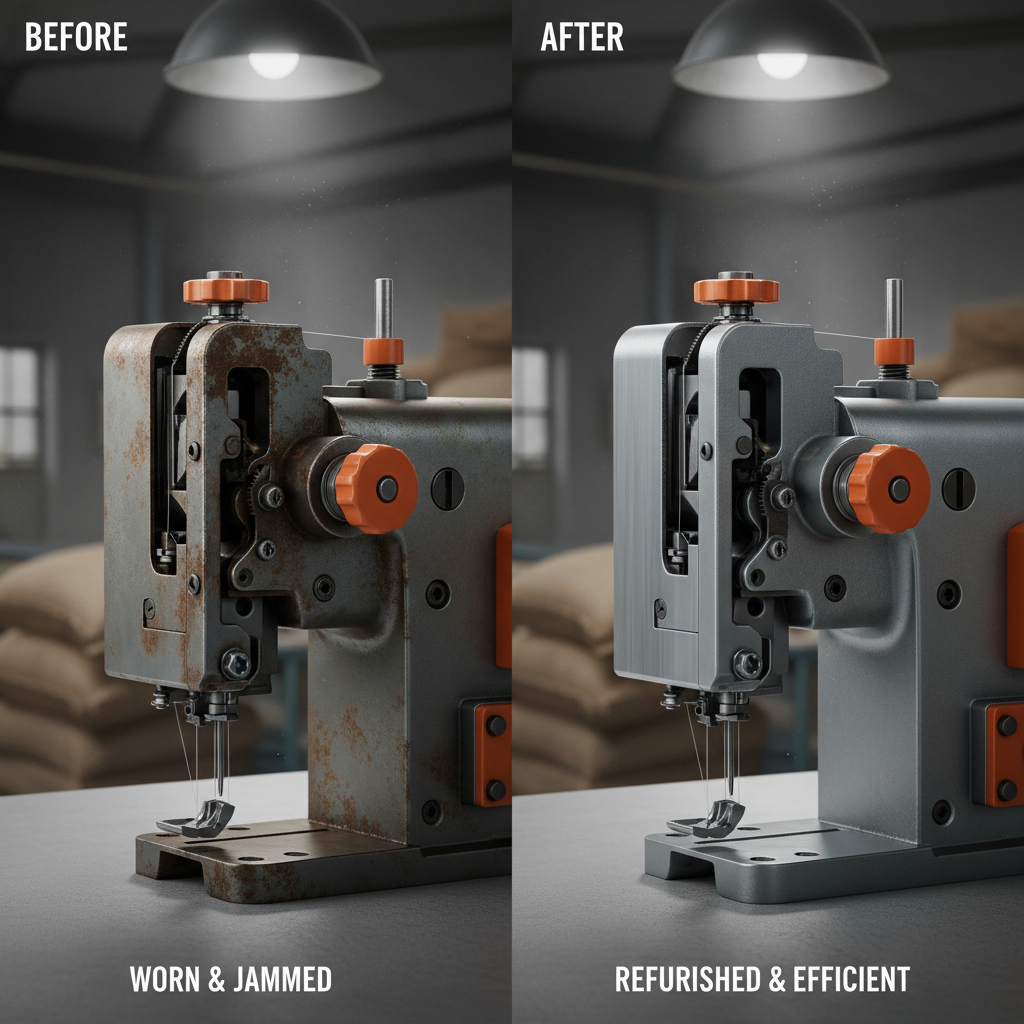
The Core Components of Industrial Bag Closers
A bag closer is a complex assembly of synchronized moving parts. The needle, looper, and feed dog work in harmony to create a secure chain stitch. When searching for bag closer machine parts, it is vital to ensure that the geometry of the part matches your specific machine model exactly. Even a millimeter of deviation in a looper's tip can cause skipped stitches, leading to leaked product and wasted material. High-grade steel alloys are typically used to ensure these parts can withstand the friction and heat generated during high-speed operation.
Pro Tip: Always keep a "critical spares kit" on-site containing at least five spare needles and two loopers to avoid unplanned production halts.
Maintaining Your Bag Closer Machine Parts for Longevity
Preventative maintenance is the only way to avoid catastrophic failure. The environment in which bag closers operate—often dusty and gritty—acts as an abrasive on bag closer machine parts. Regular cleaning with compressed air and the application of high-quality industrial lubricant are non-negotiable. Paying close attention to the drive belt tension and the condition of the thread guides can prevent unnecessary wear on the more expensive internal components. When the sewing quality begins to dip, it is often a signal that the needle has dulled or the looper has developed a burr.
Comparing OEM vs. Aftermarket Bag Closer Machine Parts
When it comes to replacing components, businesses often debate between Original Equipment Manufacturer (OEM) parts and aftermarket alternatives. While aftermarket bag closer machine parts may offer a lower initial cost, the total cost of ownership often favors high-precision OEM-grade parts. OEM parts are engineered to the exact tolerances of the machine, ensuring a perfect fit and reducing the likelihood of premature wear on surrounding components. The following table outlines the primary differences to help you make an informed decision.
Common Wear Patterns and Replacement Schedules
Understanding the lifecycle of your bag closer machine parts allows for predictive maintenance rather than reactive repairs. For instance, needles are consumables and should be changed the moment a "skip" occurs. Loopers, while more durable, typically show wear every 6-12 months depending on the volume of bags processed. The drive belt may stretch over time, requiring tension adjustment or replacement to prevent motor slippage. Following a strict schedule ensures that your production line never stops unexpectedly.
Technical Specifications for Bag Closer Components
When ordering parts, having a technical specification sheet is critical to avoid compatibility errors. Most industrial bag closers utilize specific needle sizes (e.g., DNx1) and looper shapes tailored to the thread thickness being used. Below is a general specification guide for common replacement parts to ensure you are selecting the right grade of materials for your operational needs.
Selecting the Right Supplier for Your Spare Parts
The market is flooded with options, but not all suppliers provide the consistency required for industrial-grade production. When sourcing bag closer machine parts, look for suppliers who provide technical support and clear compatibility charts. A reputable supplier won't just sell you a part; they will help you diagnose whether the part is the actual cause of your machine's failure. This partnership reduces the risk of ordering incorrect items and ensures your machinery operates at peak performance for years to come.
Conclusion: Ensuring Uninterrupted Packaging Workflows
Investing in premium bag closer machine parts is not an expense, but an insurance policy for your production line. By prioritizing high-precision components and adhering to a strict maintenance schedule, you eliminate the risks of packaging leaks and costly downtime. Whether you are performing a routine tune-up or a full overhaul, choosing the right parts ensures that your industrial sewing operations remain efficient, reliable, and profitable. Keep your machines in top shape to keep your business moving forward.
Frequently Asked Questions (FAQs)
How often should I replace the needles in my bag closer?
Needles are the most frequently replaced part of a bag closer. Depending on the abrasiveness of the bag material (e.g., heavy polypropylene vs. cotton), needles should be checked daily. You should replace the needle immediately if you notice skipped stitches, thread breakage, or if the needle appears bent. In high-volume environments, many operators replace needles at the start of every shift to ensure consistent seal quality and prevent damage to the looper.
Why is my bag closer skipping stitches despite new parts?
Skipping stitches is often a timing issue rather than a part failure. While new bag closer machine parts provide the necessary surface quality, they must be timed perfectly. Ensure the needle is inserted to the correct depth and that the looper is positioned to catch the thread at the precise moment. If the issue persists, check for lint buildup in the feed mechanism or verify that the thread tension is not too tight, which can pull the needle out of alignment.
Can I use the same parts for different bag closer brands?
Generally, no. While some basic consumables like certain needle types may be universal, critical parts such as loopers, feed dogs, and drive gears are brand-specific. Each manufacturer has unique timing and geometric specifications. Using a part from a different brand can lead to poor stitch quality or permanent damage to the machine's internal crankshaft. Always refer to your machine's manual or contact a specialist at Longsew to verify part compatibility before purchasing.
What is the best way to clean bag closer machine parts?
The most effective way to clean your machine is using a combination of low-pressure compressed air and a soft brush. Focus on the looper area and the feed dogs, where lint and dust accumulate. Avoid using harsh solvents that could strip the factory lubrication from the metal parts. After cleaning, always apply a small amount of high-quality sewing machine oil to the moving joints to reduce friction and prevent rust, especially if operating in humid environments.
Latest news
-
Industrial Bag Sewing Machine Price and Comprehensive Buying GuideNewsApr.16,2026
-
Industrial Hand Held Bag Closer for Efficient Packaging SealingNewsApr.16,2026
-
Industrial Hand Held Bag Closer Sewing Machine for PackagingNewsApr.16,2026
-
Efficient Industrial Bag Closer Sewing Machine for PackagingNewsApr.16,2026
-
Industrial Sewing Guide for Choosing the Right Closer MachineNewsApr.16,2026
-
Guide to Capital Bag Closer Machine Price and Buying FactorsNewsApr.16,2026
-
Say goodbye to inefficient cutting! This heavy-duty webbing hot cutting machine redefines the new standard for industrial cuttingNewsApr.14,2026

Hebei LongSew Machinery Technology Co. Ltd is beginning as sewing machine parts supplier, now Longsew have over twenty years experience in complete set sewing machine offering.


CLASSIFICATION
CONTACT US
-

No.368 North Youyi Street, Shijiazhuang City, Hebei Province, China
-

-

Copyright © 2026 HEBEI LONGSEW MACHINERY TECHNOLOGY CO. LTD All Rights Reserved. Sitemap | Privacy Policy | Top Blog | Global Service