

Mar . 05, 2026 01:55
Back to list
Choosing the Right Industrial Overlocker for Superior Seam Finishing
Choosing the Right Industrial Overlocker: A Comprehensive Guide
An industrial overlocker is a crucial piece of equipment for textile manufacturing, offering superior seam finishing and durability. Selecting the appropriate machine for your needs requires careful consideration of factors like fabric type, production volume, and desired stitch quality. This article provides a detailed overview of industrial overlockers, highlighting their benefits, key features, and how to choose the best machine for your business. Investing in a high-quality overlocker translates directly into improved product quality and efficiency.
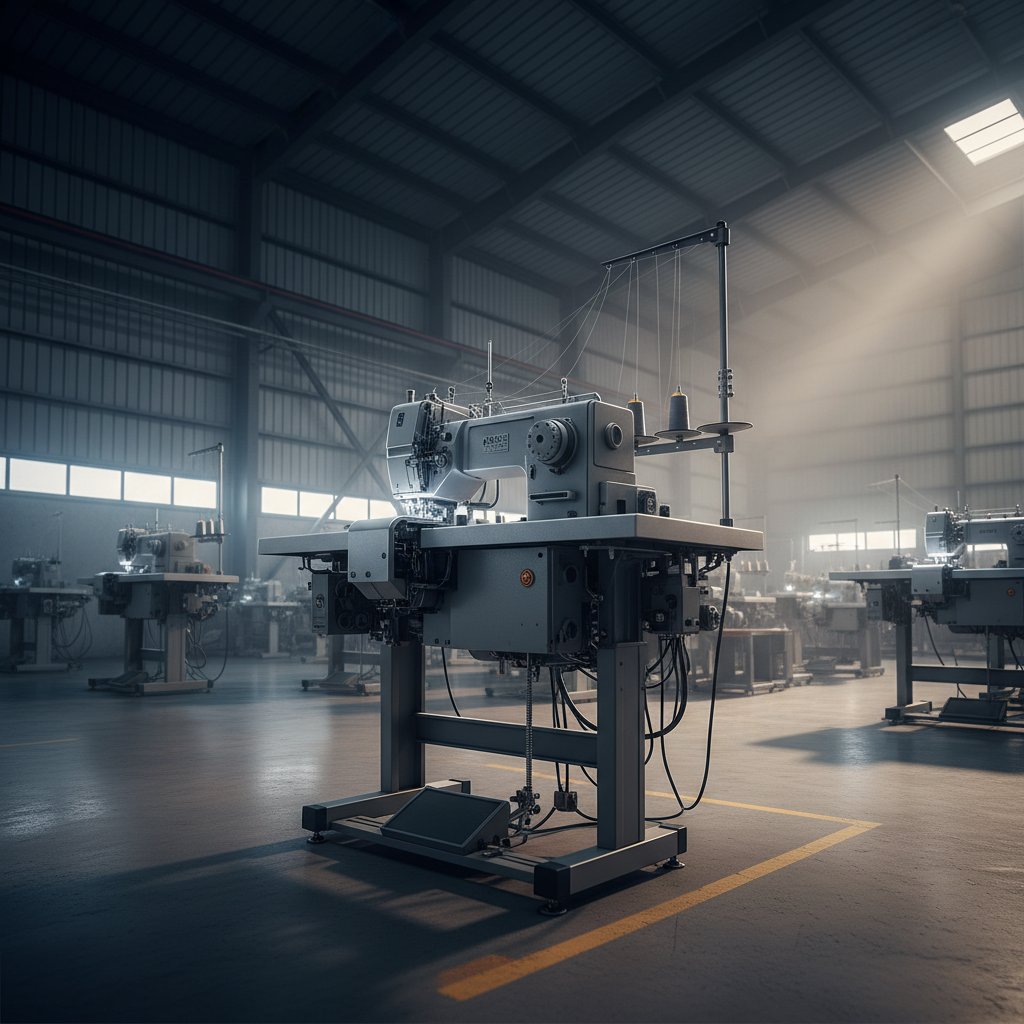
What is an Industrial Overlocker and Why Do You Need One?
An industrial overlocker, also known as a serger, is a specialized sewing machine that simultaneously sews a seam, trims excess fabric, and encases the raw edges to prevent fraying. Unlike a traditional sewing machine, an overlocker uses loopers instead of a bobbin, creating a professional and durable finish. This is particularly important for garments and textiles that will undergo frequent wear and washing. Using an industrial overlocker significantly speeds up production and enhances the aesthetic appeal of finished products.
Key Benefits: Increased production speed, professional seam finishing, prevention of fabric fraying, improved garment durability.
Key Features to Consider in an Industrial Overlocker
When choosing an industrial overlocker, several key features influence its performance and suitability for your needs. These include the number of threads (3, 4, or 5), the stitch length and width adjustability, the differential feed mechanism, and the automatic thread tension system. The number of threads determines the type of seam finish you can achieve, while adjustability allows you to customize the stitch for different fabric weights and types. Differential feed is critical for preventing stretching or puckering of fabrics. Look for machines from reputable manufacturers like Longsew for reliable quality and performance.
Essential Features:
• Number of Threads (3/4/5)
• Stitch Length & Width Adjustability
• Differential Feed
• Automatic Thread Tension
Comparing Different Types of Industrial Overlockers
Industrial overlockers come in various configurations, each suited for specific applications. 3-thread overlockers are ideal for light to medium-weight fabrics and provide a basic overlock finish. 4-thread overlockers offer increased durability and are suitable for a wider range of fabrics. 5-thread overlockers combine the features of 3 and 4-thread machines, adding a safety stitch for even greater strength and security. The best choice depends on the types of fabrics you work with and the required level of seam strength.
Selecting the Right Industrial Overlocker for Your Production Needs
Consider your production volume, fabric types, and budget when making your decision. High-volume operations often benefit from more automated and robust machines. If you work with a variety of fabrics, a 4 or 5-thread overlocker with adjustable settings is essential. Don’t overlook the importance of reliable maintenance and support. Longsew offers a wide range of industrial overlockers to meet diverse needs, along with comprehensive technical support and spare parts availability.
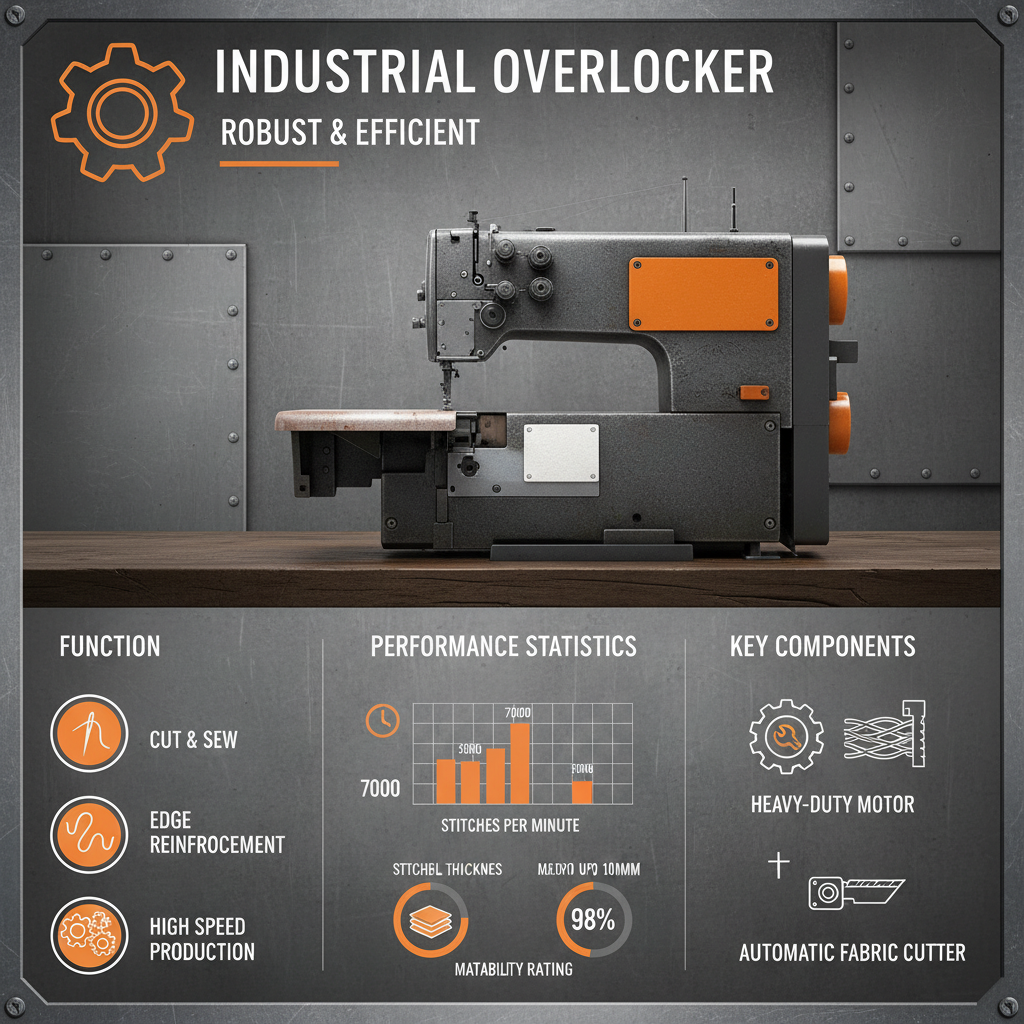
Longsew’s Industrial Overlocker Range: Specifications and Options
Longsew provides a comprehensive selection of industrial overlockers, designed for various applications and budgets. Here are some key specifications of our popular models:
Conclusion: Elevate Your Textile Production with Longsew
Choosing the right industrial overlocker is an investment in the quality and efficiency of your textile production. Longsew offers a diverse range of machines to meet your specific needs, backed by superior quality, reliability, and technical support. Explore our catalog today and discover the perfect overlocker for your business!
Frequently Asked Questions (FAQs)
What type of fabrics can an industrial overlocker handle?
Industrial overlockers are versatile and can handle a wide range of fabrics, from lightweight silks and chiffons to heavy denim and canvas. The key is to select a machine with adjustable stitch length and width, as well as differential feed, to accommodate different fabric weights and textures. A 4 or 5-thread overlocker is generally recommended for handling a diverse range of fabrics.
How often should I maintain my industrial overlocker?
Regular maintenance is crucial for ensuring the longevity and optimal performance of your industrial overlocker. Daily tasks include cleaning lint and debris from the machine, lubricating moving parts, and checking for loose screws. More comprehensive maintenance, such as oiling and replacing needles, should be performed weekly or monthly, depending on usage. Refer to your machine's manual for specific maintenance instructions.
What is differential feed and why is it important?
Differential feed refers to the ability to adjust the speed at which the feed dogs move the fabric layers. This feature is essential for preventing stretching or puckering of fabrics, particularly knit or stretchy materials. By adjusting the differential feed, you can ensure that all fabric layers are fed through the machine at the same rate, resulting in a smooth, even seam.
Where can I find spare parts and technical support for Longsew industrial overlockers?
Longsew provides comprehensive technical support and a readily available supply of spare parts for all our industrial overlocker models. You can access our support resources and purchase spare parts directly through our website www.longsew.com or by contacting our customer service team.
Latest news
-
Industrial Bag Sewing Machine Price and Comprehensive Buying GuideNewsApr.16,2026
-
Industrial Hand Held Bag Closer for Efficient Packaging SealingNewsApr.16,2026
-
Industrial Hand Held Bag Closer Sewing Machine for PackagingNewsApr.16,2026
-
Efficient Industrial Bag Closer Sewing Machine for PackagingNewsApr.16,2026
-
Industrial Sewing Guide for Choosing the Right Closer MachineNewsApr.16,2026
-
Guide to Capital Bag Closer Machine Price and Buying FactorsNewsApr.16,2026
-
Say goodbye to inefficient cutting! This heavy-duty webbing hot cutting machine redefines the new standard for industrial cuttingNewsApr.14,2026

Hebei LongSew Machinery Technology Co. Ltd is beginning as sewing machine parts supplier, now Longsew have over twenty years experience in complete set sewing machine offering.


CLASSIFICATION
CONTACT US
-

No.368 North Youyi Street, Shijiazhuang City, Hebei Province, China
-

-

Copyright © 2026 HEBEI LONGSEW MACHINERY TECHNOLOGY CO. LTD All Rights Reserved. Sitemap | Privacy Policy | Top Blog | Global Service