

Mar . 24, 2026 02:15
Back to list
What is the Difference Between a Serger and Overlock Machine A Comprehensive Guide
What is the Difference Between a Serger and Overlock Machine?
Choosing the right sewing machine can be daunting, especially when faced with terms like 'serger' and 'overlock'. While often used interchangeably, these machines have distinct features and capabilities. This article will break down the key differences between a serger and an overlock machine, helping you determine which one best suits your sewing needs. We’ll cover their functions, benefits, and ideal applications, offering a clear understanding to guide your purchase. Explore our range of high-quality sewing machines at Longsew.
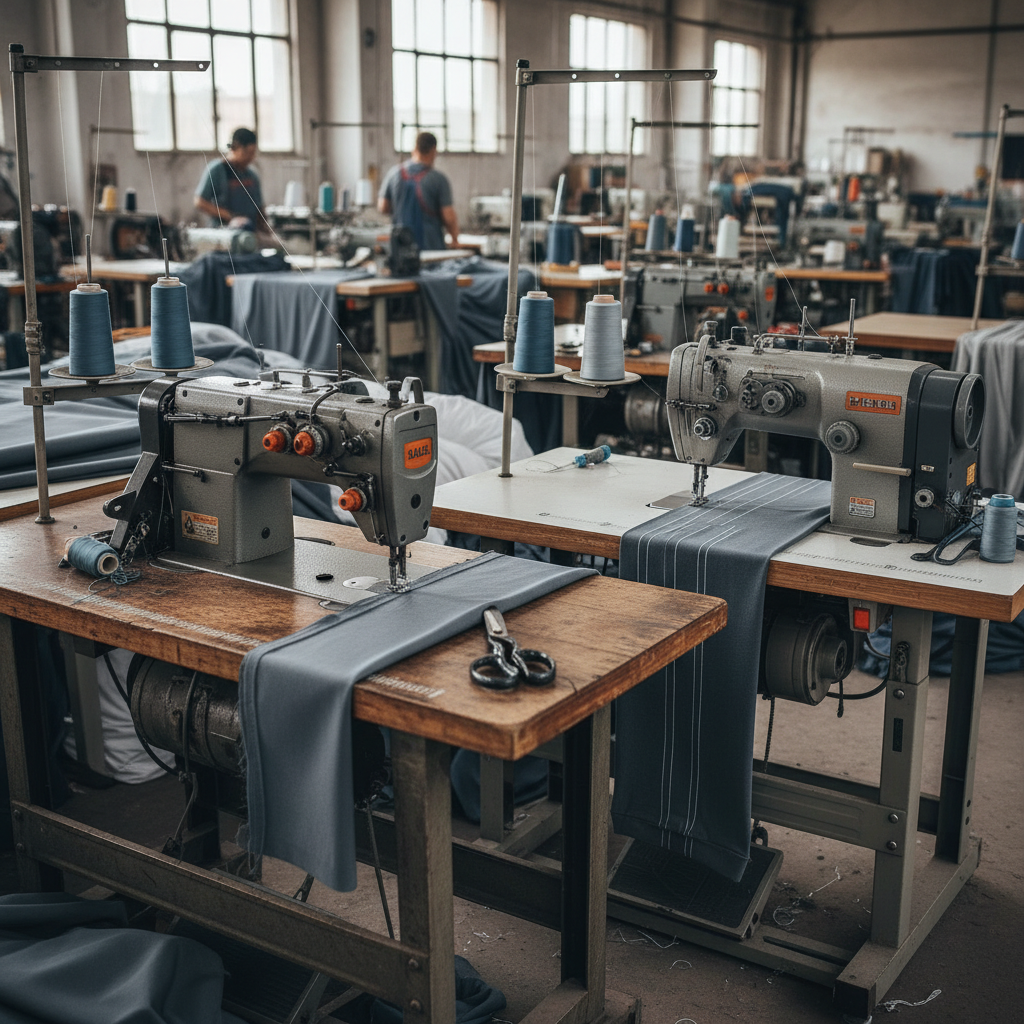
Understanding Overlock Machines
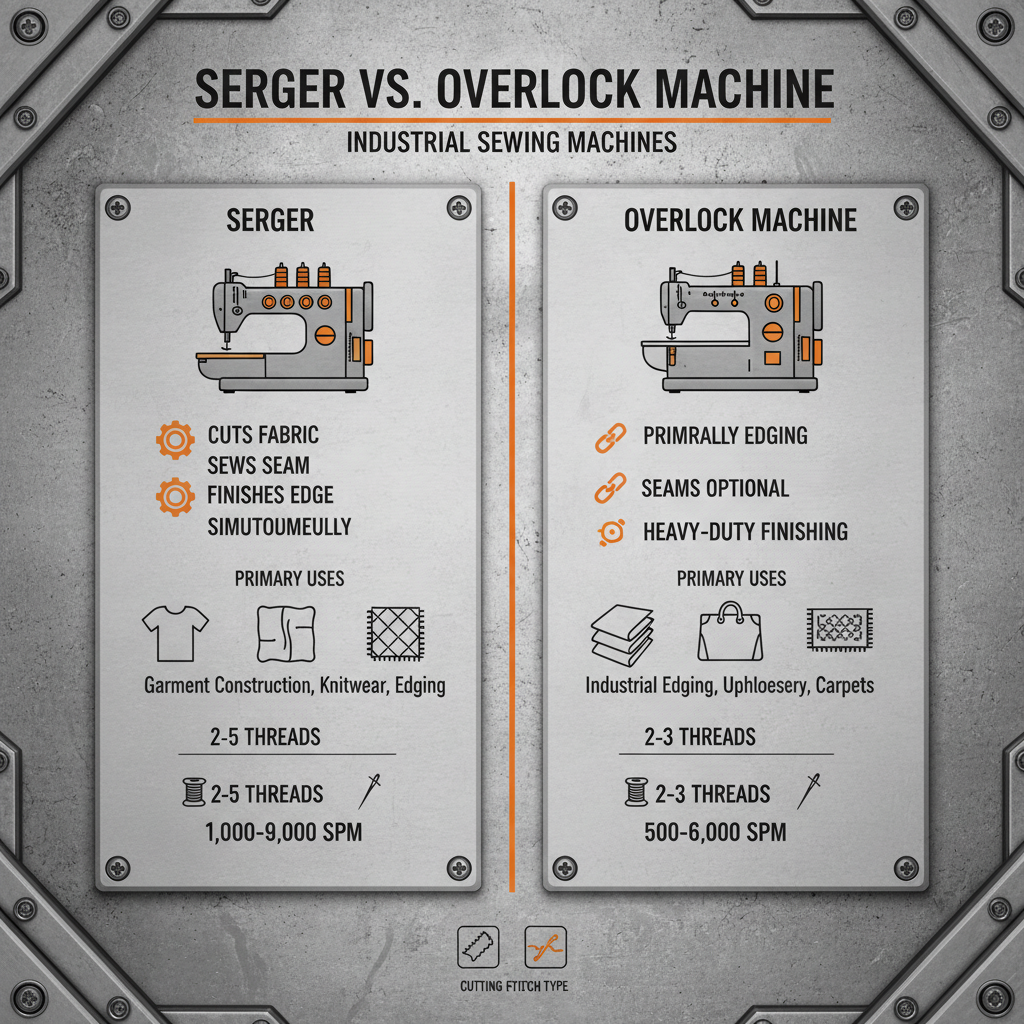
An overlock machine, sometimes called an overlocker, is designed primarily to finish raw fabric edges. It prevents fraying by wrapping thread around the edge of the fabric, creating a neat and professional finish. This is crucial for garments and items that will undergo frequent washing and wear. Overlock machines typically use 3, 4, or 5 threads to create a secure and durable seam. While they can join fabric, their strength isn't comparable to a traditional sewing machine. Longsew’s overlock machines are known for their precision and reliability.
Key Features: Primarily finishes raw edges, prevents fraying, uses 3-5 threads, creates a secure seam finish.
Delving into Serger Capabilities
A serger, a specialized type of overlock machine, goes beyond simply finishing edges. It simultaneously sews a seam, trims excess fabric, and overlocks the raw edge – all in one step. This makes it incredibly efficient for garment construction, especially when working with stretchy or delicate fabrics. Sergers typically use 3, 4, or 5 threads, and many models offer decorative stitch options. Some advanced sergers can even create rolled hems and flatlock seams. While all sergers are overlock machines, not all overlock machines are sergers.
Serger Benefits:
• Simultaneously sews, trims, and overlocks
• Ideal for stretchy and delicate fabrics
• Offers decorative stitch options
• Increases sewing efficiency
Serger vs. Overlock: A Direct Comparison
The core difference lies in functionality. An overlock machine specializes in edge finishing, whereas a serger performs multiple tasks simultaneously. A serger is a more versatile machine, capable of handling a wider range of sewing projects. Consider your primary sewing goals. If you mainly need to finish edges to prevent fraying, an overlock machine is sufficient. If you plan to construct garments from start to finish, a serger will significantly streamline the process.
Ideal Applications: Choosing the Right Machine for Your Projects
Overlock machines are excellent for finishing seams on garments, towels, and other household items. They’re perfect for preventing fraying and creating a professional look. Sergers shine when constructing garments, especially those made from knit or stretch fabrics. They’re also useful for creating rolled hems, flatlock seams, and decorative edging. At Longsew, we offer a diverse selection of both overlock and serger machines to cater to every sewing enthusiast’s needs.
Data: Serger and Overlock Machine Market Growth
The global sewing machine market, including serger and overlock machines, is experiencing significant growth. According to a recent report by Grand View Research, the market was valued at USD 6.15 billion in 2023 and is projected to reach USD 7.85 billion by 2030, growing at a CAGR of 3.6% from 2024 to 2030. This growth is driven by the increasing demand for apparel, home textiles, and the rising popularity of DIY sewing and crafting. Longsew is well-positioned to meet this growing demand with our innovative and high-quality machines.
Conclusion: Choosing the Right Machine for Your Needs
Ultimately, the best choice between a serger and an overlock machine depends on your sewing projects. If you primarily need to finish edges, an overlock machine is a great option. For comprehensive garment construction and versatility, a serger is the way to go. Explore our range of sergers and overlock machines at Longsew and find the perfect fit for your sewing aspirations.
Frequently Asked Questions (FAQs)
Can an overlock machine be used to sew seams?
While an overlock machine can join fabric, it's not its primary function. The seams created by an overlock are less durable and more prone to stretching than those sewn with a traditional sewing machine. Overlock machines are best suited for finishing edges after seams have been sewn with a standard machine. They excel at preventing fraying and creating a professional finish. For strong, reliable seams, a sewing machine is always the preferred choice.
What types of fabrics are best suited for a serger?
Sergers are particularly well-suited for knit and stretch fabrics. Their ability to simultaneously sew, trim, and overlock prevents these fabrics from unraveling and creates a professional finish that can withstand stretching. They also handle delicate fabrics like chiffon and silk beautifully. However, sergers can also be used on woven fabrics, although you may need to adjust the tension settings to achieve the best results.
Do I need both an overlock and a serger?
Not necessarily. If you sew primarily woven fabrics and only need to finish edges, an overlock machine may be sufficient. However, if you sew a lot of knit or stretch fabrics, or if you want the efficiency of a machine that can sew, trim, and overlock in one step, a serger is a valuable investment. Many experienced sewers eventually choose to have both machines to maximize their capabilities.
How much does a good serger or overlock machine cost?
The cost varies greatly depending on the features and brand. Entry-level overlock machines can start around $200-$300, while more advanced sergers can cost $800 or more. Longsew offers a range of machines to fit different budgets, with options for both beginners and experienced sewers. Consider your sewing needs and budget when making your purchase.
Latest news
-
Industrial Bag Sewing Machine Price and Comprehensive Buying GuideNewsApr.16,2026
-
Industrial Hand Held Bag Closer for Efficient Packaging SealingNewsApr.16,2026
-
Industrial Hand Held Bag Closer Sewing Machine for PackagingNewsApr.16,2026
-
Efficient Industrial Bag Closer Sewing Machine for PackagingNewsApr.16,2026
-
Industrial Sewing Guide for Choosing the Right Closer MachineNewsApr.16,2026
-
Guide to Capital Bag Closer Machine Price and Buying FactorsNewsApr.16,2026
-
Say goodbye to inefficient cutting! This heavy-duty webbing hot cutting machine redefines the new standard for industrial cuttingNewsApr.14,2026

Hebei LongSew Machinery Technology Co. Ltd is beginning as sewing machine parts supplier, now Longsew have over twenty years experience in complete set sewing machine offering.


CLASSIFICATION
CONTACT US
-

No.368 North Youyi Street, Shijiazhuang City, Hebei Province, China
-

-

Copyright © 2026 HEBEI LONGSEW MACHINERY TECHNOLOGY CO. LTD All Rights Reserved. Sitemap | Privacy Policy | Top Blog | Global Service