

Mar . 24, 2026 02:05
Back to list
What is Overlock Sewing A Comprehensive Guide to Serging Techniques
What is Overlock Sewing? A Comprehensive Guide
Overlock sewing, also known as serging, is a vital technique in modern garment construction and textile finishing. It involves using a specialized sewing machine to create a clean, professional edge on fabric, preventing fraying and adding durability. Unlike a standard sewing machine that uses two threads, an overlock machine employs three, four, or even more threads simultaneously. This creates a looped stitch that encases the fabric edge. Understanding overlock sewing is crucial for anyone involved in sewing, from hobbyists to professional apparel manufacturers. It significantly improves the quality and longevity of textile products.
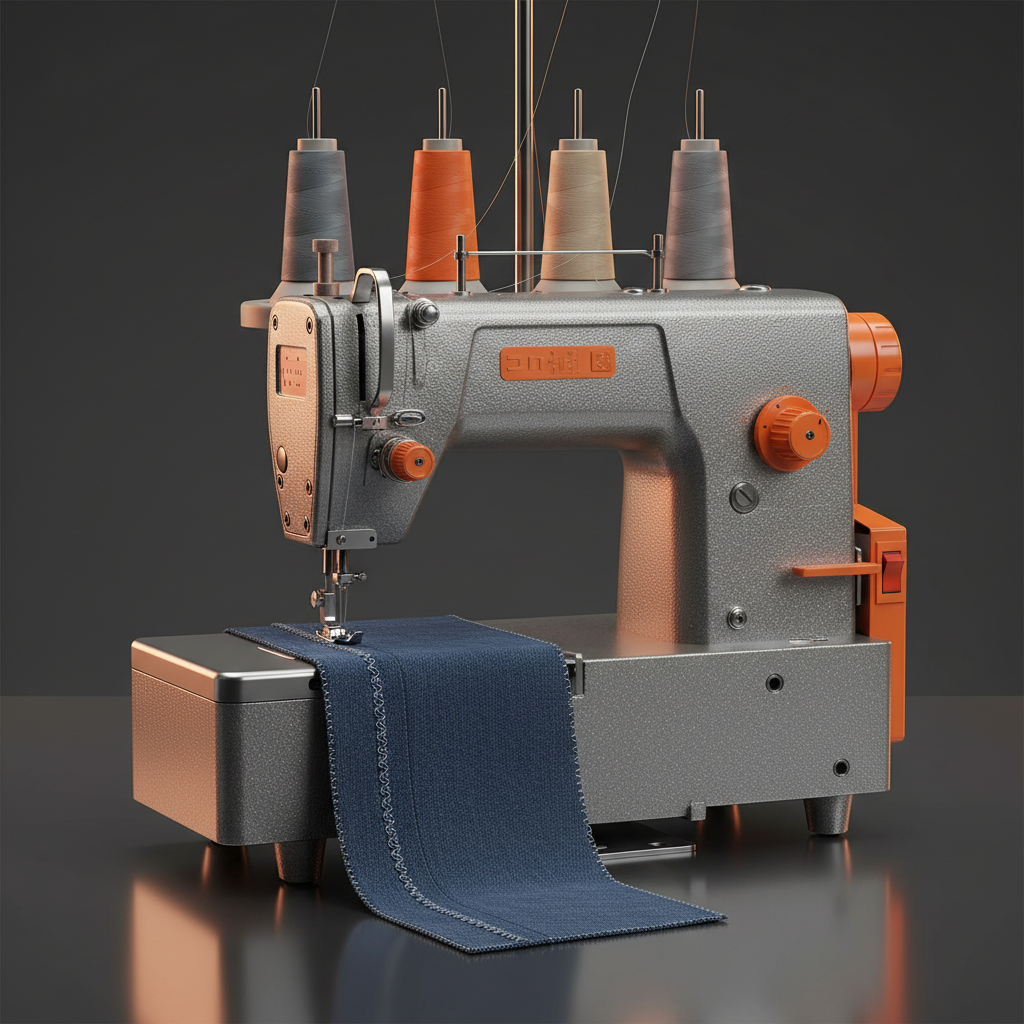
The Core Function of Overlock Sewing
The primary function of overlock sewing is to encase the raw edge of fabric, preventing unraveling and providing a neat finish. This is achieved by creating a looped stitch that wraps around the edge, securing the fibers. Overlocking is particularly important for knit fabrics, which are prone to stretching and fraying. The stretchable nature of the overlock stitch allows the fabric to maintain its shape and prevents puckering. It's also used to join fabric pieces together, creating seams that are both strong and flexible. The process is faster than traditional sewing methods and results in a more professional-looking garment.
Key Benefits: Prevents fabric fraying, adds durability to seams, provides a clean and professional finish, and is especially effective with knit fabrics.
Overlock vs. Standard Sewing: A Detailed Comparison
While both overlock and standard sewing machines create seams, they differ significantly in their function and capabilities. Standard sewing machines create a straight or zigzag stitch, primarily joining fabric pieces. Overlock machines, however, simultaneously cut, seam, and finish the edge of the fabric in a single pass. This makes them incredibly efficient for garment production. The overlock stitch is more flexible and durable, making it ideal for garments that experience a lot of wear and tear. Understanding these differences is essential for choosing the right machine and technique for your sewing project. You can find a variety of overlock machines at Longsew.
Key Differences:
• Overlock: Cuts, seams, and finishes edges simultaneously.
• Standard: Primarily joins fabric pieces with straight or zigzag stitches.
• Overlock stitch: More flexible and durable.
• Standard stitch: Less flexible, suitable for lighter-weight fabrics.
Types of Overlock Sewing Stitches
There are several types of overlock stitches, each serving a specific purpose. The most common is the 3-thread overlock, which is ideal for finishing raw edges and light to medium-weight fabrics. A 4-thread overlock provides a stronger and more durable seam, suitable for heavier fabrics and garments that require extra reinforcement. A 5-thread overlock offers even greater strength and security, often used for industrial applications and high-stress seams. Rolled hem overlock is designed to create a narrow, delicate finish, perfect for scarves and lightweight fabrics. Choosing the right stitch depends on the fabric type, the intended use of the garment, and the desired aesthetic.
Overlock Machine Features and Considerations
When selecting an overlock machine, several features are worth considering. Differential feed allows you to adjust the rate at which the fabric is fed through the machine, preventing stretching or puckering, especially with knit fabrics. Adjustable stitch length and width provide versatility for different fabric types and desired finishes. Built-in rolled hem capability simplifies the creation of delicate edges. The ease of threading is also crucial, as overlock machines can be more complex to thread than standard sewing machines. Longsew offers a diverse range of overlock machines with these features, catering to various sewing needs and budgets.
Applications of Overlock Sewing
Overlock sewing has a wide range of applications, from apparel manufacturing to home décor. It is essential for creating professional-looking garments, including t-shirts, dresses, and sportswear. In home sewing, overlocking is perfect for finishing edges on quilts, pillows, and other fabric projects. It’s also used to create decorative edges and add a polished look to any sewing project. Whether you’re a professional seamstress or a hobbyist, mastering overlock sewing will elevate the quality of your work.
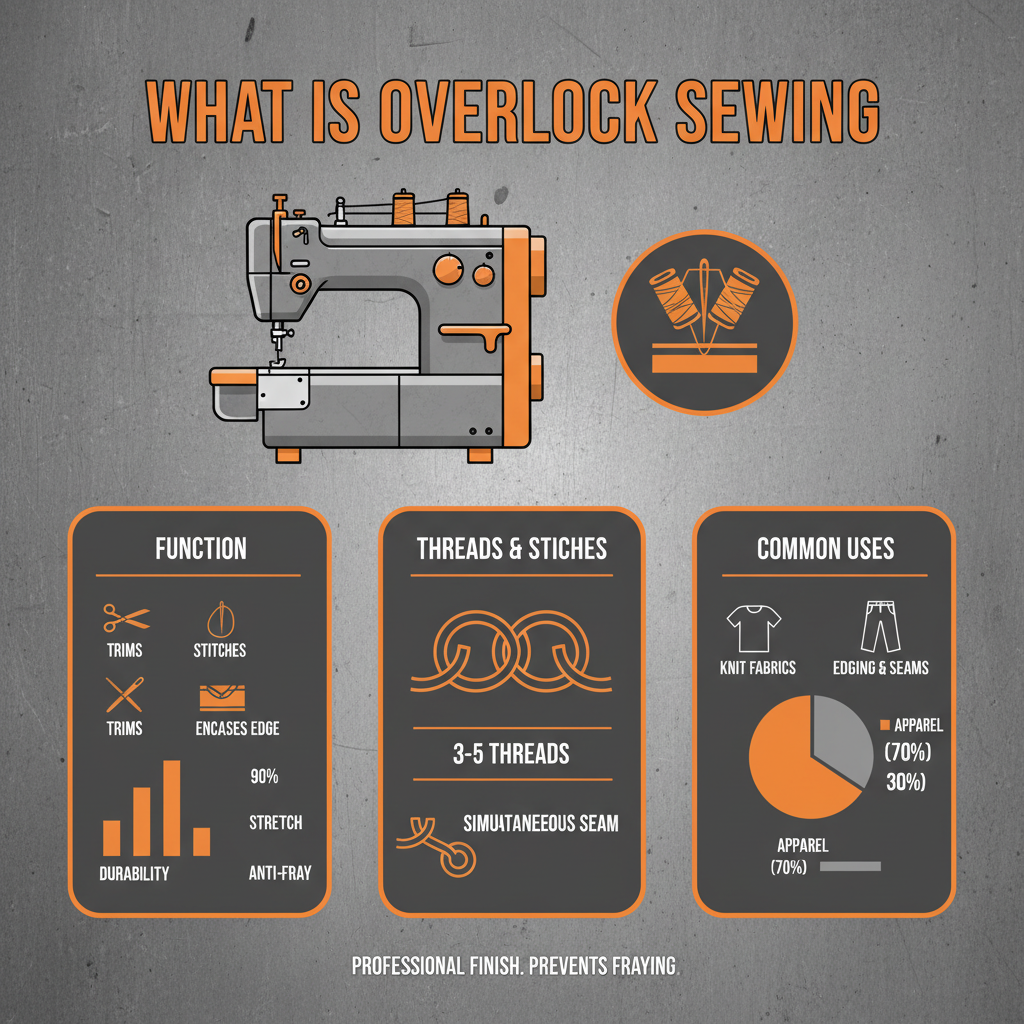
Conclusion: A Cornerstone of Quality Sewing
In conclusion, overlock sewing is a crucial technique for achieving durable, professional-quality results in a variety of textile applications. Understanding its benefits and mastering the skills involved are essential for anyone passionate about sewing. Investing in a quality overlock machine from a reputable supplier like Longsew is a step towards creating lasting and beautiful products.
Frequently Asked Questions (FAQs)
What type of fabric is best suited for overlock sewing?
Overlock sewing is exceptionally well-suited for knit fabrics like jersey, fleece, and rib knit because of its ability to handle stretch without causing puckering. However, it’s also effective for woven fabrics such as cotton, linen, and denim, especially when a durable and clean edge finish is desired. The key is to select the appropriate stitch type and settings for the specific fabric weight and weave. Experimentation with scrap fabric is always recommended to achieve optimal results.
Can I use overlock sewing for seams as well as finishing edges?
Yes, absolutely! Overlock sewing is often used for both. A 3-thread overlock is great for finishing raw edges, while a 4-thread overlock creates a stronger, more secure seam. This eliminates the need for separate seam finishing steps, saving time and effort. The flexibility and strength of the overlock stitch make it a versatile choice for creating garments that will withstand wear and tear.
How often should I oil my overlock machine?
Regular oiling is crucial for maintaining the performance of your overlock machine. Generally, you should oil it before each use, especially if you use it frequently. Focus on the areas identified in your machine's manual, typically including the needle bar, loopers, and tension disks. Using a high-quality sewing machine oil is essential. Proper lubrication ensures smooth operation and prevents premature wear and tear. Check your machine's manual for specific oiling recommendations.
Latest news
-
Industrial Bag Sewing Machine Price and Comprehensive Buying GuideNewsApr.16,2026
-
Industrial Hand Held Bag Closer for Efficient Packaging SealingNewsApr.16,2026
-
Industrial Hand Held Bag Closer Sewing Machine for PackagingNewsApr.16,2026
-
Efficient Industrial Bag Closer Sewing Machine for PackagingNewsApr.16,2026
-
Industrial Sewing Guide for Choosing the Right Closer MachineNewsApr.16,2026
-
Guide to Capital Bag Closer Machine Price and Buying FactorsNewsApr.16,2026
-
Say goodbye to inefficient cutting! This heavy-duty webbing hot cutting machine redefines the new standard for industrial cuttingNewsApr.14,2026

Hebei LongSew Machinery Technology Co. Ltd is beginning as sewing machine parts supplier, now Longsew have over twenty years experience in complete set sewing machine offering.


CLASSIFICATION
CONTACT US
-

No.368 North Youyi Street, Shijiazhuang City, Hebei Province, China
-

-

Copyright © 2026 HEBEI LONGSEW MACHINERY TECHNOLOGY CO. LTD All Rights Reserved. Sitemap | Privacy Policy | Top Blog | Global Service