

Mar . 24, 2026 02:05
Back to list
What is an Overlocking Stitch A Comprehensive Guide to Serging Techniques
What is an Overlocking Stitch? A Comprehensive Guide
The overlocking stitch, also known as serging, is a crucial technique in sewing and textile production. It’s a method of finishing raw fabric edges to prevent fraying and creating a professional-looking seam. This is particularly important in garments and items that will undergo frequent washing or wear. Understanding overlocking and its applications can significantly enhance the quality and durability of your sewing projects. Whether you're a beginner or an experienced seamster, this guide will delve into the details of this versatile stitch.
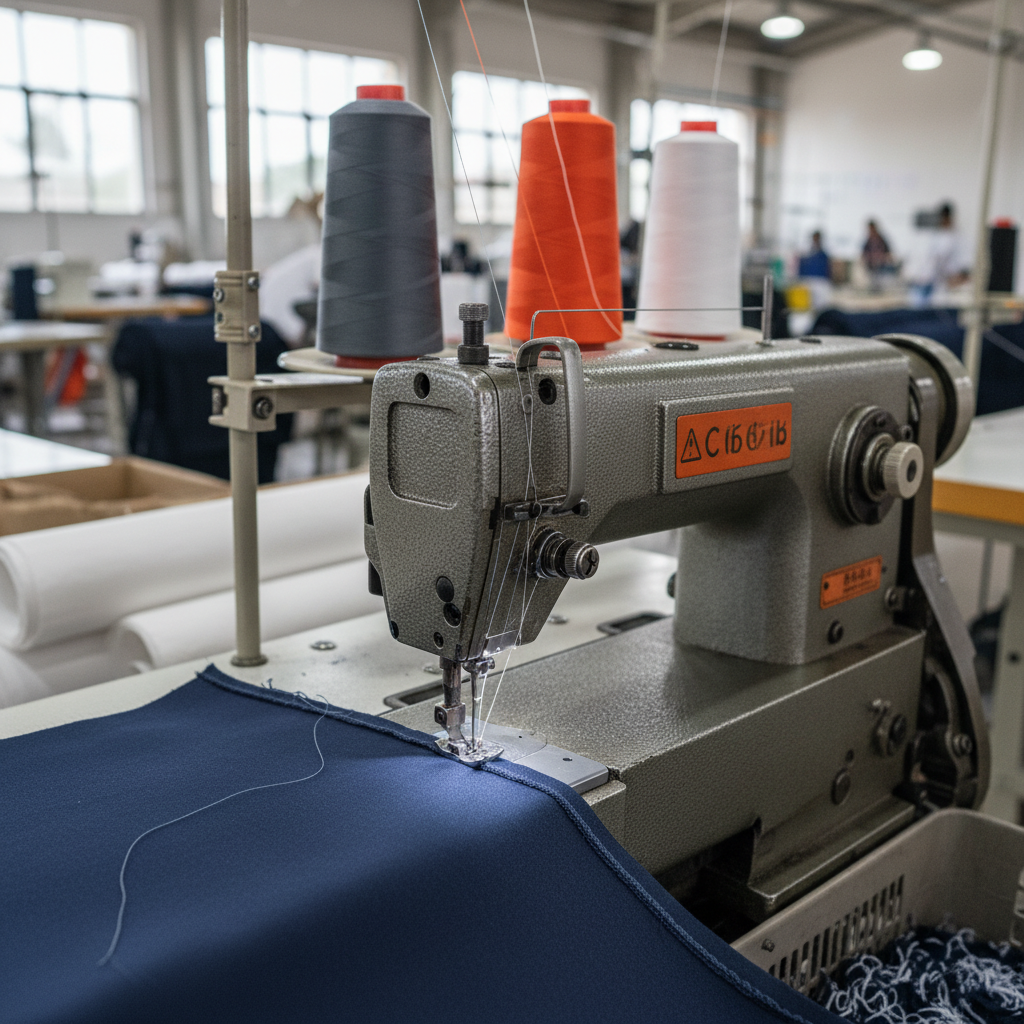
The Core Function of an Overlocking Stitch
At its core, the overlocking stitch wraps thread around the edge of the fabric, encasing it and preventing the fibers from unraveling. This is achieved using a specialized machine called an overlock machine (or serger) which utilizes loopers to create a neat and secure finish. Unlike a standard sewing machine stitch which simply joins fabric pieces, the overlocking stitch simultaneously sews, trims, and finishes the edge. This efficiency makes it a favorite among garment manufacturers and those involved in mass textile production. A strong overlock stitch ensures your finished products maintain their shape and integrity over time.
Key Benefits: Protects fabric edges from fraying, provides a clean and professional finish, saves time by combining sewing and finishing steps, and increases garment durability.
Different Types of Overlocking Stitches
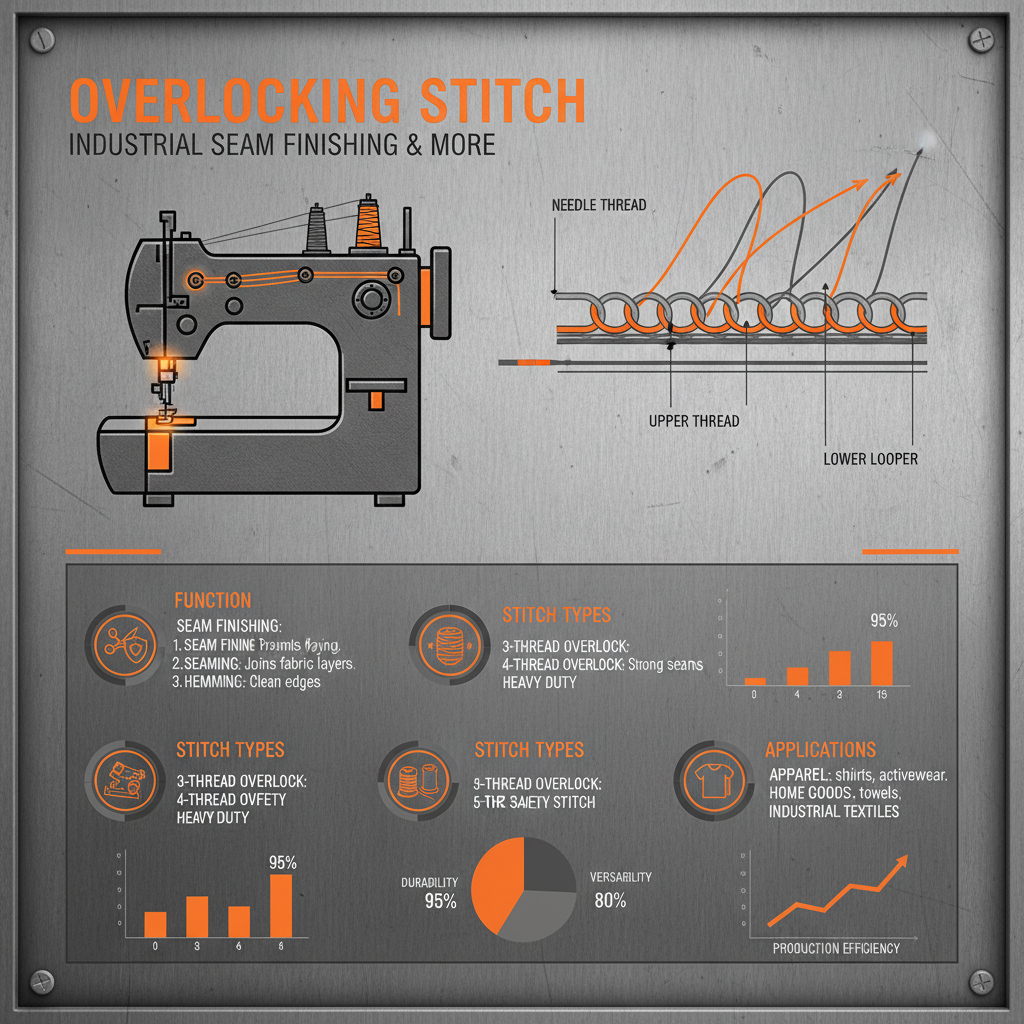
There are several types of overlocking stitches, each serving a specific purpose. The most common is the 3-thread overlock, which provides a basic and effective edge finish. A 4-thread overlock is stronger and more secure, often used for heavier fabrics or garments requiring extra durability. A rolled hem overlock creates a narrow, delicate finish perfect for lightweight fabrics like silk or chiffon. Finally, a flatlock stitch is used to join fabric pieces together while creating a flat, comfortable seam often found in sportswear. Choosing the right stitch depends on the fabric type, desired aesthetic, and intended use of the item.
Overlocking Stitch Types:
• 3-Thread Overlock: Basic edge finishing.
• 4-Thread Overlock: Stronger, more durable seams.
• Rolled Hem: Delicate finish for lightweight fabrics.
• Flatlock: Flat, comfortable seams for sportswear.
Overlocking vs. Zigzag Stitch: A Detailed Comparison
While a zigzag stitch can be used to finish raw edges, it doesn't offer the same level of protection and aesthetic appeal as an overlocking stitch. The overlock stitch completely encapsulates the fabric edge, preventing fraying effectively. A zigzag stitch, on the other hand, only partially covers the edge and can be prone to unraveling over time, especially with frequent washing. Furthermore, the overlock stitch creates a more professional and polished finish. Here’s a quick comparison:
Applications of Overlocking in the Textile Industry
The overlocking stitch is indispensable across various textile applications. Garment manufacturing relies heavily on it for finishing seams, creating hems, and constructing delicate fabrics. In the production of activewear, flatlock overlocking provides comfortable and durable seams that move with the body. Upholstery benefits from the strong and clean edges created by a 4-thread overlock. Even in crafting and DIY projects, the overlocking stitch adds a professional touch to cushions, blankets, and other home décor items. Longsew offers a range of overlock machines suited for various industrial and domestic applications.
Choosing the Right Overlock Machine
Selecting the right overlock machine depends on your needs and budget. Consider the types of fabrics you'll be working with, the frequency of use, and the features you require. Home sewing machines typically use fewer threads and have limited stitch options compared to industrial models. Industrial overlock machines are designed for high-volume production and offer greater speed, durability, and stitch versatility. Longsew provides a variety of overlock machines, from compact home models to robust industrial powerhouses.
Conclusion: The Importance of Mastering the Overlocking Stitch
The overlocking stitch is a fundamental technique for anyone involved in sewing and textile production. Its ability to provide a professional, durable, and clean finish makes it an essential tool for creating high-quality products. Whether you’re a hobbyist or a professional, understanding and mastering this stitch will significantly elevate your sewing projects.
Frequently Asked Questions (FAQs)
What is the difference between overlocking and serging?
The terms "overlocking" and "serging" are often used interchangeably, and essentially refer to the same stitching technique. Overlocking is the more general term describing the process of finishing fabric edges with a looped thread. Serging specifically refers to the use of an overlock machine to achieve this finish. They both involve wrapping thread around the edge of the fabric to prevent fraying and create a clean, professional seam.
Can I use an overlock stitch on all types of fabric?
While the overlock stitch is versatile, some fabrics require specific settings or needles. Lightweight and delicate fabrics like silk and chiffon often benefit from a rolled hem overlock stitch and a finer needle. Heavier fabrics like denim and canvas require a stronger thread and a more robust needle. Always test the stitch on a scrap piece of fabric before working on your final project to ensure the settings are appropriate.
Do I need a special machine to perform an overlock stitch?
Yes, you typically need an overlock machine (also known as a serger) to perform a true overlock stitch. While some standard sewing machines have a zigzag stitch that can be used for edge finishing, it doesn't provide the same level of protection or aesthetic appeal as a dedicated overlock machine. Overlock machines are specifically designed to loop thread around the fabric edge simultaneously sewing, trimming, and finishing the seam.
What are the benefits of using a 4-thread overlock stitch?
A 4-thread overlock stitch is significantly stronger and more durable than a 3-thread stitch. It provides a more secure seam, making it ideal for garments that will undergo frequent wear and washing or for heavier fabrics. The additional thread adds extra reinforcement, preventing the seam from unraveling and extending the lifespan of the garment.
Latest news
-
Industrial Bag Sewing Machine Price and Comprehensive Buying GuideNewsApr.16,2026
-
Industrial Hand Held Bag Closer for Efficient Packaging SealingNewsApr.16,2026
-
Industrial Hand Held Bag Closer Sewing Machine for PackagingNewsApr.16,2026
-
Efficient Industrial Bag Closer Sewing Machine for PackagingNewsApr.16,2026
-
Industrial Sewing Guide for Choosing the Right Closer MachineNewsApr.16,2026
-
Guide to Capital Bag Closer Machine Price and Buying FactorsNewsApr.16,2026
-
Say goodbye to inefficient cutting! This heavy-duty webbing hot cutting machine redefines the new standard for industrial cuttingNewsApr.14,2026

Hebei LongSew Machinery Technology Co. Ltd is beginning as sewing machine parts supplier, now Longsew have over twenty years experience in complete set sewing machine offering.


CLASSIFICATION
CONTACT US
-

No.368 North Youyi Street, Shijiazhuang City, Hebei Province, China
-

-

Copyright © 2026 HEBEI LONGSEW MACHINERY TECHNOLOGY CO. LTD All Rights Reserved. Sitemap | Privacy Policy | Top Blog | Global Service