

Mar . 17, 2026 01:55
Back to list
What Does Overlock Stitch Look Like A Comprehensive Sewing Guide
What Does Overlock Stitch Look Like? A Comprehensive Guide
The overlock stitch, also known as serging, is a crucial technique in sewing and textile manufacturing. Understanding what does overlock stitch look like is essential for garment construction, finishing raw edges, and creating durable seams. This article will delve into the appearance, benefits, types, and applications of the overlock stitch, offering a comprehensive guide for both beginners and experienced sewers. We'll explore why this stitch is a staple in both home sewing and industrial production.
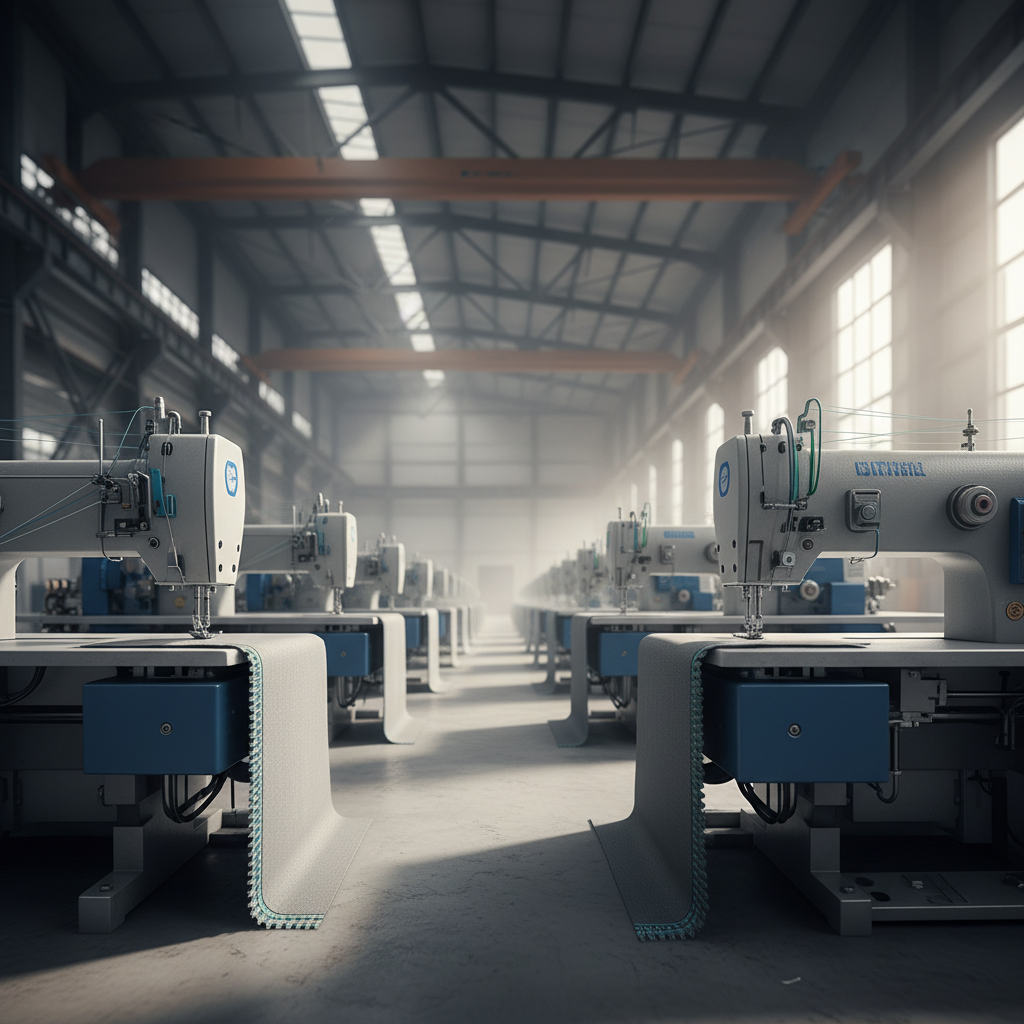
Understanding the Appearance of an Overlock Stitch
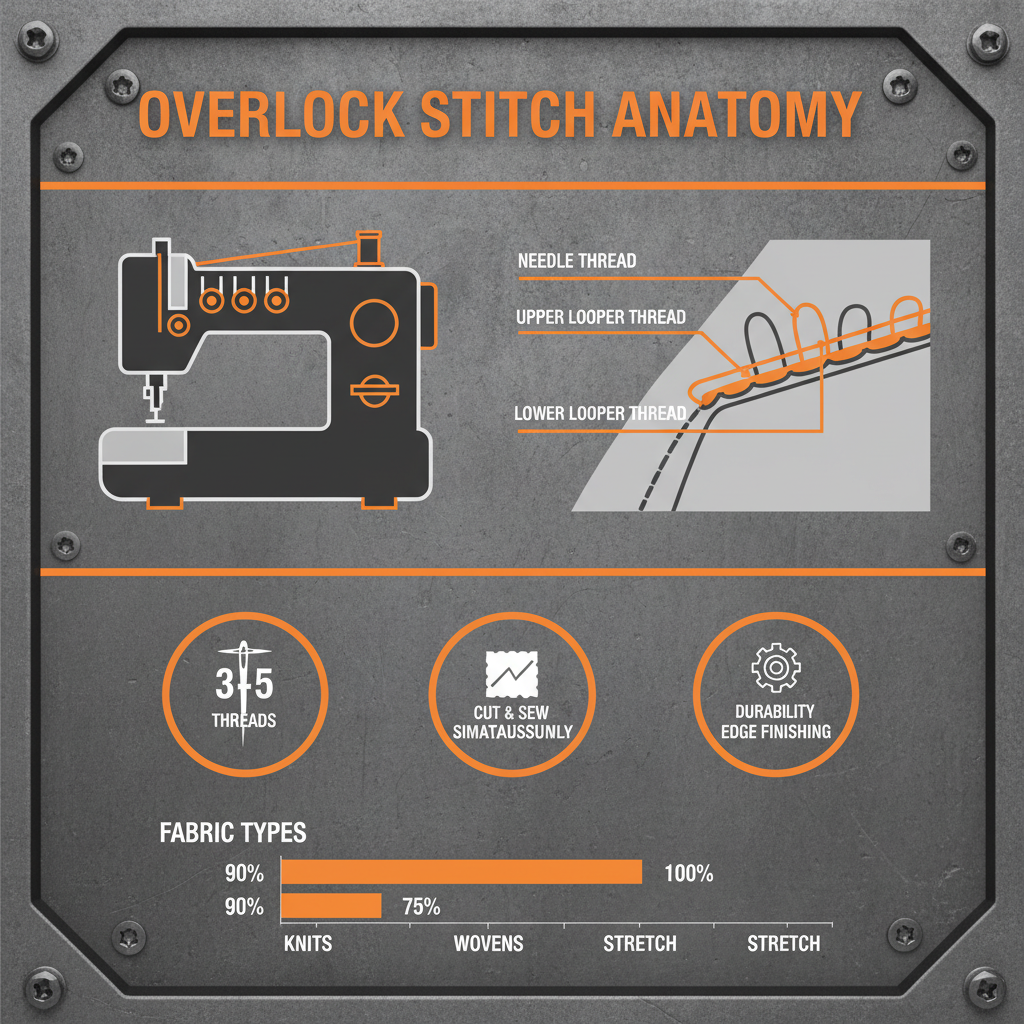
An overlock stitch is characterized by its looped appearance, encasing the fabric edge within threads. It’s created using a loopers and needles simultaneously, resulting in a clean and professional finish. The stitch resembles a chain-like pattern along the edge of the fabric, preventing fraying and adding durability. Unlike a simple straight stitch, the overlock stitch wraps around the edge, creating a secure and neat seam. The density of the loops and the width of the stitch can vary depending on the machine settings and the type of fabric being used.
The Benefits of Using an Overlock Stitch
The overlock stitch offers numerous benefits. Primarily, it prevents fabric edges from unraveling, increasing garment longevity. It creates a clean, professional finish, ideal for ready-to-wear clothing. Furthermore, overlocking can simultaneously cut, sew, and finish the fabric edge, streamlining the sewing process. It's also widely used in constructing stretch fabrics, providing a flexible and durable seam that moves with the material. This is especially important for activewear and knit garments. Investing in an overlock sewing machine is a significant step towards higher quality sewing.
Key Highlights: Prevents fabric edges from unraveling, creates a clean professional finish, and streamlines the sewing process.
Different Types of Overlock Stitches and What They Look Like
There are several variations of the overlock stitch, each with its unique appearance and application. The most common types include the 3-thread overlock, 4-thread overlock, and rolled hem. A 3-thread overlock is lighter and ideal for finishing lightweight fabrics. A 4-thread overlock provides a more secure and durable seam, often used for heavier fabrics and garments requiring extra strength. The rolled hem creates a narrow, delicate finish, commonly used for scarves and lightweight garments. Each stitch type presents a slightly different look, varying in density and width.
Overlock Stitch Types:
• 3-Thread Overlock: Lighter, for lightweight fabrics.
• 4-Thread Overlock: Secure, for heavier fabrics.
• Rolled Hem: Narrow, delicate finish.
Overlock vs. Serger: What's the Difference and How Do They Look?
The terms "overlock" and "serger" are often used interchangeably, but they aren't exactly the same. An overlock is a type of stitch, while a serger is a specific machine designed to create overlock stitches (and other variations). While all sergers can perform an overlock stitch, not all overlock stitches are made on a serger. A serger’s stitch appearance is highly precise and uniform, thanks to its specialized loopers and knives. The resulting seam is exceptionally clean and durable. It’s important to understand this distinction when considering investing in machinery for your sewing needs.
Applications of the Overlock Stitch in Sewing
The overlock stitch is versatile and used in numerous sewing applications. It's essential for finishing seams in garments, preventing fraying and enhancing durability. It's also ideal for creating decorative edges on scarves and napkins. In quilting, overlocking can create neat and tidy edges for binding. Furthermore, the overlock stitch is frequently used in industrial settings for mass production of clothing and textiles. Longsew offers a variety of machines suited for these diverse applications.
Conclusion: Mastering the Overlock Stitch
Understanding what does overlock stitch look like is a cornerstone of quality sewing. Its ability to prevent fraying, enhance durability, and create a professional finish makes it indispensable for both home sewers and industrial manufacturers. Investing in the right equipment and mastering this technique will elevate your sewing projects to a new level of quality and craftsmanship.
Frequently Asked Questions (FAQs)
What fabrics are best suited for an overlock stitch?
The overlock stitch works well on a wide range of fabrics, but it’s particularly beneficial for fabrics that fray easily, such as knits, woven fabrics like chiffon and voile, and fleece. It's also excellent for finishing raw edges on thicker fabrics like denim. The key is to select the appropriate needle and thread for the fabric weight. Lightweight fabrics require finer needles and threads, while heavier fabrics need robust ones. It's also crucial to adjust the stitch length and tension according to the fabric type to achieve optimal results.
Can I use an overlock stitch on curved edges?
Yes, you can definitely use an overlock stitch on curved edges! However, it requires a bit of technique and practice. It’s helpful to stretch the fabric gently as you feed it into the serger, allowing the looper to create a smooth, even finish along the curve. Avoid pulling or forcing the fabric, as this can distort the stitch. Some sergers also have a differential feed adjustment, which can be incredibly useful for sewing curves and preventing puckering.
How often should I change the needles on my serger?
It’s recommended to change your serger needles with every 8-10 hours of use or after completing a large project. Dull or damaged needles can cause skipped stitches, fabric puckering, and even damage to the machine. Regularly replacing the needles ensures consistent stitch quality and prolongs the life of your serger. Always use the correct type and size of needles recommended for your machine and the fabric you’re sewing.
Latest news
-
Industrial Bag Sewing Machine Price and Comprehensive Buying GuideNewsApr.16,2026
-
Industrial Hand Held Bag Closer for Efficient Packaging SealingNewsApr.16,2026
-
Industrial Hand Held Bag Closer Sewing Machine for PackagingNewsApr.16,2026
-
Efficient Industrial Bag Closer Sewing Machine for PackagingNewsApr.16,2026
-
Industrial Sewing Guide for Choosing the Right Closer MachineNewsApr.16,2026
-
Guide to Capital Bag Closer Machine Price and Buying FactorsNewsApr.16,2026
-
Say goodbye to inefficient cutting! This heavy-duty webbing hot cutting machine redefines the new standard for industrial cuttingNewsApr.14,2026

Hebei LongSew Machinery Technology Co. Ltd is beginning as sewing machine parts supplier, now Longsew have over twenty years experience in complete set sewing machine offering.


CLASSIFICATION
CONTACT US
-

No.368 North Youyi Street, Shijiazhuang City, Hebei Province, China
-

-

Copyright © 2026 HEBEI LONGSEW MACHINERY TECHNOLOGY CO. LTD All Rights Reserved. Sitemap | Privacy Policy | Top Blog | Global Service