

Mar . 24, 2026 02:05
Back to list
Understanding the Differences Between a Serger and an Overlocker Machines
What is the Difference Between a Serger and an Overlocker?
For sewing enthusiasts and professionals alike, understanding the nuances of sewing machines is crucial. Two machines often discussed – and sometimes confused – are sergers and overlockers. While often used interchangeably, there are subtle, yet important, differences between the two. This article will explore these distinctions, helping you determine which machine best suits your sewing needs. Choosing the right machine can elevate your projects from good to truly professional. Longsew provides a wide range of high-quality sergers and overlockers to help you achieve your sewing goals.
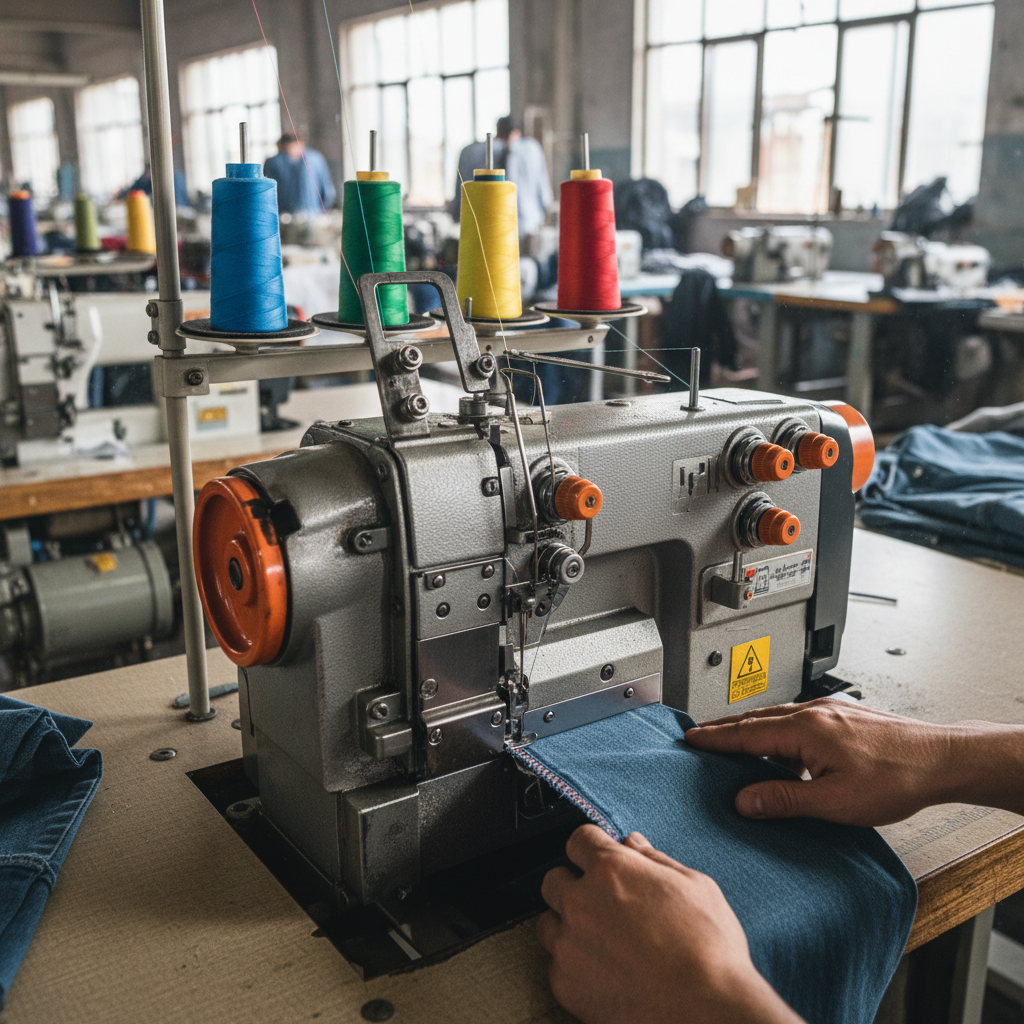
Understanding the Core Function: Overlocking
The primary function of an overlocker is to encase the raw edges of fabric, preventing fraying. It accomplishes this by simultaneously cutting the fabric and stitching over the edge with thread. This creates a clean, professional finish, particularly useful for knit fabrics which are prone to unraveling. Overlockers generally use 3, 4, or 5 threads to create various stitch types. The key benefit of overlocking is durability and a neat appearance. Longsew's overlockers are designed for precision and reliability.
Key Highlight: Overlockers excel at preventing fabric fraying and creating a durable, professional edge finish.
Expanding Capabilities: The Serger
A serger, while capable of overlocking, offers a broader range of functionalities. Beyond simply finishing edges, sergers can simultaneously seam and trim fabric, making them ideal for efficient construction of garments. They are also capable of creating decorative edges, rolled hems, and flatlocked seams. Many sergers offer differential feed, which allows for precise control over fabric tension and prevents stretching or puckering, particularly important when working with delicate or stretchy materials. Explore the versatile serger options at Longsew.
Serger Benefits:
• Seams, trims, and overlocks simultaneously
• Creates decorative edges
• Differential feed for precise fabric control
• Offers more stitch options
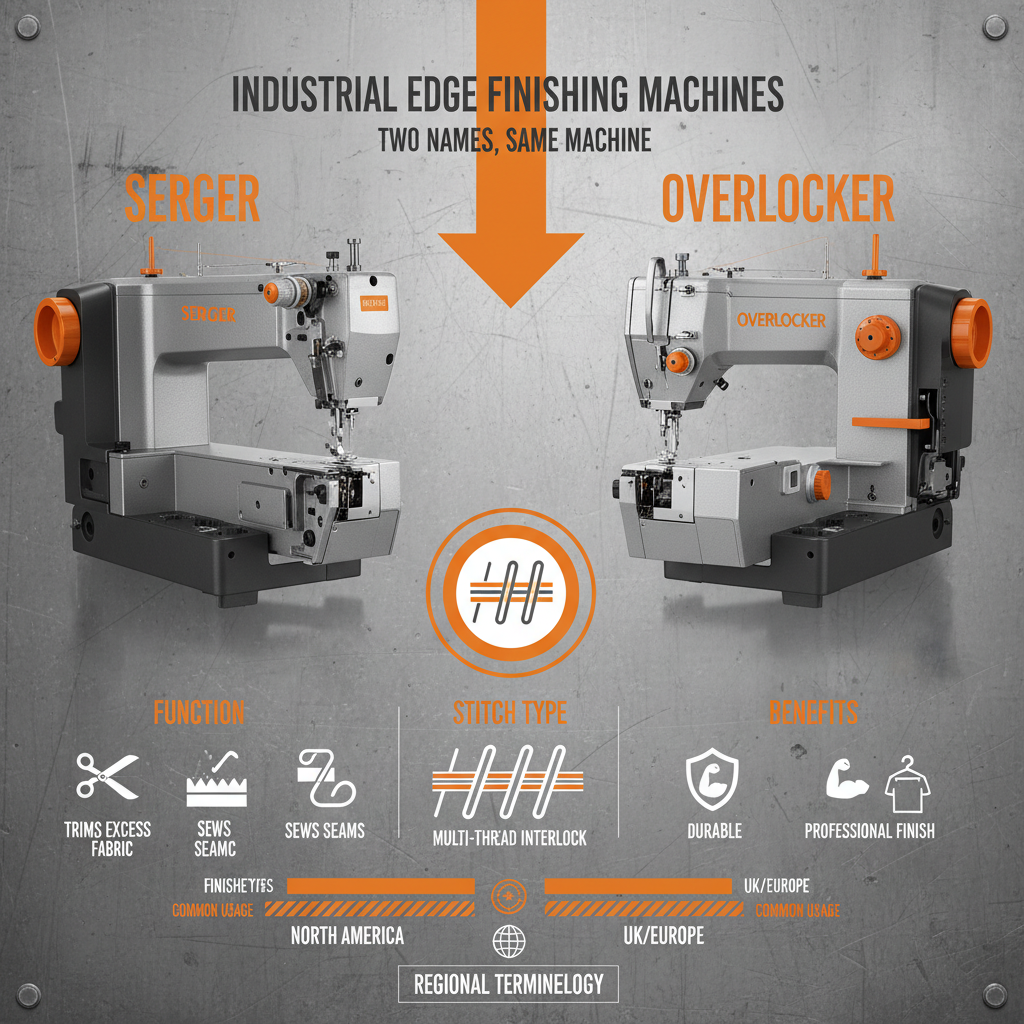
What is the Difference Between a Serger and an Overlocker? A Detailed Comparison
The terms 'serger' and 'overlocker' are often used interchangeably, especially in North America where 'serger' is the more common term. However, there are subtle distinctions. While all sergers can overlock, not all overlockers are sergers. Sergers generally have more capabilities, like differential feed and a wider variety of stitch types. Overlockers are primarily focused on finishing raw edges. The following table outlines key differences:
Choosing the Right Machine: Serger vs. Overlocker
If you primarily need a machine to prevent fabric fraying and finish edges, an overlocker is a great choice. However, if you’re looking for a more versatile machine capable of seaming, trimming, and decorative stitching, a serger is the better option. For complex garment construction and frequent sewing, a serger will significantly speed up your workflow. Consider your budget, sewing frequency, and project types when making your decision. Longsew offers both high-quality sergers and overlockers to suit every need and budget.
Conclusion: Finding the Perfect Fit for Your Sewing Needs
Ultimately, the choice between a serger and an overlocker depends on your specific sewing requirements. While often used interchangeably, understanding their distinct capabilities is key to making an informed decision. Whether you're a beginner or a seasoned professional, Longsew provides the machines and expertise to help you achieve beautiful, professional results.
Frequently Asked Questions (FAQs)
Can I use a serger instead of a regular sewing machine?
While a serger can perform some functions of a regular sewing machine, such as seaming, it's not a complete replacement. A serger excels at finishing edges and working with knit fabrics, but it typically can't handle tasks like buttonholes or zippers as effectively as a standard sewing machine. For comprehensive sewing needs, it's best to have both a serger and a traditional sewing machine.
What type of fabric is best suited for a serger?
Sergers are particularly well-suited for knit fabrics, as they prevent unraveling and create a stretchy, durable seam. However, they also work beautifully with woven fabrics, especially for finishing edges and creating lightweight seams. The differential feed feature allows for precise control over fabric tension, making sergers ideal for a wide range of materials, from delicate silks to sturdy denims.
How often should I oil my serger/overlocker?
Regular oiling is crucial for maintaining the performance of your serger or overlocker. The frequency depends on usage, but generally, oiling after every 8 hours of use is recommended. Refer to your machine's manual for specific instructions on oiling points and recommended oil types. Proper lubrication ensures smooth operation and prevents wear and tear.
Is it difficult to learn how to use a serger?
While sergers may seem intimidating at first, they are not overly difficult to learn. It takes practice to master threading and adjusting the settings, but with patience and the help of online tutorials or classes, you can quickly become proficient. Longsew offers resources and support to help you get the most out of your serger.
Latest news
-
Industrial Bag Sewing Machine Price and Comprehensive Buying GuideNewsApr.16,2026
-
Industrial Hand Held Bag Closer for Efficient Packaging SealingNewsApr.16,2026
-
Industrial Hand Held Bag Closer Sewing Machine for PackagingNewsApr.16,2026
-
Efficient Industrial Bag Closer Sewing Machine for PackagingNewsApr.16,2026
-
Industrial Sewing Guide for Choosing the Right Closer MachineNewsApr.16,2026
-
Guide to Capital Bag Closer Machine Price and Buying FactorsNewsApr.16,2026
-
Say goodbye to inefficient cutting! This heavy-duty webbing hot cutting machine redefines the new standard for industrial cuttingNewsApr.14,2026

Hebei LongSew Machinery Technology Co. Ltd is beginning as sewing machine parts supplier, now Longsew have over twenty years experience in complete set sewing machine offering.


CLASSIFICATION
CONTACT US
-

No.368 North Youyi Street, Shijiazhuang City, Hebei Province, China
-

-

Copyright © 2026 HEBEI LONGSEW MACHINERY TECHNOLOGY CO. LTD All Rights Reserved. Sitemap | Privacy Policy | Top Blog | Global Service