

Mar . 19, 2026 01:55
Back to list
What is a Good Serger to Buy A Comprehensive Guide for Beginners and Experts
What is a Good Serger to Buy? A Comprehensive Guide
Choosing the right serger can dramatically improve the quality and efficiency of your sewing projects. A serger, also known as an overlock machine, simultaneously sews a seam, trims the excess fabric, and overcasts the raw edges to prevent fraying. But with so many options available, finding a good serger to buy can be overwhelming. This guide will walk you through the key features, types, and some top recommendations to help you make an informed decision. Whether you're a beginner or a seasoned sewer, a serger is an invaluable addition to your sewing room.
Understanding the Different Types of Sergers
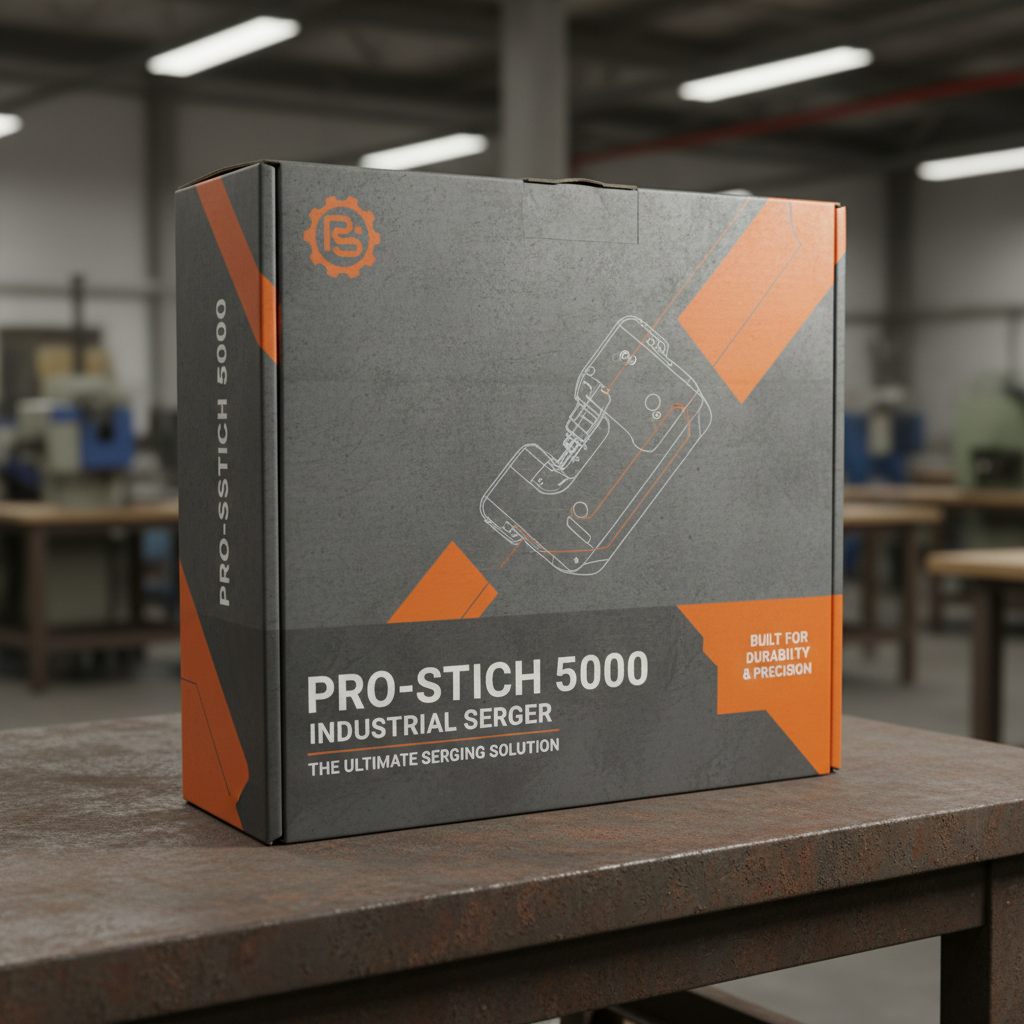
Sergers come in various types, each catering to different needs and budgets. The most common types include 3/4 thread sergers, 5/6/7/8 thread sergers, and combo serger/coverstitch machines. 3/4 thread sergers are great for basic overlocking and rolled hems, making them ideal for beginners. 5/6/7/8 thread sergers offer more versatility with features like flatlocking, rolled hems, and decorative stitching. Combo machines combine serging and coverstitching capabilities, allowing you to create professional-looking hems and decorative details. Choosing the right type depends on the types of projects you typically work on and your desired level of complexity.
Key Serger Types: 3/4 Thread Sergers (beginner-friendly), 5/6/7/8 Thread Sergers (versatile), Combo Serger/Coverstitch (all-in-one solution).
What to Look for in a Good Serger
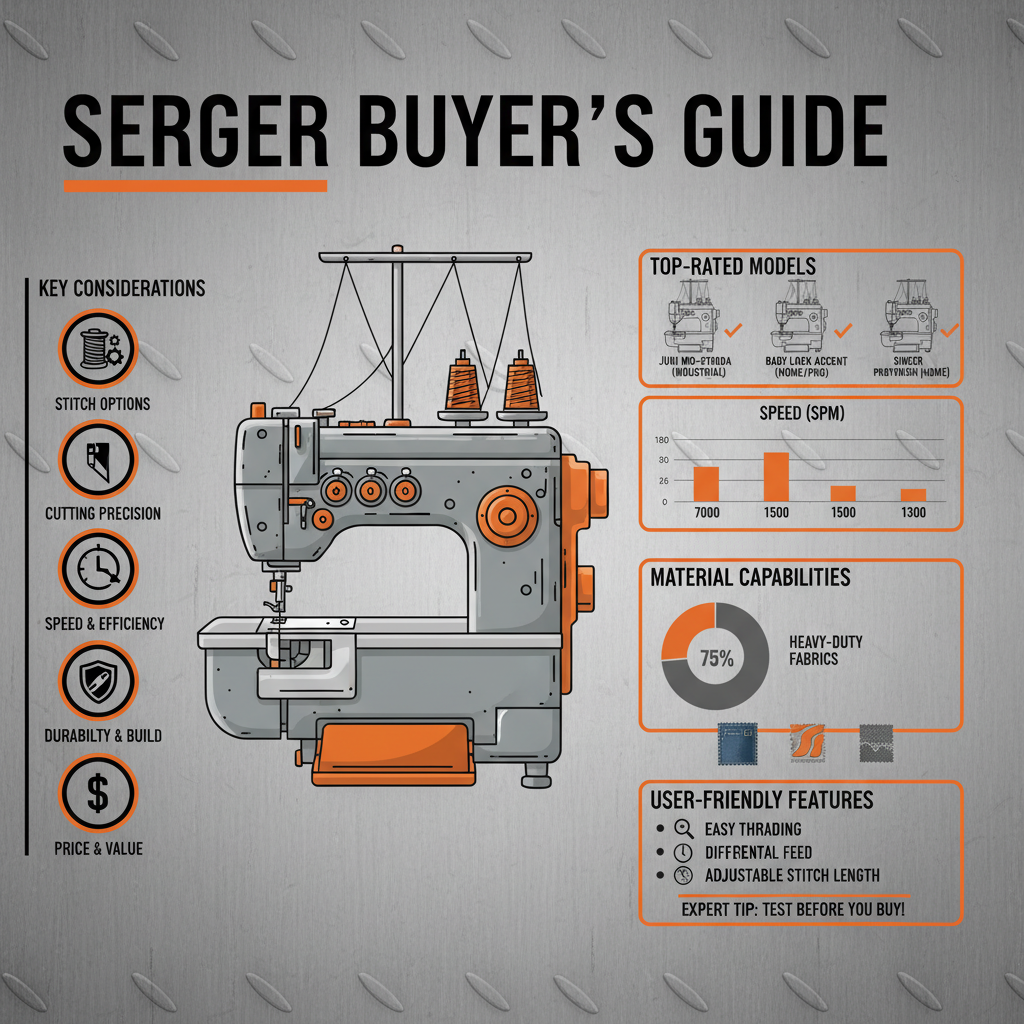
When evaluating sergers, consider several key features. Differential feed is crucial for preventing wavy seams on stretchy fabrics. Adjustable stitch length and width allow for customization. Automatic tension is a lifesaver, especially for beginners, as it simplifies threading and ensures balanced stitches. A free arm is helpful for sewing cuffs and sleeves. Finally, look for a serger with good lighting and a clear threading guide, as threading can be one of the most challenging aspects of serger operation. A high-quality serger will make your sewing experience much more enjoyable and efficient.
Essential Features:
• Differential Feed
• Adjustable Stitch Length & Width
• Automatic Tension
• Free Arm
Comparing Popular Serger Models
Several sergers consistently receive high ratings. The Juki MO-654DE is renowned for its reliability and ease of use, making it a popular choice for beginners. The Brother ST371HD offers excellent value with a range of features at an affordable price point. The Janome MOD8933 is a high-end model with advanced capabilities for experienced sewers. Each model has its strengths and weaknesses, so consider your specific needs and budget.
Budget Considerations: How Much Should You Spend?
Serger prices can range from under $200 to over $1000. Entry-level sergers are a good starting point for beginners, offering basic functionality at an affordable price. Mid-range sergers provide more features and durability. High-end sergers are designed for professional use and offer advanced capabilities. Consider your budget and sewing needs when making your decision. Remember that investing in a slightly more expensive serger with better features and build quality can save you money in the long run by reducing the need for repairs or replacements. At Longsew we provide a range of sergers to fit various budgets.
Conclusion: Finding the Perfect Serger for You
Choosing a good serger to buy involves careful consideration of your sewing needs, budget, and desired features. Whether you're a beginner or a seasoned pro, there's a serger out there that's perfect for you. By understanding the different types of sergers, key features, and popular models, you can make an informed decision and invest in a machine that will enhance your sewing experience for years to come.
Frequently Asked Questions (FAQs)
What is the learning curve like for using a serger?
The learning curve can be a bit steep initially, especially when it comes to threading the machine. However, with practice and patience, most beginners can master the basics within a few weeks. Look for sergers with clear threading guides and automatic tension features to simplify the process. Online tutorials and classes can also be incredibly helpful. Don’t be afraid to experiment with different stitch settings and fabrics to get comfortable with the machine's capabilities.
How often do sergers need maintenance?
Regular maintenance is essential for keeping your serger running smoothly. This includes cleaning out lint after each use, oiling the machine according to the manufacturer's instructions, and replacing needles and blades as needed. It’s also a good idea to have your serger professionally serviced once a year to ensure optimal performance.
Can a serger be used on all types of fabric?
Sergers are versatile machines, but some fabrics require more care than others. Lightweight or delicate fabrics may need a lower stitch length and narrower stitch width. Stretchy fabrics benefit from differential feed to prevent wavy seams. Thick fabrics may require a more powerful serger and a heavier needle. Always test the serger on a scrap of fabric before starting your project to ensure the settings are correct.
Latest news
-
Industrial Bag Sewing Machine Price and Comprehensive Buying GuideNewsApr.16,2026
-
Industrial Hand Held Bag Closer for Efficient Packaging SealingNewsApr.16,2026
-
Industrial Hand Held Bag Closer Sewing Machine for PackagingNewsApr.16,2026
-
Efficient Industrial Bag Closer Sewing Machine for PackagingNewsApr.16,2026
-
Industrial Sewing Guide for Choosing the Right Closer MachineNewsApr.16,2026
-
Guide to Capital Bag Closer Machine Price and Buying FactorsNewsApr.16,2026
-
Say goodbye to inefficient cutting! This heavy-duty webbing hot cutting machine redefines the new standard for industrial cuttingNewsApr.14,2026

Hebei LongSew Machinery Technology Co. Ltd is beginning as sewing machine parts supplier, now Longsew have over twenty years experience in complete set sewing machine offering.


CLASSIFICATION
CONTACT US
-

No.368 North Youyi Street, Shijiazhuang City, Hebei Province, China
-

-

Copyright © 2026 HEBEI LONGSEW MACHINERY TECHNOLOGY CO. LTD All Rights Reserved. Sitemap | Privacy Policy | Top Blog | Global Service