

Mar . 17, 2026 01:55
Back to list
What Does Serger Machine Do A Complete Guide to Overlock Sewing
What Does a Serger Machine Do? A Comprehensive Guide
Are you new to sewing and hearing about serger machines? Or perhaps you're wondering if a serger is worth the investment beyond a standard sewing machine? This article will comprehensively explain what a serger machine does, its benefits, how it differs from a sewing machine, and whether it’s the right tool for your sewing projects. We’ll break down the technical aspects in an easy-to-understand way, helping you determine if a serger will elevate your sewing game.
Understanding the Core Function of a Serger
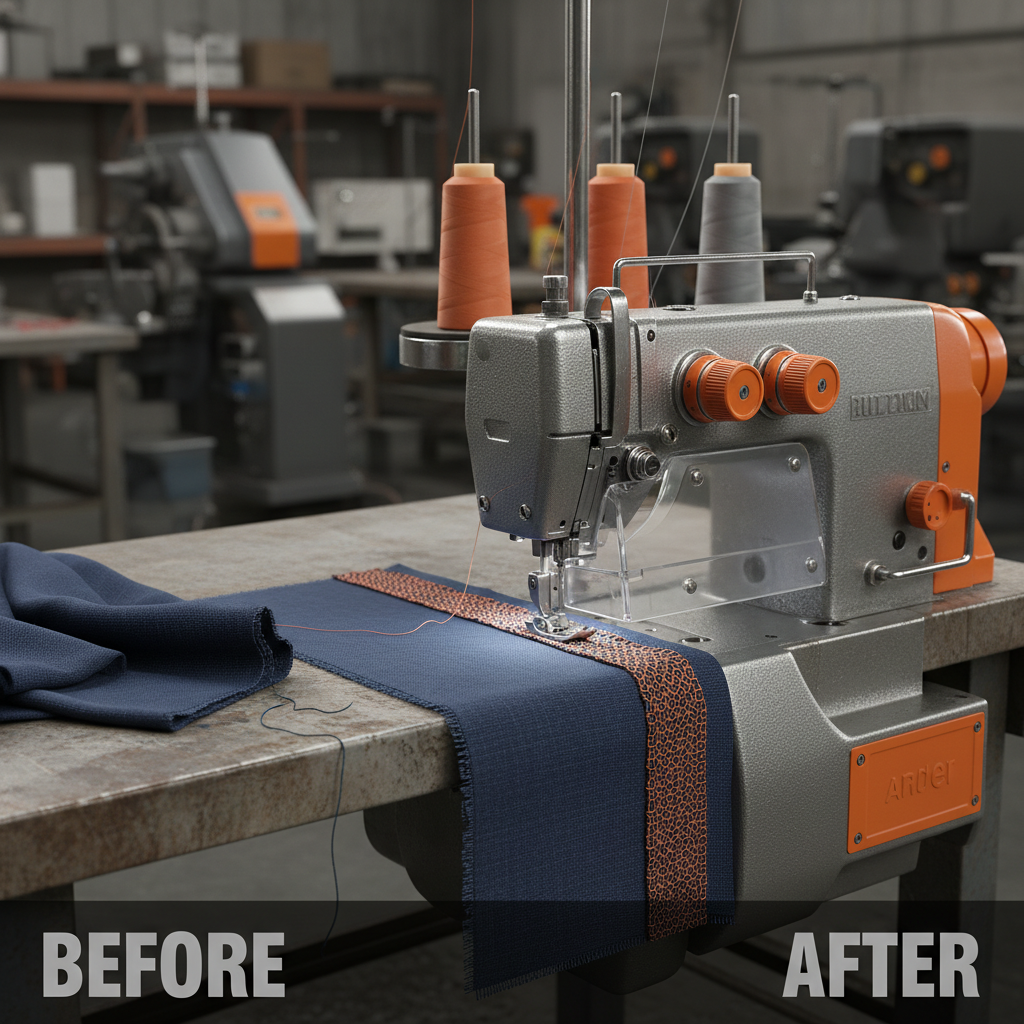
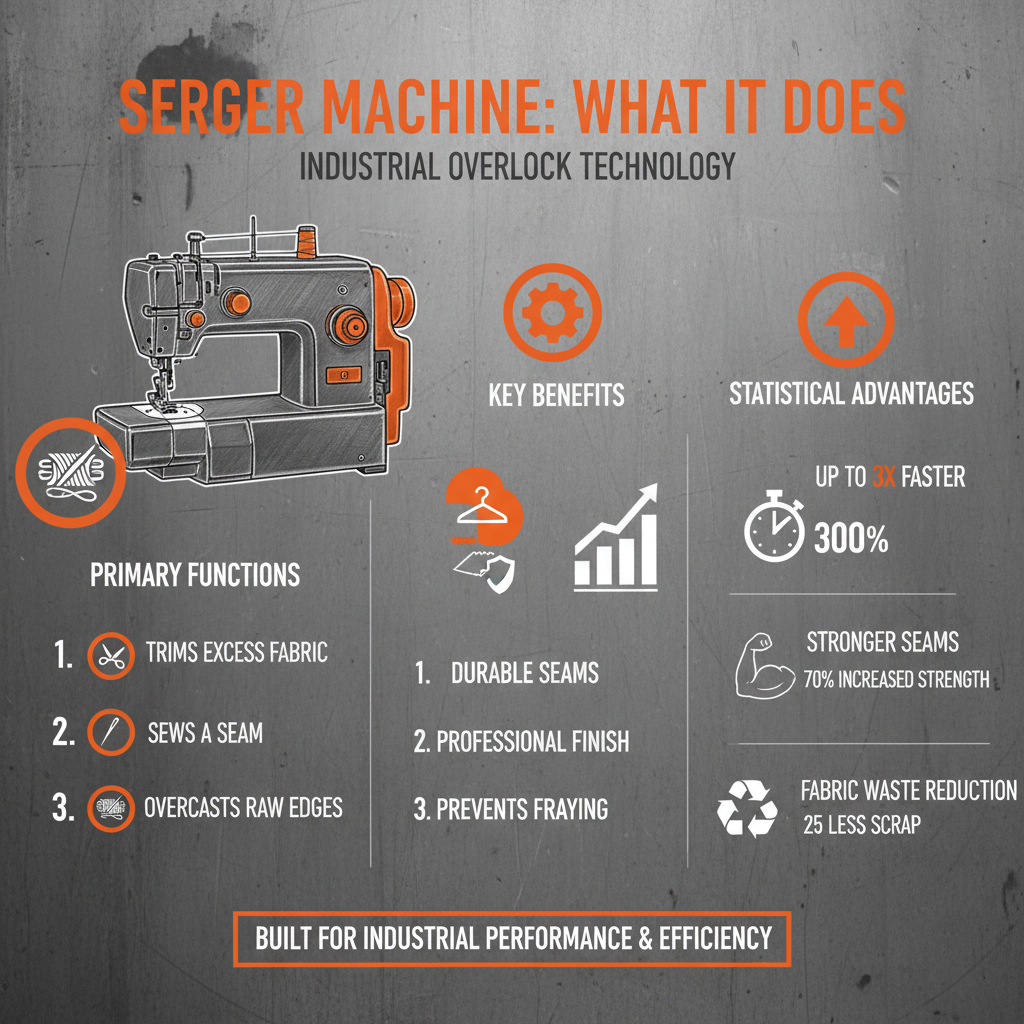
A serger, also known as an overlock machine, is a specialized sewing machine that simultaneously sews a seam, trims the excess fabric, and overcasts the raw edges to prevent fraying. Unlike a standard sewing machine that creates a straight stitch, a serger uses loopers and needles to create an overlocked stitch. This stitch is exceptionally strong and flexible, making it ideal for knit fabrics that stretch and move. The simultaneous trimming action means no more messy edges to finish separately! This saves time and creates a professional-looking finish.
Key Benefit: The serger's ability to simultaneously sew, trim, and overcast significantly speeds up the sewing process and results in a clean, durable finish.
What Can You Create with a Serger Machine?
Serger machines aren't just for finishing seams! They unlock a world of creative possibilities. They are fantastic for constructing garments, especially those made with stretchy or delicate fabrics like knits, fleece, and activewear. You can create professional-looking rolled hems, flatlock seams (often used in athletic wear), and decorative edging. Beyond clothing, sergers are useful for creating household items like curtains, towels, and baby blankets. With the right accessories, some sergers can even handle delicate fabrics like silk and chiffon.
Serger Applications:
• Garment construction (especially knits)
• Rolled hems
• Decorative edging
• Flatlock seams
Serger vs. Sewing Machine: Key Differences
While both sergers and sewing machines are essential tools for sewing, they serve different purposes. A sewing machine primarily creates seams with a variety of stitches, while a serger focuses on finishing edges and constructing seams simultaneously. Here's a comparative overview:
Types of Sergers and Key Features to Consider
Serger machines come in different configurations. The most common types are 3-thread, 4-thread, and 5-thread sergers. A 3-thread serger is ideal for basic overlocking and rolled hems. A 4-thread serger provides a more secure seam, often used for garments that require extra durability. 5-thread sergers offer the widest range of stitching options, including safety stitches and chain stitches. When choosing a serger, consider factors like thread capacity, stitch length and width adjustment, differential feed (for preventing puckering on knits), and the availability of accessories.
Choosing the Right Serger: Factors to Consider
Selecting the best serger depends on your sewing needs and budget. If you primarily sew knit fabrics, a 4-thread serger is a great option. For more versatility, a 5-thread serger offers the most flexibility. Longsew offers a wide range of high-quality serger machines to suit different skill levels and project requirements. Consider your experience level, the types of fabrics you'll be working with, and the features that are most important to you. Don't hesitate to read reviews and compare models before making a purchase.
Conclusion: Is a Serger Right For You?
A serger machine is a valuable addition to any serious sewer's toolkit. Its ability to efficiently finish edges and construct seams, particularly on knit fabrics, will elevate your projects to a professional level. If you're looking to improve the quality and speed of your sewing, investing in a serger is a smart choice.
Frequently Asked Questions (FAQs)
What is differential feed on a serger and why is it important?
Differential feed is a crucial feature on serger machines. It refers to the ability to adjust the speed at which the feed dogs (the teeth that move the fabric under the needle) push the fabric forward. If the fabric is stretching or puckering during sewing, you can adjust the differential feed to prevent these issues. Increasing the differential feed can help prevent stretching on lightweight fabrics, while decreasing it can prevent puckering on knits. It ensures a smooth, even seam without unwanted distortion.
Can a serger replace a sewing machine?
No, a serger cannot completely replace a sewing machine. While a serger excels at overlocking and finishing edges, a sewing machine is essential for tasks like basic seam construction, applying zippers, creating buttonholes, and decorative stitching. They are complementary tools; a sewing machine is for building the garment, and a serger is for refining the edges and achieving a professional finish.
How often should I oil my serger machine?
Regular oiling is essential for maintaining your serger machine and ensuring its smooth operation. The frequency of oiling depends on usage, but generally, you should oil your serger before each major project or at least every 8 hours of sewing time. Refer to your serger's manual for specific oiling instructions and recommended oil types. Proper lubrication reduces friction, prevents wear and tear, and prolongs the life of your machine.
What kind of thread should I use with a serger?
Sergers require special serger thread, which is lighter and thinner than standard sewing thread. This allows the loopers to properly interlock the threads to create the overlock stitch. Polyester and cotton serger threads are commonly used, depending on the fabric you are sewing. It’s important to use high-quality thread to ensure strong, durable seams. Longsew offers a selection of serger threads designed to work seamlessly with our machines.
Latest news
-
Industrial Bag Sewing Machine Price and Comprehensive Buying GuideNewsApr.16,2026
-
Industrial Hand Held Bag Closer for Efficient Packaging SealingNewsApr.16,2026
-
Industrial Hand Held Bag Closer Sewing Machine for PackagingNewsApr.16,2026
-
Efficient Industrial Bag Closer Sewing Machine for PackagingNewsApr.16,2026
-
Industrial Sewing Guide for Choosing the Right Closer MachineNewsApr.16,2026
-
Guide to Capital Bag Closer Machine Price and Buying FactorsNewsApr.16,2026
-
Say goodbye to inefficient cutting! This heavy-duty webbing hot cutting machine redefines the new standard for industrial cuttingNewsApr.14,2026

Hebei LongSew Machinery Technology Co. Ltd is beginning as sewing machine parts supplier, now Longsew have over twenty years experience in complete set sewing machine offering.


CLASSIFICATION
CONTACT US
-

No.368 North Youyi Street, Shijiazhuang City, Hebei Province, China
-

-

Copyright © 2026 HEBEI LONGSEW MACHINERY TECHNOLOGY CO. LTD All Rights Reserved. Sitemap | Privacy Policy | Top Blog | Global Service