

Mar . 03, 2026 18:15
Back to list
Unlock Enhanced Sewing Capabilities with the Extended Arm Sewing Machine
Understanding the Versatility of the Extended Arm Sewing Machine
In the dynamic world of garment manufacturing and textile production, efficiency and adaptability are paramount. The extended arm sewing machine stands out as a crucial tool for tackling a wide range of projects, offering increased maneuverability and the ability to handle bulky materials with ease. This article will explore the benefits, applications, and key features of these machines, providing a comprehensive guide for businesses seeking to enhance their production capabilities. Investing in the right sewing machine can significantly improve output and product quality. Longsew provides a range of solutions for various industrial needs.
What is an Extended Arm Sewing Machine?
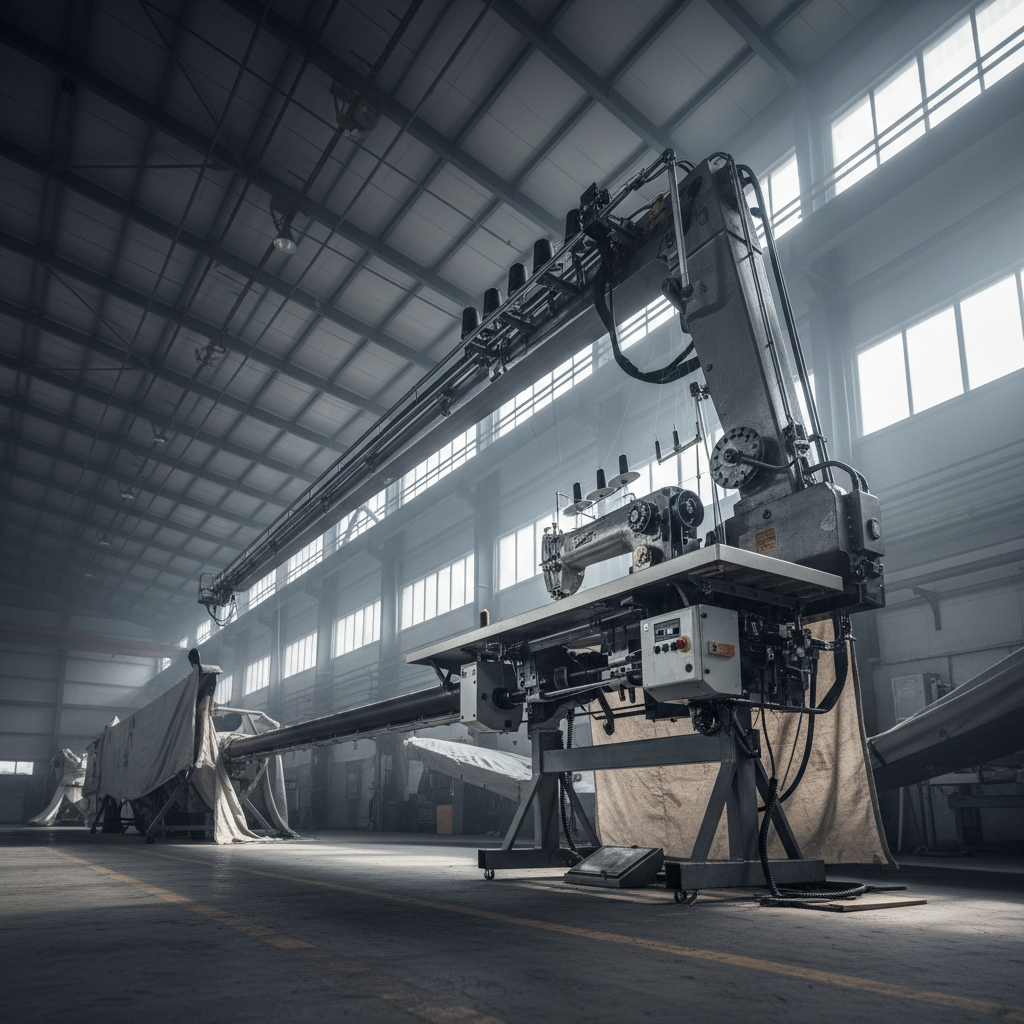
An extended arm sewing machine, as the name suggests, features a longer horizontal distance between the needle and the machine body. This extended reach provides significantly more working space, making it ideal for sewing large or awkwardly shaped items like upholstery, automotive components, leather goods, and heavy-duty canvas products. Unlike standard machines, the extended arm allows for easier maneuvering of materials, reducing the need to constantly reposition the fabric. This translates to faster sewing times and improved operator comfort.
Key Benefit: The extended arm greatly simplifies the sewing process for bulky or complex items, improving efficiency and reducing strain on the operator.
Applications of Extended Arm Sewing Machines
The versatility of the extended arm sewing machine lends itself to a wide array of applications. It's frequently employed in the automotive industry for crafting seat covers and interior components. Upholsterers rely on these machines for creating sofas, chairs, and other furniture pieces. Leather workers utilize them for crafting bags, belts, and apparel. Moreover, they’re essential in industries dealing with heavy-duty fabrics like tents, awnings, and protective gear. The ability to handle thick materials and navigate complex curves makes these machines indispensable for these specialized tasks. You can find a diverse range of models for these applications at Longsew’s product catalog.
Common Applications:
• Automotive Upholstery
• Furniture Manufacturing
• Leather Goods Production
• Canvas and Awning Creation
Extended Arm Sewing Machine vs. Standard Sewing Machine: A Detailed Comparison
Choosing between an extended arm and a standard sewing machine depends heavily on the types of projects you'll be undertaking. While standard machines are suitable for everyday sewing tasks like garment construction, the extended arm machine excels when dealing with bulky or complex items. The larger working area significantly improves maneuverability, reduces fabric handling difficulties, and ultimately leads to higher-quality results. Let's look at a detailed comparison:
Key Features to Look for in an Extended Arm Sewing Machine
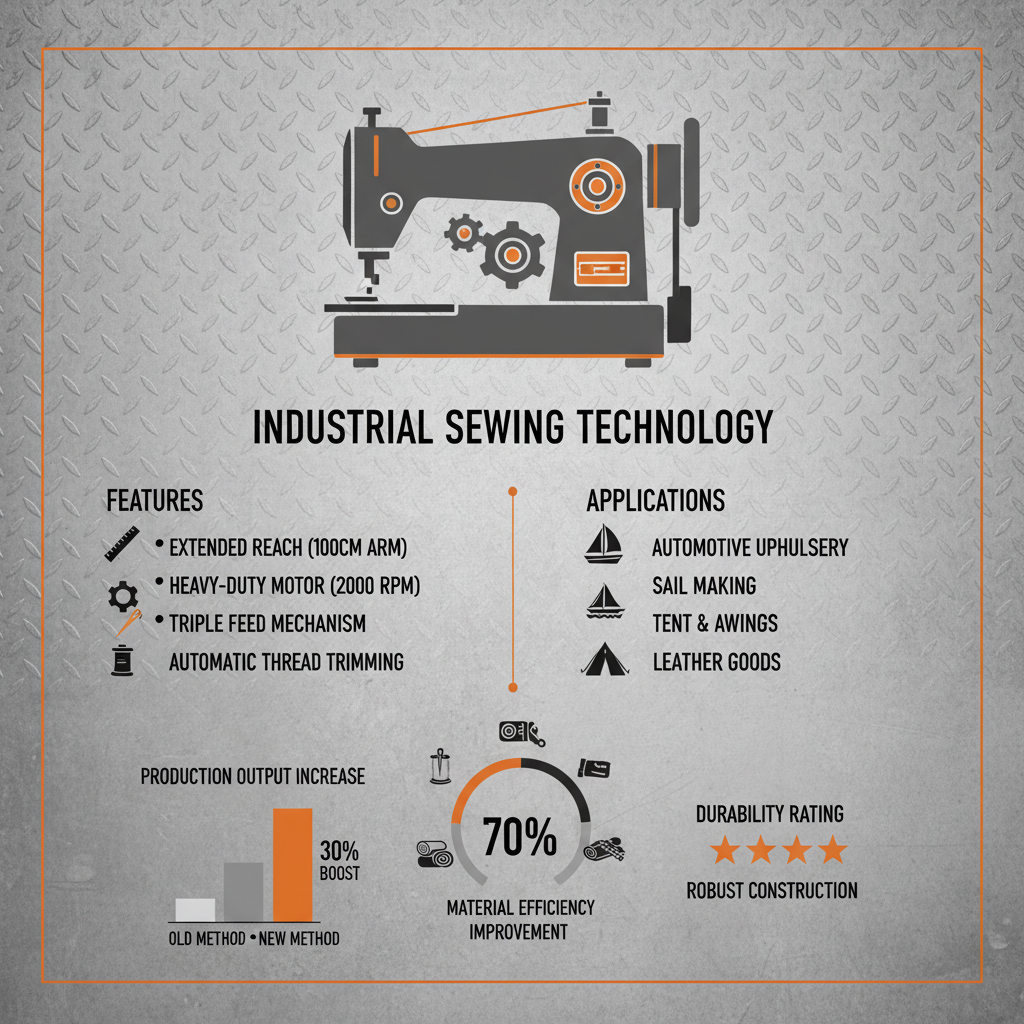
When selecting an extended arm sewing machine, consider these key features: Needle power - crucial for penetrating thick materials; Throat space – the horizontal distance under the presser foot; Stitch options - ensure the machine offers stitches suitable for your projects; Durability - a robust construction is essential for heavy-duty use; and Ease of maintenance – look for models that are easy to service and repair. Longsew offers machines with these features, designed for long-term reliability and optimal performance.
Choosing the Right Extended Arm Sewing Machine for Your Needs
Ultimately, the best extended arm sewing machine for you will depend on your specific needs and budget. Consider the types of materials you'll be working with, the volume of production, and the level of precision required. Longsew offers a wide selection of models, catering to diverse industrial applications. Investing in a high-quality machine from a reputable manufacturer will ensure years of reliable service and optimal performance.
Conclusion: Enhancing Productivity with Extended Arm Technology
The extended arm sewing machine is a powerful tool for businesses seeking to improve efficiency and tackle challenging sewing projects. Its unique design and versatile capabilities make it an essential asset for a wide range of industries. By investing in the right machine and understanding its features, you can unlock new levels of productivity and quality in your textile operations.
Frequently Asked Questions (FAQs)
What materials can an extended arm sewing machine handle?
Extended arm sewing machines are designed to handle a wide range of materials, including heavy-duty fabrics like leather, canvas, denim, and vinyl. They can also work with upholstery fabrics, automotive materials, and synthetic materials. The key is to choose a machine with the appropriate needle power and presser foot for the specific material you’re working with. A higher needle power is essential for penetrating thicker materials without causing damage.
Are extended arm sewing machines difficult to learn to use?
While extended arm sewing machines may seem more complex than standard models, they are generally not difficult to learn to use, especially if you have some prior sewing experience. The extended arm simply provides more working space and maneuverability. Most machines come with clear instructions and online resources are readily available. Proper training and practice will quickly build confidence and proficiency.
What maintenance is required for an extended arm sewing machine?
Regular maintenance is crucial for ensuring the longevity and performance of your extended arm sewing machine. This includes cleaning the machine regularly to remove lint and debris, lubricating moving parts, and replacing needles and other consumables as needed. Longsew provides detailed maintenance guides and support for all its machines.
How much do extended arm sewing machines cost?
The cost of an extended arm sewing machine can vary significantly depending on the brand, features, and capabilities. Entry-level models may start around $500, while more advanced industrial machines can cost several thousand dollars. Longsew offers a range of machines at various price points to suit different budgets and needs.
Latest news
-
Industrial Bag Sewing Machine Price and Comprehensive Buying GuideNewsApr.16,2026
-
Industrial Hand Held Bag Closer for Efficient Packaging SealingNewsApr.16,2026
-
Industrial Hand Held Bag Closer Sewing Machine for PackagingNewsApr.16,2026
-
Efficient Industrial Bag Closer Sewing Machine for PackagingNewsApr.16,2026
-
Industrial Sewing Guide for Choosing the Right Closer MachineNewsApr.16,2026
-
Guide to Capital Bag Closer Machine Price and Buying FactorsNewsApr.16,2026
-
Say goodbye to inefficient cutting! This heavy-duty webbing hot cutting machine redefines the new standard for industrial cuttingNewsApr.14,2026

Hebei LongSew Machinery Technology Co. Ltd is beginning as sewing machine parts supplier, now Longsew have over twenty years experience in complete set sewing machine offering.


CLASSIFICATION
CONTACT US
-

No.368 North Youyi Street, Shijiazhuang City, Hebei Province, China
-

-

Copyright © 2026 HEBEI LONGSEW MACHINERY TECHNOLOGY CO. LTD All Rights Reserved. Sitemap | Privacy Policy | Top Blog | Global Service