

Mar . 12, 2026 01:55
Back to list
Discover What Can I Do With a Serger And Elevate Your Sewing Projects
What Can I Do With a Serger?
A serger, also known as an overlock machine, is a powerful tool that goes beyond the capabilities of a standard sewing machine. While seemingly complex, understanding what can you do with a serger unlocks a world of professional-looking finishes and creative possibilities. From creating durable seams to adding decorative edges, a serger can elevate your sewing projects. This article will explore the many applications of a serger, helping you determine if it's the right addition to your sewing toolkit. Whether you're a beginner or an experienced sewist, there’s something new to discover about the versatility of this fantastic machine.
Understanding the Core Functions of a Serger
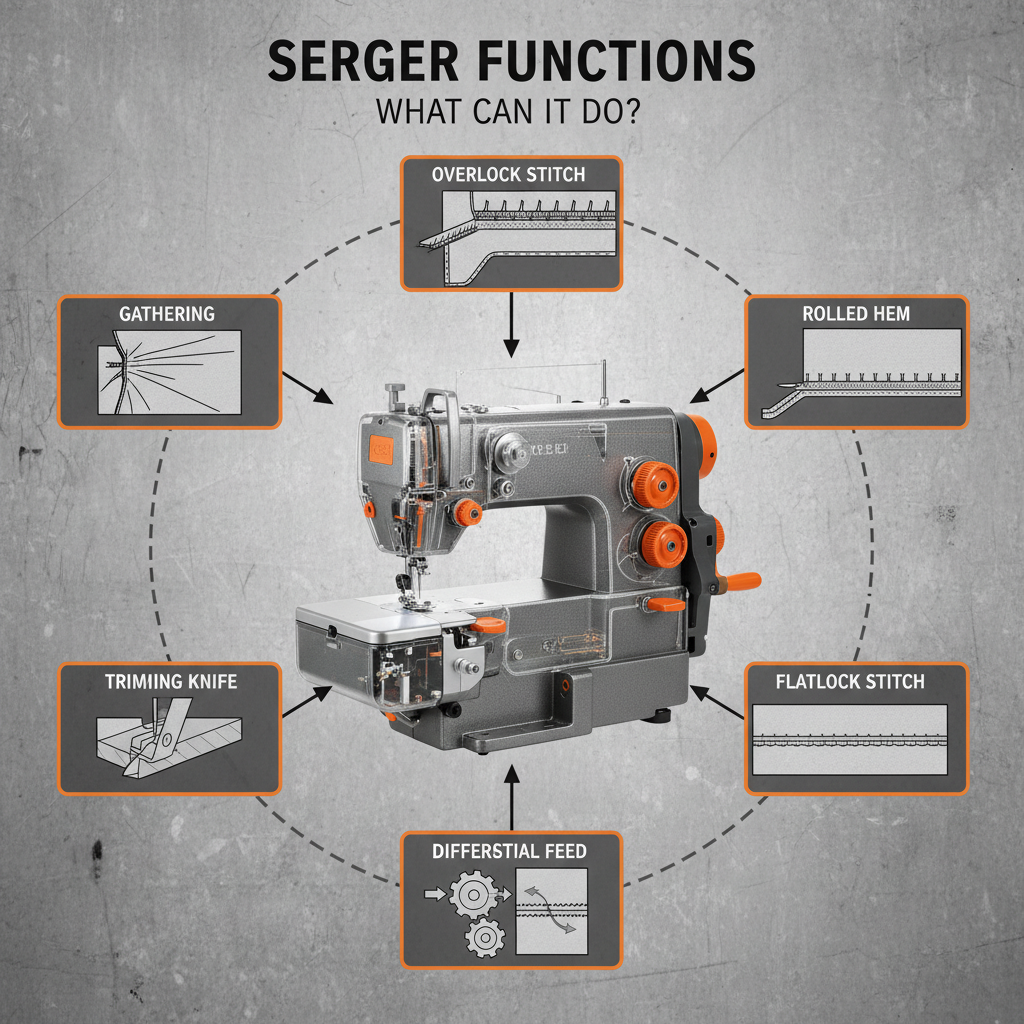
At its core, a serger simultaneously sews a seam, trims the excess fabric, and overcasts the raw edges to prevent fraying. This "all-in-one" action is a significant time-saver and produces a clean, professional finish. Unlike a sewing machine which typically stitches one line, a serger uses loopers and needles to create an interwoven seam that is incredibly strong and flexible. This makes it ideal for garments that will experience a lot of wear and tear. The ability to efficiently finish edges is perhaps the most common and appreciated feature of a serger, eliminating the need for separate zigzag stitches or binding.
Key Benefits: Simultaneous sewing, trimming, and overcasting. Strong and flexible seams. Prevents fabric fraying. Professional-looking finish.
Beyond Basic Seams: Versatile Serger Applications
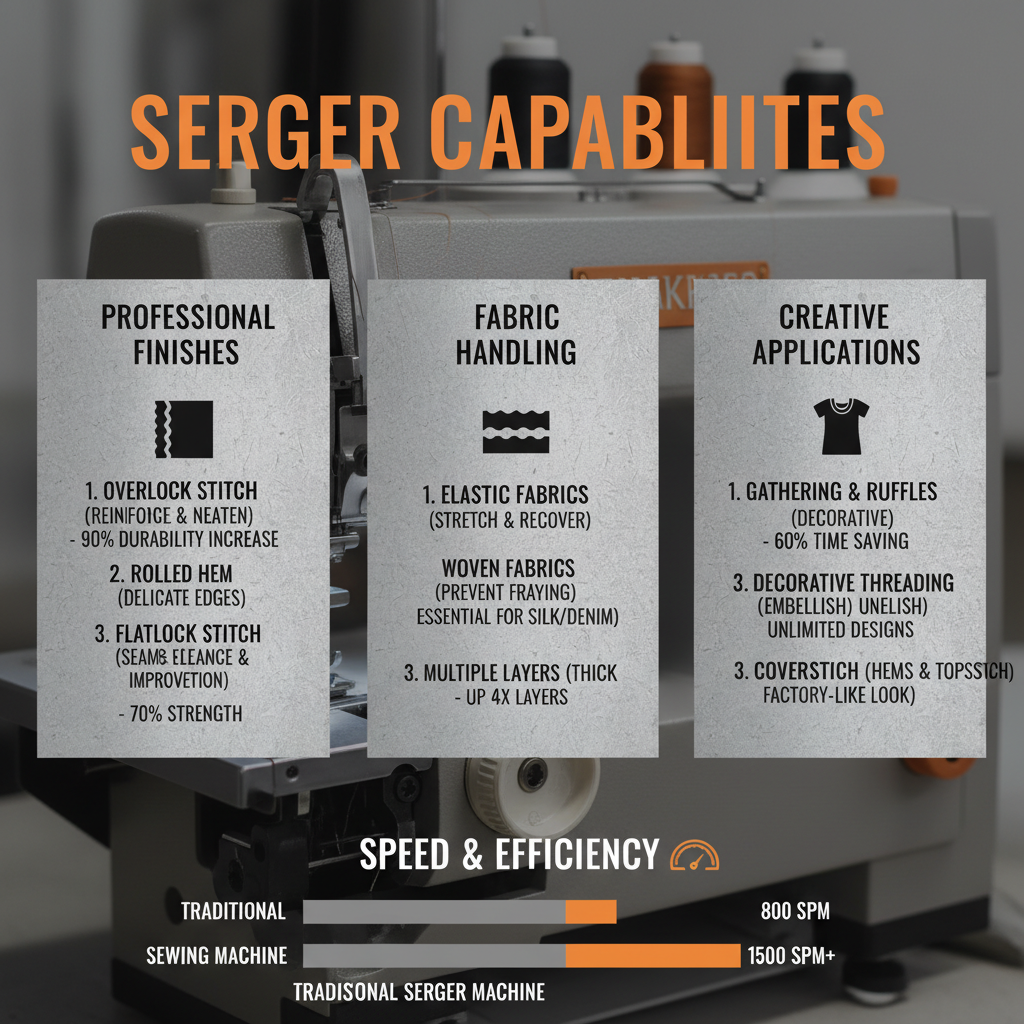
While excellent for standard garment construction, a serger's capabilities extend far beyond basic seams. You can use a serger to create rolled hems, perfect for lightweight fabrics like scarves or napkins. Differential feed allows you to control fabric gathering and stretching, making it ideal for creating ruffles, lettuce edges, and decorative embellishments. Many sergers also have the ability to create flatlock seams, commonly found in activewear, providing both strength and a clean aesthetic. It's not just about clothing; sergers are also fantastic for crafting projects like blankets, bags, and home décor items.
Serger Applications:
• Rolled Hems
• Ruffles & Lettuce Edges
• Flatlock Seams
• Decorative Embellishments
What Kind of Projects Benefit Most From a Serger?
Certain types of projects truly shine when finished with a serger. Knit fabrics, notoriously prone to unraveling, are incredibly easy to work with on a serger. The overlocking stitch prevents fraying and provides a stretchable seam that moves with the fabric. Activewear, lingerie, and children's clothing all benefit immensely from the durability and comfort of serged seams. Additionally, projects requiring a large number of seams, such as quilting or patchwork, are significantly faster to complete with a serger. The time saved from eliminating the need to finish each seam individually adds up quickly.
Serger vs. Sewing Machine: A Quick Comparison
While a sewing machine is essential for many sewing tasks, a serger offers distinct advantages. A sewing machine typically creates a single line of stitching, requiring separate steps for seam finishing. A serger combines these steps into one, saving time and producing a more professional result. Sewing machines excel at tasks like topstitching and creating decorative stitches, while sergers are optimized for seam finishing and edge protection. Consider a serger as a valuable complement to your sewing machine, expanding your capabilities and enhancing the quality of your projects. Longsew offers a range of sergers to suit different needs and budgets.
Choosing the Right Serger for Your Needs
Sergers come in various models, from basic machines ideal for beginners to more advanced models with a wider range of features. Consider the types of fabrics you'll be working with, the complexity of your projects, and your budget. Features like adjustable stitch length and width, differential feed, and the number of threads the serger can handle are all important factors to consider. Doing your research and reading reviews can help you choose the perfect serger to unlock your creative potential.
Conclusion: Unleash Your Sewing Potential with a Serger
A serger is a valuable investment for anyone serious about sewing. Its ability to simultaneously sew, trim, and overcast seams, combined with its versatility in creating decorative edges and handling a wide range of fabrics, makes it an indispensable tool for garment construction, quilting, and crafting. If you're looking to elevate your sewing projects to a professional level, exploring sergers from Longsew is a great place to start.
Frequently Asked Questions (FAQs)
Is a serger difficult to learn?
While a serger might seem intimidating at first, it's surprisingly easy to learn the basics. Modern sergers are designed with user-friendliness in mind, and many resources are available online, including tutorials and instructional videos. Mastering threading can take some practice, but once you get the hang of it, operating a serger becomes intuitive. Starting with simple projects and gradually increasing complexity will help you build confidence and skill. Don’t be afraid to experiment and explore the different features of your machine!
Can a serger replace a sewing machine?
No, a serger cannot completely replace a sewing machine. While a serger excels at finishing seams and working with knit fabrics, a sewing machine is essential for tasks like straight stitching, zigzag stitching, buttonholes, and decorative stitching. They serve different purposes and complement each other. Ideally, you would have both a serger and a sewing machine to tackle a wider range of sewing projects effectively.
What types of thread can I use in a serger?
Most sergers can use a variety of thread types, including polyester, cotton, and nylon. Polyester thread is a popular choice for its strength and durability. The type of thread you choose will depend on the fabric you're working with and the desired look. It’s generally recommended to use serger-specific thread, as it’s designed to perform well in the loopers of a serger machine. Using the correct thread will ensure smooth operation and prevent breakage.
How often should I oil my serger?
Regular oiling is crucial for maintaining your serger's performance. The frequency depends on how often you use the machine. As a general guideline, oil your serger before each major project or every 8 hours of use. Refer to your serger's manual for specific oiling instructions and recommended oil types. Proper lubrication ensures smooth operation, prevents wear and tear, and prolongs the life of your machine.
Previous:
Latest news
-
Industrial Bag Sewing Machine Price and Comprehensive Buying GuideNewsApr.16,2026
-
Industrial Hand Held Bag Closer for Efficient Packaging SealingNewsApr.16,2026
-
Industrial Hand Held Bag Closer Sewing Machine for PackagingNewsApr.16,2026
-
Efficient Industrial Bag Closer Sewing Machine for PackagingNewsApr.16,2026
-
Industrial Sewing Guide for Choosing the Right Closer MachineNewsApr.16,2026
-
Guide to Capital Bag Closer Machine Price and Buying FactorsNewsApr.16,2026
-
Say goodbye to inefficient cutting! This heavy-duty webbing hot cutting machine redefines the new standard for industrial cuttingNewsApr.14,2026

Hebei LongSew Machinery Technology Co. Ltd is beginning as sewing machine parts supplier, now Longsew have over twenty years experience in complete set sewing machine offering.


CLASSIFICATION
CONTACT US
-

No.368 North Youyi Street, Shijiazhuang City, Hebei Province, China
-

-

Copyright © 2026 HEBEI LONGSEW MACHINERY TECHNOLOGY CO. LTD All Rights Reserved. Sitemap | Privacy Policy | Top Blog | Global Service