

Feb . 28, 2026 01:55
Back to list
The Comprehensive Guide to Choosing a Sailmaker Sewing Machine for Professionals
The Ultimate Guide to Sailmaker Sewing Machines
For professionals and hobbyists alike, a reliable sailmaker sewing machine is essential for crafting durable and high-quality sails, awnings, and other marine fabrics. These specialized machines are designed to handle heavy-duty materials and provide the precision needed for complex projects. This guide will explore the key features, benefits, and considerations when choosing a sailmaker sewing machine, helping you find the perfect model to meet your needs. Investing in the right machine will significantly improve efficiency and the longevity of your creations.
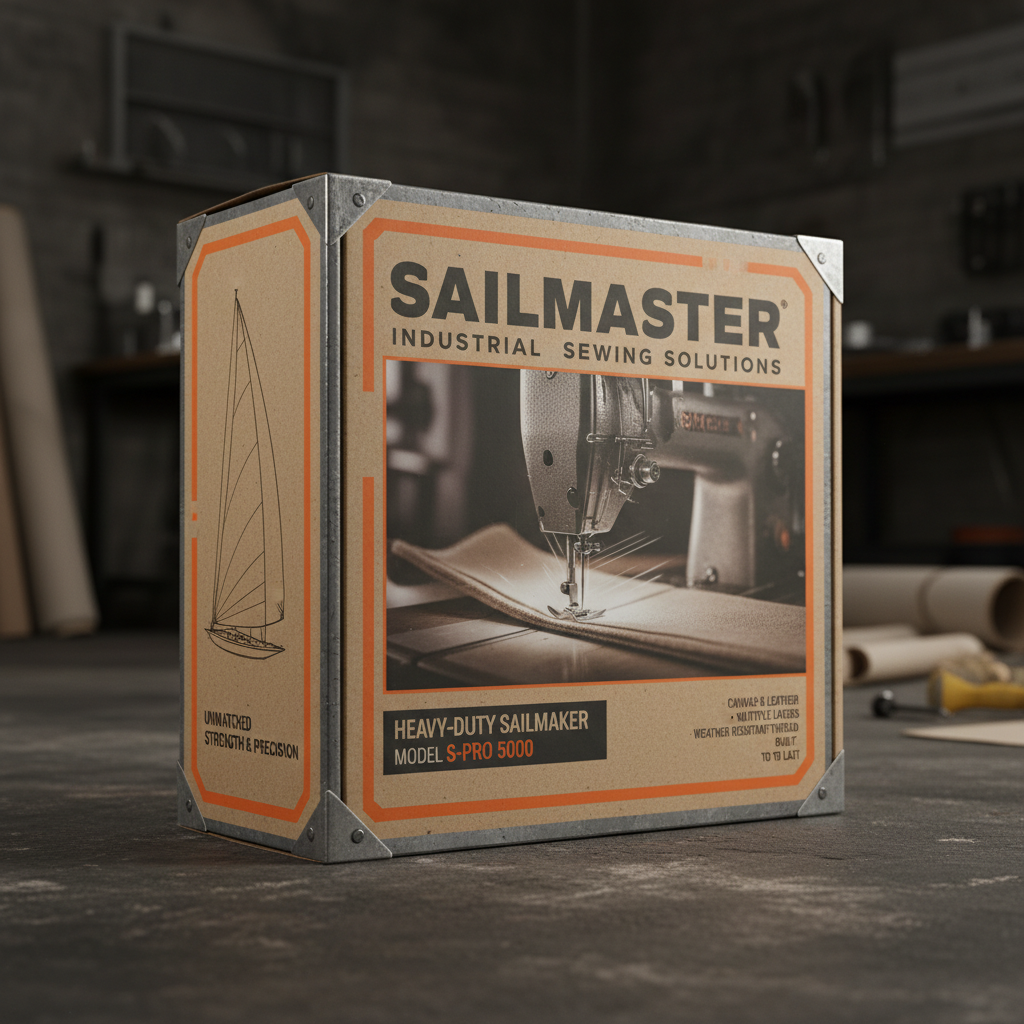
Understanding Sailmaker Sewing Machine Features
Sailmaker sewing machines are not your average domestic sewing machines. They are built to withstand the demands of working with thick, robust materials like canvas, Dacron, and other sailcloth. Key features include a powerful motor, a walking foot mechanism, a large throat space, and a robust frame. The walking foot is crucial, as it ensures even fabric feed, preventing layers from shifting during sewing. The large throat space accommodates bulky materials and allows for easy maneuvering of large sail panels. Longsew offers a range of sailmaker machines designed for varying project scales and budgets.
Key Highlights: Powerful motors, walking foot mechanisms, large throat spaces, and robust frames are hallmarks of quality sailmaker sewing machines.
The Importance of the Walking Foot Mechanism
The walking foot, also known as a feed dog system, is arguably the most important feature of a sailmaker sewing machine. Unlike standard domestic machines that rely on a single feed dog, a walking foot incorporates an upper feed dog that works in conjunction with the lower one. This dual feed dog system ensures that all layers of fabric move forward at the same rate, preventing slippage and puckering, especially when sewing through multiple layers of heavy material. Without a walking foot, it's incredibly difficult to achieve clean, consistent seams in sailcloth.
Walking Foot Benefits:
• Prevents fabric slippage
• Ensures even fabric feed
• Creates clean, consistent seams
• Essential for heavy-duty materials
Sailmaker Sewing Machine Comparison: Key Features & Models
Choosing the right sailmaker sewing machine depends on your specific needs and budget. Here's a comparison of several popular models, highlighting their key features and price points. This information will help you make an informed decision when selecting a machine. Longsew’s product line includes models suited to both professional sail lofts and smaller workshops.
Applications Beyond Sailmaking
While designed for sailmaking, these robust machines are also excellent for a variety of other applications. They excel at sewing heavy-duty canvas for awnings, boat covers, and upholstery. They are also frequently used in the production of industrial fabrics, tarpaulins, and protective gear. The power and precision of a sailmaker sewing machine make it a versatile addition to any workshop.
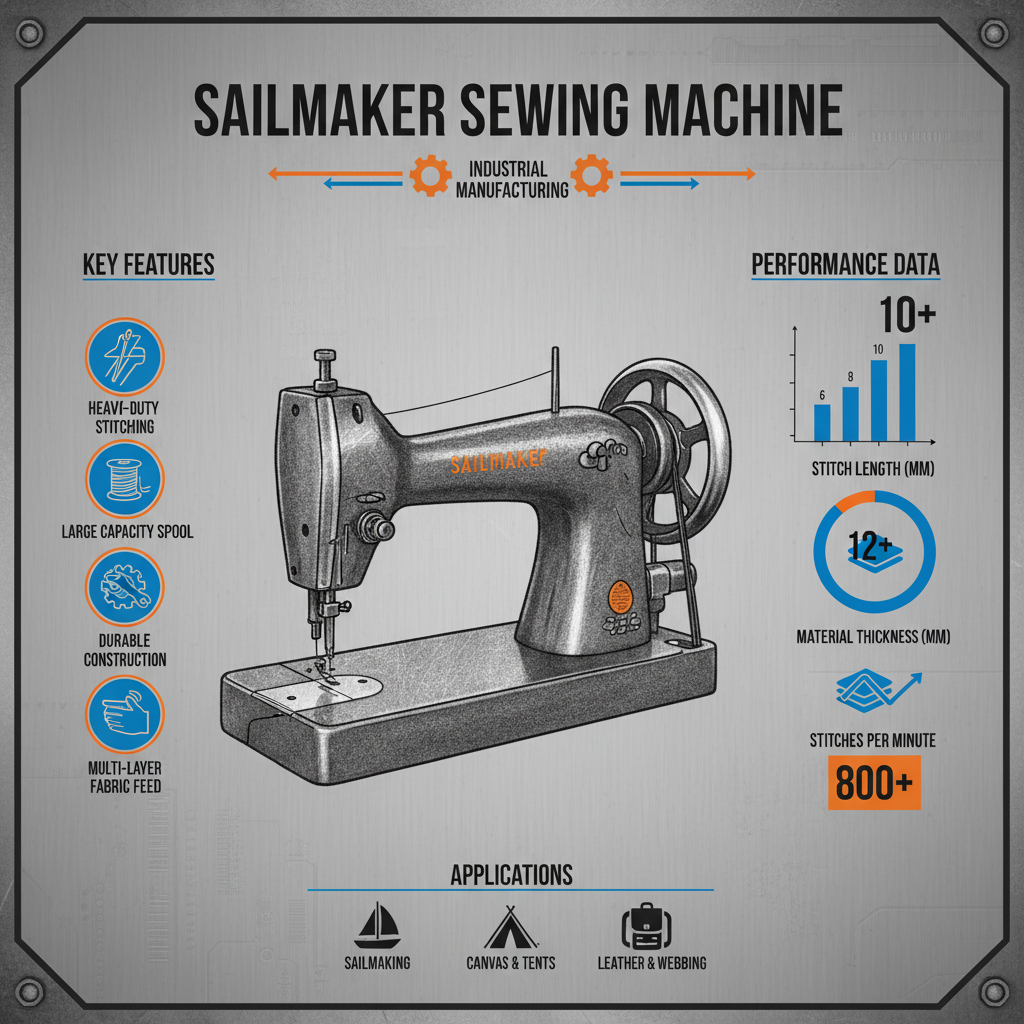
Maintaining Your Sailmaker Sewing Machine
Proper maintenance is crucial for extending the life of your sailmaker sewing machine. Regularly oil moving parts, clean lint buildup, and inspect the walking foot for wear. Sharpen or replace needles as needed. Following the manufacturer's instructions for maintenance will ensure optimal performance and prevent costly repairs. Longsew provides comprehensive maintenance guides and support for its products.
Conclusion: Choosing the Right Machine for Your Needs
Investing in a high-quality sailmaker sewing machine is a smart decision for both professionals and serious hobbyists. Consider your project scale, material types, and budget when making your selection. With proper maintenance and care, a quality machine will provide years of reliable service. Explore the options available at Longsew to find the perfect machine to bring your creations to life.
Frequently Asked Questions (FAQs)
What needle type should I use with a sailmaker sewing machine?
Sailmaker sewing machines require specialized needles designed to penetrate thick, dense materials without causing damage. System 130/705H needles are commonly recommended for sailcloth, canvas, and other heavy-duty fabrics. The needle size should be selected based on the fabric weight and thickness. Generally, a larger needle size is required for heavier materials. Using the wrong needle type can result in skipped stitches, broken needles, and damage to the fabric and machine.
How often should I oil my sailmaker sewing machine?
Regular oiling is essential for maintaining the smooth operation of your sailmaker sewing machine. Generally, oiling should be done after every 8-10 hours of use, or more frequently in dusty environments. Focus on oiling all moving parts, including the needle bar, presser foot, and bobbin mechanism. Use a high-quality sewing machine oil and avoid over-oiling, as this can attract lint and debris. Consult your machine's manual for specific oiling instructions.
What is the benefit of a larger throat space?
A larger throat space—the area between the needle and the machine body—provides greater maneuverability when sewing large pieces of fabric. This is particularly important when working with sailcloth, which often comes in large panels. A wider throat space allows you to easily rotate and reposition the fabric without constantly having to lift the presser foot and move the material. It also makes it easier to sew curves and corners.
Can a sailmaker sewing machine be used for leather?
While a sailmaker sewing machine can be used for leather, it's not always the ideal choice. The walking foot mechanism is beneficial for leather, but leather requires different needles and often a lower stitch density than sailcloth. It’s essential to use the correct needle (usually a leather needle) and adjust the machine settings accordingly. For frequent leather work, a dedicated leather sewing machine is recommended.
Latest news
-
Industrial Bag Sewing Machine Price and Comprehensive Buying GuideNewsApr.16,2026
-
Industrial Hand Held Bag Closer for Efficient Packaging SealingNewsApr.16,2026
-
Industrial Hand Held Bag Closer Sewing Machine for PackagingNewsApr.16,2026
-
Efficient Industrial Bag Closer Sewing Machine for PackagingNewsApr.16,2026
-
Industrial Sewing Guide for Choosing the Right Closer MachineNewsApr.16,2026
-
Guide to Capital Bag Closer Machine Price and Buying FactorsNewsApr.16,2026
-
Say goodbye to inefficient cutting! This heavy-duty webbing hot cutting machine redefines the new standard for industrial cuttingNewsApr.14,2026

Hebei LongSew Machinery Technology Co. Ltd is beginning as sewing machine parts supplier, now Longsew have over twenty years experience in complete set sewing machine offering.


CLASSIFICATION
CONTACT US
-

No.368 North Youyi Street, Shijiazhuang City, Hebei Province, China
-

-

Copyright © 2026 HEBEI LONGSEW MACHINERY TECHNOLOGY CO. LTD All Rights Reserved. Sitemap | Privacy Policy | Top Blog | Global Service