

Mar . 04, 2026 02:05
Back to list
Choosing the Right Long Sewing Machine for Your Business Needs and Applications
Choosing the Right Long Sewing Machine for Your Business
Investing in a robust and reliable long sewing machine is crucial for any apparel manufacturing, textile production, or upholstery business. With a wide array of options available, selecting the perfect machine to meet your specific needs can feel overwhelming. This guide will explore the different types of long sewing machines, their applications, key features, and provide insights to help you make an informed decision. A high-quality sewing machine can dramatically improve efficiency, product quality, and ultimately, your bottom line.
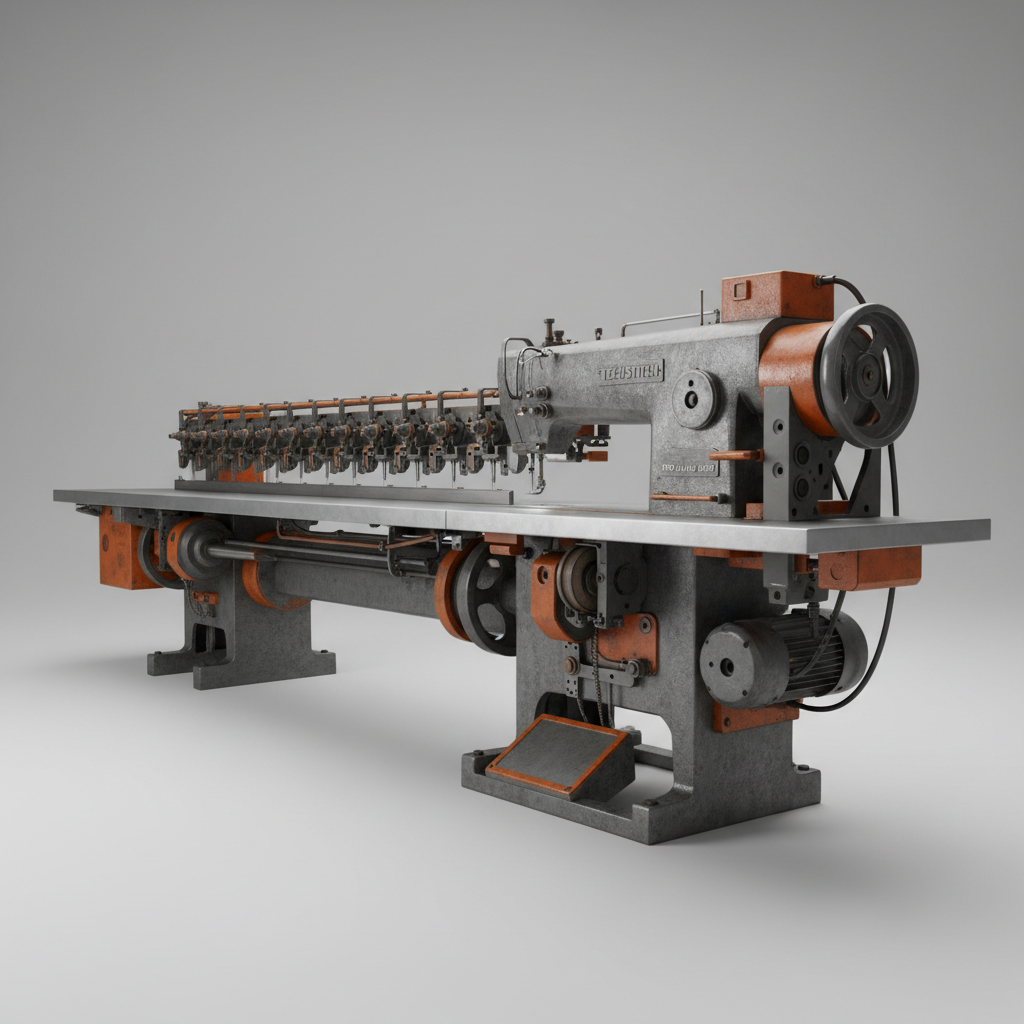
Understanding the Different Types of Long Sewing Machines
Long sewing machines, also known as industrial sewing machines, are designed for heavy-duty applications. They differ significantly from domestic sewing machines in terms of power, speed, and durability. Here are some common types:
- Single Needle Lockstitch Machines: Versatile machines suitable for a wide range of fabrics and applications, including garment construction, quilting, and light upholstery.
- Double Needle Lockstitch Machines: Ideal for creating parallel seams, often used in clothing manufacturing and upholstery.
- Walking Foot Machines: Excel at sewing multiple layers of fabric or thicker materials, common in leatherworking, upholstery, and automotive applications.
- Heavy-Duty Machines: Specifically engineered for extremely thick materials, such as canvas, vinyl, and industrial fabrics.
Key Features to Consider When Purchasing a Long Sewing Machine
When selecting a long sewing machine, several key features should influence your decision. These include stitch length adjustment, presser foot lift height, feed dog mechanism, motor power, and the overall build quality. Consider the types of fabrics you’ll be working with and the complexity of the projects you’ll be undertaking. A more powerful motor is essential for handling thicker materials, while a wider range of stitch length options offers greater flexibility. Automatic lubrication systems can also reduce maintenance and extend the life of the machine.
Key Highlights: Consider stitch length, presser foot lift, motor power, automatic lubrication, and build quality when choosing a long sewing machine.
Long Sewing Machine Applications: Finding the Right Fit
The ideal long sewing machine depends heavily on its intended application. For example, garment manufacturers often rely on single or double needle lockstitch machines for efficient seam construction. Upholsterers frequently choose walking foot machines to handle thick fabrics and multiple layers. Leatherworkers require heavy-duty machines capable of penetrating tough hides. Knowing your specific needs will narrow down your options and ensure you invest in a machine that can deliver optimal performance.
Application Considerations:
• Garment Manufacturing: Single/Double Needle Lockstitch
• Upholstery: Walking Foot Machines
• Leatherworking: Heavy-Duty Machines
• Automotive: Heavy-Duty/Walking Foot Machines
Long Sewing Machine Comparison: Key Specifications & Models
Here's a comparison of three popular long sewing machine models from Longsew, outlining their key specifications:
Maintaining Your Long Sewing Machine for Optimal Performance
Regular maintenance is critical for ensuring the longevity and optimal performance of your long sewing machine. This includes routine cleaning, oiling moving parts, and replacing worn needles and belts. Following the manufacturer's recommendations for maintenance schedules will help prevent breakdowns and ensure consistent stitch quality. A well-maintained machine is not only more reliable but also reduces the risk of costly repairs.
Conclusion: Choosing the Right Partner for Your Sewing Needs
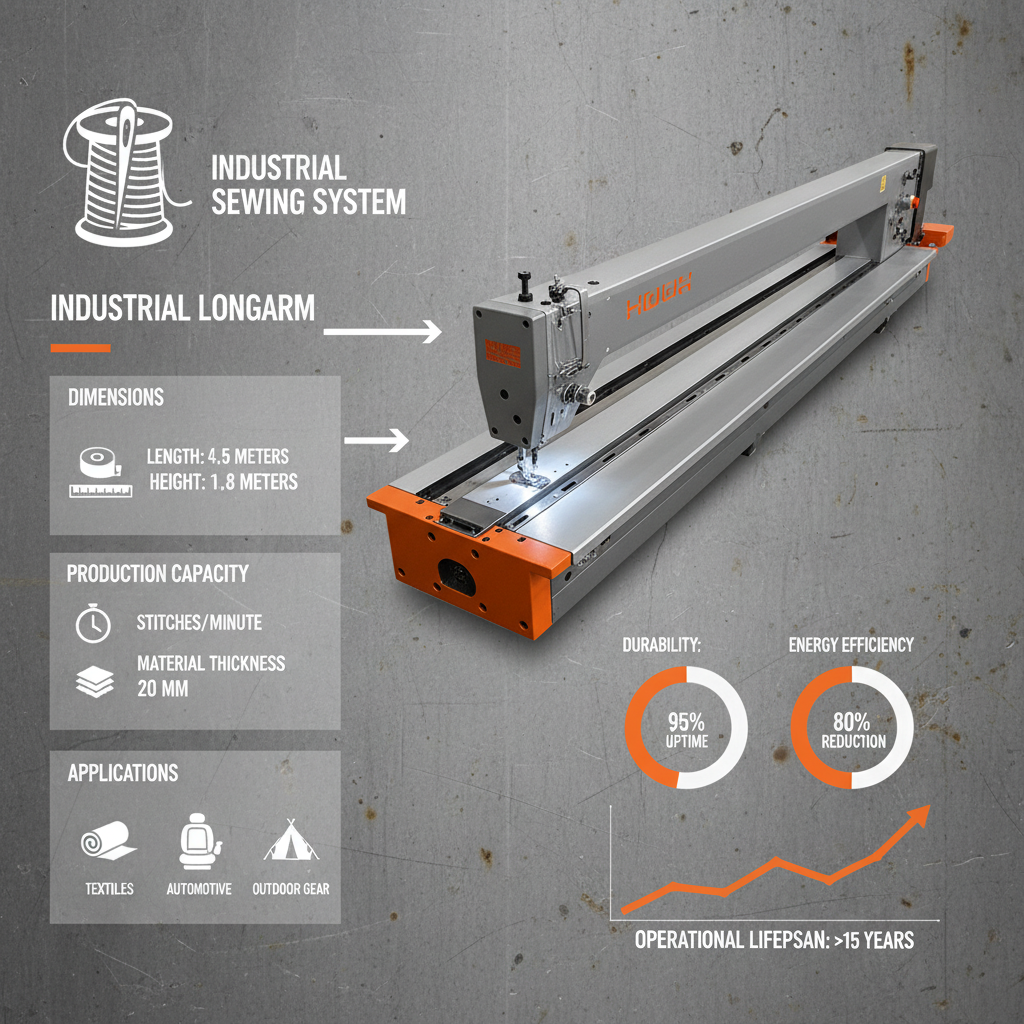
Selecting the right long sewing machine is an investment in the future of your business. By carefully considering your application, desired features, and budget, you can find a machine that delivers years of reliable performance. Longsew provides a comprehensive range of high-quality industrial sewing machines to meet diverse needs.
Frequently Asked Questions (FAQs)
What is the difference between a single needle and a double needle lockstitch machine?
A single needle lockstitch machine uses one needle to create a stitch, making it suitable for general sewing tasks. A double needle lockstitch machine utilizes two needles simultaneously, creating two parallel rows of stitching. This is ideal for applications requiring stronger seams, decorative stitching, or faster production speeds. Double needle machines are commonly used in clothing manufacturing and upholstery, where increased seam strength and a finished appearance are important. Selecting the right machine depends on the specific requirements of your project.
How often should I oil my long sewing machine?
The frequency of oiling depends on the machine’s usage and the manufacturer’s recommendations. Generally, it's advisable to oil your machine before each shift or at least once a week if it's used less frequently. Focus on lubricating moving parts such as the needle bar, presser foot, and bobbin area. Using the correct type of oil is crucial to avoid damaging the machine. Refer to your machine’s manual for specific oiling instructions.
What factors influence the price of a long sewing machine?
Several factors influence the price of a long sewing machine, including its type, features, brand, and motor power. Heavy-duty machines and those with advanced features such as automatic lubrication and programmable stitch patterns typically command higher prices. Renowned brands known for their quality and durability also tend to be more expensive. The motor power also plays a role, as more powerful motors are generally more costly.
Where can I find replacement parts for my Longsew sewing machine?
You can find replacement parts for your Longsew sewing machine directly through Longsew’s website or by contacting their customer support team. They offer a wide range of genuine parts to ensure compatibility and optimal performance. It's recommended to use original parts to maintain the integrity and longevity of your machine.
Latest news
-
Industrial Bag Sewing Machine Price and Comprehensive Buying GuideNewsApr.16,2026
-
Industrial Hand Held Bag Closer for Efficient Packaging SealingNewsApr.16,2026
-
Industrial Hand Held Bag Closer Sewing Machine for PackagingNewsApr.16,2026
-
Efficient Industrial Bag Closer Sewing Machine for PackagingNewsApr.16,2026
-
Industrial Sewing Guide for Choosing the Right Closer MachineNewsApr.16,2026
-
Guide to Capital Bag Closer Machine Price and Buying FactorsNewsApr.16,2026
-
Say goodbye to inefficient cutting! This heavy-duty webbing hot cutting machine redefines the new standard for industrial cuttingNewsApr.14,2026

Hebei LongSew Machinery Technology Co. Ltd is beginning as sewing machine parts supplier, now Longsew have over twenty years experience in complete set sewing machine offering.


CLASSIFICATION
CONTACT US
-

No.368 North Youyi Street, Shijiazhuang City, Hebei Province, China
-

-

Copyright © 2026 HEBEI LONGSEW MACHINERY TECHNOLOGY CO. LTD All Rights Reserved. Sitemap | Privacy Policy | Top Blog | Global Service