

Mar . 24, 2026 02:15
Back to list
What is the Difference Between an Overlocker and a Serger A Comprehensive Guide
What is the Difference Between an Overlocker and a Serger?
If you’re a sewing enthusiast or involved in garment manufacturing, understanding the nuances between an overlocker and a serger is crucial. While the terms are often used interchangeably, there are subtle differences that can impact your sewing projects. Both machines are essential for creating professional-looking finishes, but they serve slightly different purposes. This article will break down the features, applications, and key distinctions between these two valuable sewing tools. Knowing these differences will help you choose the right machine for your needs, whether you're a home sewer or running a large-scale production facility. You can find a wide range of high-quality industrial sewing machines, including overlockers and sergers, at Longsew.
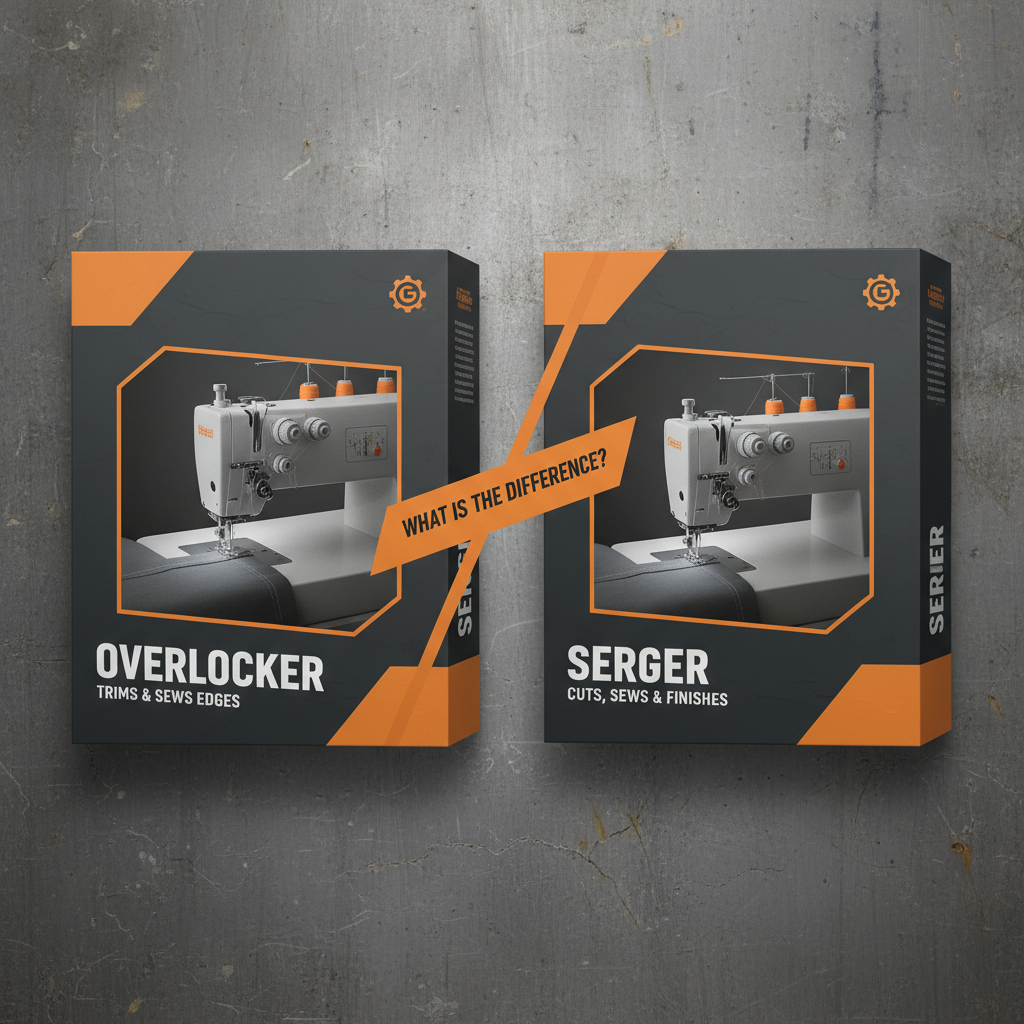
Understanding the Core Function: What Does Each Machine Do?
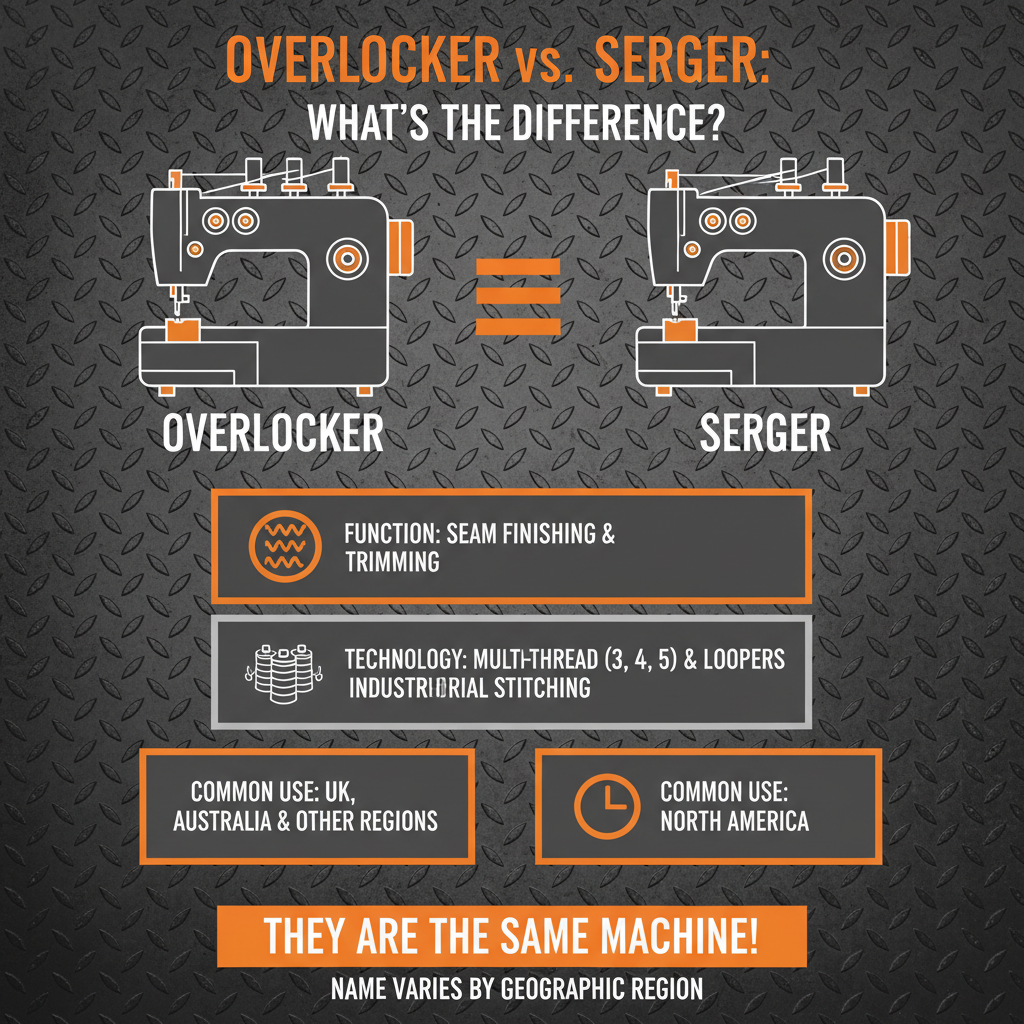
At their core, both overlockers and sergers are designed to finish the edges of fabric, preventing fraying and creating a clean, professional look. They achieve this by simultaneously cutting, stitching, and encasing the raw edge of the fabric with thread. However, the way they accomplish this, and the types of finishes they produce, differ. A serger generally uses multiple threads (typically 3, 4, or 5) to create a clean, overlocked edge. An overlocker, on the other hand, often focuses on creating a more durable and secure seam, particularly important in industrial garment construction. Both are vital pieces of equipment, but understanding their strengths is key to making the right choice.
The Key Differences: Overlocker vs. Serger – A Detailed Comparison
The distinction between an overlocker and a serger can be subtle, leading to frequent confusion. Traditionally, "serger" referred to machines with fewer features, primarily focused on edge finishing. "Overlocker" was used to describe more robust, industrial machines capable of a wider range of stitches and techniques. However, modern machines blur these lines. Generally, an overlocker is built for heavier-duty fabrics and more complex stitching, while a serger is often preferred for lighter materials and simpler finishing tasks. Let’s dive into a detailed look at the distinctions.
Key Takeaway: Overlockers are generally more robust and versatile, while sergers excel at efficient edge finishing.
Serger Functions: What Can a Serger Do?
Sergers are primarily designed for edge finishing. They create a neat, overlocked edge that prevents fraying, making them perfect for garments, quilting, and crafts. They can also be used for flatlocking (creating a flat seam), rolled hemming (creating a delicate rolled edge), and decorative edging. Many modern sergers offer differential feed, allowing you to adjust the fabric feed rate to prevent stretching or puckering, particularly useful when working with knit fabrics. Longsew offers a comprehensive range of sergers to suit various needs.
Serger Advantages:
• Efficient edge finishing
• Versatile for various fabrics
• Differential feed for knit fabrics
• Relatively easy to learn
Overlocker Capabilities: Beyond Basic Edge Finishing
Overlockers are more powerful and versatile than sergers. While they excel at edge finishing, they can also create safety stitches (more secure than a regular serger seam), flatlocks, rolled hems, and even decorative stitches. Industrial overlockers are often equipped with features like automatic thread trimming, air threading, and programmable stitch patterns. They are designed to handle heavier fabrics and high-volume production. The increased stitch density and robust construction provide a more durable and professional finish, vital for garment manufacturing. Longsew’s industrial overlockers are renowned for their reliability and performance.
Which Machine is Right for You?
The best choice depends on your sewing needs and budget. If you’re a home sewer working with a variety of fabrics for personal projects, a serger is likely sufficient. However, if you’re involved in garment manufacturing, producing high volumes, or working with heavier materials, an overlocker is a worthwhile investment. Consider the types of projects you'll be undertaking, the fabrics you'll be using, and your desired level of finish to make the best decision. Don't hesitate to explore the options available at Longsew to find the perfect machine for your workshop.
Final Thoughts: Choosing the Right Tool for the Job
Ultimately, both overlockers and sergers are invaluable tools for any sewing environment. Understanding their individual strengths and weaknesses allows you to choose the machine that best suits your specific needs. Whether you're creating delicate garments or durable industrial products, the right machine can make a significant difference in the quality and efficiency of your work. At Longsew, we offer a wide range of both overlockers and sergers to help you achieve professional results.
Frequently Asked Questions (FAQs)
Can a serger replace an overlocker?
While a serger can handle many edge finishing tasks, it generally cannot fully replace an overlocker, especially in a professional setting. Overlockers offer more robust stitching options like safety stitches, which sergers typically lack. For high-volume production or heavy-duty fabrics, an overlocker is essential for durability and speed. A serger is a fantastic machine for home sewing, but an overlocker brings more capabilities to the table for serious garment construction.
What fabrics are best suited for each machine?
Sergers excel with lighter to medium-weight fabrics like knits, woven cottons, and fleece. They handle stretch fabrics exceptionally well due to the differential feed. Overlockers can handle a wider range, including heavier materials like denim, canvas, and upholstery fabrics. They're better equipped to handle the stress of sewing through multiple layers of thicker materials without straining the machine.
Is it difficult to learn how to use an overlocker or serger?
Both machines have a learning curve, but sergers are generally considered easier to learn due to their simpler operation. Overlockers, with their more advanced features and faster speeds, may require more practice and patience. However, with dedicated practice and online resources, mastering either machine is achievable. Longsew offers training resources and support to help you get the most out of your machine.
What is differential feed and why is it important?
Differential feed is a feature found on many sergers and some overlockers. It allows you to independently adjust the speed of the feed dogs (the teeth that move the fabric under the needle). This is crucial when working with knit fabrics, as it prevents stretching or puckering. By adjusting the feed, you can ensure a smooth, even seam that lies flat. It's a valuable tool for achieving professional-looking results with challenging fabrics.
Latest news
-
Industrial Bag Sewing Machine Price and Comprehensive Buying GuideNewsApr.16,2026
-
Industrial Hand Held Bag Closer for Efficient Packaging SealingNewsApr.16,2026
-
Industrial Hand Held Bag Closer Sewing Machine for PackagingNewsApr.16,2026
-
Efficient Industrial Bag Closer Sewing Machine for PackagingNewsApr.16,2026
-
Industrial Sewing Guide for Choosing the Right Closer MachineNewsApr.16,2026
-
Guide to Capital Bag Closer Machine Price and Buying FactorsNewsApr.16,2026
-
Say goodbye to inefficient cutting! This heavy-duty webbing hot cutting machine redefines the new standard for industrial cuttingNewsApr.14,2026

Hebei LongSew Machinery Technology Co. Ltd is beginning as sewing machine parts supplier, now Longsew have over twenty years experience in complete set sewing machine offering.


CLASSIFICATION
CONTACT US
-

No.368 North Youyi Street, Shijiazhuang City, Hebei Province, China
-

-

Copyright © 2026 HEBEI LONGSEW MACHINERY TECHNOLOGY CO. LTD All Rights Reserved. Sitemap | Privacy Policy | Top Blog | Global Service