

Mar . 21, 2026 01:55
Back to list
What is an Overlocker in Sewing A Comprehensive Guide to Sergers
What is an Overlocker in Sewing? A Comprehensive Guide
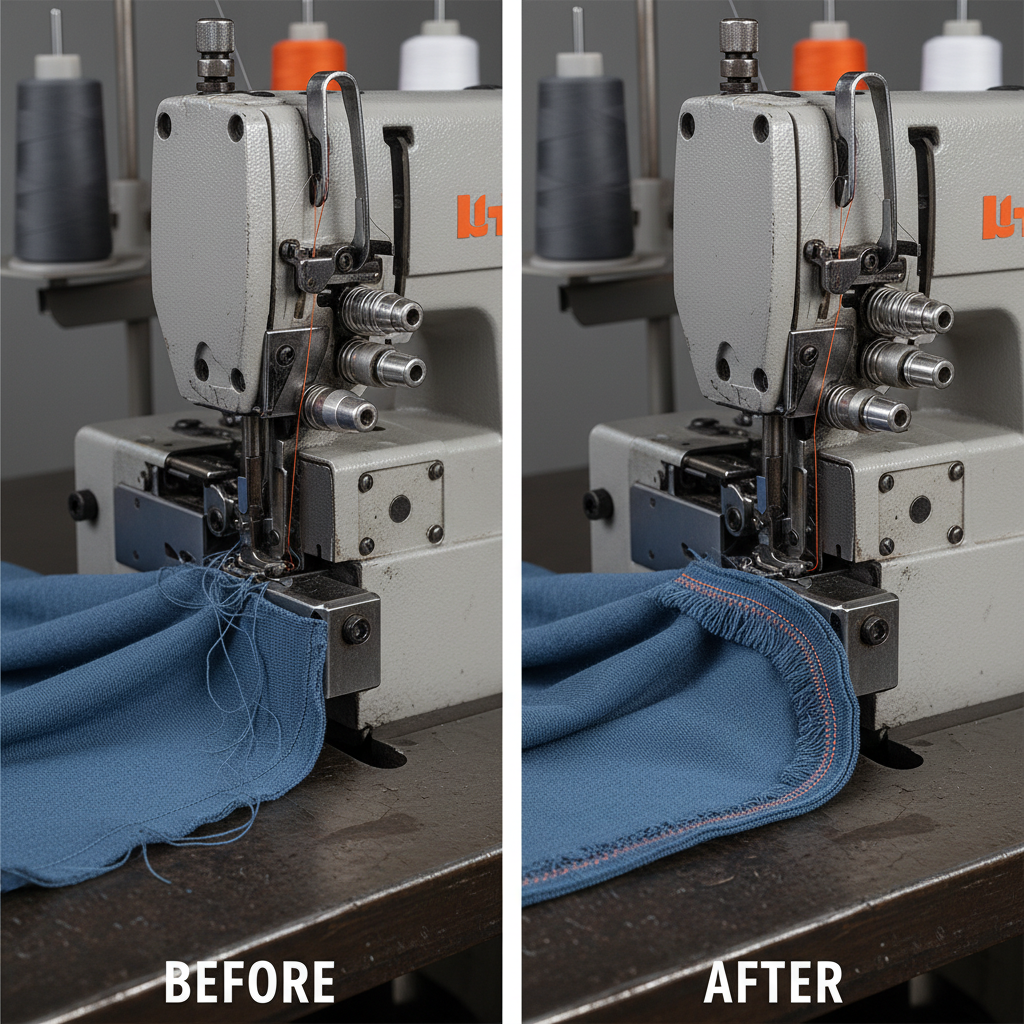
An overlocker, also known as a serger, is a specialized sewing machine that simultaneously sews a seam, trims excess fabric, and overcasts the raw edge to prevent fraying. It’s an indispensable tool for professional seamstresses and increasingly popular with home sewers looking for a polished, durable finish. This article will explore what an overlocker is, how it works, its benefits, different types, and how to choose the right one for your needs. Understanding the capabilities of an overlocker can significantly elevate the quality of your sewing projects.
How Does an Overlocker Work?
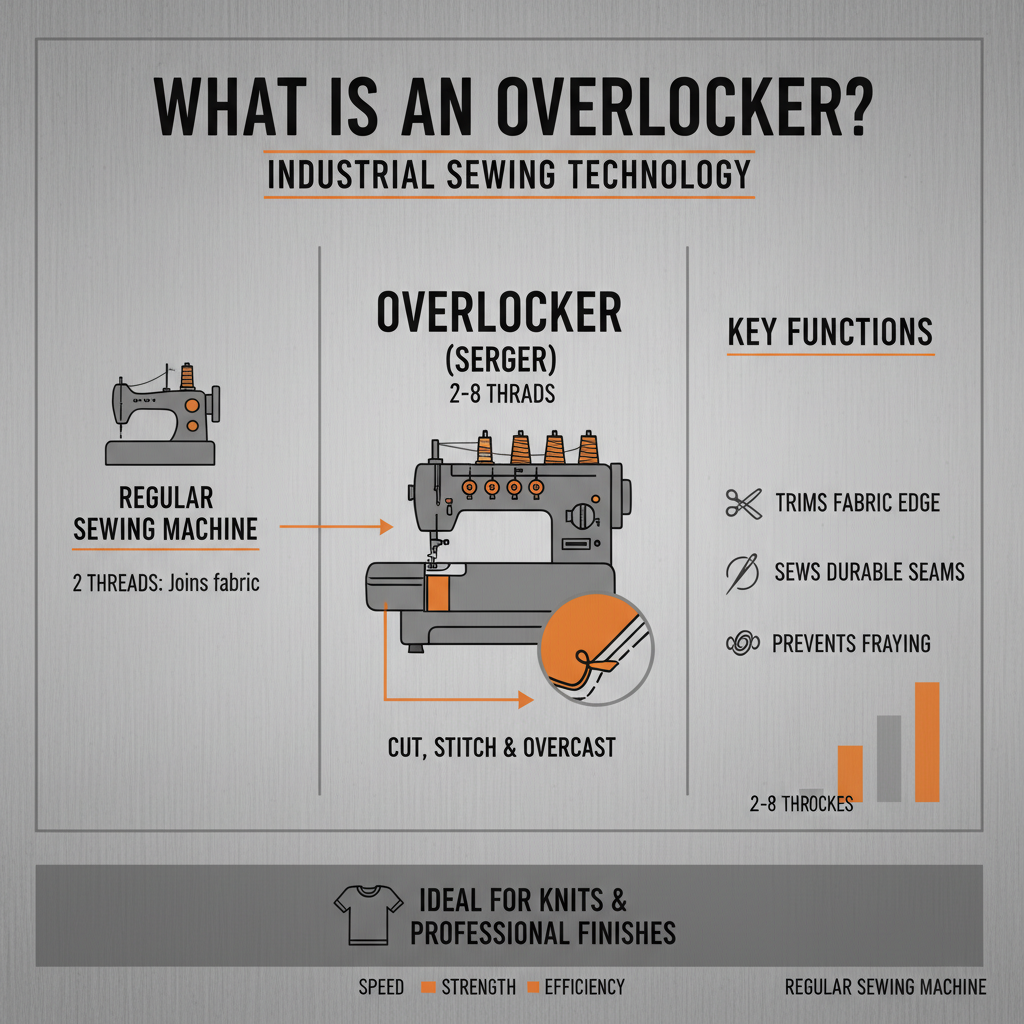
Unlike a traditional sewing machine which uses one needle and thread, an overlocker utilizes loopers and multiple threads (typically 3-5) to create a secure, professional seam. The machine simultaneously stitches, trims the fabric edge, and encases it with thread, preventing unraveling. The process involves the loopers interlinking the threads around the fabric edge, creating a clean and durable overlocked stitch. This makes it exceptionally efficient for finishing seams on knit fabrics, which are prone to fraying. The speed and precision of an overlocker contribute to faster project completion and a higher quality finish.
Key Highlights: Utilizes loopers and multiple threads to stitch, trim, and overcast simultaneously. Ideal for finishing seams, especially on knit fabrics, for a professional and durable result.
Benefits of Using an Overlocker
The benefits of using an overlocker are numerous. It creates a professional finish that is significantly more durable than a simple zigzag stitch. The overlocking process prevents fabric fraying, extending the life of your garments. It’s also much faster than traditional seam finishing methods, making it ideal for large projects. Beyond functional benefits, overlocking adds a decorative element to seams, enhancing the overall aesthetic of your sewing. Longsew offers a variety of overlockers to meet different needs and skill levels.
Overlocker Advantages:
• Professional and durable seam finish
• Prevents fabric fraying
• Faster than traditional seam finishing
• Adds a decorative element to seams
Different Types of Overlockers: Choosing the Right One
There are several types of overlockers available, each suited to different sewing needs. Standard overlockers are the most common, featuring 3-4 threads and ideal for everyday sewing. Coverstitch machines use only one or two needles and loopers to create a professional-looking coverstitch, often used for hems and decorative topstitching. Combo machines offer both overlocking and coverstitch capabilities in a single machine, providing versatility but often at a higher price point. Consider the types of projects you’ll be working on most often when choosing an overlocker.
What Kind of Fabric is Best for Overlocking?
While an overlocker can be used on a variety of fabrics, it truly shines when working with knit fabrics. Knit fabrics, like jersey and fleece, are prone to unraveling, and an overlocker provides a secure, professional finish that prevents this. It also handles woven fabrics well, creating clean seams and a polished look. Experimenting with different stitch settings and thread types will allow you to achieve optimal results on various fabric weights and textures. The right technique will result in beautiful and lasting seams.
Maintaining Your Overlocker
Regular maintenance is crucial for keeping your overlocker running smoothly. This includes regular cleaning to remove lint and thread debris, oiling moving parts, and replacing needles and loopers as needed. Consult your overlocker's manual for specific maintenance recommendations. Proper care will ensure the longevity and optimal performance of your machine. Longsew also provides maintenance services and parts for many overlocker brands.
Conclusion: Elevate Your Sewing with an Overlocker
Investing in an overlocker is a fantastic way to elevate your sewing projects. Its speed, efficiency, and ability to create a professional finish make it a valuable asset for any sewing enthusiast. Whether you're a beginner or an experienced seamstress, an overlocker will undoubtedly improve the quality and durability of your creations. Explore the options available at Longsew and discover the perfect overlocker for your needs.
Frequently Asked Questions (FAQs)
What is the difference between an overlocker and a sewing machine?
While both machines sew fabric, they operate very differently. A sewing machine uses one needle to create a straight or patterned stitch. An overlocker, on the other hand, uses loopers and multiple threads to simultaneously stitch, trim, and overlock the edge of the fabric, preventing fraying. Sewing machines are best for constructing garments, while overlockers excel at finishing seams for a professional look. An overlocker’s speed and ability to prevent fraying make it ideal for knit fabrics.
Can I use an overlocker on woven fabrics?
Yes, you absolutely can! While overlockers are particularly beneficial for knit fabrics due to their tendency to fray, they work beautifully on woven fabrics as well. The overlocked seams create a clean and durable finish, preventing the fabric from unraveling. You may need to adjust the stitch length and tension settings depending on the weight and type of woven fabric you are using.
How often should I oil my overlocker?
The frequency of oiling depends on how often you use your overlocker. As a general guideline, oiling every few hours of use is recommended. Refer to your overlocker’s manual for specific instructions, as different machines may have different oiling requirements. Regular oiling ensures smooth operation and prolongs the life of your machine. Using the correct type of oil is also crucial – typically a sewing machine oil is recommended.
Is it difficult to learn how to use an overlocker?
While there is a learning curve, many find overlockers surprisingly easy to learn. It takes some practice to master threading the loopers and adjusting the tension settings. However, with a bit of patience and some online tutorials, most sewers can quickly become proficient in using an overlocker. Longsew offers resources and support to help you get started.
Previous:
Latest news
-
Industrial Bag Sewing Machine Price and Comprehensive Buying GuideNewsApr.16,2026
-
Industrial Hand Held Bag Closer for Efficient Packaging SealingNewsApr.16,2026
-
Industrial Hand Held Bag Closer Sewing Machine for PackagingNewsApr.16,2026
-
Efficient Industrial Bag Closer Sewing Machine for PackagingNewsApr.16,2026
-
Industrial Sewing Guide for Choosing the Right Closer MachineNewsApr.16,2026
-
Guide to Capital Bag Closer Machine Price and Buying FactorsNewsApr.16,2026
-
Say goodbye to inefficient cutting! This heavy-duty webbing hot cutting machine redefines the new standard for industrial cuttingNewsApr.14,2026

Hebei LongSew Machinery Technology Co. Ltd is beginning as sewing machine parts supplier, now Longsew have over twenty years experience in complete set sewing machine offering.


CLASSIFICATION
CONTACT US
-

No.368 North Youyi Street, Shijiazhuang City, Hebei Province, China
-

-

Copyright © 2026 HEBEI LONGSEW MACHINERY TECHNOLOGY CO. LTD All Rights Reserved. Sitemap | Privacy Policy | Top Blog | Global Service