

Mar . 21, 2026 01:55
Back to list
What is an Overlocker A Comprehensive Guide to Serger Machines
What is an Overlocker? A Comprehensive Guide
An overlocker, also known as a serger, is a specialized sewing machine that finishes the raw edges of fabric, preventing fraying and creating a professional-looking seam. Unlike a standard sewing machine, an overlocker uses loopers instead of a bobbin to create a secure, overlocked stitch. This makes it indispensable for garment construction, especially knitwear, and adds durability and a polished aesthetic to your projects. If you're looking to upgrade your sewing capabilities, understanding Longsew's range of overlockers is a great place to start. Let's explore everything you need to know about this versatile machine.
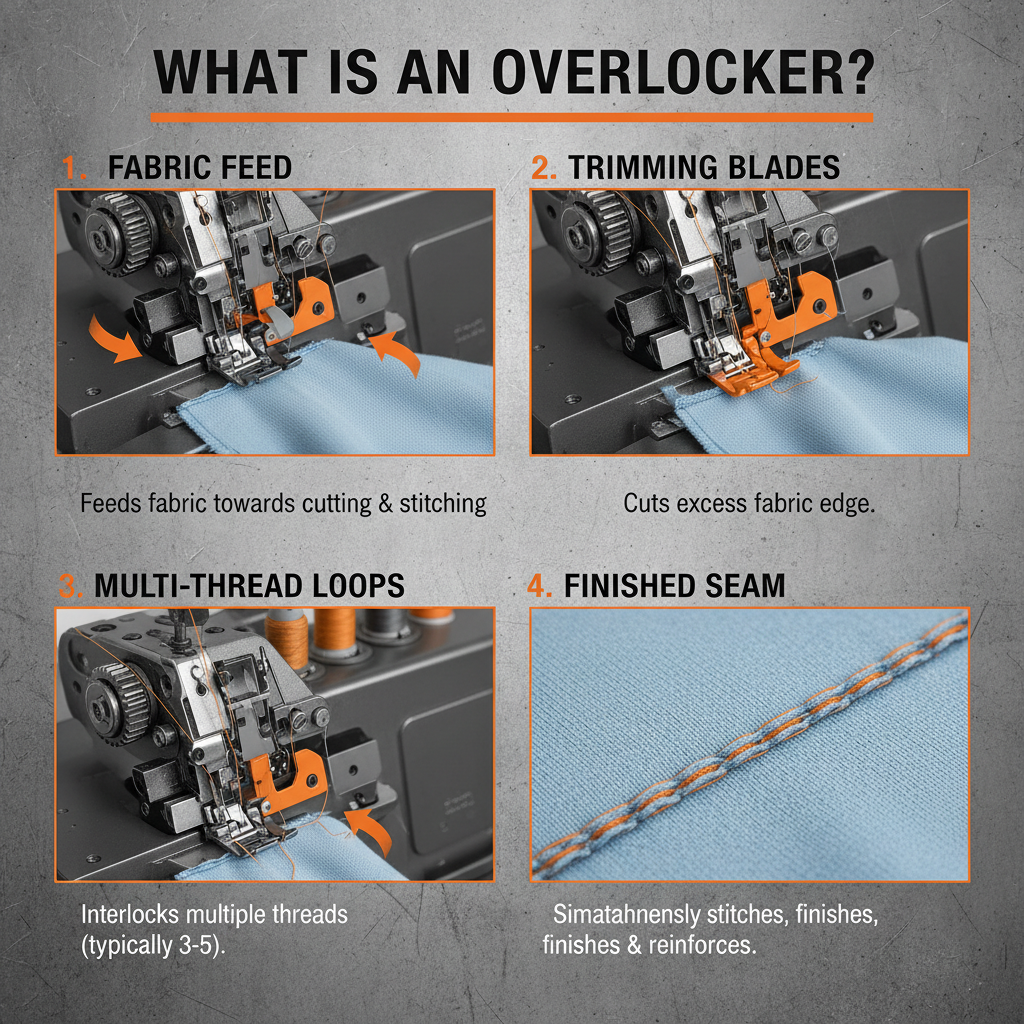
How Does an Overlocker Work? Understanding the Mechanism
The core principle of an overlocker lies in its use of loopers. Instead of the up-and-down motion of a needle and the back-and-forth action of a bobbin thread, overlockers utilize rotating loopers that interlock threads around the edge of the fabric. Typically, an overlocker employs two or more threads simultaneously. These threads wrap around the fabric edge, creating a clean, secure finish. The number of threads used affects the type of stitch and its appearance. This system produces a stitch that is both strong and flexible, making it ideal for stretch fabrics. Explore the intricate mechanics of Longsew's overlocker models and discover the precision engineering behind them.
Key Highlight: An overlocker's loopers create a stitch that wraps around the fabric edge, preventing fraying and providing a professional finish.
Different Types of Overlockers: Choosing the Right Machine for Your Needs
There are several types of overlockers available, each suited to different sewing tasks. The most common are 3-thread, 4-thread, and 5-thread overlockers. 3-thread overlockers are ideal for finishing lightweight fabrics and creating rolled hems. 4-thread overlockers are the most versatile and widely used, offering a secure seam and a professional finish on a wide range of fabrics. 5-thread overlockers provide the most secure and durable seam, often used for heavy-duty fabrics and industrial applications. Consider your typical projects when selecting an overlocker – Longsew offers a variety of overlockers to match diverse sewing needs.
Overlocker Types at a Glance:
• 3-Thread: Lightweight fabrics, rolled hems.
• 4-Thread: Versatile, all-purpose use.
• 5-Thread: Heavy-duty fabrics, maximum security.
Overlocker vs. Sewing Machine: Key Differences Explained
While both overlockers and sewing machines are essential tools for sewing, they serve distinct purposes. A sewing machine creates a seam by interlocking stitches formed by a needle and bobbin thread. An overlocker, as discussed, finishes raw edges to prevent fraying. A sewing machine can create a seam, but an overlocker finishes it. Overlockers are significantly faster at finishing edges than a sewing machine using a zigzag stitch. They also create a more professional and durable finish, especially on knit fabrics. Discover the full potential of both machines with Longsew's sewing and overlocking solutions.
Applications of an Overlocker: Beyond Basic Seams
While primarily known for finishing seams, an overlocker boasts a wide range of applications. It's perfect for creating professional-looking rolled hems on scarves, napkins, and lightweight garments. You can also use it for decorative edging, creating flatlock seams for sportswear, and even constructing lightweight quilts. Its ability to handle stretchy fabrics makes it essential for sewing activewear, lingerie, and children's clothing. Expand your sewing possibilities with the versatile machines offered by Longsew.
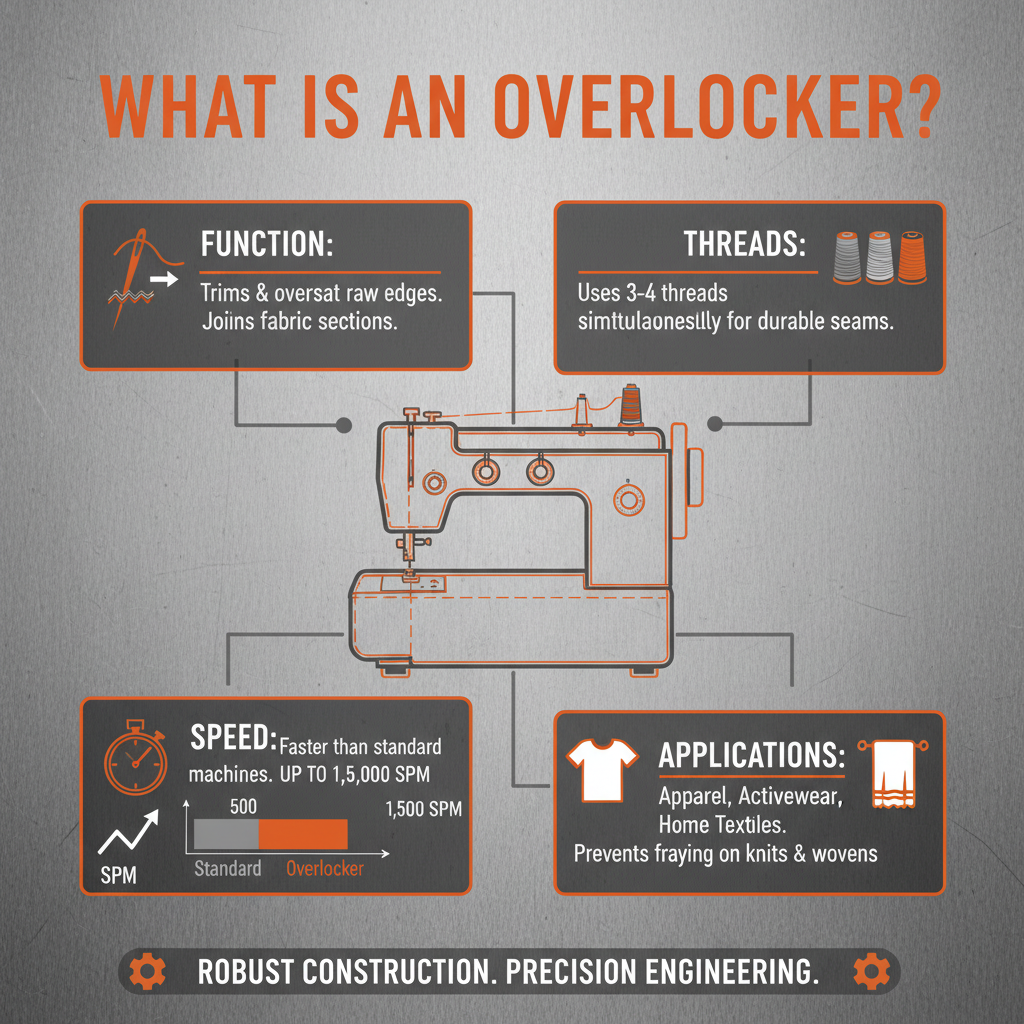
Maintaining Your Overlocker: Tips for Longevity
Regular maintenance is crucial for ensuring your overlocker performs optimally. This includes frequent cleaning to remove lint and thread buildup, lubricating moving parts, and replacing needles and loopers when they become worn. Refer to your overlocker’s manual for specific maintenance instructions. Proper care will extend the life of your machine and ensure consistently high-quality results. Longsew provides comprehensive support and resources to help you maintain your machine.
Conclusion: Unlock Your Sewing Potential with an Overlocker
An overlocker is a valuable addition to any sewing room, offering professional-quality finishes and expanding your creative possibilities. From preventing fraying to creating decorative edges, its versatility is unmatched. Investing in a quality overlocker from a reputable brand like Longsew will elevate your sewing projects to the next level.
Frequently Asked Questions (FAQs)
What types of fabrics can an overlocker handle?
Overlockers are remarkably versatile and can handle a wide range of fabrics, including woven fabrics like cotton, linen, and silk, as well as knit fabrics like jersey, fleece, and spandex. The ability to adjust tension and stitch length allows you to optimize the overlock stitch for different fabric weights and stretch characteristics. For delicate fabrics, a narrower stitch width and lower tension are recommended, while heavier fabrics may require a wider stitch width and higher tension. Ultimately, practicing on scrap fabric beforehand is always a good idea.
How often should I oil my overlocker?
The frequency of oiling depends on how often you use your overlocker. As a general guideline, oiling every few hours of use is recommended. However, it's essential to consult your overlocker's manual for specific instructions, as some models require different lubrication schedules. Using the correct type of oil is also crucial; refer to your manual for the recommended oil. Properly oiled overlockers operate more smoothly, quietly, and efficiently, extending their lifespan.
Can an overlocker replace a sewing machine?
No, an overlocker cannot completely replace a sewing machine. While an overlocker excels at finishing edges and creating seams, it cannot perform all the functions of a sewing machine, such as installing zippers, creating buttonholes, or sewing intricate designs. They are complementary tools – a sewing machine for construction and an overlocker for professional finishing. Many sewers own both to achieve the best results in their projects.
What is differential feed and how does it work?
Differential feed is a feature found on many overlockers that allows you to adjust the rate at which the feed dogs move. This is incredibly useful for dealing with stretchy fabrics, preventing them from stretching out of shape during sewing. Increasing the differential feed can gather the fabric, while decreasing it can prevent stretching. It’s a powerful tool for achieving a professional, stable finish on knit fabrics.
Latest news
-
Industrial Bag Sewing Machine Price and Comprehensive Buying GuideNewsApr.16,2026
-
Industrial Hand Held Bag Closer for Efficient Packaging SealingNewsApr.16,2026
-
Industrial Hand Held Bag Closer Sewing Machine for PackagingNewsApr.16,2026
-
Efficient Industrial Bag Closer Sewing Machine for PackagingNewsApr.16,2026
-
Industrial Sewing Guide for Choosing the Right Closer MachineNewsApr.16,2026
-
Guide to Capital Bag Closer Machine Price and Buying FactorsNewsApr.16,2026
-
Say goodbye to inefficient cutting! This heavy-duty webbing hot cutting machine redefines the new standard for industrial cuttingNewsApr.14,2026

Hebei LongSew Machinery Technology Co. Ltd is beginning as sewing machine parts supplier, now Longsew have over twenty years experience in complete set sewing machine offering.


CLASSIFICATION
CONTACT US
-

No.368 North Youyi Street, Shijiazhuang City, Hebei Province, China
-

-

Copyright © 2026 HEBEI LONGSEW MACHINERY TECHNOLOGY CO. LTD All Rights Reserved. Sitemap | Privacy Policy | Top Blog | Global Service