

Mar . 21, 2026 01:55
Back to list
What is an Overlock Serger Sewing Machine and Why You Need One
What is an Overlock Serger Sewing Machine?
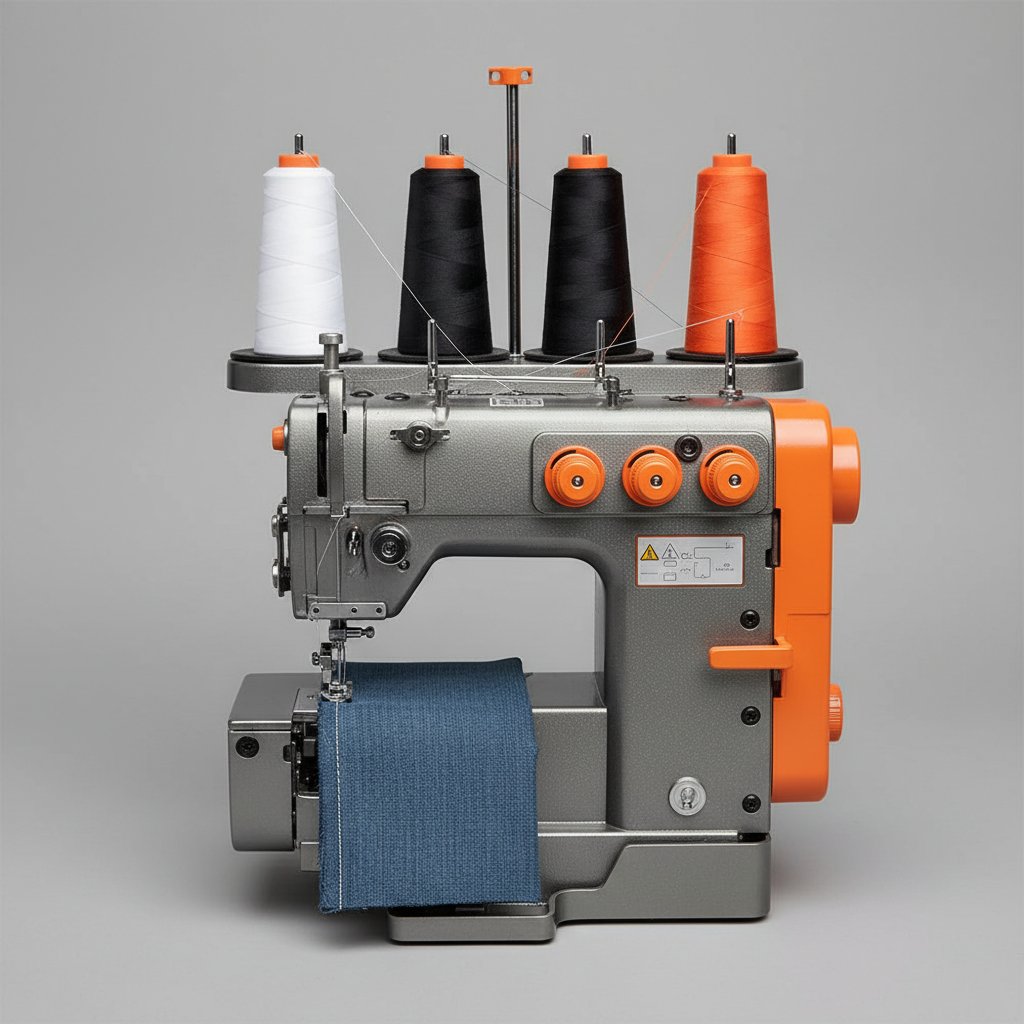
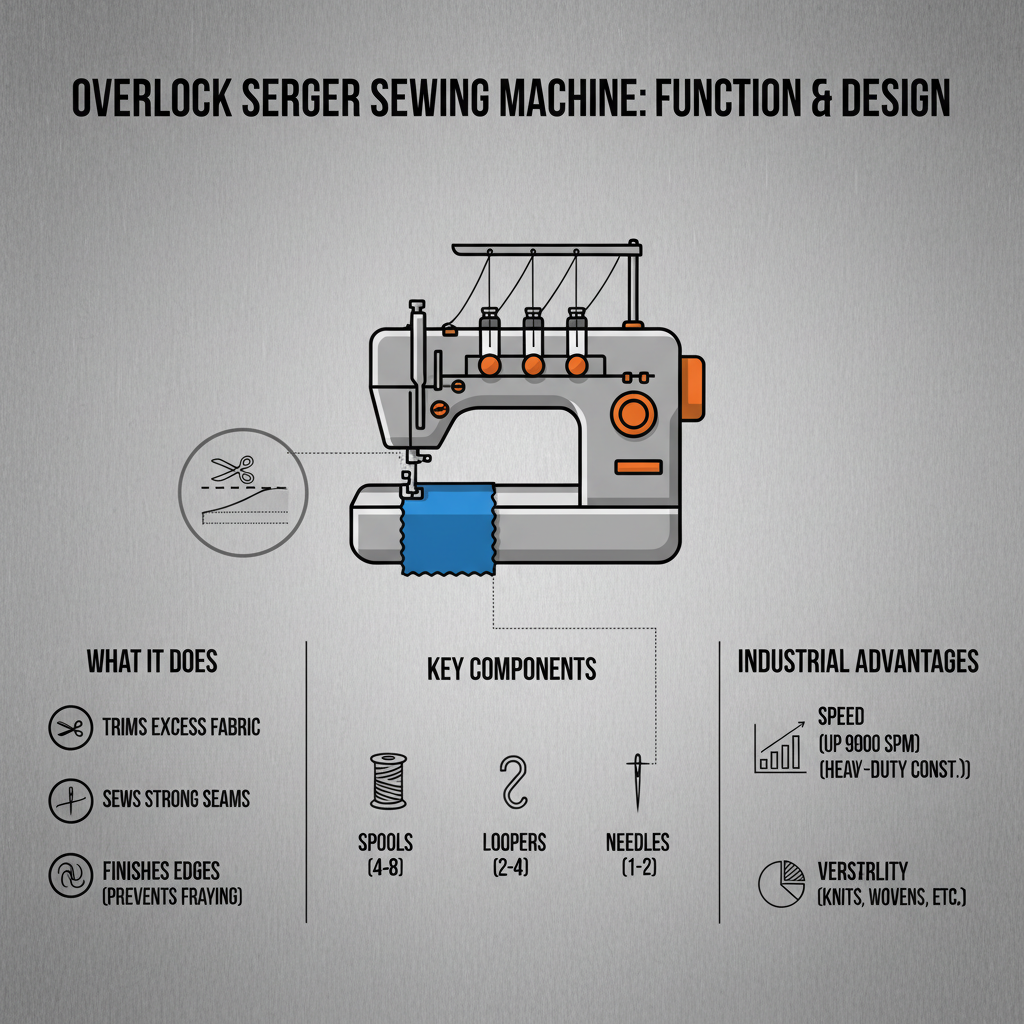
An overlock serger sewing machine (often simply called a serger) is a specialized sewing machine designed to create a professional finish on fabric edges. Unlike a standard sewing machine which simply stitches fabric together, a serger simultaneously sews a seam, trims away excess fabric, and encases the raw edge with thread – all in one step! This prevents fraying and gives garments and projects a clean, durable, and polished look. It’s a must-have tool for serious sewers, quilters, and anyone working with knit fabrics. Understanding the benefits and capabilities of a serger can elevate your sewing projects to a whole new level.
How Does an Overlock Serger Work?
The magic of a serger lies in its use of loopers instead of the traditional needle and bobbin found in standard sewing machines. Loopers interlock threads around the edge of the fabric, creating a secure and flexible seam. A built-in knife trims the fabric edge before it’s overlocked, ensuring a clean finish. Most sergers use between 3 and 5 threads, allowing for a variety of stitch types and widths. The number of threads used impacts the seam's strength, appearance, and stretchiness. The process is far faster and more efficient than traditional methods of finishing seams, like zig-zag stitching or using bias tape.
Key Benefit: Sergers significantly reduce sewing time by combining seam construction and edge finishing into a single operation. This makes them essential for high-volume projects or those requiring a professional touch.
What Can You Do with an Overlock Serger Sewing Machine?
Beyond basic seam finishing, sergers offer incredible versatility. They excel at sewing knit fabrics, preventing them from curling and providing a stretchy, comfortable seam. They’re also fantastic for creating rolled hems, decorative edging, and even flatlocked seams – popular in sportswear. You can even use a serger to create lightweight and durable piping. Different stitch types can be used for different applications, such as safety stitches for extra security or narrow overlock stitches for delicate fabrics. Explore the possibilities to unlock the full potential of this powerful machine!
Serger Capabilities:
• Seam Finishing
• Sewing Knit Fabrics
• Creating Rolled Hems
• Decorative Edging
• Flatlock Seams
Overlock Serger vs. Traditional Sewing Machine: A Comparison
While a standard sewing machine can achieve some seam finishing techniques, it doesn't compare to the speed, efficiency, and professional results of a serger. Traditional machines often require separate steps for sewing and finishing, whereas a serger combines them. Furthermore, the overlock stitch is far more durable and stretchy than a standard zig-zag stitch, making it ideal for garments that will be worn and washed frequently. Sergers are also better equipped to handle slippery or delicate fabrics that can be challenging for conventional sewing machines.
Choosing the Right Overlock Serger for Your Needs
When selecting a serger, consider your skill level, the types of projects you’ll be working on, and your budget. Longsew offers a wide range of serger machines, from basic models perfect for beginners to advanced machines with features like automatic threaders and differential feed control. Differential feed control allows you to adjust the speed of the feed dogs, which is essential for working with stretchy fabrics and preventing puckering. Research different models and read reviews to find a machine that meets your specific requirements.
Conclusion: Elevate Your Sewing with a Serger
An overlock serger sewing machine is an invaluable tool for any serious sewer. Its ability to combine seam construction and edge finishing, along with its versatility and speed, makes it a game-changer for creating professional-looking garments and projects. Whether you're a beginner or an experienced sewist, investing in a serger will undoubtedly elevate your craft. Explore the options available at Longsew and discover the difference a serger can make!
Frequently Asked Questions (FAQs)
What is the difference between a serger and an overlock machine?
The terms "serger" and "overlock machine" are often used interchangeably. Technically, “overlock” refers specifically to the stitch type that encases the fabric edge, preventing fraying. A serger performs an overlock stitch, but it can also do much more, such as rolled hems, flatlock seams, and decorative edging. Therefore, a serger is a machine capable of creating various stitch types, including overlock, while an overlock machine solely focuses on the overlock stitch.
How many threads does a serger use?
Sergers typically use between 3 and 5 threads, but some models can handle even more. A 3-thread serger is often used for basic seam finishing, while a 4-thread serger creates a more secure and durable seam. A 5-thread serger is ideal for heavy-duty fabrics and provides exceptional seam strength. The number of threads used affects the seam's appearance, stretchiness, and overall durability.
Is a serger difficult to learn?
While a serger may seem intimidating at first, it’s not overly difficult to learn. It takes practice to master threading the machine and understanding the different stitch settings. However, with a bit of patience and practice, most sewers can quickly become proficient. Many resources are available online, including tutorials and videos, to help you get started. Longsew's customer support team is also available to provide assistance.
Can a serger be used for quilting?
Yes, a serger can be a valuable tool for quilting. It’s excellent for finishing the edges of quilt blocks and binding quilts, creating a clean and professional look. The overlock stitch prevents fraying and adds durability to the quilt. Additionally, sergers can be used to create decorative edging and embellishments on quilts.
Previous:
Latest news
-
Industrial Bag Sewing Machine Price and Comprehensive Buying GuideNewsApr.16,2026
-
Industrial Hand Held Bag Closer for Efficient Packaging SealingNewsApr.16,2026
-
Industrial Hand Held Bag Closer Sewing Machine for PackagingNewsApr.16,2026
-
Efficient Industrial Bag Closer Sewing Machine for PackagingNewsApr.16,2026
-
Industrial Sewing Guide for Choosing the Right Closer MachineNewsApr.16,2026
-
Guide to Capital Bag Closer Machine Price and Buying FactorsNewsApr.16,2026
-
Say goodbye to inefficient cutting! This heavy-duty webbing hot cutting machine redefines the new standard for industrial cuttingNewsApr.14,2026

Hebei LongSew Machinery Technology Co. Ltd is beginning as sewing machine parts supplier, now Longsew have over twenty years experience in complete set sewing machine offering.


CLASSIFICATION
CONTACT US
-

No.368 North Youyi Street, Shijiazhuang City, Hebei Province, China
-

-

Copyright © 2026 HEBEI LONGSEW MACHINERY TECHNOLOGY CO. LTD All Rights Reserved. Sitemap | Privacy Policy | Top Blog | Global Service