

Mar . 19, 2026 02:05
Back to list
What is a Serger Overlock Machine A Comprehensive Guide to Sewing
What is a Serger Overlock Machine? A Comprehensive Guide
A serger overlock machine is a specialized sewing machine that simultaneously sews, trims, and finishes raw fabric edges. Unlike a traditional sewing machine, which creates a straight stitch, a serger uses loopers and needles to create an overlock stitch, preventing fraying and providing a professional-looking finish. It's an essential tool for garment construction, quilting, and crafting, offering speed, efficiency, and durability. Whether you're a seasoned seamstress or just starting, understanding the capabilities of a serger is key to elevating your sewing projects.
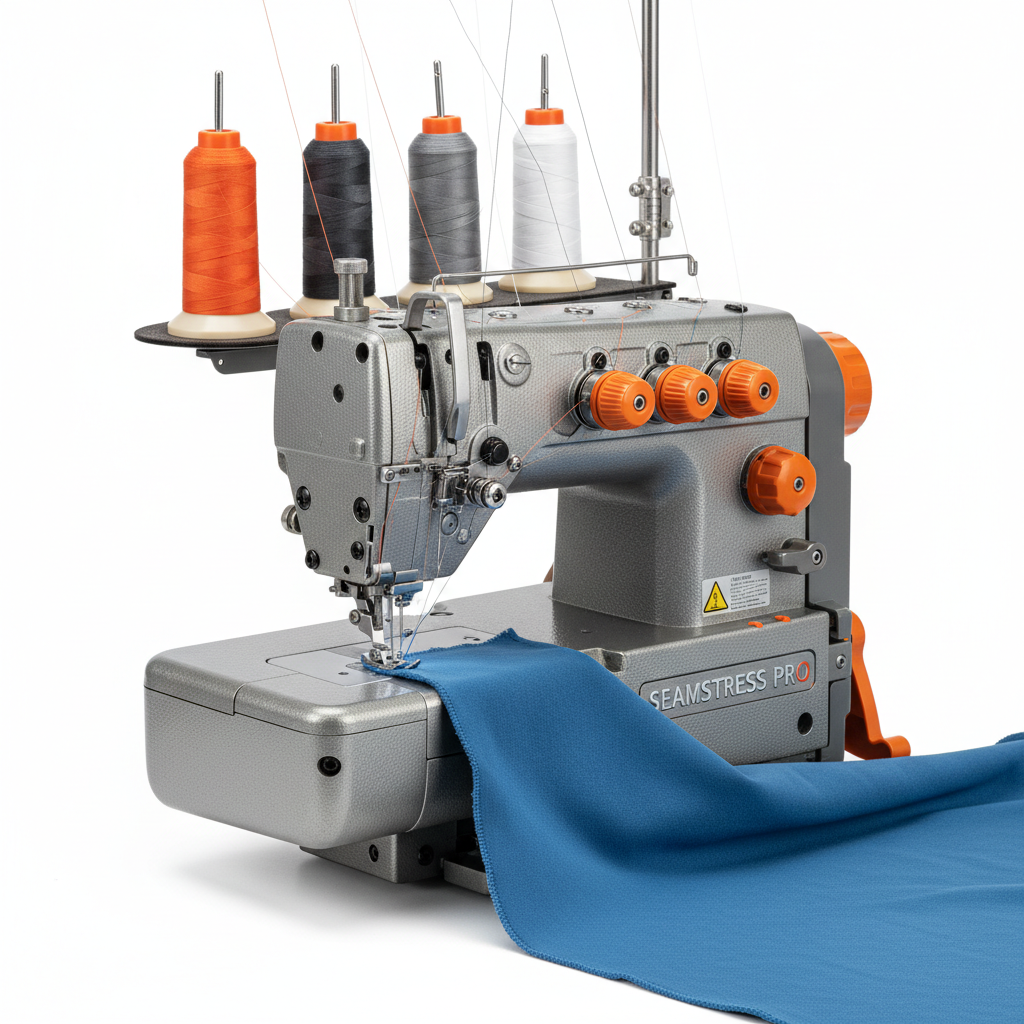
Understanding the Core Functionality of a Serger
The primary function of a serger is to create a clean, professional edge finish on fabric. This is achieved using loopers, which interlock threads around the edge of the fabric, encasing it and preventing unraveling. Sergers can handle a wide variety of fabrics, from lightweight silks to heavy denims. They’re particularly useful for knits, as the overlock stitch has stretch, accommodating the natural give of these fabrics. Beyond edge finishing, sergers can also be used for seam construction, creating rolled hems, and decorative edging.
Key Benefits: Prevent fabric fraying, provide a professional finish, increased sewing speed, and versatility in seam and edge construction.
What Makes a Serger Different from a Standard Sewing Machine?
While both sergers and standard sewing machines sew fabric, they operate fundamentally differently. A standard sewing machine typically uses two threads—one from the spool and one from the bobbin—to create a straight stitch. A serger, on the other hand, employs multiple threads (typically 3, 4, or 5) and loopers to create an overlock stitch. This stitch simultaneously sews, trims, and finishes the edge, whereas a standard sewing machine requires separate steps for each. Additionally, sergers excel at handling stretch fabrics, a challenge for many standard machines.
Key Differences:
• Stitch Type: Overlock vs. Straight Stitch
• Thread Count: Multiple (3-5) vs. Two
• Edge Finishing: Simultaneous vs. Separate Step
• Fabric Handling: Superior for Stretch Fabrics
Types of Sergers: Choosing the Right Machine for Your Needs
Several types of sergers cater to different sewing needs. The most common types include:
- 3-Thread Sergers: Best for basic edge finishing and lightweight fabrics.
- 4-Thread Sergers: Offer a more secure and durable seam, suitable for medium-weight fabrics.
- 5-Thread Sergers: Provide the most professional finish and are ideal for heavy-duty projects and safety seams.
- Coverstitch Sergers: Specialized machines that create a professional-looking hem on knit fabrics.
Considering your typical projects and fabric types will help you determine which serger best suits your requirements.
Serger vs. Overlock Machine: Are They the Same?
The terms "serger" and "overlock machine" are often used interchangeably, and for good reason – they are essentially the same thing! "Serger" is often used as a brand name (Singer being a popular one), while "overlock" is a more technical term describing the stitch type. Both terms refer to a machine that simultaneously sews, trims, and finishes fabric edges with a looped thread. You'll find high-quality serger overlock machines at Longsew, designed to meet a variety of sewing needs.
Applications of a Serger Overlock Machine
Sergers are invaluable in a variety of sewing applications. They're essential for garment construction, particularly for t-shirts, leggings, and other knitwear. In quilting, sergers can create clean, professional edges on quilt blocks and binding. They're also used for crafting projects like bags, scarves, and home décor items. The speed and efficiency of a serger can significantly reduce project completion time while improving the overall quality of the finished product.
Conclusion: Elevate Your Sewing with a Serger
A serger overlock machine is a powerful tool that can significantly enhance your sewing capabilities. From professional-looking finishes to increased efficiency, the benefits are undeniable. Whether you’re a beginner or an experienced sewist, investing in a serger is a worthwhile step towards achieving higher-quality results and enjoying the craft of sewing even more.
Frequently Asked Questions (FAQs)
What’s the learning curve like for using a serger?
While sergers may seem intimidating at first, they are surprisingly user-friendly once you understand the basics. Threading a serger can initially be challenging, but with practice and clear instructions (many machines come with detailed diagrams), it becomes much easier. Online tutorials and resources are also available to guide you through the process. Start with simple projects and gradually increase complexity as you gain confidence. The key is patience and persistence.
Do I need special thread for a serger?
While you can use standard sewing machine thread in a serger, it's recommended to use serger-specific thread, also known as cone thread. Serger thread is lighter and softer, allowing it to flow smoothly through the loopers without causing tension issues. It also comes in larger cones, which require less frequent changing. However, using standard thread is possible for smaller projects or when serger thread isn't available.
How often should I oil my serger?
Regular oiling is essential to keep your serger running smoothly. The frequency depends on how often you use the machine, but generally, oiling before each major project or every few hours of use is recommended. Refer to your serger's manual for specific oiling instructions, as different models may have different requirements. Proper lubrication minimizes friction, prevents wear and tear, and ensures optimal performance.
Latest news
-
Industrial Bag Sewing Machine Price and Comprehensive Buying GuideNewsApr.16,2026
-
Industrial Hand Held Bag Closer for Efficient Packaging SealingNewsApr.16,2026
-
Industrial Hand Held Bag Closer Sewing Machine for PackagingNewsApr.16,2026
-
Efficient Industrial Bag Closer Sewing Machine for PackagingNewsApr.16,2026
-
Industrial Sewing Guide for Choosing the Right Closer MachineNewsApr.16,2026
-
Guide to Capital Bag Closer Machine Price and Buying FactorsNewsApr.16,2026
-
Say goodbye to inefficient cutting! This heavy-duty webbing hot cutting machine redefines the new standard for industrial cuttingNewsApr.14,2026

Hebei LongSew Machinery Technology Co. Ltd is beginning as sewing machine parts supplier, now Longsew have over twenty years experience in complete set sewing machine offering.


CLASSIFICATION
CONTACT US
-

No.368 North Youyi Street, Shijiazhuang City, Hebei Province, China
-

-

Copyright © 2026 HEBEI LONGSEW MACHINERY TECHNOLOGY CO. LTD All Rights Reserved. Sitemap | Privacy Policy | Top Blog | Global Service