

Mar . 19, 2026 02:05
Back to list
What is a Serger For A Comprehensive Guide to Overlock Machines
What is a Serger For? A Comprehensive Guide
Are you curious about the world of sewing and have heard the term "serger" but aren't sure what it is or what it does? A serger, also known as an overlock machine, is a specialized sewing machine that’s a fantastic addition to any seamstress’s toolkit. It's different than a traditional sewing machine and offers unique capabilities. This article will delve into the function, benefits, and applications of a serger, helping you understand if it’s the right tool for your sewing projects. Discover how a serger machine can elevate your sewing game.
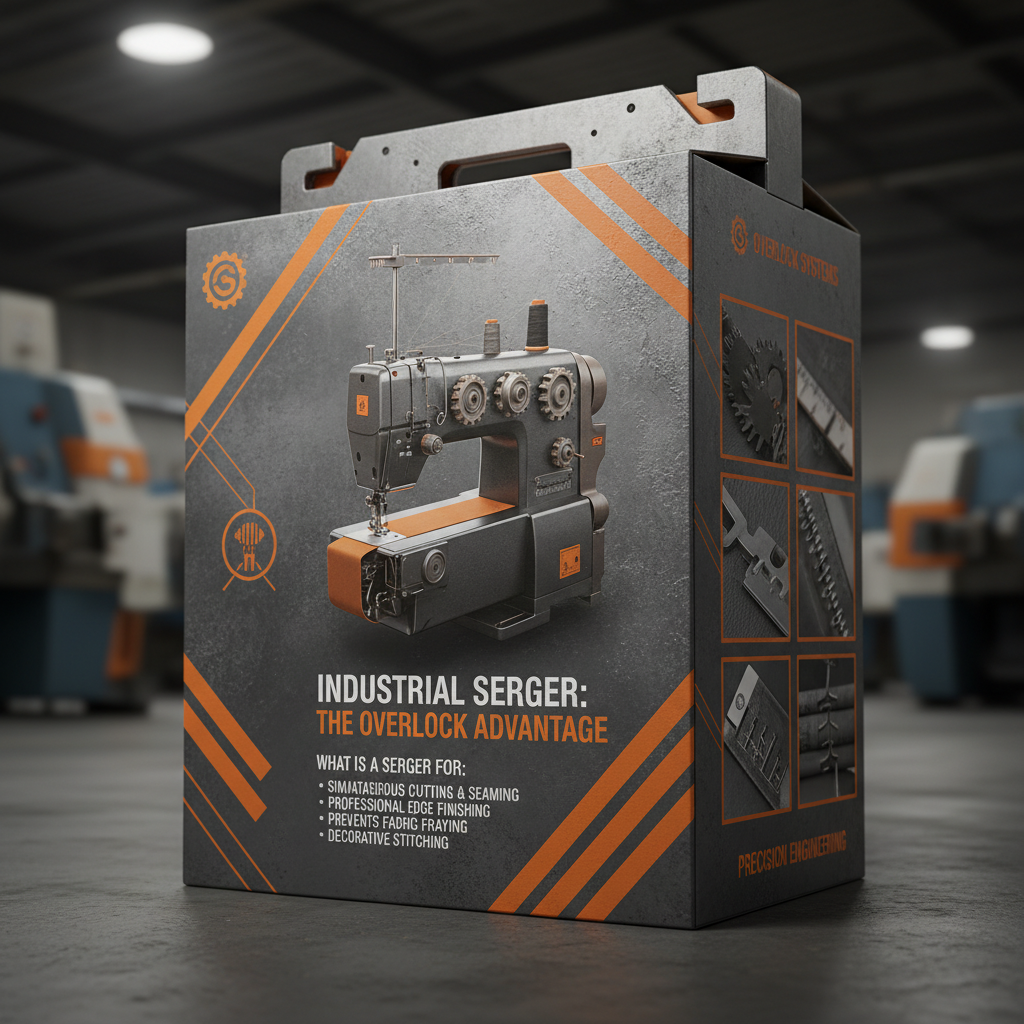
Understanding the Core Function: What Does a Serger Do?
At its core, a serger simultaneously sews a seam, trims the excess fabric, and overcasts the raw edge to prevent fraying. Unlike a standard sewing machine which forms a simple stitch, a serger utilizes loopers and needles to create an overlock stitch. This stitch wraps thread around the fabric edge, securing it and creating a professional-looking finish. This is incredibly useful for garments, as it gives them a clean, durable edge that resists unraveling. It’s especially beneficial when working with knit fabrics which tend to fray more easily than woven fabrics.
Key Takeaway: A serger excels at finishing edges, preventing fraying, and creating professional-looking seams simultaneously.
Serger vs. Sewing Machine: A Detailed Comparison
While both sergers and sewing machines are essential tools for sewing, they serve different purposes. A sewing machine is excellent for constructing garments, applying zippers, and general stitching. A serger, however, specializes in edge finishing and creating seams that are both strong and aesthetically pleasing. Here’s a breakdown of their key differences:
What Types of Projects Benefit from Using a Serger?
A serger is incredibly versatile and can enhance a wide range of sewing projects. Here are some examples:
- Garment Construction: Creating seams in clothing, especially knitwear, is where a serger truly shines.
- Quilting: While not essential, a serger can be used to finish quilt edges and create decorative accents.
- Home Decor: Serging pillowcases, curtains, and other home decor items provides a professional and durable finish.
- Craft Projects: Sergers are useful for creating clean edges on bags, toys, and other craft projects.
Choosing the Right Serger: Key Considerations
When selecting a serger, consider your skill level and the types of projects you plan to undertake. Entry-level sergers are affordable and easy to use, while more advanced models offer a wider range of features and stitch options. Key features to look for include:
- Number of Threads: Sergers come in various configurations (3, 4, or 5 threads), offering different stitch options.
- Differential Feed: This feature allows you to adjust the fabric feed rate, preventing stretching or puckering.
- Adjustable Stitch Length and Width: Provides versatility for different fabrics and projects.
- Ease of Threading: Look for a serger with an easy-to-thread system, as threading can be a bit challenging initially.
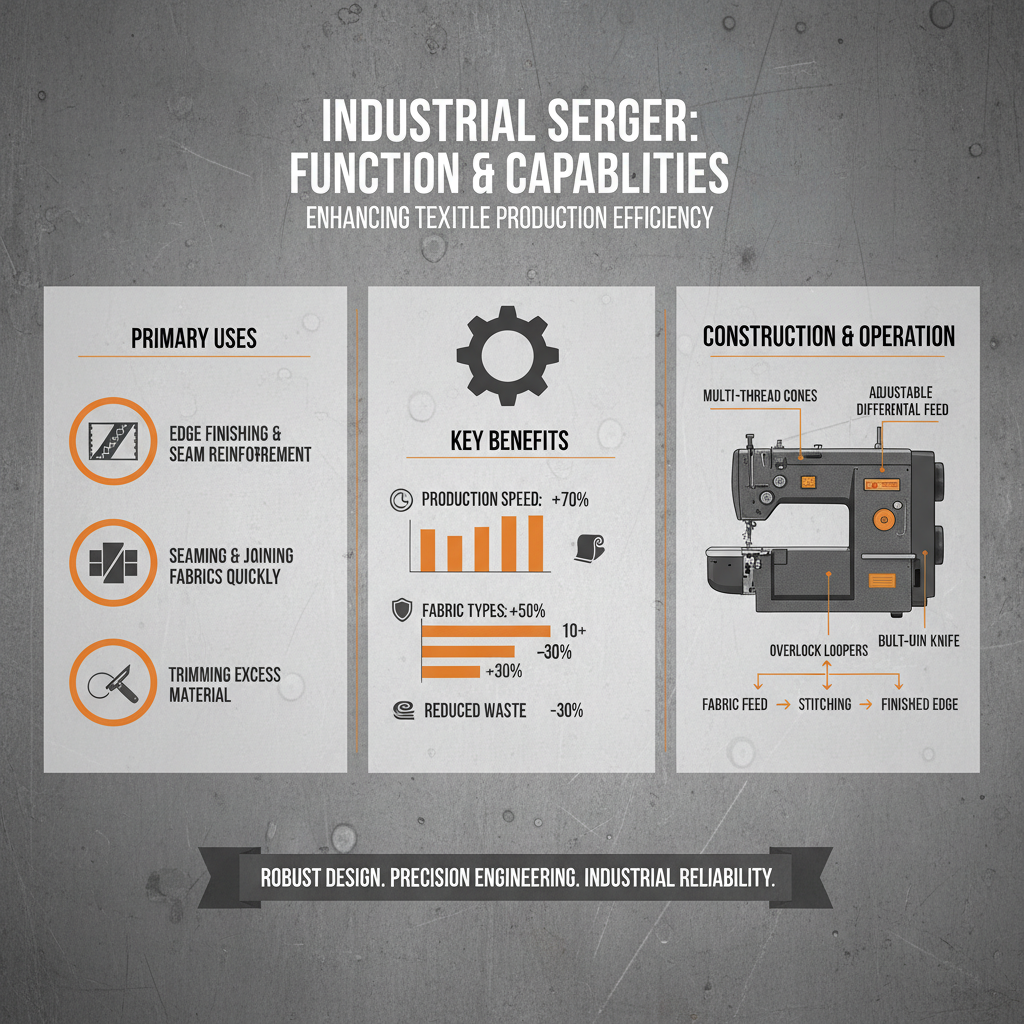
Longsew: Your Partner in Sewing Excellence
At Longsew, we offer a wide selection of high-quality sergers to meet your sewing needs. From beginner-friendly models to professional-grade machines, we have the perfect serger for you. Our expert team can provide guidance and support to help you choose the right machine and master its features. Explore our collection today and take your sewing projects to the next level!
Conclusion: Is a Serger Right for You?
If you’re looking to create professional-quality seams, finish edges beautifully, and streamline your sewing process, a serger is an invaluable investment. It's a game-changer for garment construction, especially with knit fabrics. Explore the options and discover how a serger can unlock your creative potential.
Frequently Asked Questions (FAQs)
What is the learning curve like for using a serger?
While a serger may seem intimidating at first, the learning curve isn't as steep as you might think. The initial challenge often lies in threading the machine, but many modern sergers have color-coded threading guides to simplify the process. Practice with scrap fabric to get comfortable with the stitch settings and fabric manipulation. Online tutorials and resources can also be incredibly helpful. With a little patience and practice, you'll be serging like a pro in no time!
Can a serger be used on all types of fabric?
Sergers excel with knit fabrics, preventing them from unraveling and creating stretchy seams. They also work wonderfully with woven fabrics, providing a clean and durable edge. However, very delicate or lightweight fabrics might require adjustments to the stitch length and tension to avoid puckering or damage. It’s always recommended to test on a scrap piece of fabric before starting your project.
How often does a serger need maintenance?
Regular maintenance is crucial for keeping your serger running smoothly. This includes cleaning out lint buildup after each use, oiling the machine according to the manufacturer's instructions, and replacing needles and blades when they become dull. A well-maintained serger will provide years of reliable performance. Longsew offers a range of accessories and maintenance kits to help you keep your machine in top condition.
What is the difference between a 3-thread and 4-thread serger?
A 3-thread serger is more basic and is often used for finishing edges and creating lightweight seams. A 4-thread serger creates a stronger, more secure seam that's ideal for garments that will undergo a lot of wear and tear. The 4-thread stitch also provides a more finished look on both sides of the fabric. The choice between the two depends on the types of projects you plan to undertake.
Latest news
-
Industrial Bag Sewing Machine Price and Comprehensive Buying GuideNewsApr.16,2026
-
Industrial Hand Held Bag Closer for Efficient Packaging SealingNewsApr.16,2026
-
Industrial Hand Held Bag Closer Sewing Machine for PackagingNewsApr.16,2026
-
Efficient Industrial Bag Closer Sewing Machine for PackagingNewsApr.16,2026
-
Industrial Sewing Guide for Choosing the Right Closer MachineNewsApr.16,2026
-
Guide to Capital Bag Closer Machine Price and Buying FactorsNewsApr.16,2026
-
Say goodbye to inefficient cutting! This heavy-duty webbing hot cutting machine redefines the new standard for industrial cuttingNewsApr.14,2026

Hebei LongSew Machinery Technology Co. Ltd is beginning as sewing machine parts supplier, now Longsew have over twenty years experience in complete set sewing machine offering.


CLASSIFICATION
CONTACT US
-

No.368 North Youyi Street, Shijiazhuang City, Hebei Province, China
-

-

Copyright © 2026 HEBEI LONGSEW MACHINERY TECHNOLOGY CO. LTD All Rights Reserved. Sitemap | Privacy Policy | Top Blog | Global Service