

Mar . 19, 2026 02:05
Back to list
What is a Overlocker A Detailed Guide to Serger Machines and Their Benefits
What is an Overlocker? A Comprehensive Guide
An overlocker, also known as a serger, is a specialized sewing machine that finishes the edges of fabric to prevent unraveling and create a professional-looking seam. Unlike a standard sewing machine which joins fabric pieces, an overlocker simultaneously sews, trims, and overcasts the edge of the fabric. This makes it invaluable for garment construction, especially when working with knit fabrics. If you're involved in sewing or garment production, understanding the benefits of an industrial overlocker is crucial. This article dives deep into what overlockers are, how they work, their benefits, types, and what to look for when choosing one.
How Does an Overlocker Work?
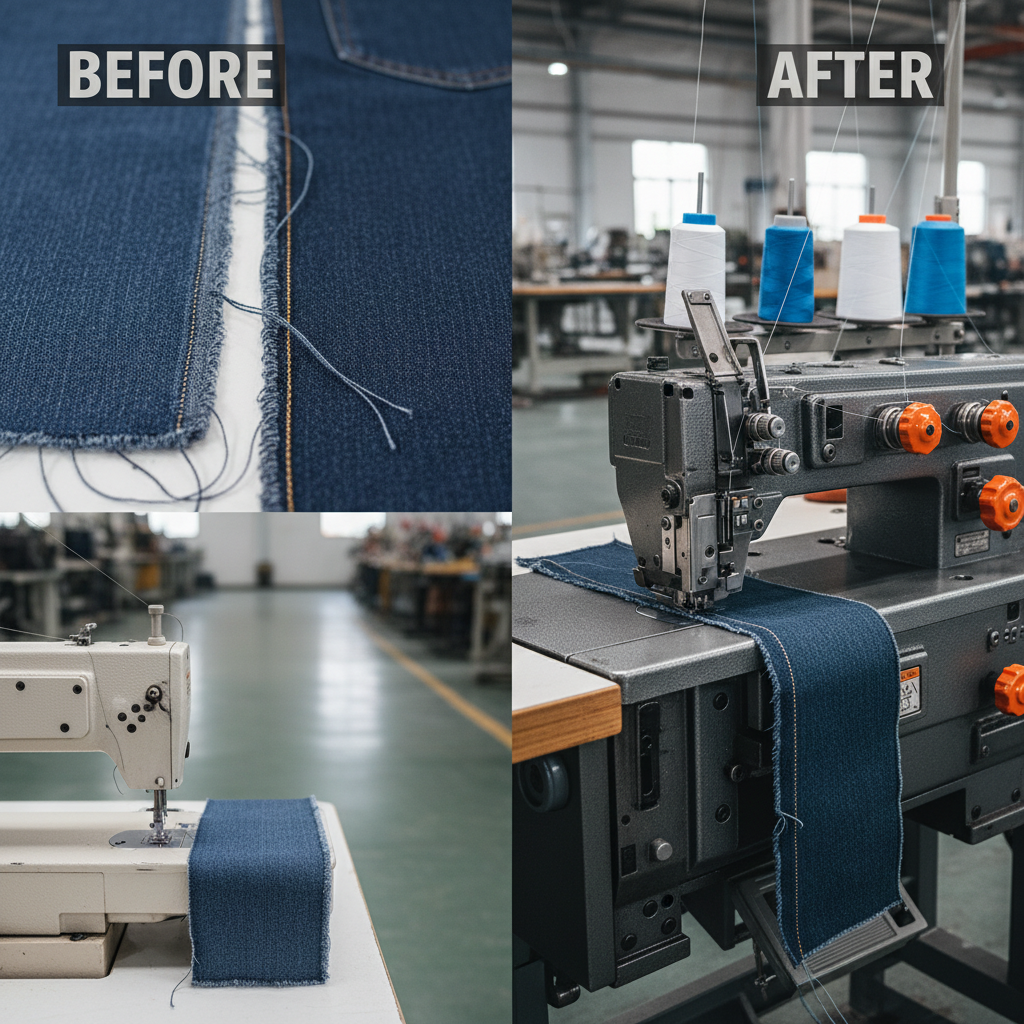
An overlocker utilizes loopers instead of a traditional needle and bobbin system. Typically, an overlocker uses two loopers – an upper looper and a lower looper – to create the overlocking stitch. As the fabric passes through the machine, the loopers interlock the threads around the edge of the fabric, trimming off any excess material. This creates a neat, durable finish that prevents fraying and adds a professional touch. The number of threads used can vary, impacting the stitch type and durability. Understanding this core mechanism is key to appreciating the speed and efficiency of an overlocker.
Key Benefit: An overlocker simultaneously sews, trims, and finishes edges, significantly reducing sewing time and improving the quality of garment construction.
The Benefits of Using an Overlocker
Using an overlocker offers numerous advantages over traditional sewing methods. The most significant benefit is the creation of a clean, professional finish that prevents fabric unraveling. This is particularly important for knit fabrics, which are prone to stretching and fraying. Overlockers also speed up the sewing process, as they perform multiple tasks simultaneously. Furthermore, the stitches created are very flexible and durable, making them ideal for garments that require a lot of movement. Finally, overlockers can be used to create decorative edge finishes, adding a unique touch to your projects. Explore Longsew’s overlocker options for advanced functionality.
Key Benefits:
• Prevents fabric unraveling and fraying
• Creates a professional-looking finish
• Speeds up the sewing process
• Creates durable and flexible seams
Different Types of Overlockers
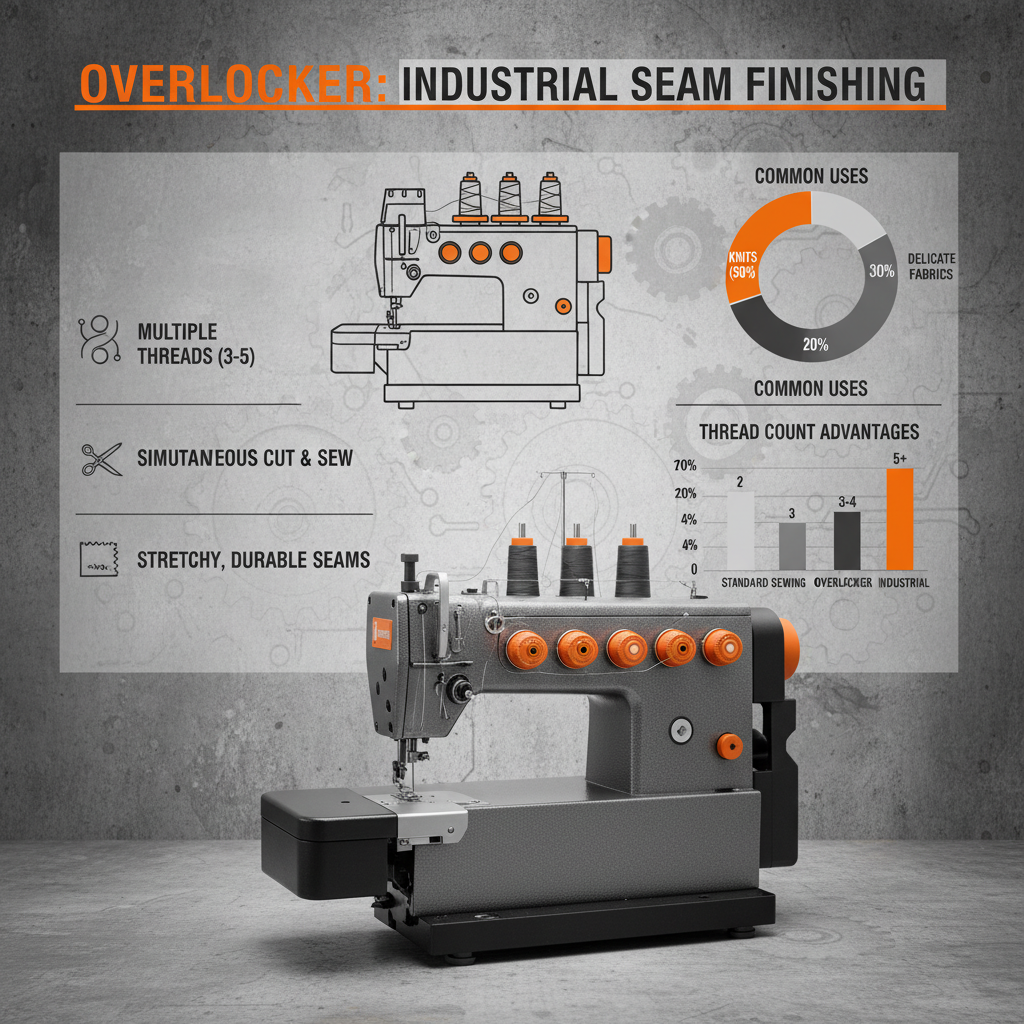
Overlockers come in several different types, each with its own strengths and weaknesses. 3-thread overlockers are the most basic and are suitable for finishing edges on lightweight fabrics. 4-thread overlockers are more versatile and can be used for a wider range of fabrics and projects. 5-thread overlockers offer even greater durability and are often used for industrial applications. Finally, coverstitch machines, while technically different, are often grouped with overlockers and are specifically designed to create a professional-looking coverstitch, often seen on t-shirts and athletic wear. Choosing the right type depends on your specific needs and the types of projects you'll be working on.
What to Look for When Choosing an Overlocker
Selecting the right overlocker requires careful consideration of several factors. The number of threads is crucial, as it determines the types of projects you can handle. Adjustability is also important, allowing you to customize the stitch length and width. Look for a machine with a differential feed, which helps prevent stretching or puckering of fabrics. Ease of threading is another significant factor, as threading an overlocker can be complex. Finally, consider the brand reputation and available support. Longsew's range of industrial overlockers offers features tailored to meet diverse production needs.
Conclusion: Elevate Your Sewing with an Overlocker
In conclusion, an overlocker is an invaluable tool for anyone involved in sewing or garment construction. Its ability to simultaneously sew, trim, and finish edges results in a professional-looking finish and significantly speeds up the sewing process. Whether you're a hobbyist or a professional, investing in an overlocker can elevate your sewing projects to the next level. Explore the options available at Longsew to find the perfect overlocker for your needs.
Frequently Asked Questions (FAQs)
What’s the difference between an overlocker and a sewing machine?
While both machines use thread to join fabric, they function differently. A sewing machine primarily joins fabric pieces using a needle and bobbin, creating a straight stitch. An overlocker, however, simultaneously sews, trims, and overcasts the edge of the fabric using loopers, creating a professional, finished edge that prevents unraveling. Sewing machines are versatile for various tasks, while overlockers are specialized for edge finishing.
Can an overlocker sew regular seams?
While an overlocker can be used for some basic seams, it’s not its primary function. Overlockers are optimized for finishing edges, not for creating the main seam in a garment. Using an overlocker for regular seams often results in a bulkier, less aesthetically pleasing finish. It’s best to use a sewing machine for the main seams and an overlocker for finishing the raw edges.
Is it difficult to learn how to use an overlocker?
Overlockers have a reputation for being intimidating, but with practice, they become quite manageable. The initial learning curve can be steeper than with a sewing machine, particularly threading the loopers. However, many modern overlockers feature color-coded threading guides to simplify the process. Online tutorials and classes can also be incredibly helpful. Once you’re familiar with the basic operation, you’ll appreciate the speed and efficiency of an overlocker.
Latest news
-
Industrial Bag Sewing Machine Price and Comprehensive Buying GuideNewsApr.16,2026
-
Industrial Hand Held Bag Closer for Efficient Packaging SealingNewsApr.16,2026
-
Industrial Hand Held Bag Closer Sewing Machine for PackagingNewsApr.16,2026
-
Efficient Industrial Bag Closer Sewing Machine for PackagingNewsApr.16,2026
-
Industrial Sewing Guide for Choosing the Right Closer MachineNewsApr.16,2026
-
Guide to Capital Bag Closer Machine Price and Buying FactorsNewsApr.16,2026
-
Say goodbye to inefficient cutting! This heavy-duty webbing hot cutting machine redefines the new standard for industrial cuttingNewsApr.14,2026

Hebei LongSew Machinery Technology Co. Ltd is beginning as sewing machine parts supplier, now Longsew have over twenty years experience in complete set sewing machine offering.


CLASSIFICATION
CONTACT US
-

No.368 North Youyi Street, Shijiazhuang City, Hebei Province, China
-

-

Copyright © 2026 HEBEI LONGSEW MACHINERY TECHNOLOGY CO. LTD All Rights Reserved. Sitemap | Privacy Policy | Top Blog | Global Service