

Jan . 30, 2026 14:35
Back to list
Understanding Shuttle Hook Price Quality and Factors for Informed Decisions
Understanding Shuttle Hook Price and Quality
When sourcing components for industrial sewing machines, the shuttle hook price is a critical factor. A high-quality shuttle hook is essential for consistent stitch formation and reliable machine performance. However, price variations can be significant. This article delves into the factors influencing shuttle hook pricing, explores the quality considerations, and provides insights for making informed purchasing decisions. Finding the right balance between cost and performance is crucial for optimizing production efficiency.
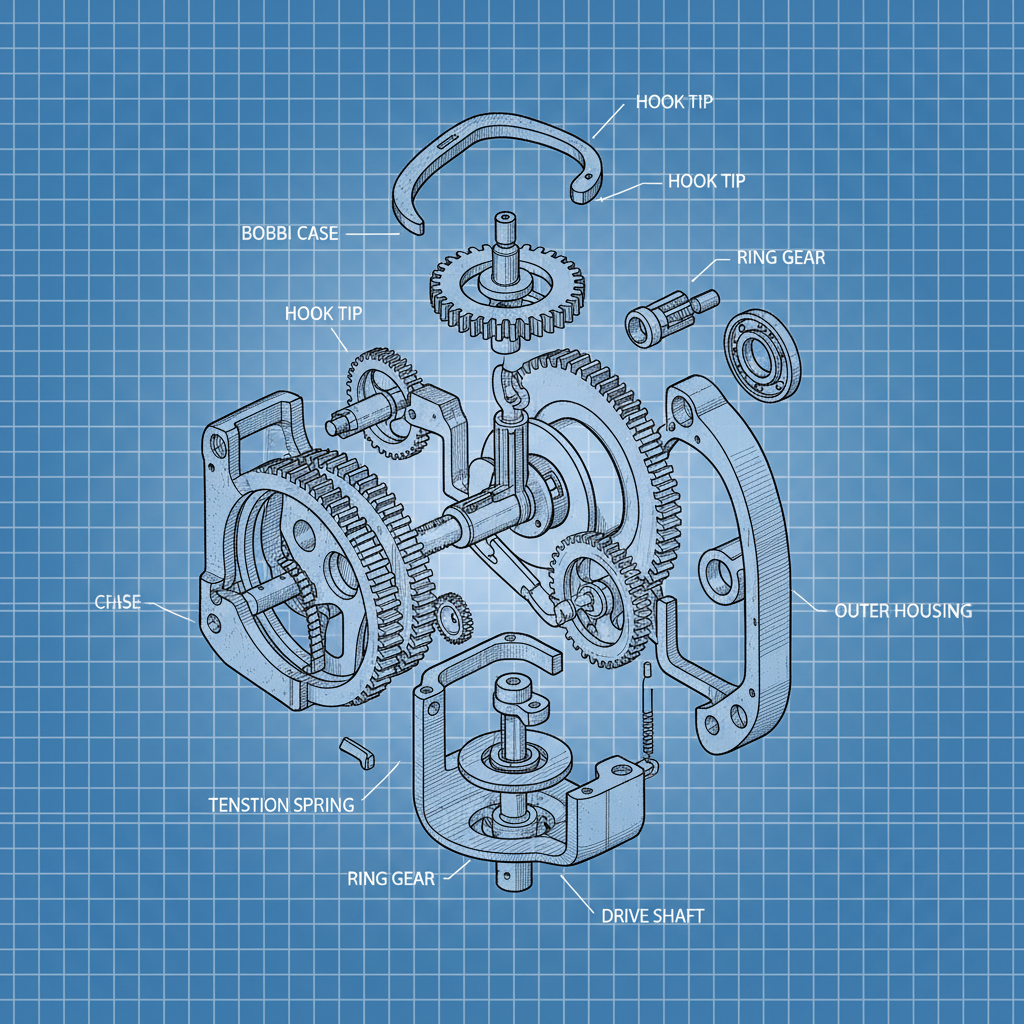
Factors Influencing Shuttle Hook Price
Several elements contribute to the price of a shuttle hook. The material used is a primary driver; hardened steel is standard, but specialized alloys increase costs. Manufacturing precision, determined by the tooling and processes employed, also impacts price. Hooks made with tighter tolerances and higher surface finishes command a premium. The brand reputation and origin of manufacture play a role, as established brands often charge more due to perceived quality and reliability. Finally, order volume significantly influences price; bulk purchases typically qualify for discounts. Understanding these factors helps negotiate better deals and assess the value proposition.
Key Price Influencers: Material type, Manufacturing Precision, Brand Reputation, and Order Volume.
Shuttle Hook Types and Price Ranges
Different sewing machine types require specific shuttle hook designs. Common types include Juki, Brother, Singer, and specialized industrial hooks. Price ranges vary considerably depending on these factors. For example, a standard Juki shuttle hook might cost between $5 and $20, while a high-precision hook for a complex industrial machine could exceed $50. The price also depends on the specific model number and compatibility with the sewing machine. Choosing the correct hook type is essential for optimal machine operation and to prevent damage.
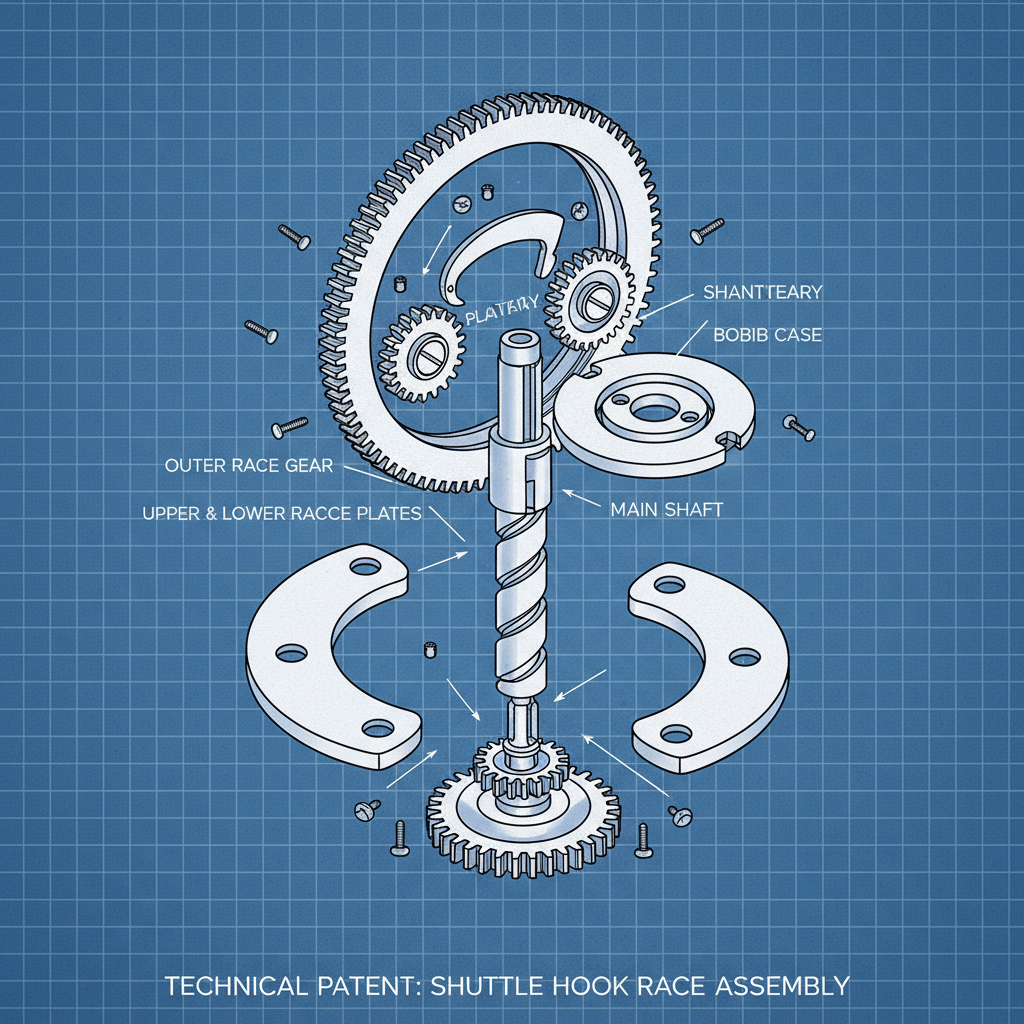
Quality Considerations: What to Look For
A low shuttle hook price isn’t always an advantage. Inferior materials or poor manufacturing can lead to premature wear, inconsistent stitching, and even machine damage. Look for hooks made from high-quality hardened steel, exhibiting a smooth, polished surface finish. Ensure the hook is precisely machined to the correct dimensions for your specific machine model. Genuine parts from reputable manufacturers like Longsew are generally a safer investment, offering guaranteed compatibility and performance.
Sourcing from Reliable Suppliers
Choosing a reputable supplier is paramount. Look for companies with a proven track record, positive customer reviews, and a commitment to quality. Suppliers who offer technical support and guarantee compatibility are valuable partners. Avoid suspiciously low prices from unknown sources, as these often indicate counterfeit or substandard products. Directly contacting the manufacturer or authorized distributors is a reliable way to ensure authenticity and obtain accurate information. Longsew provides a comprehensive range of high-quality shuttle hooks and offers expert advice to help you select the right components for your needs.
Conclusion: Balancing Price and Quality
Finding the optimal shuttle hook price requires careful consideration of quality, supplier reliability, and application needs. Investing in a high-quality hook from a trusted source can significantly improve sewing machine performance, reduce downtime, and ultimately save money in the long run. Don't solely focus on the lowest price; prioritize durability, compatibility, and long-term value.
Frequently Asked Questions (FAQs)
What is the typical lifespan of a shuttle hook?
The lifespan of a shuttle hook varies depending on usage, maintenance, and the type of materials being sewn. Generally, a well-maintained shuttle hook can last for several years. However, factors like sewing heavy fabrics, running the machine at high speeds, or neglecting lubrication can shorten its lifespan. Regular inspection for wear and tear, and timely replacement when necessary, are crucial for preventing machine damage and maintaining consistent stitch quality.
How can I tell if my shuttle hook needs replacing?
Several signs indicate a shuttle hook may need replacement. These include skipped stitches, inconsistent stitch formation, excessive thread breakage, and unusual noises during operation. If the hook appears worn, chipped, or damaged upon visual inspection, it should be replaced immediately. Attempting to continue using a damaged hook can lead to further machine damage and costly repairs.
What maintenance is required for a shuttle hook?
Regular lubrication is the most important maintenance task for a shuttle hook. Use a high-quality sewing machine oil and apply it to the designated lubrication points as specified in your machine's manual. Periodically clean the hook to remove lint, dust, and debris. Avoid using abrasive cleaners or solvents, as these can damage the hook's surface finish. Proper maintenance will significantly extend the hook's lifespan and ensure smooth, reliable operation.
Are there any compatible alternatives to OEM shuttle hooks?
While OEM (Original Equipment Manufacturer) hooks are generally recommended, high-quality aftermarket options are available. However, it's crucial to ensure the aftermarket hook is specifically designed and tested for compatibility with your machine model. Using an incompatible hook can lead to performance issues or even damage the machine. Longsew offers both OEM and carefully vetted aftermarket shuttle hooks.
Latest news
-
Industrial Bag Sewing Machine Price and Comprehensive Buying GuideNewsApr.16,2026
-
Industrial Hand Held Bag Closer for Efficient Packaging SealingNewsApr.16,2026
-
Industrial Hand Held Bag Closer Sewing Machine for PackagingNewsApr.16,2026
-
Efficient Industrial Bag Closer Sewing Machine for PackagingNewsApr.16,2026
-
Industrial Sewing Guide for Choosing the Right Closer MachineNewsApr.16,2026
-
Guide to Capital Bag Closer Machine Price and Buying FactorsNewsApr.16,2026
-
Say goodbye to inefficient cutting! This heavy-duty webbing hot cutting machine redefines the new standard for industrial cuttingNewsApr.14,2026

Hebei LongSew Machinery Technology Co. Ltd is beginning as sewing machine parts supplier, now Longsew have over twenty years experience in complete set sewing machine offering.


CLASSIFICATION
CONTACT US
-

No.368 North Youyi Street, Shijiazhuang City, Hebei Province, China
-

-

Copyright © 2026 HEBEI LONGSEW MACHINERY TECHNOLOGY CO. LTD All Rights Reserved. Sitemap | Privacy Policy | Top Blog | Global Service