

Mar . 12, 2026 01:55
Back to list
The Comprehensive Guide to the Sumo Overlock Sewing Machine for Superior Results
The Ultimate Guide to the Sumo Overlock Sewing Machine
The Sumo overlock sewing machine is a powerhouse in the world of industrial sewing, renowned for its durability, speed, and versatility. Whether you're a small-scale garment maker or a large production facility, understanding the capabilities of this machine can significantly improve your workflow and product quality. This guide will delve into the features, benefits, applications, and considerations for integrating a Sumo overlock into your operations. Investing in the right overlock machine is crucial for efficient and professional seam finishing. Longsew provides a range of Sumo models designed to meet diverse sewing needs.
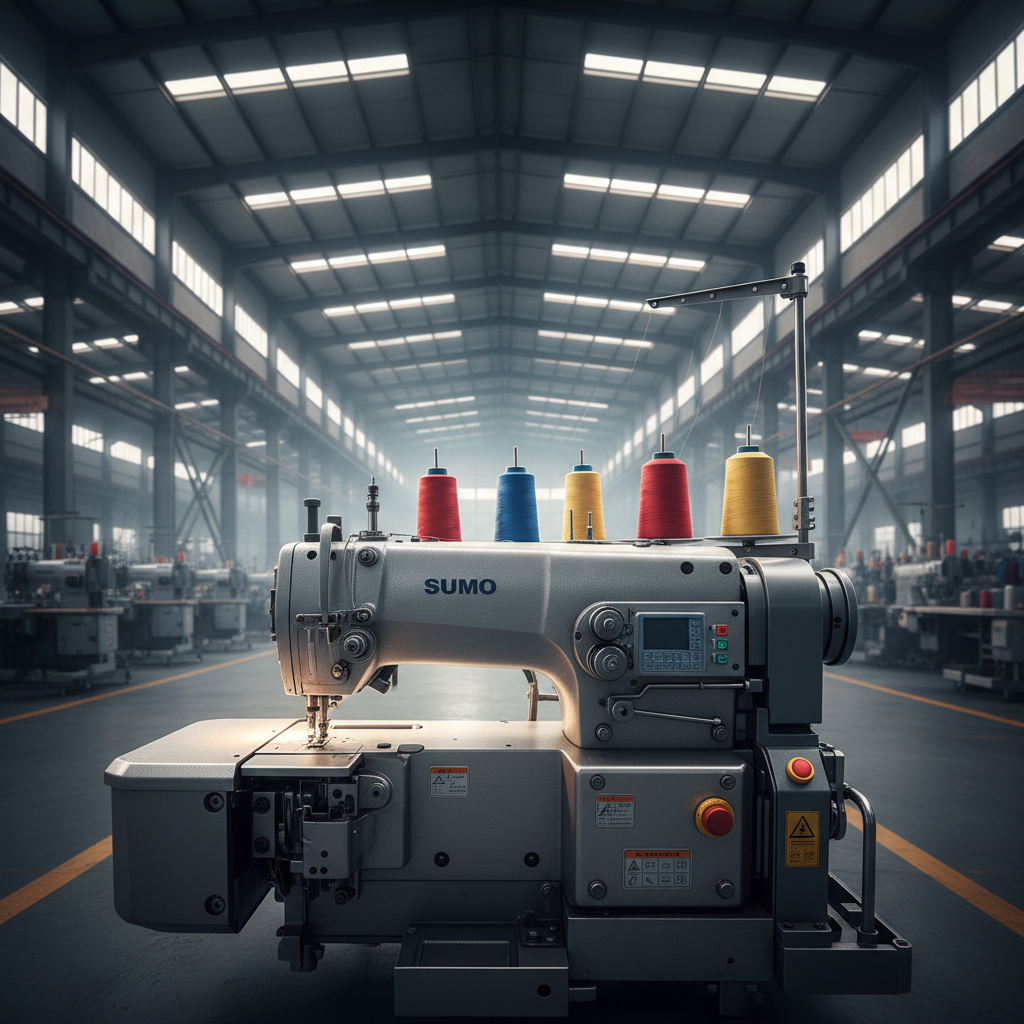
Key Features of the Sumo Overlock Sewing Machine
The Sumo overlock excels in creating professional-grade overlocked seams. Its defining features include a high-speed operation, differential feed, and adjustable stitch length and width. The machine is built with a robust frame and high-quality components, ensuring longevity and minimal downtime. Furthermore, the Sumo boasts an efficient lubrication system, reducing maintenance needs and promoting smooth operation. The integrated thread trimmer automates a crucial step in the finishing process, saving time and improving efficiency. Longsew's Sumo range offers various models with distinct features catering to different fabric types and sewing applications.
Key Highlights: High-speed operation, differential feed, adjustable stitch length & width, robust construction, and efficient lubrication system.
Understanding Differential Feed: The Sumo Advantage
Differential feed is a critical feature of the Sumo overlock. This mechanism allows independent control of the front and rear feed dogs, preventing fabric stretching or puckering. It's particularly useful when working with stretchy fabrics like knits or delicate materials like silk. By adjusting the differential feed ratio, you can achieve perfectly flat and professional-looking seams, even on challenging materials. Without differential feed, achieving consistent seam quality can be difficult, especially in mass production scenarios. Longsew offers detailed tutorials on optimizing differential feed settings for various fabric types.
Differential Feed Benefits:
• Prevents fabric stretching or puckering
• Ensures flat, professional seams
• Ideal for stretchy and delicate fabrics
• Improves overall seam quality and consistency
Sumo Overlock Sewing Machine Models: A Comparative Overview
Longsew offers a diverse range of Sumo overlock machines, each tailored to specific needs. Understanding the differences between models is crucial for making the right investment. The table below provides a comparative overview of popular Sumo models:
Applications: From Garment Manufacturing to Home Sewing
The Sumo overlock is incredibly versatile, serving a wide array of applications. In garment manufacturing, it's used for creating durable and professional seams on t-shirts, sportswear, dresses, and more. Home sewing enthusiasts appreciate its ability to finish seams neatly and quickly, adding a professional touch to their projects. Beyond apparel, the Sumo overlock is also suitable for crafting bags, quilts, and other textile products. Its speed and precision make it a valuable asset in any sewing environment. Explore the diverse applications showcased by Longsew customers.
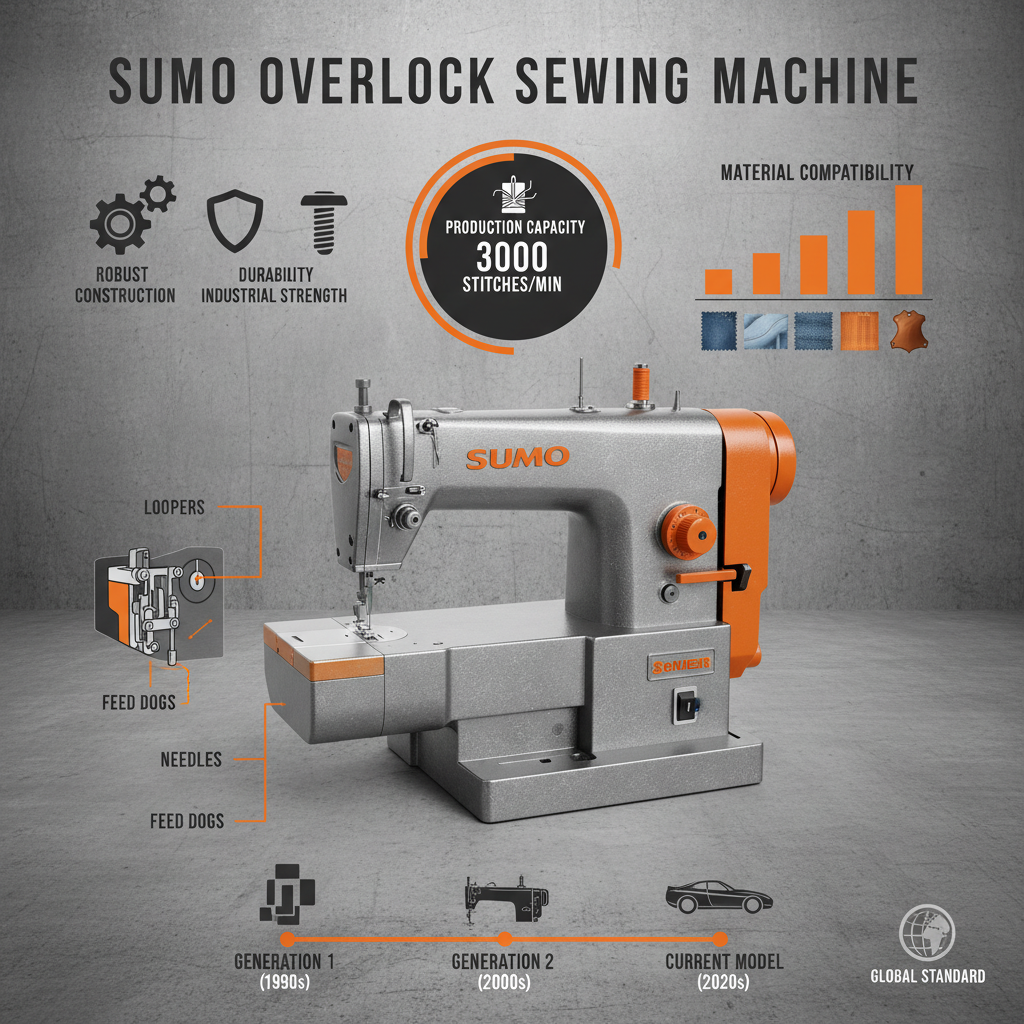
Maintenance and Longevity of Your Sumo Overlock
To ensure the longevity of your Sumo overlock, regular maintenance is crucial. This includes daily cleaning of lint and debris, lubricating moving parts according to the manufacturer's instructions, and replacing needles and blades when they become dull. Proper maintenance not only extends the machine's lifespan but also maintains its optimal performance and seam quality. Longsew provides comprehensive maintenance guides and support resources to help you keep your Sumo overlock running smoothly.
Conclusion: The Sumo Overlock – A Smart Investment
The Sumo overlock sewing machine represents a significant investment in quality, efficiency, and durability. Its advanced features, versatility, and robust construction make it a valuable asset for both professional and home sewing environments. By choosing the right Sumo model and implementing a regular maintenance routine, you can enjoy years of reliable performance and consistently professional results.
Frequently Asked Questions (FAQs)
What type of fabric can the Sumo overlock handle?
The Sumo overlock is designed to handle a wide range of fabrics, from lightweight silks and chiffons to heavy-weight denims and upholstery fabrics. The key is to select the appropriate needle, thread, and stitch settings for the specific fabric you're working with. The differential feed mechanism is particularly helpful for preventing issues with stretchy or delicate materials. Longsew's fabric compatibility guide provides detailed recommendations for various fabric types.
How often should I change the needles and blades?
The frequency of needle and blade replacement depends on the amount of use and the types of fabrics being sewn. As a general rule, needles should be changed every 8-10 hours of operation, or sooner if they become damaged or dull. Blades should be replaced when they start to produce uneven or frayed edges. Using dull needles or blades can lead to poor seam quality and potential damage to the fabric.
What kind of maintenance is required for the Sumo overlock?
Regular maintenance includes daily cleaning of lint and debris from the machine's interior, lubricating moving parts with sewing machine oil, and checking for loose screws or connections. It's also important to keep the machine covered when not in use to protect it from dust and debris. Longsew offers detailed maintenance manuals and videos to guide you through the process.
Where can I find replacement parts for the Sumo overlock?
Replacement parts, including needles, blades, loopers, and belts, are readily available through Longsew's online store or authorized dealers. It's important to use genuine Longsew parts to ensure compatibility and optimal performance.
Latest news
-
Industrial Bag Sewing Machine Price and Comprehensive Buying GuideNewsApr.16,2026
-
Industrial Hand Held Bag Closer for Efficient Packaging SealingNewsApr.16,2026
-
Industrial Hand Held Bag Closer Sewing Machine for PackagingNewsApr.16,2026
-
Efficient Industrial Bag Closer Sewing Machine for PackagingNewsApr.16,2026
-
Industrial Sewing Guide for Choosing the Right Closer MachineNewsApr.16,2026
-
Guide to Capital Bag Closer Machine Price and Buying FactorsNewsApr.16,2026
-
Say goodbye to inefficient cutting! This heavy-duty webbing hot cutting machine redefines the new standard for industrial cuttingNewsApr.14,2026

Hebei LongSew Machinery Technology Co. Ltd is beginning as sewing machine parts supplier, now Longsew have over twenty years experience in complete set sewing machine offering.


CLASSIFICATION
CONTACT US
-

No.368 North Youyi Street, Shijiazhuang City, Hebei Province, China
-

-

Copyright © 2026 HEBEI LONGSEW MACHINERY TECHNOLOGY CO. LTD All Rights Reserved. Sitemap | Privacy Policy | Top Blog | Global Service