

Mar . 10, 2026 01:55
Back to list
Optimizing Garment Production with Industrial Sewing Machine and Overlocker Solutions
Choosing the Right Industrial Sewing Machine and Overlocker
In the dynamic world of garment manufacturing and textile production, selecting the right machinery is crucial for efficiency, quality, and cost-effectiveness. Two essential machines in this process are the industrial sewing machine and the overlocker (also known as a serger). These machines serve distinct but complementary functions, and understanding their differences is key to optimizing your production workflow. This article will provide a comprehensive overview of both machines, their applications, and factors to consider when making a purchase from a trusted provider like Longsew.
Understanding the Industrial Sewing Machine
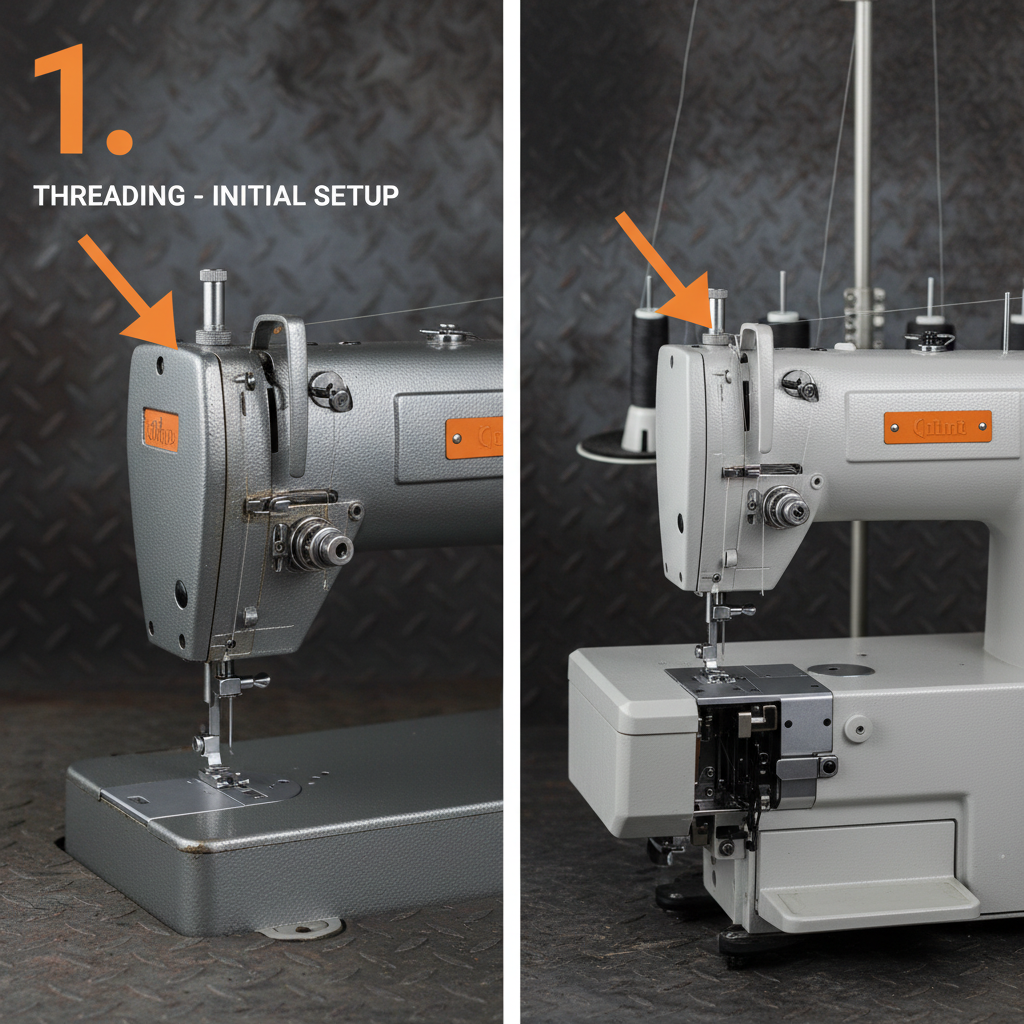
The industrial sewing machine is a workhorse of the textile industry. Designed for heavy-duty use and high-speed operation, it excels at creating strong, durable seams. These machines come in various types, each suited for specific fabrics and applications. From straight stitch machines for general sewing to specialized machines for quilting, leatherworking, or upholstery, there’s an industrial sewing machine for nearly every task. They are built for longevity and can withstand the demands of continuous production, making them a worthwhile investment for businesses of all sizes.
The Role of the Overlocker in Garment Construction
An overlocker, or serger, performs a different but equally vital function. Unlike a standard sewing machine which primarily joins fabrics, an overlocker simultaneously sews a seam, trims excess fabric, and encases the raw edge to prevent fraying. This process creates a professional-looking finish, adding both durability and aesthetic appeal to garments. Overlockers are particularly crucial for knit fabrics, which are prone to unraveling. They are also used extensively for creating rolled hems and decorative edging.
Key Benefit: Overlockers combine sewing, trimming, and edge finishing into a single operation, significantly speeding up production and improving seam quality.
Industrial Sewing Machine vs. Overlocker: A Detailed Comparison
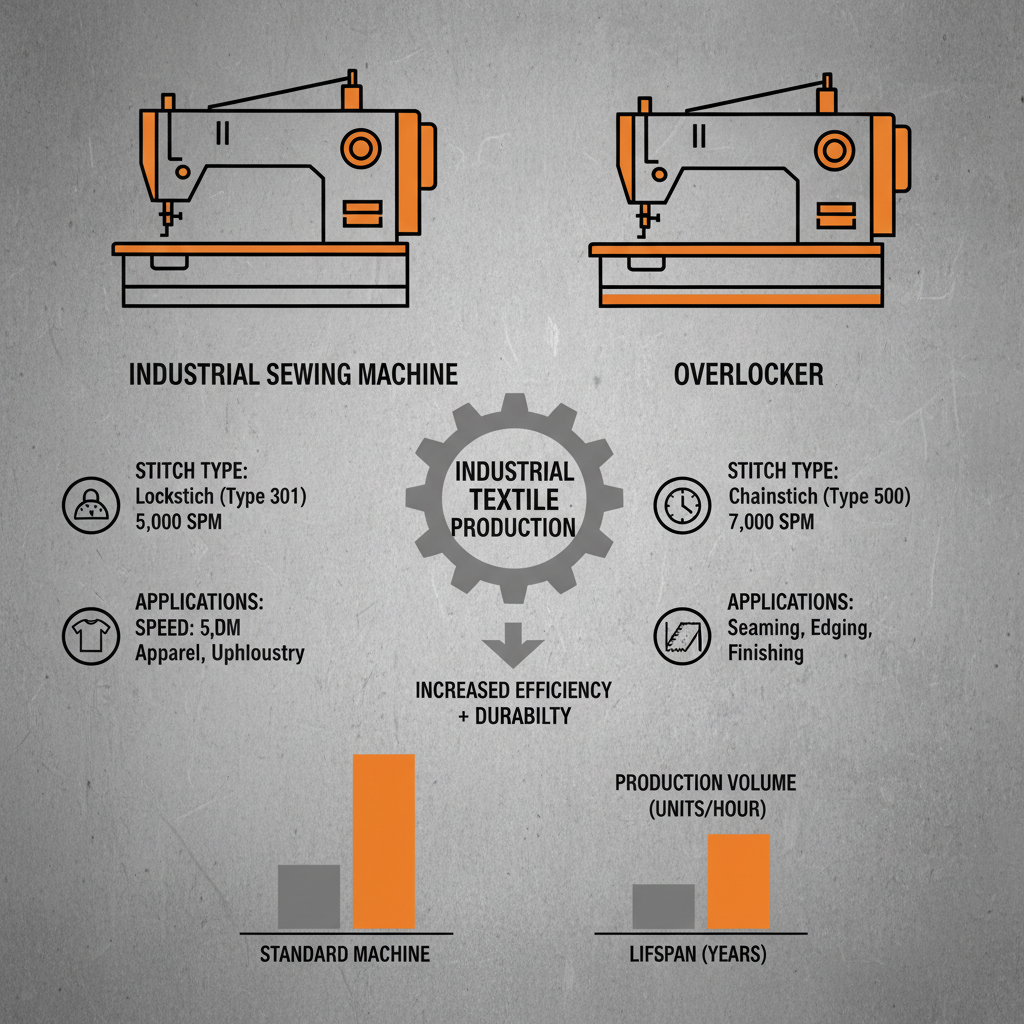
Choosing between an industrial sewing machine and an overlocker—or investing in both—depends on your specific needs. Here’s a detailed comparison to help you decide:
Key Considerations When Purchasing from Longsew
When selecting an industrial sewing machine or overlocker, consider factors like the types of fabrics you’ll be working with, the volume of production, and the features you require. Longsew offers a wide range of machines to suit diverse needs, backed by excellent customer support and competitive pricing. Look for features such as automatic lubrication, adjustable stitch length and width, and energy-efficient motors. Also, consider the availability of spare parts and maintenance services.
Choosing the Right Machine for Your Needs
Ultimately, the best approach is often to invest in both an industrial sewing machine and an overlocker. The sewing machine handles the primary seam construction, while the overlocker provides a professional finish. This combination maximizes efficiency and quality. Longsew’s experts can help you determine the optimal configuration for your specific production requirements.
Conclusion: Optimizing Your Production with the Right Machinery
Investing in high-quality industrial sewing machines and overlockers is essential for any garment manufacturing or textile business. Understanding the unique capabilities of each machine, and choosing wisely based on your specific needs, will lead to increased efficiency, improved product quality, and ultimately, greater profitability. Longsew provides the expertise and machinery to help you succeed.
Frequently Asked Questions (FAQs)
What types of industrial sewing machines does Longsew offer?
Longsew offers a comprehensive range of industrial sewing machines, including straight stitch machines, zigzag machines, double needle machines, walking foot machines, and specialized machines for tasks like buttonholing, bar tacking, and leather sewing. They cater to various fabric weights and applications. Visit the Longsew website to explore the full product catalog and find the machine that best suits your needs.
How do I choose the right overlocker for my fabrics?
The key is to consider the fabric type you’ll be working with most often. For lightweight fabrics like silk or chiffon, a 3 or 4-thread overlocker is ideal. For heavier fabrics like denim or upholstery, a 5-thread overlocker provides greater durability. Also, consider the stitch width and density options available on different models. If you frequently work with stretch fabrics, ensure the overlocker has differential feed to prevent puckering.
What maintenance is required for industrial sewing machines and overlockers?
Regular maintenance is crucial for prolonging the life of your machines. This includes daily cleaning to remove lint and debris, weekly lubrication of moving parts, and periodic replacement of needles and blades. Longsew offers comprehensive maintenance services and provides detailed user manuals with maintenance instructions.
What is the advantage of automatic lubrication?
Automatic lubrication systems ensure consistent and even distribution of oil to critical machine parts, reducing friction and wear. This minimizes the need for manual lubrication, saving time and preventing potential damage caused by insufficient lubrication. Machines with automatic lubrication typically run smoother, last longer, and require less frequent maintenance.
Latest news
-
Industrial Bag Sewing Machine Price and Comprehensive Buying GuideNewsApr.16,2026
-
Industrial Hand Held Bag Closer for Efficient Packaging SealingNewsApr.16,2026
-
Industrial Hand Held Bag Closer Sewing Machine for PackagingNewsApr.16,2026
-
Efficient Industrial Bag Closer Sewing Machine for PackagingNewsApr.16,2026
-
Industrial Sewing Guide for Choosing the Right Closer MachineNewsApr.16,2026
-
Guide to Capital Bag Closer Machine Price and Buying FactorsNewsApr.16,2026
-
Say goodbye to inefficient cutting! This heavy-duty webbing hot cutting machine redefines the new standard for industrial cuttingNewsApr.14,2026

Hebei LongSew Machinery Technology Co. Ltd is beginning as sewing machine parts supplier, now Longsew have over twenty years experience in complete set sewing machine offering.


CLASSIFICATION
CONTACT US
-

No.368 North Youyi Street, Shijiazhuang City, Hebei Province, China
-

-

Copyright © 2026 HEBEI LONGSEW MACHINERY TECHNOLOGY CO. LTD All Rights Reserved. Sitemap | Privacy Policy | Top Blog | Global Service