

Feb . 28, 2026 01:55
Back to list
Mastering the Art of Sewing Model Ship Sails A Comprehensive Guide
Sewing Model Ship Sails: A Comprehensive Guide
Creating realistic and historically accurate sails is a crucial aspect of building model ships. The art of sewing model ship sails requires patience, precision, and the right materials. This guide will delve into the process, covering fabric choices, sewing techniques, and finishing touches to help you achieve stunning results. From beginners to experienced modelers, we'll explore the best practices for bringing your ship's sails to life. This is especially helpful when trying to achieve the look and feel of classic vessels.
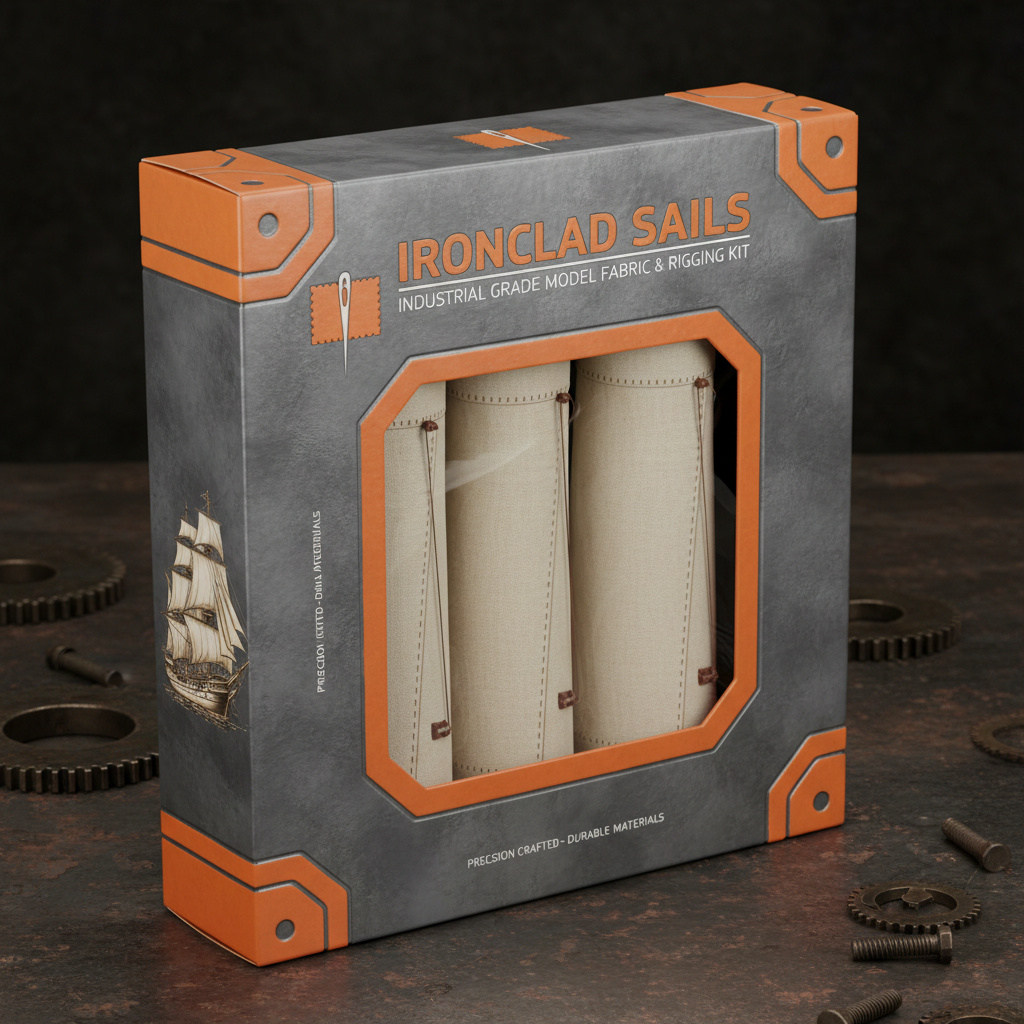
Choosing the Right Fabric for Sewing Model Ship Sails
The selection of fabric dramatically impacts the appearance and behavior of your model ship's sails. Traditionally, linen was used for sails, and that remains an excellent choice for scale modeling. However, other fabrics like lightweight cotton or silkspan can also be employed. The key is to choose a material that is fine enough to drape realistically but strong enough to withstand handling. Consider the scale of your model – larger scales can accommodate slightly heavier fabrics, while smaller scales require exceptionally fine materials. At Longsew we specialize in fabrics ideal for model shipbuilding.
Key Considerations: Fabric weight, weave, color, and drape are all critical factors when selecting materials for model ship sails.
Essential Tools for Sewing Model Ship Sails
To effectively sew model ship sails, you'll need a specific set of tools. A fine needle (size 10 or 12 is often ideal), matching thread (silk or fine polyester), a small pair of sharp scissors, and a thimble are essential. A seam ripper is also invaluable for correcting mistakes. Many modelers also find a light box helpful for tracing sail patterns onto the fabric. Consider using beeswax to wax your thread; it will strengthen it and prevent tangling. Longsew offers a curated selection of tools specifically tailored for this meticulous craft.
Essential Tool List:
• Fine needles (size 10-12)
• Matching thread (silk or fine polyester)
• Small, sharp scissors
• Thimble
• Seam ripper
Sewing Model Ship Sails: Techniques and Tips
The most common sewing technique for model ship sails is a simple rolled hem. This creates a clean, finished edge that looks authentic. Begin by carefully tracing your sail pattern onto the fabric. Use a very fine needle and thread, and take small, precise stitches. Avoid pulling the thread too tight, as this can cause the fabric to pucker. Reinforce corners and stress points with additional stitches. Consider adding reef points – small loops sewn into the sail to allow for adjustment – for added realism. The more careful your stitching, the more realistic the sails will appear. Longsew's tutorials offer excellent guidance on these techniques.
Achieving Realistic Sail Shape and Detail
Once the sails are sewn, adding subtle details can significantly enhance their realism. Gently shaping the sails – creating a slight curve or fullness – adds to their natural appearance. This can be achieved by carefully manipulating the fabric and using a small amount of fabric starch. Adding weathering effects, such as subtle staining or shading, can also create a more authentic look. Finally, remember that sails are not perfectly symmetrical; slight imperfections contribute to their character. Longsew provides resources and materials to help you achieve these details.
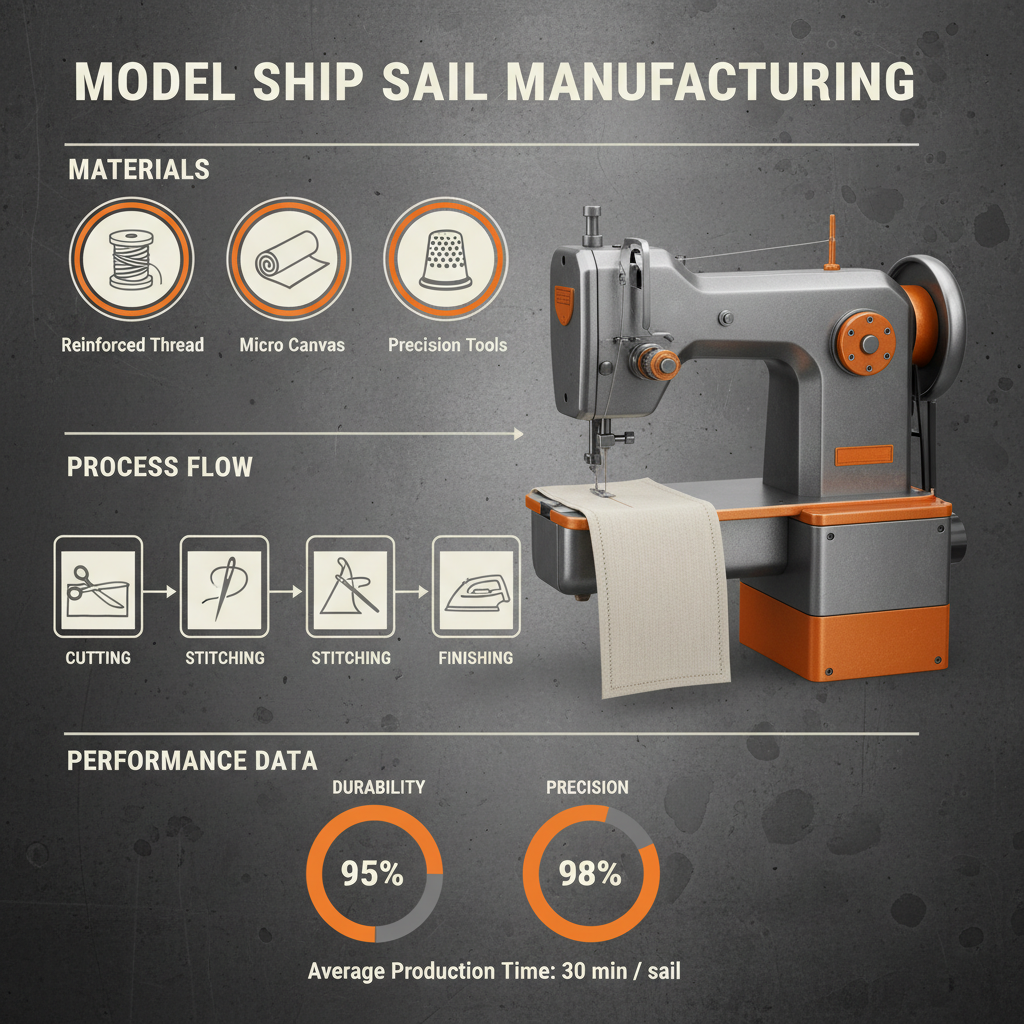
Comparing Fabrics: Linen vs. Cotton for Model Ship Sails
Choosing between linen and cotton for your model ship sails often comes down to personal preference and the desired aesthetic. Linen offers superior drape and a more authentic historical appearance. It's also more durable, though slightly more challenging to work with. Cotton, on the other hand, is easier to sew and more readily available. However, it may not drape as naturally as linen and can be more prone to wrinkling. Here's a quick comparison:
Conclusion: Mastering the Art of Sewing Model Ship Sails
Sewing model ship sails is a rewarding craft that requires patience, attention to detail, and the right materials. By carefully selecting your fabric, mastering essential sewing techniques, and adding realistic details, you can create stunning sails that will elevate the overall appearance of your model ship. Longsew is your trusted partner in this journey, offering high-quality materials, expert guidance, and a passion for the art of model shipbuilding.
Frequently Asked Questions (FAQs)
What is the best type of needle to use for sewing model ship sails?
A fine needle, typically size 10 or 12, is recommended for sewing model ship sails. Using a needle that is too large can create visible holes in the delicate fabric. A sharp needle is also crucial for clean, precise stitching. Consider using a needle specifically designed for fine fabrics, as these have a sharper point and a smoother finish. We at Longsew recommend needles from renowned manufacturers for optimal results.
How can I prevent my fabric from fraying while sewing?
To prevent fraying, you can use a small amount of fabric glue along the raw edges before sewing. Alternatively, a serger can be used to create a neat, finished edge. If you don't have access to a serger, a rolled hem is an excellent option, as it encapsulates the raw edges. Another trick is to carefully trim any loose threads as you sew. Selecting a tightly woven fabric can also minimize fraying.
What is the best way to attach sails to the ship's masts?
Sails are typically attached to the masts using thread. The method will depend on the type of rigging used in your model. For a more realistic look, consider using a technique that allows for the sails to be easily adjusted and furled. Using beeswaxed thread can help to strengthen the attachment points. Longsew offers a variety of rigging materials and detailed instructions for attaching sails correctly.
Can I use a sewing machine for sewing model ship sails?
While possible, using a sewing machine for model ship sails is generally not recommended. The delicate nature of the fabric and the need for precise stitching make hand sewing the preferred method. A sewing machine can be too powerful and may damage the fabric or create uneven stitches. However, if you do choose to use a sewing machine, use the lowest speed setting and a very fine needle.
Latest news
-
Industrial Bag Sewing Machine Price and Comprehensive Buying GuideNewsApr.16,2026
-
Industrial Hand Held Bag Closer for Efficient Packaging SealingNewsApr.16,2026
-
Industrial Hand Held Bag Closer Sewing Machine for PackagingNewsApr.16,2026
-
Efficient Industrial Bag Closer Sewing Machine for PackagingNewsApr.16,2026
-
Industrial Sewing Guide for Choosing the Right Closer MachineNewsApr.16,2026
-
Guide to Capital Bag Closer Machine Price and Buying FactorsNewsApr.16,2026
-
Say goodbye to inefficient cutting! This heavy-duty webbing hot cutting machine redefines the new standard for industrial cuttingNewsApr.14,2026

Hebei LongSew Machinery Technology Co. Ltd is beginning as sewing machine parts supplier, now Longsew have over twenty years experience in complete set sewing machine offering.


CLASSIFICATION
CONTACT US
-

No.368 North Youyi Street, Shijiazhuang City, Hebei Province, China
-

-

Copyright © 2026 HEBEI LONGSEW MACHINERY TECHNOLOGY CO. LTD All Rights Reserved. Sitemap | Privacy Policy | Top Blog | Global Service