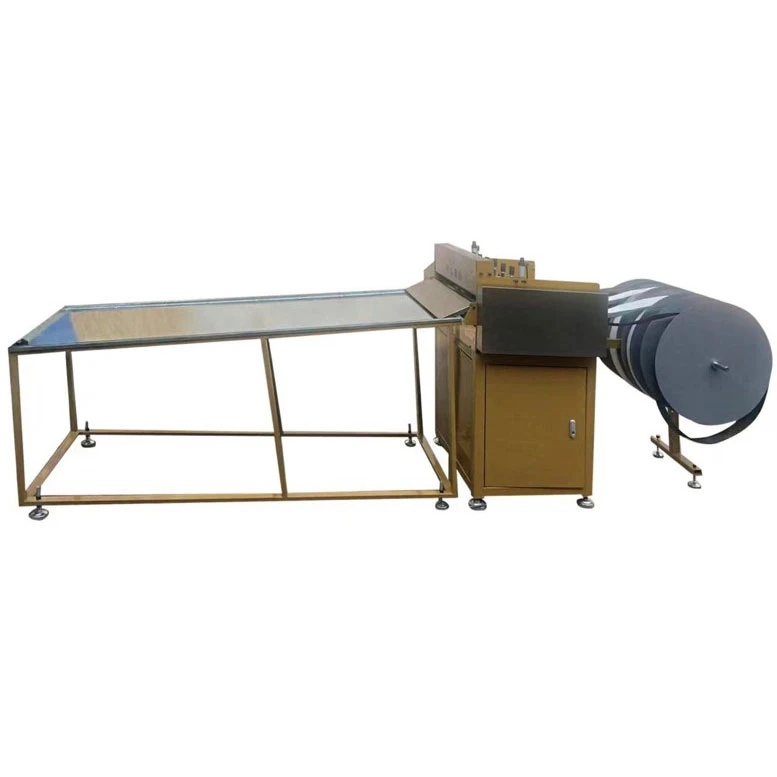
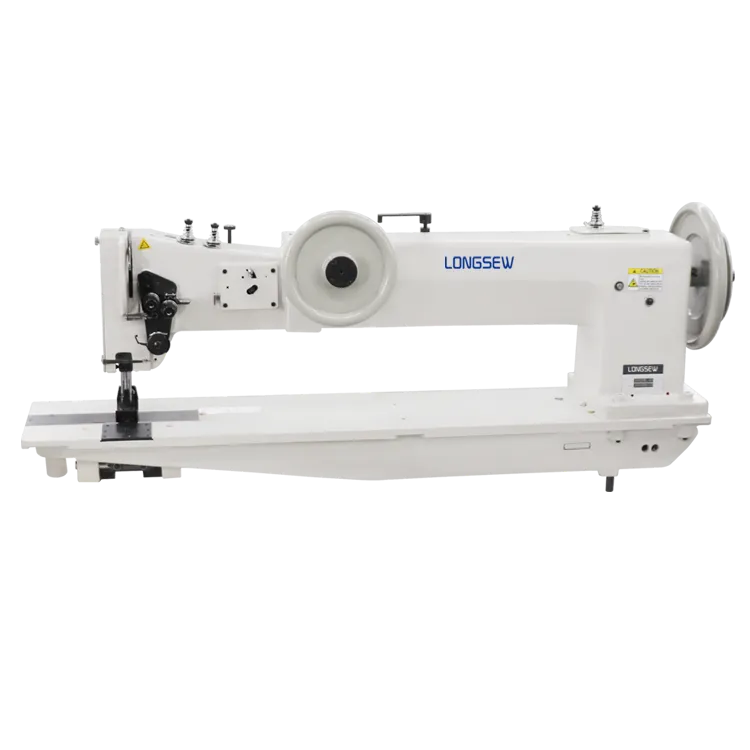
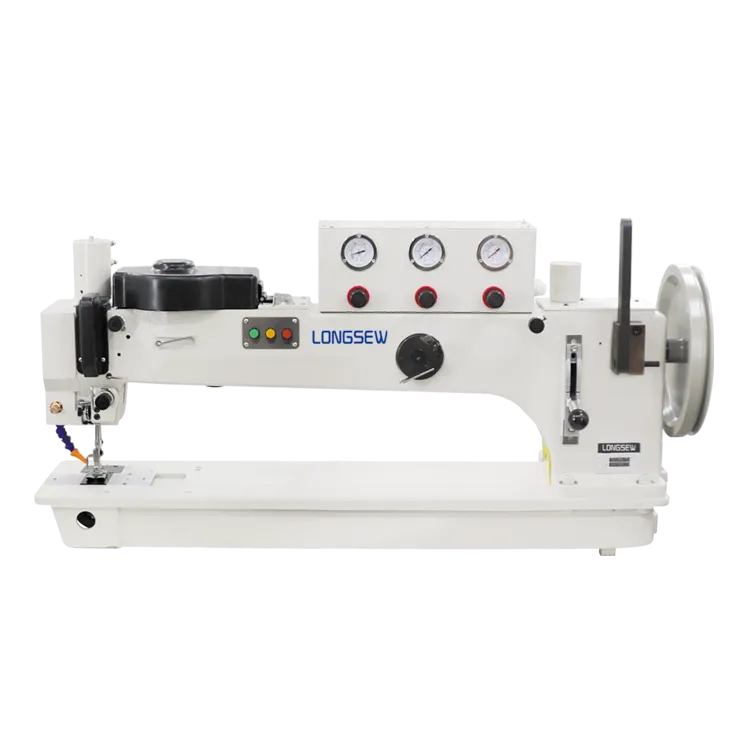
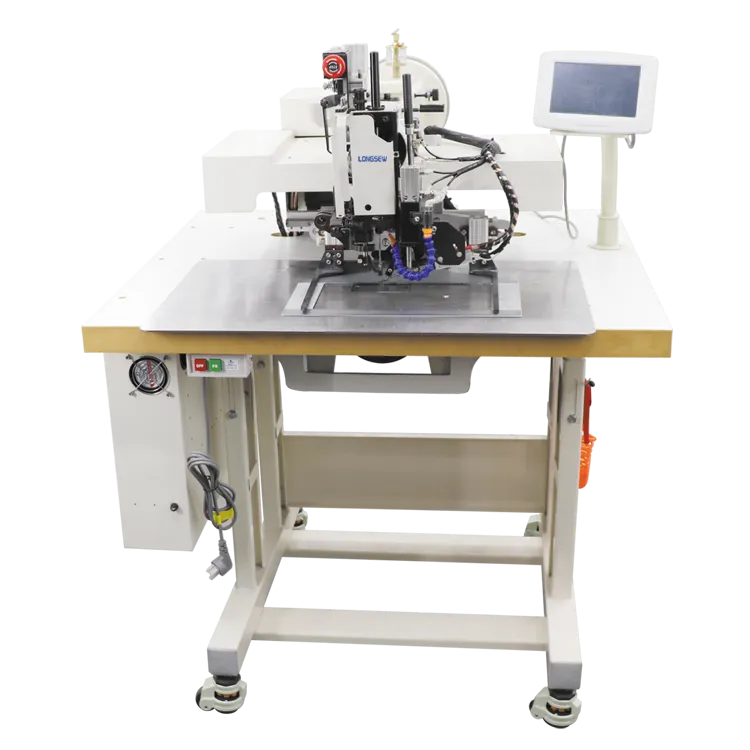
Industrial jumbo bag sewing machine Solutions for New Zealand

High-performance industrial stitching technology engineered for New Zealand's agricultural and logistics sectors, ensuring maximum durability for heavy-duty packaging.

Industrial Packaging Landscape in New Zealand

Analyzing the demand for heavy-duty stitching in Oceania's agricultural hub.

New Zealand's economy is heavily reliant on the export of dairy, forestry, and agricultural products. This necessitates a robust infrastructure for bulk transport, where the use of a fibc sewing machine becomes critical to ensure that high-tonnage containers remain secure during long-distance maritime transit to global markets.

The local climate, characterized by high humidity in coastal regions and varied temperatures, requires equipment that is resistant to corrosion and wear. Operators in New Zealand are increasingly shifting toward specialized big bag sewing machine models that can handle heavy-duty polypropylene and reinforced fabrics without needle breakage.

Furthermore, the strict biosecurity laws in New Zealand demand packaging that is airtight and contaminant-free. This has led to a rise in the adoption of automated jumbo bag stitching machine technology to minimize human contact and maximize the structural integrity of the seams.

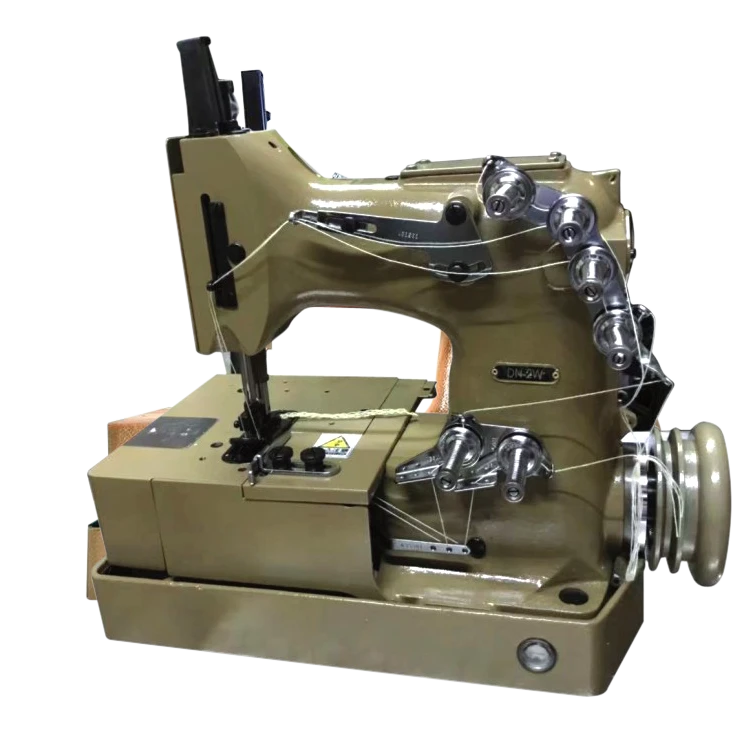
Evolution of Bulk Bag Stitching Technology

From manual hand-stitching to automated industrial precision.

Market Development History

In the late 20th century, New Zealand's packaging was dominated by manual methods and basic portable machines. The focus was primarily on simple closures for small-scale farming bags, with limited capacity for heavy industrial loads.

By the 2010s, the shift toward FIBC (Flexible Intermediate Bulk Containers) led to the introduction of the first dedicated 50 kg jute bag making machine variants and early semi-automatic heavy-duty sewers to meet the scale of dairy and grain exports.

Today, the market has evolved into the era of "Intelligent Stitching," where PLC-controlled systems and high-torque motors allow for consistent seam strength across diverse materials, reducing waste and increasing production speed.

Future Development Trends

Eco-friendly Material Compatibility

Increasing demand for biodegradable fabrics will drive the development of machines that can stitch organic polymers without compromising seam strength.

IoT Integration and Remote Diagnostics

Future machines will likely feature cloud-based monitoring to allow New Zealand technicians to diagnose hardware issues remotely, reducing downtime in rural areas.

Enhanced Ergonomic Automation

A move toward collaborative robotics (cobots) to assist workers in positioning massive bags, reducing physical strain during the sewing process.

Future Trends and Strategic Outlook

Navigating the next generation of textile machinery in the Oceania region.

Smart Sensor Integration
Implementation of real-time thread tension monitoring to prevent seam failure in bulk bags.
High-Speed Servo Motors
Transition to energy-efficient servo drives for faster cycle times and lower power consumption.
Modular Design
Quick-change heads and modular components for rapid maintenance in remote New Zealand sites.
Sustainable Manufacturing
Focus on reducing carbon footprints during the machine production process.

Industry Outlook

Based on Google search trends for industrial equipment in Oceania, there is a significant increase in queries regarding automation and energy efficiency. New Zealand companies are moving away from generic sewing solutions toward highly specialized equipment that can handle extreme weights.

The outlook for the next 3-5 years suggests a convergence of textile engineering and robotics, where the jumbo bag sewing machine will be integrated into fully automated packaging lines, reducing manual labor costs in the high-wage New Zealand market.

Local Application Scenarios in New Zealand

Practical implementations of our stitching technology across diverse New Zealand industries.

01. Dairy Powder Export Packaging

Using high-speed fibc sewing machine units to secure multi-ton bags of milk powder for export from Waikato processing plants.

02. Forestry & Wood Pellet Production

Implementing reinforced stitching for heavy-duty bags containing wood pellets, ensuring no leakage during transport through rough terrain.

03. Agricultural Seed Distribution

Deploying the 50 kg jute bag making machine for specialized seed packaging, catering to local farm cooperatives.

04. Chemical & Fertilizer Bulk Handling

Utilizing corrosion-resistant big bag sewing machine models to handle aggressive chemical powders used in regional agriculture.

05. Mining & Mineral Ore Transport

Applying heavy-duty jumbo bag stitching machine technology to secure mineral samples and ores for geological research and export.

Brand Story

Global Development Journey of Hebei Longsew Machinery Technology Co., Ltd.

Foundational Engineering

Established with a vision to solve the chronic issue of seam failure in heavy-duty industrial bags, focusing on precision mechanical design.

Technological Breakthrough

Developed the first generation of high-torque motors specifically designed for reinforced polypropylene fabrics.

Global Market Expansion

Expanded operations into the Oceania region, adapting machinery to meet the rigorous standards of New Zealand's agricultural sector.

Innovation in Automation

Integrated PLC controls and smart sensors, transforming manual stitching into an automated, error-free process.

Commitment to Quality

Achieved global certifications, ensuring every machine delivered provides unmatched durability and reliability in the field.

Common Questions for New Zealand Operators

Expert answers to technical and operational queries regarding bulk bag machinery.

How do I choose the right fibc sewing machine for agricultural exports?

Consider the fabric GSM and the total weight of the bag. For New Zealand's heavy dairy exports, we recommend machines with reinforced frames and high-torque motors to maintain seam consistency.

What is the maintenance schedule for a jumbo bag sewing machine in humid coastal areas?

In coastal New Zealand, we recommend weekly lubrication of all moving parts and a monthly inspection of the needle bar to prevent corrosion caused by salt-laden air.

Can a big bag sewing machine handle biodegradable materials?

Yes, our latest models feature adjustable tension settings that allow them to sew biodegradable and recycled polymers without tearing the fabric.

What are the benefits of using a 50 kg jute bag making machine over manual options?

Automation significantly increases throughput, ensures uniform stitch length for better bag strength, and reduces labor costs per unit produced.

Is the jumbo bag stitching machine compatible with 220V New Zealand power grids?

Yes, all our equipment is customized to the voltage and frequency specifications of New Zealand to ensure safe and efficient operation.

How do I ensure the seam strength for FIBC bags meets international shipping standards?

Use a machine with precision tension control and high-quality polyester threads. Regular calibration of the stitch length is key to meeting safety factors required for export.

Ready to Optimize Your Packaging Line?

Our experts are ready to provide tailored industrial stitching solutions for your business in New Zealand.

Contact Us Now

If you are interested in our products, you can choose to leave your information here, and we will be in touch with you shortly.