

Mar . 31, 2026 01:55
Back to list
Comprehensive Guide to Single Needle Stitching Machine Price and Factors
Understanding the Single Needle Stitching Machine Price
When considering a single needle stitching machine for your business, understanding the price range and the factors that influence it is crucial. These machines are essential for a wide variety of applications, from apparel manufacturing to upholstery. This article delves into the pricing aspects, features, and things to consider when purchasing a single needle stitching machine, with a focus on providing valuable information for informed decision-making. Choosing the right machine can significantly impact your production efficiency and product quality.
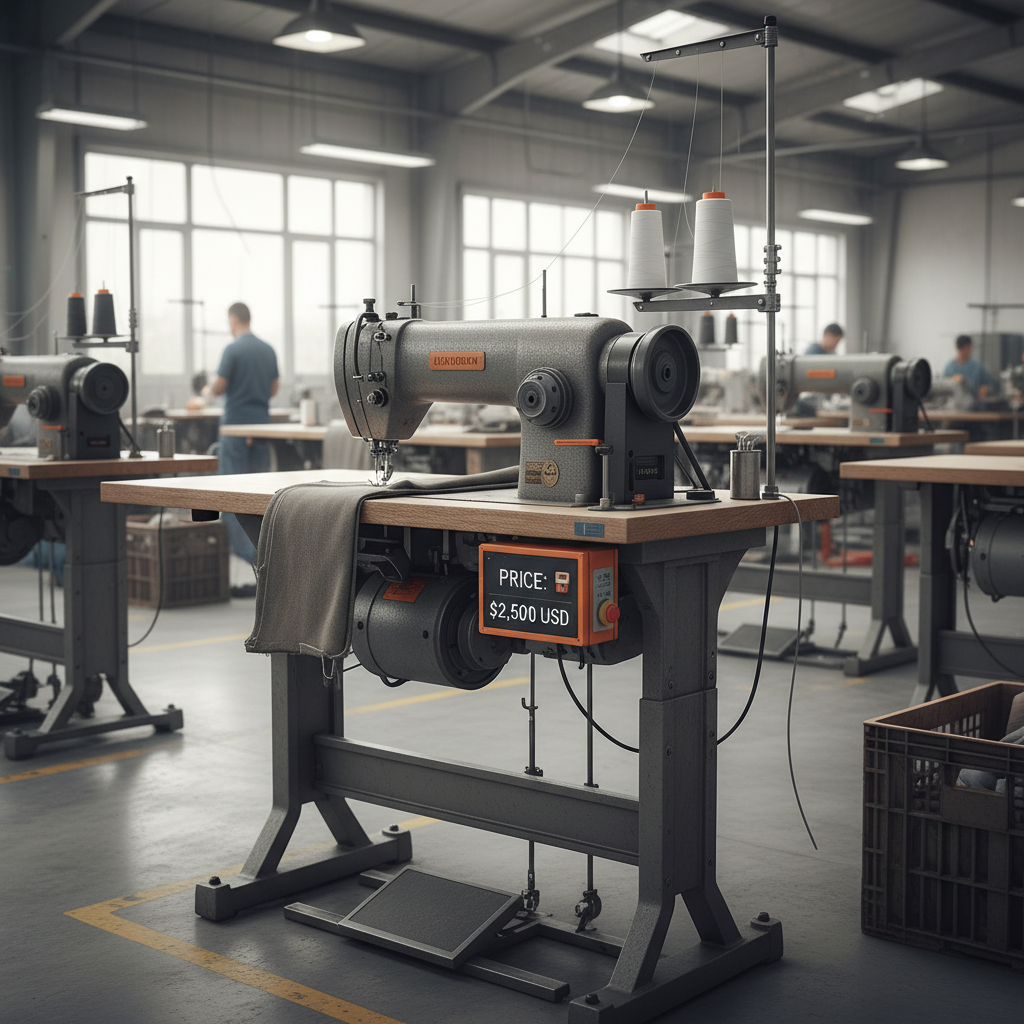
Factors Influencing Single Needle Stitching Machine Price
Several key factors determine the price of a single needle stitching machine. The level of automation is a major component – manual machines are typically the most affordable, while CNC-controlled, fully automatic machines represent a significant investment. The brand reputation also plays a role; well-established brands often command higher prices due to their reliability and after-sales service. Machine features like stitch length adjustment, thread trimming capabilities, and feed dog mechanisms contribute to the overall cost. The materials used in the machine's construction, the presence of advanced technologies (like direct drive motors or energy-saving designs), and even the supplier's location influence the price.
Key Considerations: Brand reputation, level of automation, special features, and build materials all contribute to the final price.
Price Range Overview: Manual vs. Automatic Machines
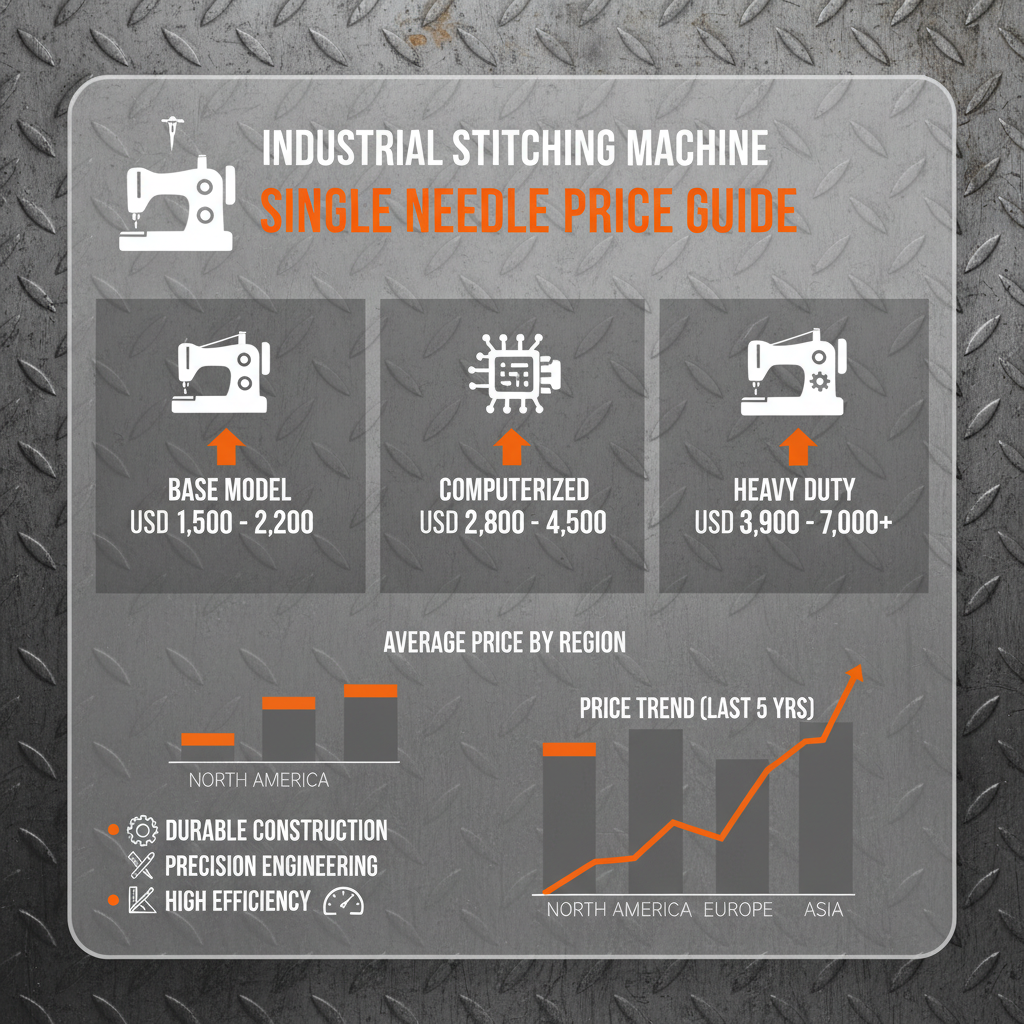
Generally, the price range for single needle stitching machines varies considerably. Manual machines can start as low as $300 - $800, making them suitable for small businesses or hobbyists. Semi-automatic machines, offering some automated features like thread trimming, typically range from $800 to $2,500. Fully automatic, high-speed CNC machines, designed for large-scale production, can cost anywhere from $2,500 to $10,000 or even more, depending on their capabilities and customization options. It is important to analyze your production needs before settling on a particular price point.
Price Bracket Breakdown:
• Manual Machines: $300 - $800
• Semi-Automatic Machines: $800 - $2,500
• Fully Automatic CNC Machines: $2,500 - $10,000+
A Comparative Look at Popular Models and Their Prices
Here’s a comparison of some popular single needle stitching machine models available from Longsew, highlighting their features and approximate prices:
Considering Additional Costs Beyond the Machine Price
The purchase price is just the beginning. Factor in additional costs such as shipping, installation (if required), training, and ongoing maintenance. Spare parts (needles, bobbins, etc.) will also need to be budgeted for. Don’t forget about potential electricity costs associated with operating the machine. Finally, consider the cost of any accessories or tooling needed for your specific applications. A realistic total cost of ownership will help you make a sound financial decision.
Where to Find the Best Deals on Single Needle Stitching Machines
Directly contacting manufacturers like Longsew can often yield the best prices, especially for bulk orders. Online marketplaces like Alibaba and IndustryNet can offer a wide selection, but it’s crucial to verify the supplier’s reputation and product quality. Trade shows and industry events are excellent opportunities to compare machines from different manufacturers and negotiate prices. Consider requesting quotes from multiple suppliers to leverage competitive pricing.
Conclusion: Investing in the Right Machine
Choosing the right single needle stitching machine requires careful consideration of your production needs, budget, and desired features. Understanding the factors that influence price, exploring different models, and accounting for additional costs are all essential steps. Investing in a reliable machine from a reputable manufacturer like Longsew will ensure efficiency, quality, and long-term value.
Frequently Asked Questions (FAQs)
What type of material can a single needle stitching machine handle?
Single needle stitching machines are incredibly versatile. They can handle a wide range of materials, including lightweight fabrics like silk and chiffon, medium-weight materials like cotton and denim, and even heavier materials like leather and canvas, depending on the machine's power and needle size. Choosing the correct needle and adjusting the machine settings are crucial for optimal results with different materials. Some specialized machines are designed for particularly challenging materials like vinyl or PVC.
What maintenance is required for a single needle stitching machine?
Regular maintenance is key to prolonging the life of your machine. This includes daily cleaning to remove lint and debris, lubricating moving parts according to the manufacturer’s instructions, and periodically replacing the needle and bobbin. Inspecting the machine for worn or damaged parts is also crucial. More extensive maintenance, such as adjusting timing or replacing belts, may require a qualified technician.
What is the difference between a direct drive and a belt drive machine?
Direct drive machines connect the motor directly to the needle bar, resulting in quieter operation, higher energy efficiency, and more precise control. Belt drive machines use a belt to transmit power from the motor, which can be less efficient and produce more noise. Direct drive machines are generally more expensive but offer superior performance and reliability.
How do I choose the right needle for my fabric?
Choosing the correct needle is vital for achieving quality stitches and avoiding damage to your fabric. Needles come in different sizes and types. A smaller needle size is suitable for delicate fabrics, while a larger size is needed for heavier materials. Different needle points (e.g., ballpoint, sharp) are designed for specific fabric types. Refer to a needle guide or consult with a sewing machine expert for assistance.
Latest news
-
Industrial Bag Sewing Machine Price and Comprehensive Buying GuideNewsApr.16,2026
-
Industrial Hand Held Bag Closer for Efficient Packaging SealingNewsApr.16,2026
-
Industrial Hand Held Bag Closer Sewing Machine for PackagingNewsApr.16,2026
-
Efficient Industrial Bag Closer Sewing Machine for PackagingNewsApr.16,2026
-
Industrial Sewing Guide for Choosing the Right Closer MachineNewsApr.16,2026
-
Guide to Capital Bag Closer Machine Price and Buying FactorsNewsApr.16,2026
-
Say goodbye to inefficient cutting! This heavy-duty webbing hot cutting machine redefines the new standard for industrial cuttingNewsApr.14,2026

Hebei LongSew Machinery Technology Co. Ltd is beginning as sewing machine parts supplier, now Longsew have over twenty years experience in complete set sewing machine offering.


CLASSIFICATION
CONTACT US
-

No.368 North Youyi Street, Shijiazhuang City, Hebei Province, China
-

-

Copyright © 2026 HEBEI LONGSEW MACHINERY TECHNOLOGY CO. LTD All Rights Reserved. Sitemap | Privacy Policy | Top Blog | Global Service