

Mar . 10, 2026 01:55
Back to list
Comprehensive Guide to Industrial Serger Machines and Their Applications
Industrial Serger Machines: A Comprehensive Guide
In the world of textile manufacturing, the industrial serger machine is an indispensable tool. Also known as overlock machines, these powerhouses are crucial for efficiently finishing fabric edges, preventing fraying, and creating professional-looking seams. This guide dives deep into the world of industrial sergers, covering their types, applications, benefits, and how to choose the right machine for your specific needs. Whether you’re starting a garment production line or upgrading existing equipment, understanding industrial sergers is vital.
Understanding the Functionality of Industrial Serger Machines
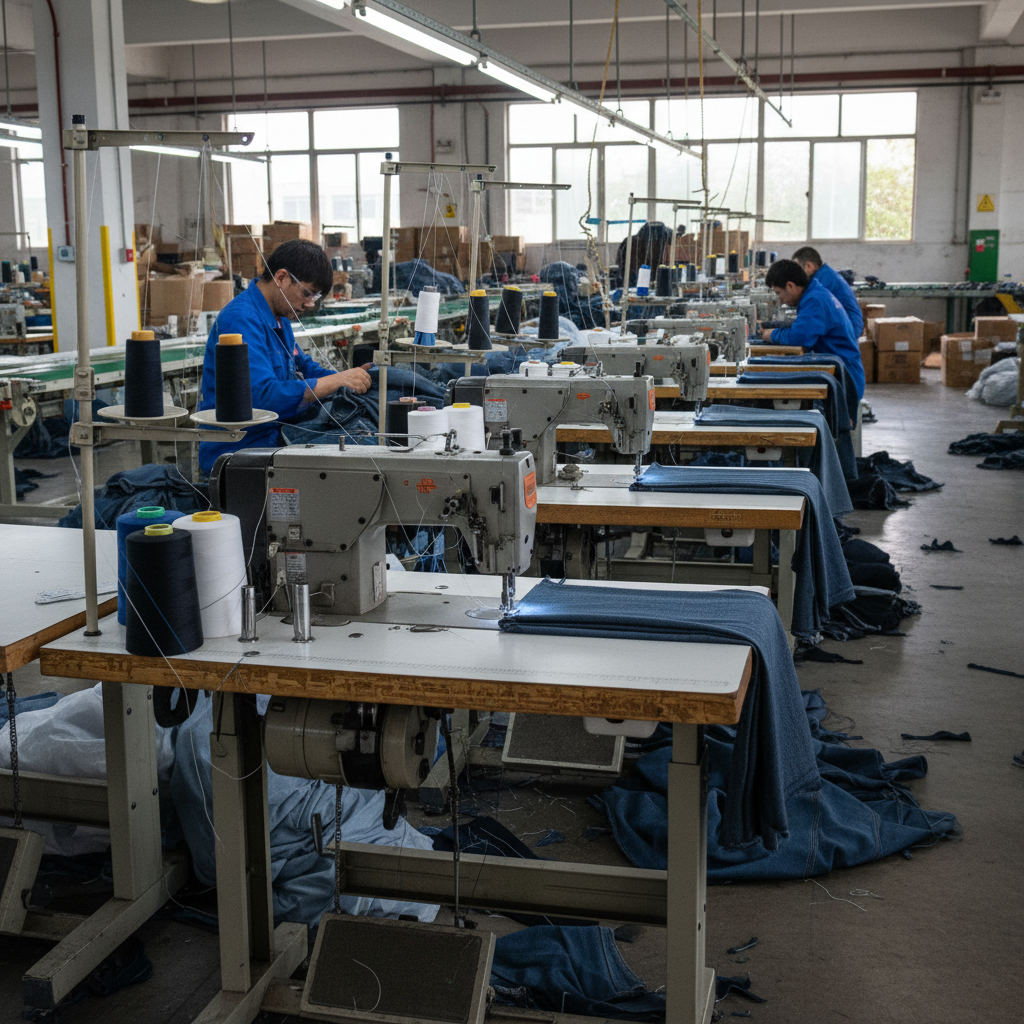
Industrial serger machines aren't simply about preventing fraying; they offer a versatile range of functionalities. They simultaneously cut, stitch, and overlock the edge of the fabric, creating a clean and durable finish in a single pass. This efficiency dramatically speeds up production compared to traditional methods. Different serger machines feature varying numbers of threads – from 3 to 7 – influencing the seam’s strength, elasticity, and appearance. The feed dog system ensures even fabric movement, even with multiple layers or delicate materials. Choosing the right machine depends on the types of fabrics you work with and the desired seam characteristics.
Key Benefits: Increased production speed, durable seam finishes, prevention of fabric fraying, versatility with different fabrics and stitch types.
Types of Industrial Serger Machines
The world of industrial sergers is diverse. Here's a look at some common types: 3-Thread Sergers: These are the most basic, suitable for lighter-weight fabrics and simple overlocking. 4-Thread Sergers: Offering increased durability and a more secure seam, these are popular for general garment construction. 5-Thread Sergers: Provide a more professional finish and are ideal for heavier fabrics and high-stress seams. 6/7 Thread Sergers: used for chain stitch and other specialty serging techniques.
Choosing the Right Type:
• Fabric Weight: Lighter fabrics need fewer threads.
• Seam Strength: Higher stress areas require more threads.
• Desired Finish: Different thread counts create varied seam aesthetics.
• Application: Specific garment types dictate thread requirements.
Industrial Serger Machines: Comparing Key Features
Selecting the perfect industrial serger machine requires careful consideration of several key features. These include the maximum sewing speed (measured in RPM – revolutions per minute), the stitch length range, the differential feed capability (for controlling fabric stretch), and the presser foot lift height (for accommodating thick fabrics). Automatic thread trimming and lubrication systems can also significantly improve efficiency and reduce maintenance. Furthermore, consider the machine's overall build quality and the availability of spare parts and technical support.
Applications of Industrial Serger Machines
Industrial sergers find application across a broad spectrum of textile industries. Garment manufacturing relies heavily on sergers for creating seams in everything from t-shirts to formal wear. The upholstery industry uses them for finishing edges on cushions and furniture coverings. In the production of towels and bedding, sergers provide a neat and durable edge finish. They are also used in the creation of sportswear, swimwear, and lingerie, where stretch and elasticity are critical.
Maintenance and Longevity of Your Industrial Serger
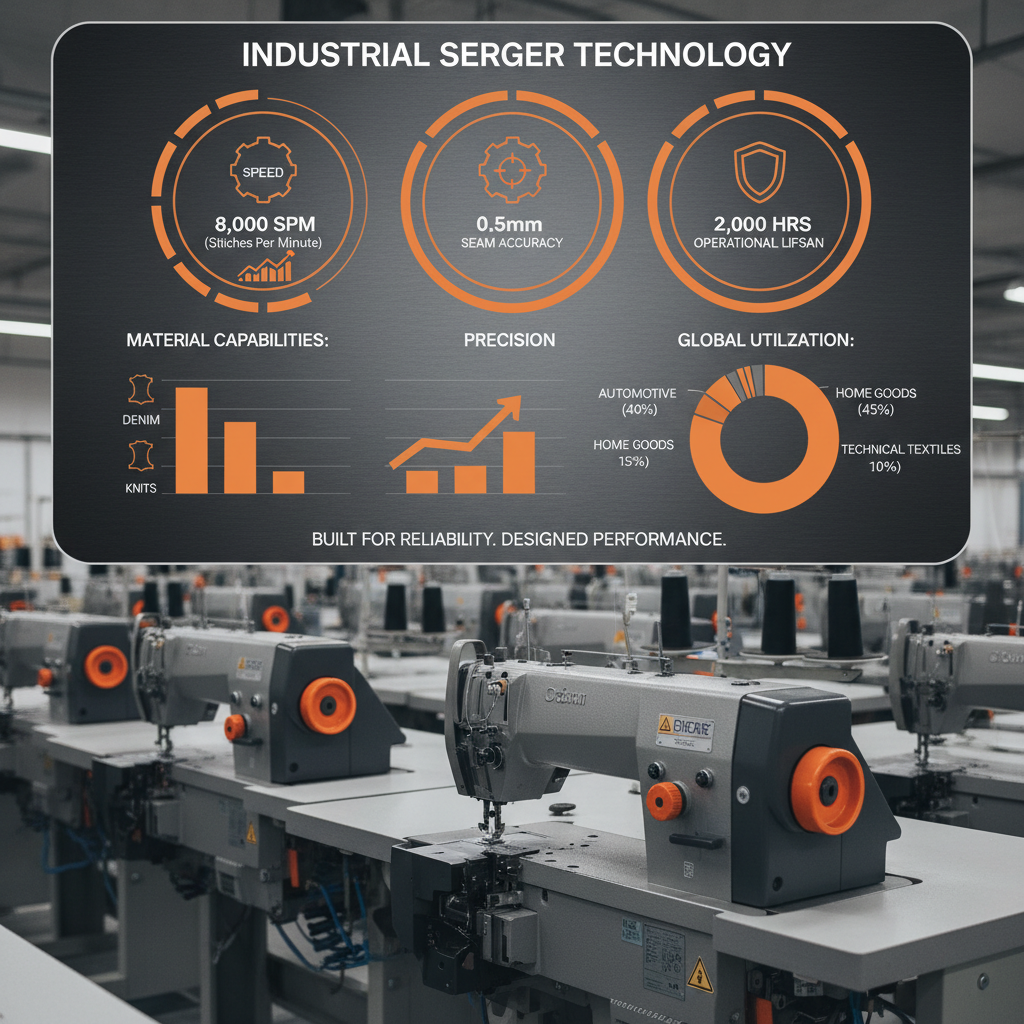
Proper maintenance is key to extending the life of your industrial serger. Regular cleaning, lubrication, and needle replacements are essential. Always refer to the manufacturer’s instructions for specific maintenance procedures. Using high-quality needles and threads will prevent damage to the machine and ensure optimal performance. Promptly address any unusual noises or malfunctions to prevent minor issues from escalating into major repairs. Investing in preventative maintenance will save you time and money in the long run.
Conclusion: Choosing the Right Industrial Serger for Your Needs
Selecting the right industrial serger machine is a critical investment for any textile-based business. By understanding the different types, features, and applications, you can make an informed decision that will enhance your productivity, improve the quality of your products, and ensure long-term reliability. Explore the comprehensive range of sergers offered by Longsew to find the perfect solution for your specific requirements.
Frequently Asked Questions (FAQs)
What type of thread should I use with my industrial serger?
The ideal thread depends on the fabric you're working with. Polyester thread is a versatile choice for most applications, offering good strength and durability. Cotton thread is suitable for natural fabrics but may not be as strong as polyester. Nylon thread is often used for swimwear and lingerie due to its elasticity. Always test the thread on a sample of your fabric to ensure compatibility and achieve the desired seam appearance. Using the correct thread will improve the seam's quality and longevity.
How often should I oil my industrial serger machine?
The frequency of oiling depends on the machine's usage. Generally, oiling after every 8-10 hours of operation is recommended. However, check your machine's manual for specific instructions. Proper lubrication reduces friction, prevents wear and tear, and ensures smooth operation. Use only the oil specifically designed for industrial sewing machines.
What should I do if my serger machine is skipping stitches?
Skipping stitches can be caused by several factors. First, check that the needle is correctly inserted and of the appropriate size for your fabric. Ensure the thread is properly threaded through all guides and tension discs. Clean the lint and debris from the needle area. If the problem persists, the timing of the machine may need adjustment by a qualified technician.
Are industrial serger machines difficult to learn to use?
While industrial sergers may seem intimidating at first, they are not overly difficult to learn with practice. It's essential to understand the basic threading process and how to adjust the stitch length and tension. Many online resources and tutorials are available to guide you. Starting with simple fabrics and gradually progressing to more complex materials is a good approach.
Latest news
-
Industrial Bag Sewing Machine Price and Comprehensive Buying GuideNewsApr.16,2026
-
Industrial Hand Held Bag Closer for Efficient Packaging SealingNewsApr.16,2026
-
Industrial Hand Held Bag Closer Sewing Machine for PackagingNewsApr.16,2026
-
Efficient Industrial Bag Closer Sewing Machine for PackagingNewsApr.16,2026
-
Industrial Sewing Guide for Choosing the Right Closer MachineNewsApr.16,2026
-
Guide to Capital Bag Closer Machine Price and Buying FactorsNewsApr.16,2026
-
Say goodbye to inefficient cutting! This heavy-duty webbing hot cutting machine redefines the new standard for industrial cuttingNewsApr.14,2026

Hebei LongSew Machinery Technology Co. Ltd is beginning as sewing machine parts supplier, now Longsew have over twenty years experience in complete set sewing machine offering.


CLASSIFICATION
CONTACT US
-

No.368 North Youyi Street, Shijiazhuang City, Hebei Province, China
-

-

Copyright © 2026 HEBEI LONGSEW MACHINERY TECHNOLOGY CO. LTD All Rights Reserved. Sitemap | Privacy Policy | Top Blog | Global Service