

Mar . 17, 2026 01:55
Back to list
What Does Overlock Machine Do A Comprehensive Guide To Sergers
What Does an Overlock Machine Do? A Comprehensive Guide
The world of sewing machines can seem daunting with numerous types available, each serving a specific purpose. Among them, the overlock machine stands out for its unique functionality. Often called a serger, this machine isn’t designed for basic seams, but instead excels at finishing raw fabric edges, preventing fraying, and creating professional-looking garments. This article will explore exactly what does overlock machine do, its benefits, applications, and how it differs from other sewing machines. Whether you’re a seasoned seamstress or just starting out, understanding the capabilities of an overlock machine is crucial for achieving high-quality sewing results.
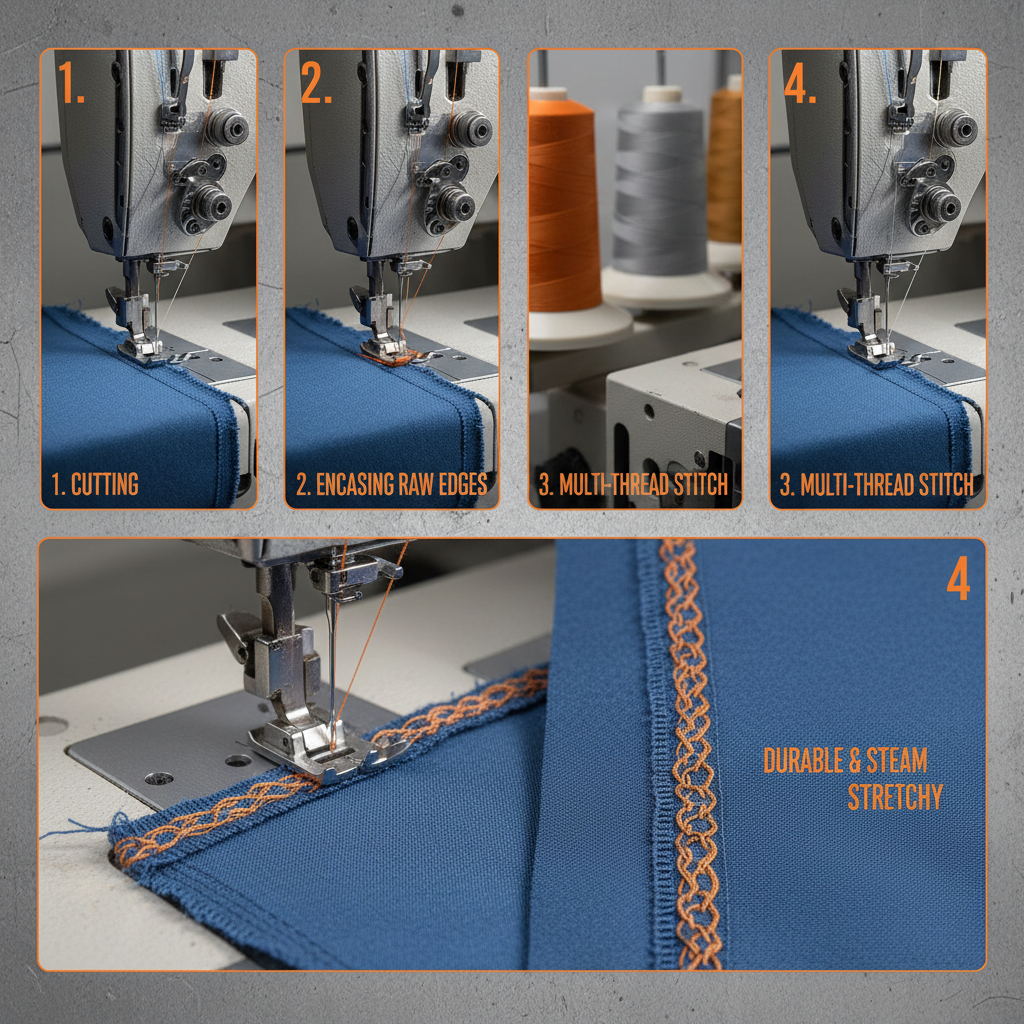
Understanding the Core Function: Edge Finishing
At its core, an overlock machine’s primary function is to create a neat, durable edge finish on fabric. Unlike a standard sewing machine which simply joins two pieces of fabric, an overlock machine simultaneously sews a seam, trims the excess fabric, and encases the raw edge within threads. This prevents the fabric from unraveling, resulting in a clean and professional finish. This is especially important for fabrics that fray easily, such as knits and woven materials. The machine uses loopers and needles to create a secure overlock stitch, locking the fabric edges and enhancing the garment’s longevity. Longsew offers a diverse range of overlock machines designed to meet various fabric and project needs.
Key Benefit: Prevents fabric fraying, leading to more durable and professional-looking finished products.
Beyond Edge Finishing: Versatile Stitching Capabilities
While primarily known for edge finishing, an overlock machine is incredibly versatile. It can perform various stitch types, including a standard overlock stitch, a rolled hem, a flatlock stitch, and even decorative stitches. A rolled hem is particularly useful for creating delicate finishes on lightweight fabrics like chiffon or silk. The flatlock stitch, on the other hand, is commonly used in athletic wear due to its flat, comfortable seams. Different tensions and settings allow for adjustments to the stitch width and length, offering further control over the final result. This makes the overlock machine suitable for a wide array of projects, from garment construction to quilting and crafting.
Stitch Types:
• Standard Overlock
• Rolled Hem
• Flatlock
• Decorative Stitches
Overlock vs. Standard Sewing Machine: A Direct Comparison
Understanding the differences between an overlock machine and a standard sewing machine is key to choosing the right tool for your sewing needs. A standard sewing machine primarily joins fabric pieces together using a straight stitch, zigzag stitch, or other decorative stitches. It doesn't automatically trim or finish the edges. In contrast, an overlock machine simultaneously sews, trims, and finishes edges, providing a professional-looking result in a single step. While a standard machine can finish edges with a zigzag stitch, it is slower, less durable, and generally less aesthetically pleasing compared to an overlock finish. Longsew’s machines combine speed and precision for optimal results.
Applications: What Can You Make With an Overlock Machine?
The applications of an overlock machine are vast. It’s indispensable for garment construction, creating a professional finish on clothing items like t-shirts, dresses, pants, and sportswear. Beyond clothing, it’s also used for creating home decor items such as curtains, pillowcases, and blankets. Quilters appreciate the machine’s ability to quickly and neatly finish quilt edges. The durability and clean finish produced by an overlock machine make it ideal for projects that require frequent washing or wear. From creating delicate lingerie to robust outdoor gear, an overlock machine is a versatile asset for any sewing enthusiast.
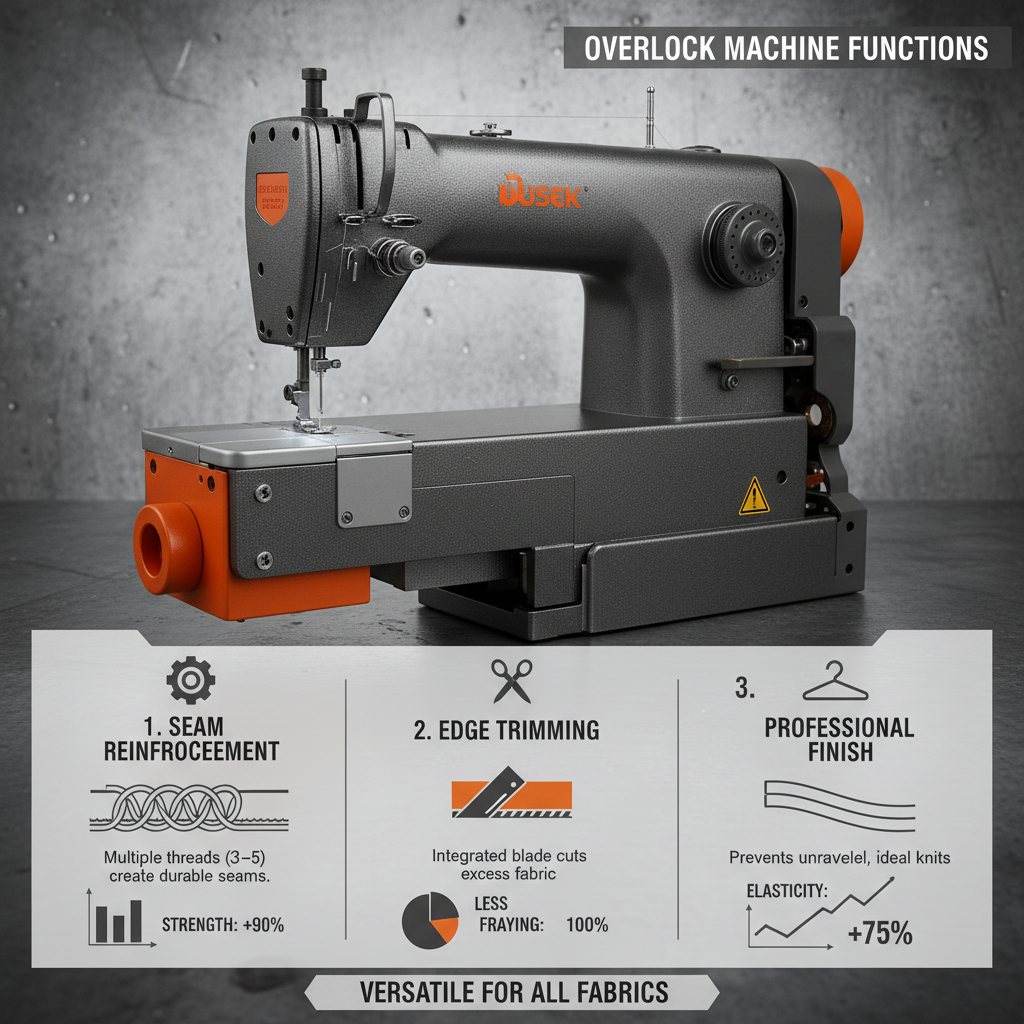
Choosing the Right Overlock Machine: Key Considerations
Selecting the right overlock machine depends on your needs and budget. Consider the number of threads the machine can handle (3-thread, 4-thread, or 5-thread), as this determines the types of stitches it can create. The machine’s speed and ease of use are also important factors. Longsew offers a range of machines, from entry-level models for beginners to industrial-grade machines for professional use. Before making a purchase, research different models, read reviews, and consider your specific sewing projects. Understanding your requirements will help you choose a machine that delivers optimal performance and longevity.
Conclusion: Elevate Your Sewing with an Overlock Machine
The overlock machine is a powerful tool that significantly enhances the quality and professionalism of your sewing projects. From preventing fabric fraying to creating a wide range of versatile stitches, it’s an invaluable addition to any sewing room. Investing in an overlock machine is an investment in the longevity and aesthetic appeal of your creations.
Frequently Asked Questions (FAQs)
What is the learning curve for using an overlock machine?
While overlock machines might seem intimidating at first, the learning curve is surprisingly manageable. Modern machines are designed with user-friendliness in mind. The key is to understand the threading process, which can be a bit complex initially. However, with practice and by following the machine's manual, you'll quickly become proficient. Many online resources and tutorials are also available to guide you. Longsew’s customer support team is also readily available to assist with any questions or challenges you may encounter during the learning process.
What type of maintenance does an overlock machine require?
Regular maintenance is crucial for keeping your overlock machine running smoothly. This includes cleaning the lint buildup after each use, oiling the machine according to the manufacturer’s instructions, and replacing needles and blades when they become dull. Proper maintenance will prevent jamming, ensure consistent stitch quality, and extend the machine’s lifespan. Always refer to your machine’s manual for specific maintenance recommendations.
Can an overlock machine be used for fabrics other than clothing?
Absolutely! While commonly used for clothing, overlock machines are incredibly versatile. They can be used for various projects, including creating blankets, quilting, crafting bags, and even sewing plush toys. The ability to neatly finish edges makes it ideal for projects where durability and a professional look are essential. The right needle and thread combination will allow you to tackle a wide range of fabric types, from delicate silks to heavy denim.
What’s the difference between a serger and an overlock machine?
The terms "serger" and "overlock machine" are often used interchangeably. However, in some regions, "serger" refers to overlock machines with more advanced capabilities, such as the ability to create decorative stitches or chain stitches. Essentially, all sergers are overlock machines, but not all overlock machines are sergers. The functionality, however, remains largely the same - to finish raw edges and create durable seams.
Latest news
-
Industrial Bag Sewing Machine Price and Comprehensive Buying GuideNewsApr.16,2026
-
Industrial Hand Held Bag Closer for Efficient Packaging SealingNewsApr.16,2026
-
Industrial Hand Held Bag Closer Sewing Machine for PackagingNewsApr.16,2026
-
Efficient Industrial Bag Closer Sewing Machine for PackagingNewsApr.16,2026
-
Industrial Sewing Guide for Choosing the Right Closer MachineNewsApr.16,2026
-
Guide to Capital Bag Closer Machine Price and Buying FactorsNewsApr.16,2026
-
Say goodbye to inefficient cutting! This heavy-duty webbing hot cutting machine redefines the new standard for industrial cuttingNewsApr.14,2026

Hebei LongSew Machinery Technology Co. Ltd is beginning as sewing machine parts supplier, now Longsew have over twenty years experience in complete set sewing machine offering.


CLASSIFICATION
CONTACT US
-

No.368 North Youyi Street, Shijiazhuang City, Hebei Province, China
-

-

Copyright © 2026 HEBEI LONGSEW MACHINERY TECHNOLOGY CO. LTD All Rights Reserved. Sitemap | Privacy Policy | Top Blog | Global Service