

Mar . 14, 2026 02:05
Back to list
What Does an Overlocker Do A Comprehensive Guide to Sergers
What Does an Overlocker Do? A Comprehensive Guide
An overlocker, also known as a serger, is a specialized sewing machine that simultaneously sews a seam, trims excess fabric, and overcasts the edge to prevent fraying. It's an essential tool for creating professional-looking finishes, especially in garment construction. Many find the overlocker intimidating at first, but understanding its function unlocks a world of possibilities for achieving high-quality results. Whether you're a seasoned seamstress or just beginning your sewing journey, a good understanding of Longsew overlock machines can significantly improve your sewing projects. Let’s dive into the specifics of what an overlocker does and how it differs from a traditional sewing machine.
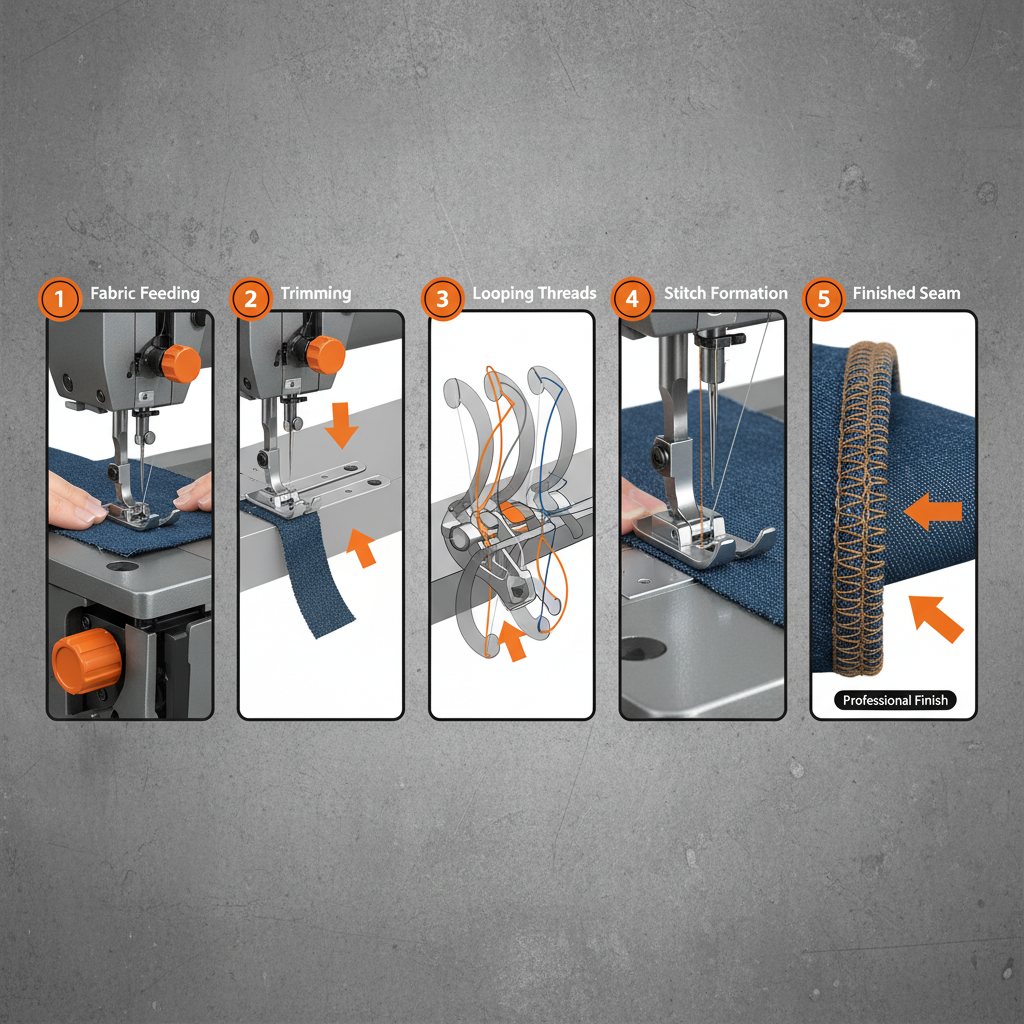
The Core Functions of an Overlocker
The primary function of an overlocker is to create a clean, durable, and professional finish on fabric edges. It accomplishes this through a series of coordinated actions: sewing, trimming, and overcasting. Unlike a regular sewing machine that creates a single line of stitching, an overlocker uses loopers and needles to create an overlock stitch. This stitch wraps around the edge of the fabric, encasing it and preventing unraveling. The built-in trimmer precisely cuts away excess fabric as the seam is created, eliminating the need for separate finishing steps. This makes the overlocker ideal for a variety of fabrics, including knits, wovens, and delicate materials.
What Can You Do with an Overlocker?
Beyond basic seam finishing, an overlocker is surprisingly versatile. You can use it for creating rolled hems, decorative edging, flatlocking (creating a seam that lies flat), and even gathering fabric. Different stitch settings and configurations allow you to tailor the overlock stitch to specific fabric types and project requirements. This flexibility makes it invaluable for creating everything from garments and home décor to quilts and accessories. An industrial overlocker can significantly speed up production in a garment factory setting.
Key Benefits: Provides a professional, durable finish, prevents fraying, and speeds up the sewing process. Creates a variety of stitch types for diverse applications.
Overlocker vs. Sewing Machine: A Direct Comparison
While a sewing machine and an overlocker can both sew seams, they excel in different areas. A sewing machine is the workhorse for joining fabric pieces, while an overlocker focuses on finishing edges. A sewing machine utilizes one or two needles and bobbin thread, creating a straight or zigzag stitch. An overlocker, on the other hand, uses loopers and needles to create an overlock stitch that encases the fabric edge, providing superior durability and preventing fraying. This difference makes the overlocker ideal for projects where a clean, professional finish is essential.
Choosing the Right Overlocker for Your Needs
Overlockers come in various models, ranging from basic machines suitable for home use to advanced industrial models designed for high-volume production. Consider factors like the types of fabrics you’ll be working with, the complexity of your projects, and your budget. Key features to look for include the number of threads (3, 4, or 5), adjustable stitch length and width, differential feed (for preventing stretching or puckering), and ease of threading. Longsew offers a wide range of overlock machines to suit every need and skill level.
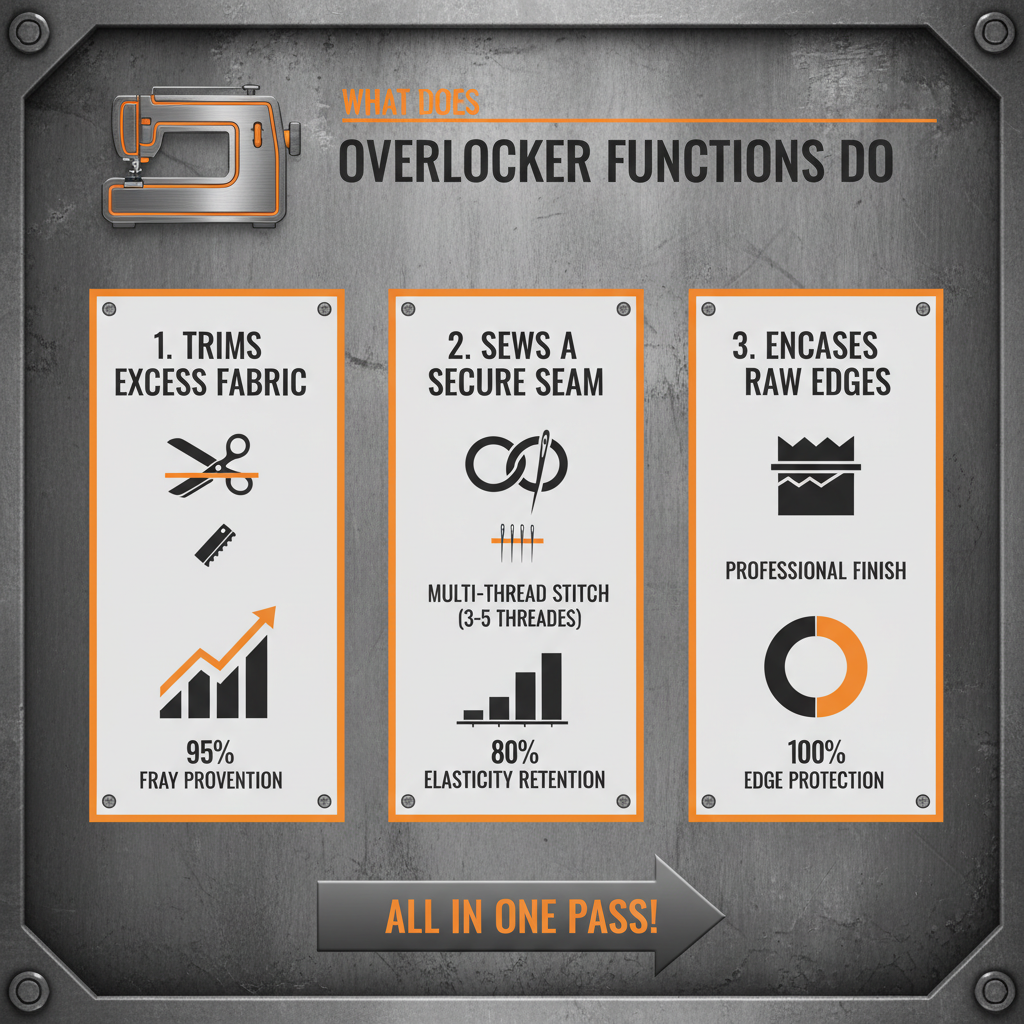
Maintaining Your Overlocker for Optimal Performance
Regular maintenance is essential for keeping your overlocker running smoothly. This includes cleaning lint from the loopers and blades, oiling moving parts, and changing needles. Refer to your machine's manual for specific maintenance instructions. Proper care will extend the life of your overlocker and ensure consistent, high-quality results. Ignoring maintenance can lead to skipped stitches, thread breakage, and ultimately, a malfunctioning machine.
Conclusion: Unlock Professional Results with an Overlocker
The overlocker is a powerful tool that can elevate your sewing projects to a professional level. Its ability to simultaneously sew, trim, and overcast provides a clean, durable, and efficient finish. Whether you're a beginner or an experienced sewer, investing in an overlocker is a worthwhile decision that will transform your creations. Don’t hesitate to explore the options at Longsew and discover the perfect overlocker for your needs.
Frequently Asked Questions (FAQs)
What is the difference between an overlocker and a coverstitch machine?
While both overlockers and coverstitch machines are used for finishing fabric edges, they create different types of stitches. An overlocker creates a wrapped overlock stitch, ideal for securing seams and preventing fraying. A coverstitch machine, on the other hand, creates parallel rows of stitches on the right side of the fabric, commonly used for hems and decorative finishes on knit fabrics, particularly activewear. The coverstitch stitch is more visible and provides more stretch than an overlock stitch.
Can I use an overlocker on all types of fabric?
Generally, yes, but some fabrics require specific settings or needles. Overlockers handle most woven and knit fabrics effectively. Delicate fabrics may require a narrower stitch width or a finer needle. Very thick fabrics might require an industrial overlocker with a more powerful motor. It’s always a good idea to test the stitch on a scrap of fabric before sewing your actual project to ensure the settings are appropriate.
How often should I change the needles in my overlocker?
Needle replacement frequency depends on usage, but a good rule of thumb is to change them every 4-8 hours of sewing time or after every large project. Dull needles can cause skipped stitches, fabric damage, and thread breakage. Always use the correct needle type and size for the fabric you're working with. A fresh needle will ensure smooth, clean stitches and prolong the life of your overlocker.
What is differential feed and why is it important?
Differential feed is a feature on many overlockers that allows you to adjust the speed at which the feed dogs move the fabric. This is incredibly useful for preventing stretching or puckering in knit fabrics. If a knit fabric is stretching as you sew, you can increase the differential feed. If the fabric is puckering, you can decrease it. This feature gives you precise control over fabric handling and ensures a smooth, professional finish.
Latest news
-
Industrial Bag Sewing Machine Price and Comprehensive Buying GuideNewsApr.16,2026
-
Industrial Hand Held Bag Closer for Efficient Packaging SealingNewsApr.16,2026
-
Industrial Hand Held Bag Closer Sewing Machine for PackagingNewsApr.16,2026
-
Efficient Industrial Bag Closer Sewing Machine for PackagingNewsApr.16,2026
-
Industrial Sewing Guide for Choosing the Right Closer MachineNewsApr.16,2026
-
Guide to Capital Bag Closer Machine Price and Buying FactorsNewsApr.16,2026
-
Say goodbye to inefficient cutting! This heavy-duty webbing hot cutting machine redefines the new standard for industrial cuttingNewsApr.14,2026

Hebei LongSew Machinery Technology Co. Ltd is beginning as sewing machine parts supplier, now Longsew have over twenty years experience in complete set sewing machine offering.


CLASSIFICATION
CONTACT US
-

No.368 North Youyi Street, Shijiazhuang City, Hebei Province, China
-

-

Copyright © 2026 HEBEI LONGSEW MACHINERY TECHNOLOGY CO. LTD All Rights Reserved. Sitemap | Privacy Policy | Top Blog | Global Service