

Mar . 14, 2026 02:05
Back to list
What Does an Overlock Sewing Machine Do A Comprehensive Guide
What Does an Overlock Sewing Machine Do?
An overlock sewing machine, also known as a serger, is a specialized machine used to finish the edges of fabric. Unlike a standard sewing machine that creates a straight stitch, an overlock machine wraps thread around the edge of the fabric, preventing unraveling and creating a professional, durable seam. It's an essential tool in garment construction, quilting, and any project where a clean, finished edge is desired. This article will explore the functions, benefits, and types of overlock machines available, and how they contribute to high-quality sewing projects. You can explore a wide range of overlock sewing machines at Longsew.
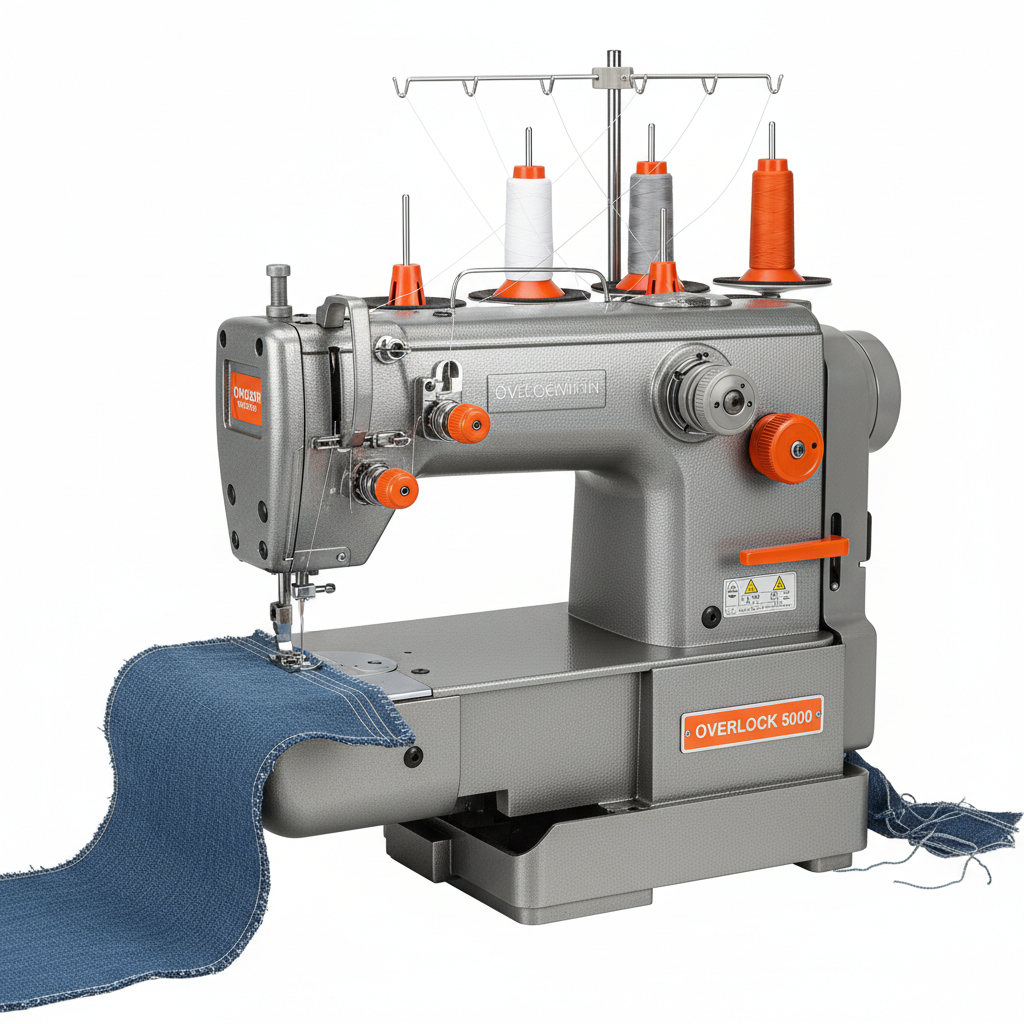
Understanding the Core Function: Securing Fabric Edges
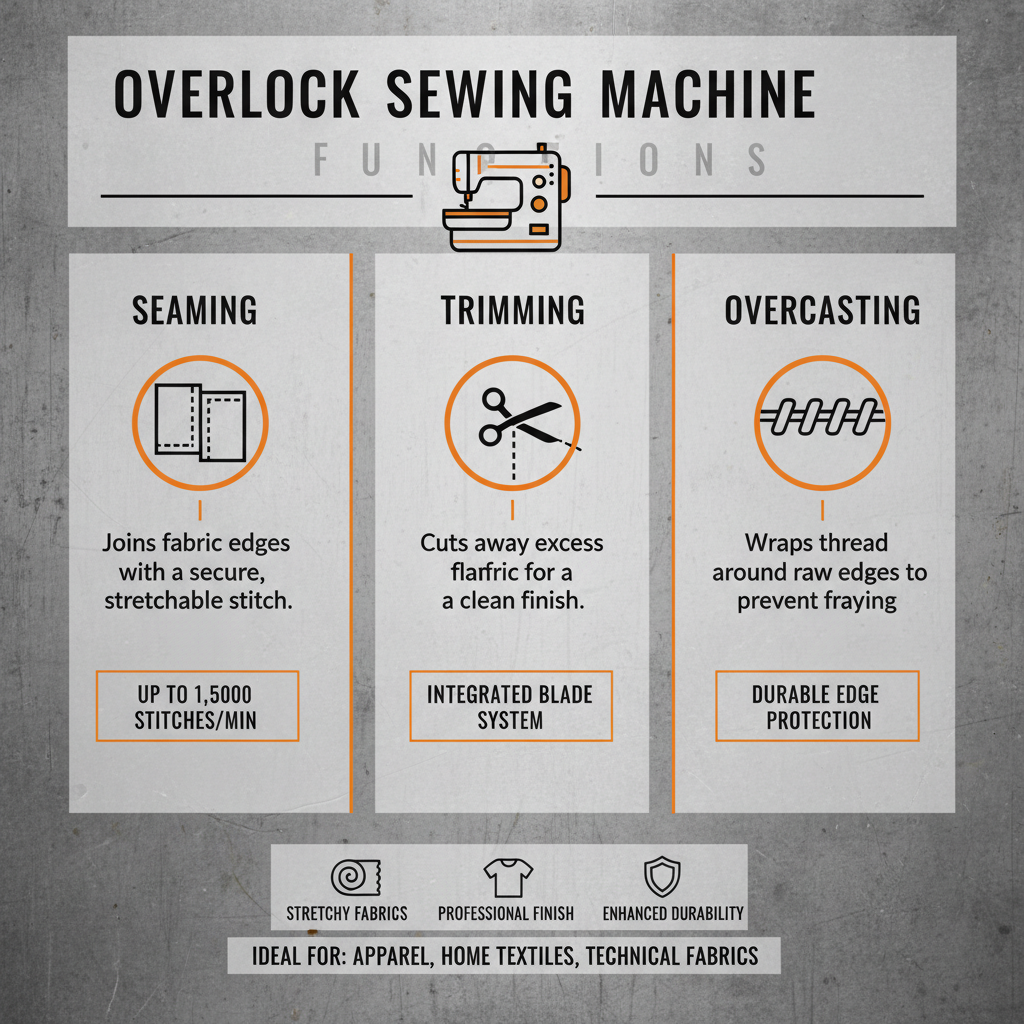
The primary purpose of an overlock machine is to encase the raw edge of fabric within threads, preventing fraying and creating a neat finish. This is achieved using loopers and needles that simultaneously create a stitch that interlocks with itself. This stitch is far more flexible and durable than a simple zig-zag stitch often used on standard machines for edge finishing. Overlock stitches are ideal for stretchy fabrics like knits, as they allow the fabric to maintain its elasticity without puckering. It’s the difference between a garment that looks professionally made and one that shows obvious signs of home sewing.
Key Benefit: Prevents unraveling, enhances fabric durability, and creates a professional-looking finish.
What Types of Overlock Stitches Can You Create?
Overlock machines aren't limited to just one type of stitch. Different configurations of loopers and needles allow for a variety of finishes. The most common stitch is the 4-thread overlock, which provides a secure and durable seam. Other options include the 3-thread overlock (narrower, often used for lightweight fabrics), the rolled hem (a delicate finish for lightweight fabrics like chiffon), and the flatlock (a decorative and functional stitch often used in activewear). Some advanced machines can even perform coverstitches, which create a professional hem.
Common Overlock Stitches:
• 4-Thread Overlock: Secure and durable
• 3-Thread Overlock: Lightweight fabrics
• Rolled Hem: Delicate finishes
• Flatlock: Decorative and functional
Overlock vs. Standard Sewing Machine: A Direct Comparison
While a standard sewing machine can be used to finish edges with a zig-zag stitch, it doesn't offer the same level of security or professional appearance as an overlock machine. An overlock machine simultaneously sews and trims the fabric, creating a clean and efficient finish. The interlocking stitch is also much more resistant to unraveling than a zig-zag stitch. For serious sewing projects, especially those involving knit fabrics, an overlock machine is a worthwhile investment.
Choosing the Right Overlock Machine: Key Considerations
When selecting an overlock machine, consider the types of projects you'll be working on. If you primarily sew lightweight fabrics, a 3 or 4-thread machine will suffice. For heavier fabrics or more complex projects, a 5-thread machine with differential feed control (which prevents stretching or puckering) is a better choice. Features like automatic thread tension and adjustable stitch length also contribute to ease of use and precision. Explore the selection at Longsew to find a machine that suits your specific needs.
Longsew Overlock Machines: Quality and Reliability
At Longsew, we pride ourselves on offering a wide range of high-quality overlock sewing machines designed for both home and industrial use. Our machines are built to last, delivering consistent performance and reliable results. From beginner-friendly models to advanced machines with a full suite of features, we have a solution for every sewing enthusiast. We are dedicated to providing excellent customer support and ensuring your complete satisfaction. Explore our catalog today and discover the difference a Longsew overlock machine can make!
Conclusion: Elevate Your Sewing with an Overlock Machine
An overlock sewing machine is a valuable addition to any sewing room, offering a professional finish and increased durability for your projects. Whether you’re a beginner or an experienced seamstress, an overlock machine will significantly enhance the quality of your work. Consider exploring the diverse options available at Longsew to find the perfect machine for your needs.
Frequently Asked Questions (FAQs)
What's the difference between an overlock and a coverstitch machine?
While both machines work with loops of thread, they create different stitches. An overlock machine serges the edge of the fabric, finishing it and preventing fraying. A coverstitch machine creates a row of parallel stitches on the right side of the fabric, often used for hems and decorative detailing. Coverstitch machines are ideal for creating professional-looking hems on knit fabrics, while overlock machines are better for general edge finishing and seam construction. They complement each other well in a sewing setup.
How often do I need to oil my overlock machine?
Regular oiling is crucial for maintaining the smooth operation of your overlock machine. The frequency depends on usage, but generally, oiling after every 8 hours of sewing is recommended. Refer to your machine's manual for specific oiling instructions and the recommended type of oil. Proper lubrication reduces friction, prevents wear and tear, and ensures optimal performance.
Can an overlock machine sew through multiple layers of fabric?
Yes, many overlock machines can handle multiple layers of fabric, making them ideal for quilting and assembling garments with thick seams. However, the number of layers will depend on the machine's capabilities and the fabric's thickness. It's important to test a small sample first to ensure the machine can handle the layers without straining the motor or causing skipped stitches. Utilizing a machine designed for heavier fabrics, like those offered at Longsew, can greatly improve your ability to work with thicker materials.
What are the benefits of differential feed on an overlock machine?
Differential feed is a crucial feature on many overlock machines. It allows you to adjust the speed at which the feed dogs move, preventing stretching or puckering of the fabric. For stretchy fabrics, you can set the differential feed to a higher setting to prevent stretching. For fabrics that tend to pucker, you can lower the setting. This feature ensures a smooth and professional finish, especially when working with knit fabrics.
Latest news
-
Industrial Bag Sewing Machine Price and Comprehensive Buying GuideNewsApr.16,2026
-
Industrial Hand Held Bag Closer for Efficient Packaging SealingNewsApr.16,2026
-
Industrial Hand Held Bag Closer Sewing Machine for PackagingNewsApr.16,2026
-
Efficient Industrial Bag Closer Sewing Machine for PackagingNewsApr.16,2026
-
Industrial Sewing Guide for Choosing the Right Closer MachineNewsApr.16,2026
-
Guide to Capital Bag Closer Machine Price and Buying FactorsNewsApr.16,2026
-
Say goodbye to inefficient cutting! This heavy-duty webbing hot cutting machine redefines the new standard for industrial cuttingNewsApr.14,2026

Hebei LongSew Machinery Technology Co. Ltd is beginning as sewing machine parts supplier, now Longsew have over twenty years experience in complete set sewing machine offering.


CLASSIFICATION
CONTACT US
-

No.368 North Youyi Street, Shijiazhuang City, Hebei Province, China
-

-

Copyright © 2026 HEBEI LONGSEW MACHINERY TECHNOLOGY CO. LTD All Rights Reserved. Sitemap | Privacy Policy | Top Blog | Global Service