

Mar . 31, 2026 01:55
Back to list
Understanding the Versatility and Applications of a Seaming Machine
Understanding the Versatility of a Seaming Machine
In the world of garment manufacturing, upholstery, and various industrial applications, the seaming machine stands as an indispensable tool. This specialized equipment is designed to join fabric edges seamlessly, creating robust and aesthetically pleasing results. Whether you’re starting a small tailoring business or operating a large-scale production facility, choosing the right seaming machine is crucial for efficiency and quality. This article will provide a comprehensive overview of seaming machines, their types, applications, and the factors to consider when making a purchase. Understanding the nuances of these machines will empower you to optimize your production processes and achieve superior outcomes.
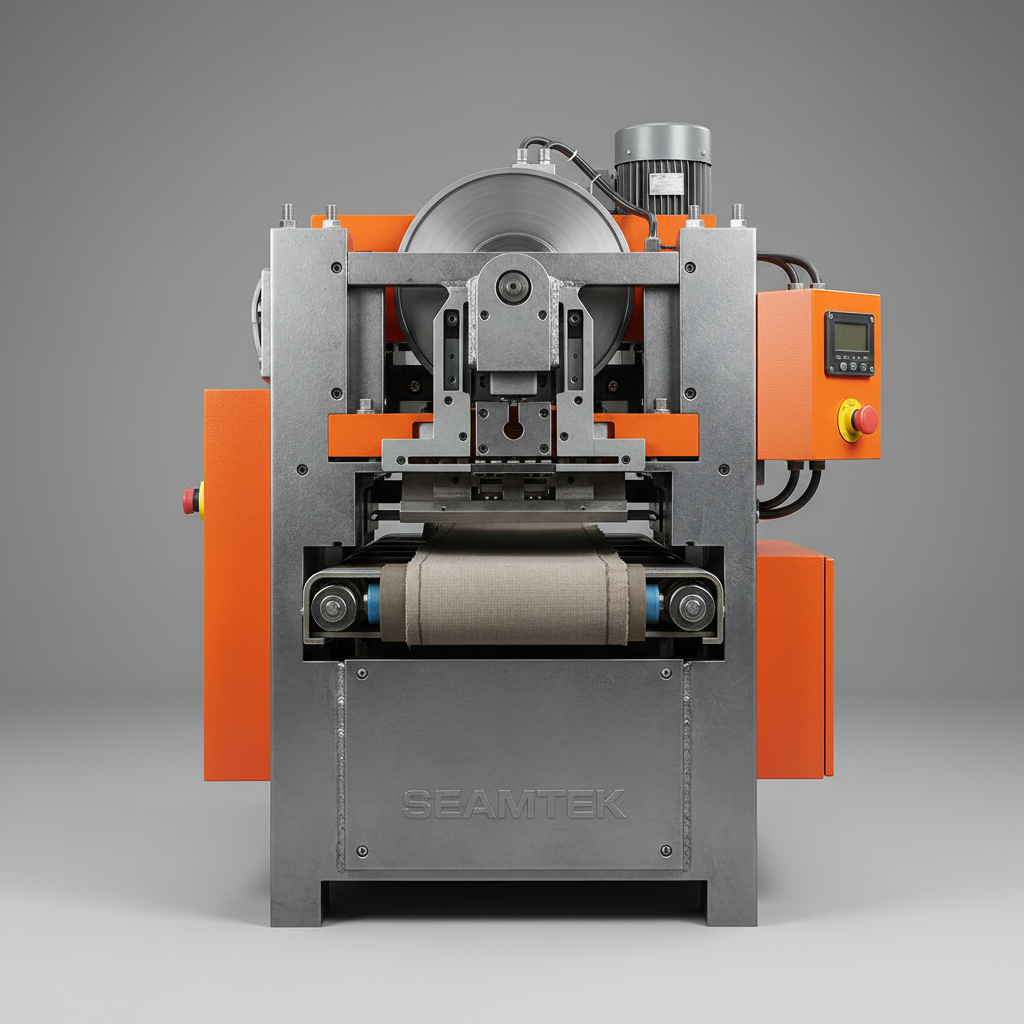
What is a Seaming Machine and Why is it Important?
A seaming machine is a type of industrial sewing machine specifically engineered to create strong, durable seams by overlapping and stitching two or more layers of fabric. Unlike a standard sewing machine, a seaming machine is often designed to handle heavier fabrics and more demanding workloads. Its robust construction and specialized features make it ideal for applications where seam strength and longevity are paramount. Efficient seaming is critical for producing high-quality garments, upholstery, and other textile products, ensuring that seams withstand wear and tear without unraveling. The consistent stitch quality also contributes to the overall aesthetic appeal of the finished product. Investing in a reliable seaming machine translates directly to improved product quality and increased customer satisfaction.
Key Benefits: Increased seam strength, enhanced durability, improved product quality, and increased production efficiency.
Types of Seaming Machines
Seaming machines come in various configurations, each suited to specific applications. Common types include chain stitch seaming machines, overlock seaming machines, and flatbed seaming machines. Chain stitch machines create a looped stitch that is strong and easily unravels, making them suitable for temporary seams or applications where easy disassembly is required. Overlock seaming machines, also known as sergers, encase the raw edges of the fabric in thread, preventing fraying and creating a clean, professional finish. Flatbed seaming machines are ideal for creating flat, even seams on a wide range of fabrics. The choice of machine depends on factors such as the type of fabric, the desired seam appearance, and the production volume. Longsew offers a comprehensive selection of seaming machines to meet diverse manufacturing needs.
Seaming Machine Types:
• Chain Stitch Seaming Machines
• Overlock Seaming Machines (Sergers)
• Flatbed Seaming Machines
Choosing the Right Seaming Machine: Key Considerations
Selecting the appropriate seaming machine requires careful consideration of several factors. The type of fabric you'll be working with is paramount; heavier fabrics require more powerful machines with stronger needles. The desired seam type – whether it's a simple joining seam or a more complex decorative seam – will also influence your choice. Production volume is another crucial factor. High-volume operations necessitate machines with higher speeds and greater durability. Budget constraints are also a practical consideration. While more advanced machines offer greater functionality, they also come with a higher price tag. Consider the long-term cost of ownership, including maintenance and repair expenses. Longsew's expert team can provide guidance to help you select the perfect seaming machine for your specific requirements.
Applications of Seaming Machines Across Industries
Seaming machines are versatile tools with applications spanning numerous industries. In the garment industry, they are essential for constructing jeans, jackets, shirts, and a wide array of other clothing items. Upholstery manufacturers rely on seaming machines to create durable and aesthetically pleasing seams in furniture, automotive interiors, and marine upholstery. The automotive industry utilizes seaming machines for producing seat covers, airbags, and other interior components. Furthermore, these machines find application in the production of leather goods, such as bags, belts, and wallets. The diverse capabilities of seaming machines make them an invaluable asset across a broad spectrum of manufacturing processes.
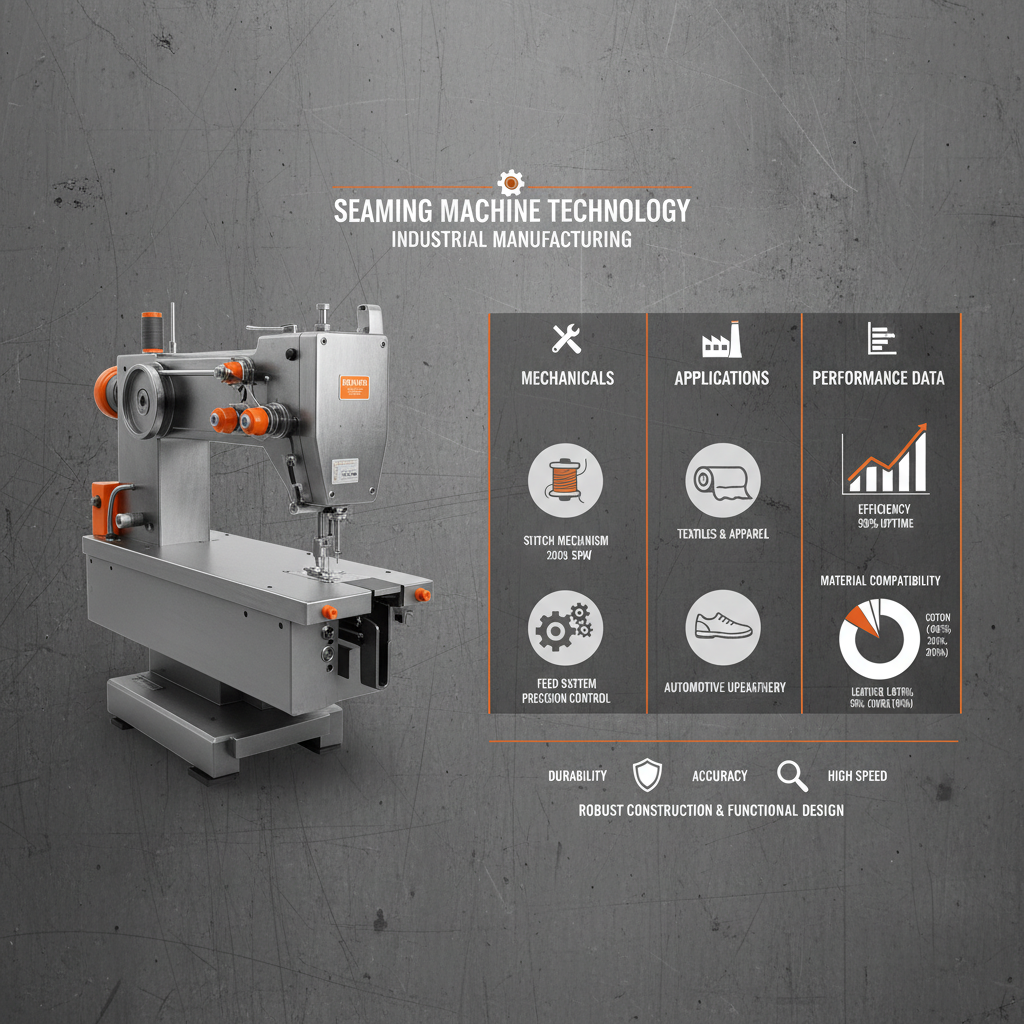
Longsew: Your Trusted Partner for Seaming Machine Solutions
At Longsew, we are committed to providing high-quality seaming machines and exceptional customer service. We offer a wide range of machines to suit diverse needs and budgets, backed by expert technical support and reliable after-sales service. Our experienced team can help you select the perfect machine for your application and provide training to ensure optimal performance. We pride ourselves on delivering durable, efficient, and cost-effective solutions that empower our customers to achieve their manufacturing goals. Explore our comprehensive catalog today and discover the Longsew difference!
Conclusion: Investing in Quality for Optimal Seaming Results
Choosing the right seaming machine is a critical investment for any manufacturing operation. By carefully considering your fabric type, seam requirements, and production volume, you can select a machine that delivers superior performance, durability, and efficiency. Longsew is your trusted partner for all your seaming machine needs, offering a comprehensive selection of high-quality machines and expert support.
Frequently Asked Questions (FAQs)
What type of needle should I use with my seaming machine?
The appropriate needle type depends on the fabric you're working with. For lightweight fabrics like silk or chiffon, a fine needle (size 60/8 or 70/10) is recommended. For medium-weight fabrics like cotton or linen, a size 80/12 or 90/14 needle is typically suitable. Heavier fabrics like denim or leather require a larger needle (size 100/16 or 110/18). Using the wrong needle size can result in skipped stitches, fabric damage, or needle breakage. Always consult the manufacturer's recommendations for your specific machine and fabric.
How often should I lubricate my seaming machine?
Regular lubrication is essential for maintaining the smooth operation and longevity of your seaming machine. The frequency of lubrication depends on usage, but generally, you should lubricate the machine after every 8-10 hours of operation, or at least once a week. Use a high-quality sewing machine oil specifically designed for industrial machines. Avoid using excessive oil, as this can attract dust and debris. Consult your machine’s manual for specific lubrication points.
What are the common causes of skipped stitches on a seaming machine?
Skipped stitches can be caused by several factors, including incorrect needle size or type, improper threading, incorrect tension settings, a dull or damaged needle, or incorrect timing. Start by checking the needle and threading, ensuring that everything is properly installed and adjusted. Adjust the tension settings according to the fabric type and thread weight. If the problem persists, inspect the needle for damage and replace it if necessary. If the machine's timing is off, it may require professional servicing.
Can a seaming machine be used for quilting?
While primarily designed for joining fabric, some seaming machines can be adapted for quilting, particularly flatbed seaming machines with walking feet. Walking feet help feed both the top and bottom layers of fabric evenly, preventing puckering and shifting. However, specialized quilting machines generally offer more features and precision for intricate quilting patterns. The suitability of a seaming machine for quilting depends on the complexity of the quilt and the desired finish.
Latest news
-
Industrial Bag Sewing Machine Price and Comprehensive Buying GuideNewsApr.16,2026
-
Industrial Hand Held Bag Closer for Efficient Packaging SealingNewsApr.16,2026
-
Industrial Hand Held Bag Closer Sewing Machine for PackagingNewsApr.16,2026
-
Efficient Industrial Bag Closer Sewing Machine for PackagingNewsApr.16,2026
-
Industrial Sewing Guide for Choosing the Right Closer MachineNewsApr.16,2026
-
Guide to Capital Bag Closer Machine Price and Buying FactorsNewsApr.16,2026
-
Say goodbye to inefficient cutting! This heavy-duty webbing hot cutting machine redefines the new standard for industrial cuttingNewsApr.14,2026

Hebei LongSew Machinery Technology Co. Ltd is beginning as sewing machine parts supplier, now Longsew have over twenty years experience in complete set sewing machine offering.


CLASSIFICATION
CONTACT US
-

No.368 North Youyi Street, Shijiazhuang City, Hebei Province, China
-

-

Copyright © 2026 HEBEI LONGSEW MACHINERY TECHNOLOGY CO. LTD All Rights Reserved. Sitemap | Privacy Policy | Top Blog | Global Service