

Apr . 16, 2026 01:55
Back to list
Industrial Hand Held Bag Closer for Efficient Packaging Sealing
Mastering Efficiency with a Hand Held Bag Closer
In the fast-paced world of industrial packaging, the final seal is the most critical step to ensure product integrity and customer satisfaction. A high-quality hand held bag closer provides the perfect balance of mobility and strength, allowing operators to seal heavy-duty bags with precision and speed. Whether you are dealing with agricultural grains, chemical powders, or animal feed, the right closing equipment reduces waste and prevents contamination. In this guide, we will explore how these portable machines streamline the packaging process and which specifications you should prioritize for your business operations.
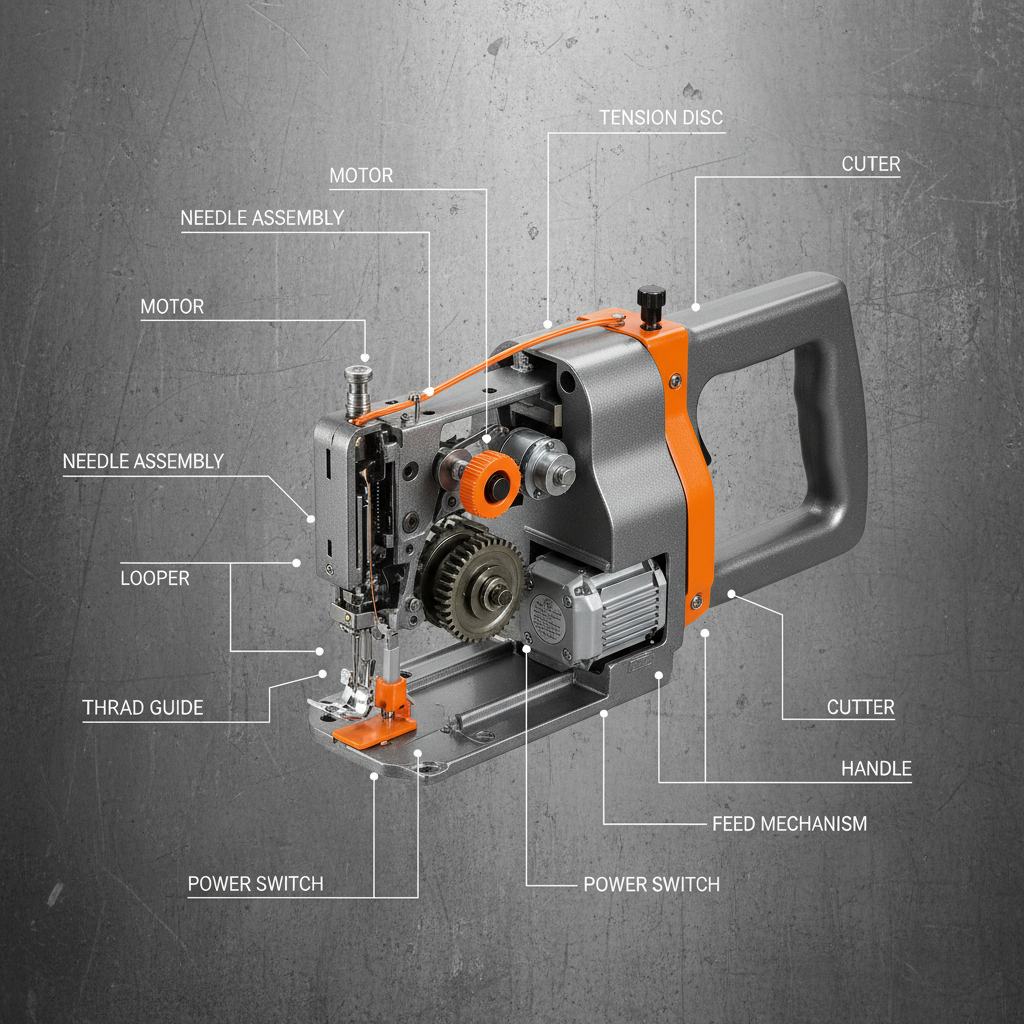
The Core Mechanics of a Hand Held Bag Closer
At its heart, a hand held bag closer is a portable sewing machine specifically engineered for the end-of-line packaging process. Unlike stationary machines, these devices are designed to be carried by the operator, making them ideal for large bags that are too heavy to move onto a conveyor. They typically utilize a single-thread chain stitch, which provides a secure closure that is easy to break open for the end consumer but strong enough to withstand the rigors of shipping and handling. The ergonomic design ensures that workers can maintain high productivity levels without excessive physical strain.
Pro Tip: Regular lubrication of the moving parts is essential to maintain the sewing speed and extend the overall lifespan of your portable closing machine.
Key Advantages of Using Portable Bag Closing Solutions
Transitioning to a professional hand held bag closer offers several operational advantages over manual tying or heat sealing. First, it significantly increases the sealing speed, allowing a single operator to process hundreds of bags per hour. Second, the uniformity of the stitch ensures a professional appearance, which is vital for brand image in B2B trade. Furthermore, the versatility of these machines allows them to work with various materials, including woven polypropylene, burlap, and heavy paper, making them a multipurpose asset in any warehouse environment.
Efficiency Gains:
• Reduced Labor Costs: Faster sealing means fewer man-hours per batch.
• Enhanced Security: Chain stitches prevent accidental opening during transit.
• Material Flexibility: Adapts to multiple bag fabric types easily.
• Zero Downtime: Portable nature allows sealing exactly where the bag is filled.
Comparing Hand Held Bag Closer Models
Not all bag closers are created equal. Depending on your volume and material thickness, you may need a lightweight model for light-duty tasks or a heavy-duty industrial version for reinforced sacks. When choosing a hand held bag closer, it is important to look at the motor power, sewing speed, and the weight of the unit. A heavier machine often indicates a more robust internal gear system, which is necessary for thick fabrics, whereas a lightweight model reduces operator fatigue during long shifts.
Industry Applications for Hand Held Bag Closers
The application of a hand held bag closer spans across multiple sectors. In the agricultural sector, these machines are indispensable for sealing seed bags and fertilizer sacks. The chemical industry relies on them to ensure that hazardous powders are completely sealed to prevent leaks. In the food industry, they are used for bulk flour or sugar packaging where hygiene and strength are paramount. Because they are portable, they can be used in warehouses, on loading docks, or even in the field, providing an unmatched level of operational flexibility.
Technical Specifications of a Professional Hand Held Bag Closer
To ensure you are investing in the right equipment, it is essential to analyze the technical data. A professional-grade hand held bag closer should feature a high-torque motor and a durable needle assembly. The power supply should be stable to avoid stitch skipping, and the machine should come with a comprehensive kit including spare needles and lubricants. Below are the typical specifications for an industry-standard portable closer:
Conclusion: Optimizing Your Packaging Workflow
Investing in a high-quality hand held bag closer is one of the simplest yet most effective ways to improve industrial packaging efficiency. By reducing the time spent on manual closing and increasing the security of the seal, businesses can lower their operational costs and enhance their professional image. Whether you need a light-duty tool or an industrial powerhouse, choosing a machine with the right specifications ensures long-term reliability. Upgrade your packaging line today to experience the difference in speed and quality.
Frequently Asked Questions (FAQs)
How often should I change the needle in my hand held bag closer?
The frequency of needle replacement depends heavily on the material you are sewing. For abrasive materials like woven polypropylene or burlap, needles can wear down faster. Generally, it is recommended to inspect the needle daily for blunting or bending. If you notice skipped stitches or if the machine is struggling to penetrate the fabric, it is time for a change. Keeping a stock of spare needles from a trusted supplier like Longsew ensures that your production line never stops due to a minor part failure.
Can a hand held bag closer be used for very thick fabrics?
Yes, but it depends on the model. Heavy-duty industrial versions are specifically designed with more powerful motors and reinforced gears to handle thick canvases, multi-layered plastics, and heavy burlap. If you attempt to use a light-duty model on extremely thick fabrics, you risk overheating the motor or breaking the needle. We recommend checking the "Recommended Material" section of the product specifications to ensure the machine is matched to your fabric thickness for optimal performance.
What is the best way to maintain a portable bag closing machine?
Maintenance for a hand held bag closer is straightforward but critical. First, clean the machine after every shift to remove dust, lint, and fabric fibers that can clog the mechanism. Second, apply high-quality sewing machine oil to the oil holes regularly to reduce friction. Third, ensure the thread tension is correctly adjusted to prevent loose stitches. Finally, store the machine in a dry environment to prevent rust on the metal components, ensuring it remains ready for the next production cycle.
Latest news
-
Industrial Bag Sewing Machine Price and Comprehensive Buying GuideNewsApr.16,2026
-
Efficient Industrial Bag Closer Sewing Machine for PackagingNewsApr.16,2026
-
Industrial Hand Held Bag Closer Sewing Machine for PackagingNewsApr.16,2026
-
Industrial Sewing Guide for Choosing the Right Closer MachineNewsApr.16,2026
-
Guide to Capital Bag Closer Machine Price and Buying FactorsNewsApr.16,2026
-
Say goodbye to inefficient cutting! This heavy-duty webbing hot cutting machine redefines the new standard for industrial cuttingNewsApr.14,2026
-
LS300 Series Automatic Pattern Sewing Machine High-Efficiency Model for Safety Harness, Lifting Slings & Heavy-Duty WebbingNewsApr.10,2026

Hebei LongSew Machinery Technology Co. Ltd is beginning as sewing machine parts supplier, now Longsew have over twenty years experience in complete set sewing machine offering.


CLASSIFICATION
CONTACT US
-

No.368 North Youyi Street, Shijiazhuang City, Hebei Province, China
-

-

Copyright © 2026 HEBEI LONGSEW MACHINERY TECHNOLOGY CO. LTD All Rights Reserved. Sitemap | Privacy Policy | Top Blog | Global Service