

Apr . 09, 2026 02:05
Back to list
Industrial Bag Stitching Machine with Conveyor for Packaging
Maximizing Packaging Efficiency with a Bag Stitching Machine with Conveyor
In the fast-paced world of industrial packaging, speed and consistency are the cornerstones of profitability. A bag stitching machine with conveyor is an indispensable asset for businesses dealing with bulk materials, from grains and chemicals to animal feed and construction aggregates. By automating the movement of bags and the sealing process, these machines eliminate the bottlenecks associated with manual stitching. This guide will explore how integrating a conveyor system with a heavy-duty stitching head can transform your production line, reduce labor costs, and ensure a professional, leak-proof seal every time.
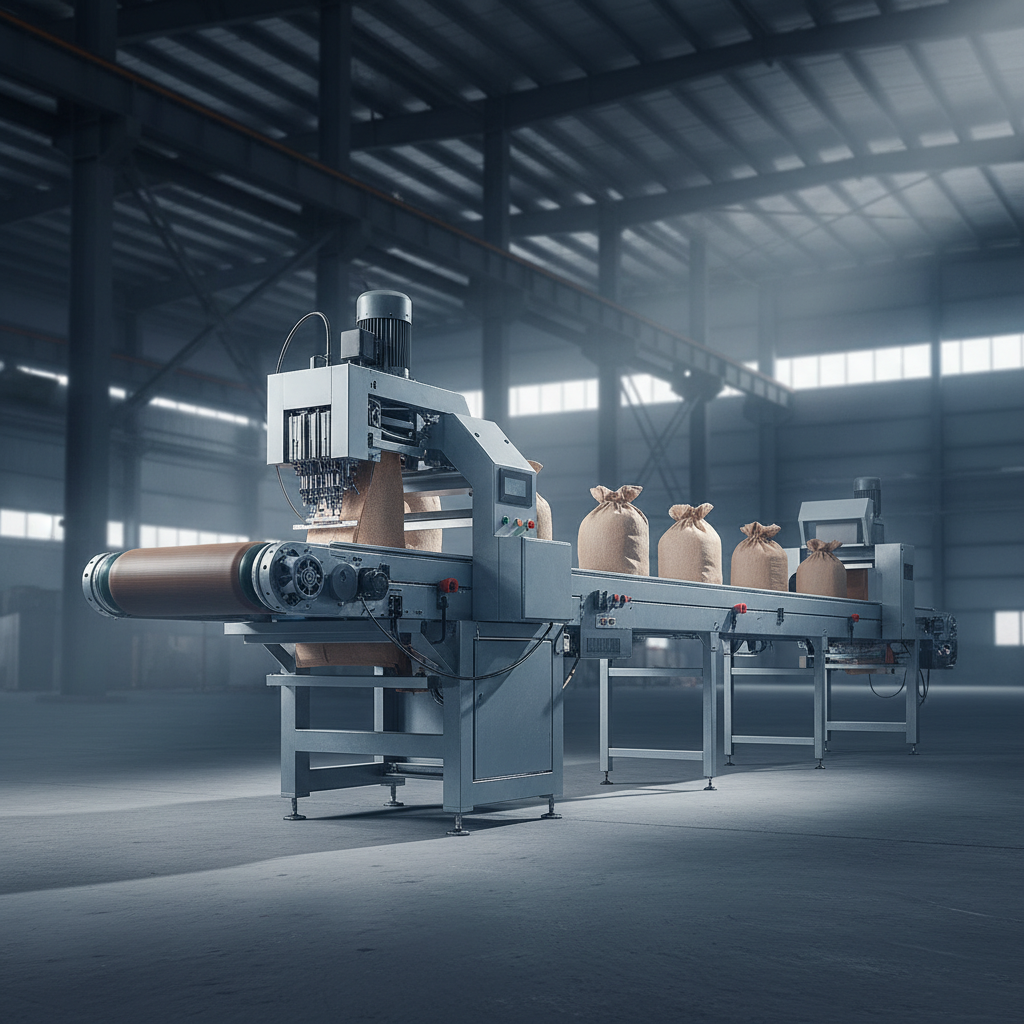
The Core Mechanics of a Bag Stitching Machine with Conveyor
The synergy between a conveyor belt and a stitching head allows for a continuous flow of materials. As bags are filled, they are placed on the conveyor, which transports them precisely under the sewing head. The bag stitching machine with conveyor typically utilizes a chain-stitch mechanism, which is preferred for its strength and ease of removal. Most modern systems include an automatic thread cutter and a folding device that neatly creases the top of the bag before stitching, ensuring a clean and commercial-grade finish that protects the contents from contamination and leakage.
Industrial Advantage: Automated conveyor systems reduce the physical strain on operators and virtually eliminate human error in stitch placement, leading to a 30-50% increase in hourly throughput compared to handheld sewing machines.
Key Benefits of Automated Stitching Systems
Switching to an automated bag stitching machine with conveyor offers more than just speed; it offers scalability. For companies scaling their operations, the ability to handle heavier bags (up to 50kg or more) without increasing staff is vital. Furthermore, these machines provide consistent tension control, which prevents the thread from snapping or the bag from puckering. This consistency is critical for brands that prioritize packaging aesthetics and product integrity during long-distance shipping and handling.
Why Automation Matters:
• Enhanced Productivity: Continuous operation minimizes downtime between bags.
• Labor Cost Reduction: One operator can manage multiple filling and stitching lines.
• Improved Safety: Reduces repetitive motion injuries associated with manual sewing.
• Uniform Quality: Every bag is sealed with the same stitch density and strength.
Comparing Conveyor-Based Stitching vs. Manual Sewing
When evaluating your packaging line, it is essential to understand the gap in performance between manual methods and a professional bag stitching machine with conveyor. Manual sewing is suitable for low-volume, artisanal production, but it fails in industrial environments where throughput is measured in thousands of units per day. The automated system ensures that the bag is perfectly aligned, which is nearly impossible to achieve manually at high speeds, thereby reducing material waste due to sewing errors.
Industry Applications for the Bag Stitching Machine with Conveyor
The versatility of the bag stitching machine with conveyor makes it a staple across multiple sectors. In the agriculture industry, it is used for seeding and fertilizer bags where dust resistance is key. In the chemical sector, these machines ensure that hazardous powders are sealed airtight to prevent environmental contamination. Even in the food industry, high-speed stitching of flour or rice bags ensures the product reaches the consumer in pristine condition. The ability to adjust conveyor speeds allows plants to sync the stitching process with their specific filling machine output.
Technical Specifications of High-Performance Stitching Systems
Choosing the right equipment requires a look at the technical data. A professional bag stitching machine with conveyor is engineered for durability, often featuring reinforced steel frames and high-torque motors to handle continuous 24/7 operation. Key specifications include the stitching speed (measured in stitches per minute) and the conveyor belt width, which determines the maximum bag size the machine can accommodate. Below are the typical specifications for an industrial-grade unit:
Maintenance Tips for Long-Term Reliability
To ensure your bag stitching machine with conveyor operates at peak efficiency, a proactive maintenance schedule is essential. Dust accumulation is the primary enemy of industrial sewing machines; daily cleaning of the stitching head using compressed air prevents thread jams and needle breakage. Regular lubrication of the moving parts and checking the conveyor belt tension prevent premature wear and tear. By investing a small amount of time in daily upkeep, companies can avoid costly unplanned downtime during peak production seasons.
Conclusion: Optimizing Your Line with Longsew Solutions
Integrating a bag stitching machine with conveyor is a strategic move for any business looking to enhance its packaging throughput and quality. From the reduction of manual labor to the guarantee of a professional seal, the benefits are immediate and measurable. By selecting a machine that fits your specific bag material and production volume, you secure a competitive edge in the market. Trust in high-quality engineering to ensure your products are sealed securely and delivered efficiently.
Frequently Asked Questions (FAQs)
Can a bag stitching machine with conveyor handle different bag materials?
Yes, most industrial bag stitching machines with conveyors are designed to be versatile. They can typically handle woven polypropylene (PP), burlap, jute, and heavy-duty paper bags. The key is adjusting the needle size and thread type to match the material's density. For example, thicker burlap requires a more robust needle and heavier thread to ensure the seal remains intact under the weight of the product. Most machines allow for quick needle changes to accommodate these variations.
How do I synchronize the conveyor speed with my filling machine?
Synchronization is usually achieved through a variable frequency drive (VFD) installed on the conveyor motor. This allows the operator to increase or decrease the speed of the bag stitching machine with conveyor to match the output of the filler. In fully automated lines, a PLC (Programmable Logic Controller) can be used to communicate between the filler and the stitcher, triggering the conveyor to move only when a bag is ready, ensuring a seamless and perfectly timed production flow.
What are the most common causes of thread breakage in automated stitchers?
Thread breakage is typically caused by three factors: incorrect tension settings, poor thread quality, or the accumulation of debris in the stitching head. If the tension is too tight, the thread will snap under the pressure of the movement; if it is too loose, the stitch will not hold. Using low-grade thread that cannot withstand industrial speeds also leads to frequent breaks. Regular cleaning of the bobbin area and using high-tensile industrial polyester thread are the best ways to prevent these interruptions and maintain a steady workflow.
Is it difficult to install a conveyor-based stitching system into an existing line?
Integrating a bag stitching machine with conveyor is generally straightforward. Most units are modular and can be positioned at the end of your existing filling station. The primary requirements are a stable power source and enough floor space for the conveyor length. Many manufacturers offer customizable conveyor lengths to fit your specific facility layout. Professional installation usually involves aligning the conveyor height with the filling spout to ensure bags slide smoothly onto the belt without spilling content.
Latest news
-
Industrial Bag Sewing Machine Price and Comprehensive Buying GuideNewsApr.16,2026
-
Industrial Hand Held Bag Closer for Efficient Packaging SealingNewsApr.16,2026
-
Industrial Hand Held Bag Closer Sewing Machine for PackagingNewsApr.16,2026
-
Efficient Industrial Bag Closer Sewing Machine for PackagingNewsApr.16,2026
-
Industrial Sewing Guide for Choosing the Right Closer MachineNewsApr.16,2026
-
Guide to Capital Bag Closer Machine Price and Buying FactorsNewsApr.16,2026
-
Say goodbye to inefficient cutting! This heavy-duty webbing hot cutting machine redefines the new standard for industrial cuttingNewsApr.14,2026

Hebei LongSew Machinery Technology Co. Ltd is beginning as sewing machine parts supplier, now Longsew have over twenty years experience in complete set sewing machine offering.


CLASSIFICATION
CONTACT US
-

No.368 North Youyi Street, Shijiazhuang City, Hebei Province, China
-

-

Copyright © 2026 HEBEI LONGSEW MACHINERY TECHNOLOGY CO. LTD All Rights Reserved. Sitemap | Privacy Policy | Top Blog | Global Service