

Apr . 09, 2026 02:05
Back to list
Industrial Bag Closer Stitching Machine for Packaging Efficiency
Mastering Industrial Packaging with the Bag Closer Stitching Machine
In the fast-paced world of industrial packaging, efficiency and seal integrity are the cornerstones of a successful supply chain. The bag closer stitching machine serves as a critical tool for businesses dealing with bulk materials, ensuring that every sack is securely closed to prevent leakage and contamination. Whether you are packaging grains, chemicals, or animal feed, selecting the right stitching equipment can dramatically increase your hourly output while reducing manual labor costs. In this comprehensive guide, we will explore the technical nuances, selection criteria, and operational benefits of integrating a professional stitching system into your production line.
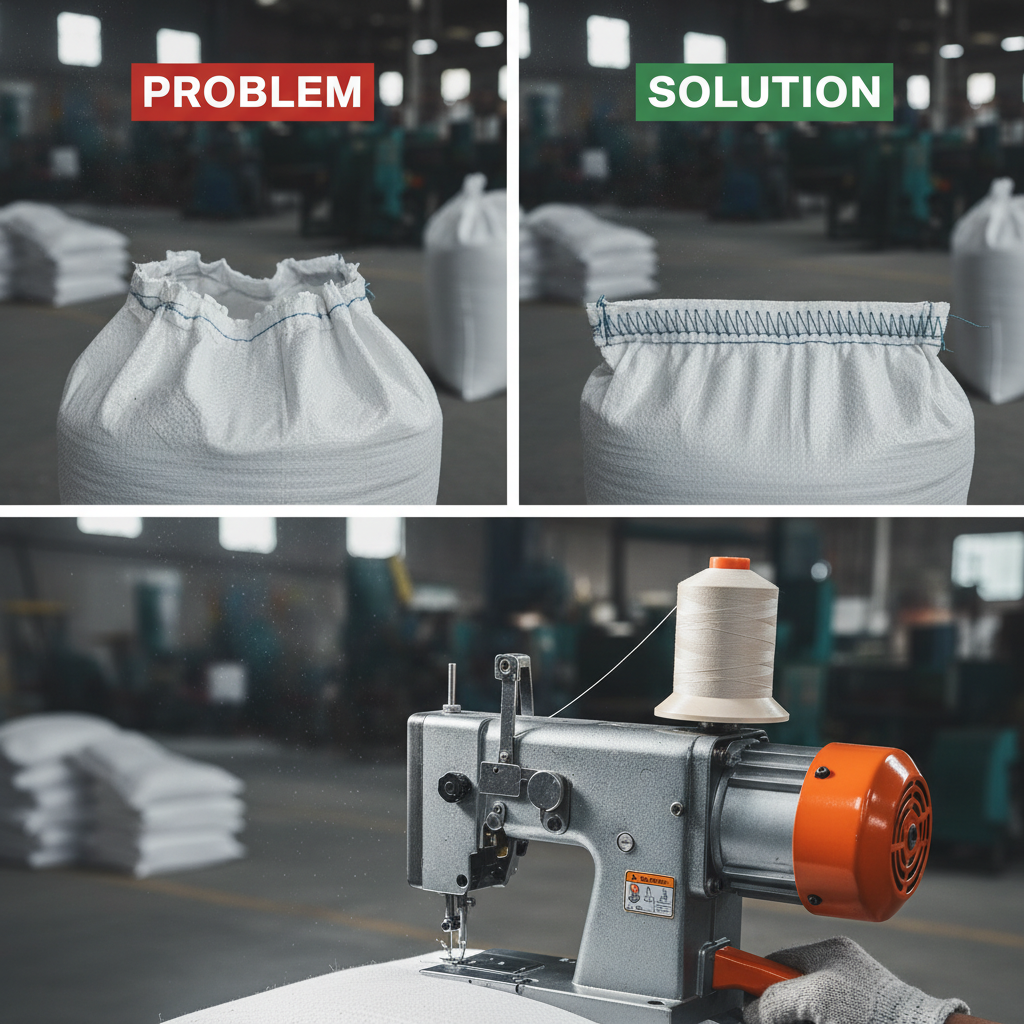
How a Bag Closer Stitching Machine Enhances Efficiency
A professional bag closer stitching machine eliminates the bottlenecks associated with manual tying or heat sealing. By utilizing a high-speed chain stitch, these machines provide a flexible yet incredibly strong closure that can withstand the rigors of transport and stacking. The primary advantage lies in the consistency of the seal; unlike manual methods, a stitching machine applies uniform tension across the entire width of the bag. This not only protects the contents from environmental factors but also presents a professional, clean finish to the end consumer, reflecting the quality of the brand.
Operational Tip: To maintain peak efficiency, always ensure the lubrication points of your stitching head are serviced weekly to prevent friction-induced wear and tear.
Types of Bag Closer Stitching Machine Configurations
Depending on your facility's scale, you may require different configurations of the bag closer stitching machine. Portable models are ideal for low-volume operations or bags that are too heavy to move easily. On the other hand, stationary conveyor-mounted systems are the gold standard for high-throughput factories. These automated systems integrate the stitching process directly into the filling line, allowing for a seamless transition from weighing to sealing. Choosing between a portable and a stationary unit depends largely on your hourly bag count and the physical weight of your products.
Comparing Manual vs. Automated Bag Closers
When deciding on an investment, it is essential to compare the ROI of manual versus automated systems. While a manual bag closer stitching machine has a lower upfront cost, the labor expenses over time can be significant. Automated systems offer higher speeds, reduced human error, and a safer working environment by minimizing repetitive strain injuries. For enterprises looking to scale, the transition to automation is usually the most cost-effective path to increasing capacity without proportional increases in headcount.
Essential Maintenance for Your Stitching Machine
To ensure the longevity of your bag closer stitching machine, a proactive maintenance schedule is non-negotiable. Dust and debris from packaging materials can easily clog the needle bar and looper, leading to skipped stitches or thread breakage. Daily cleaning using compressed air is recommended to remove particulate matter. Additionally, checking the tension disks ensures that the thread does not snap under pressure, which could halt production. By investing a few minutes a day in basic upkeep, companies can avoid costly downtime and expensive emergency repairs.
Maintenance Checklist:
• Lubricate all moving parts every 40 hours of operation
• Inspect and replace worn needles immediately
• Clean dust from the motor and cooling fans
• Verify thread tension settings for different fabric weights
Technical Specifications of Industrial Bag Closers
When browsing for a bag closer stitching machine, understanding the technical specifications is key to matching the machine to your specific application. Key metrics include the stitching speed (measured in stitches per minute), the maximum bag thickness it can penetrate, and the power requirements. Most industrial machines utilize a single-thread chain stitch, which is favored for its strength and ease of removal by the end-user. Below is a typical specification table for a standard industrial-grade unit.
Conclusion: Optimizing Your Packaging Line
Integrating a high-quality bag closer stitching machine is more than just a purchase; it is a strategic upgrade to your operational workflow. By balancing the need for speed, durability, and ease of maintenance, businesses can significantly reduce product loss and improve throughput. Whether you opt for a portable unit for flexibility or a fully automated line for scale, the goal remains the same: a secure, professional seal that protects your product and your reputation. Invest in the right machinery today to secure your growth tomorrow.
Frequently Asked Questions (FAQs)
Which thread is best for a bag closer stitching machine?
The choice of thread depends entirely on the material of the bag and the weight of the contents. For heavy-duty polypropylene or burlap bags, a high-tenacity polyester thread is recommended due to its superior strength and resistance to abrasion. For lighter paper bags, a thinner, more flexible thread is used to prevent tearing the material. It is crucial to use threads specifically designed for industrial stitching machines to avoid frequent breakages and ensure the integrity of the seal. Always match the thread gauge to the needle size for optimal performance.
How do I fix skipped stitches in my stitching machine?
Skipped stitches are typically caused by three main issues: a dull or bent needle, incorrect thread tension, or a buildup of debris in the looper. First, replace the needle, as even a microscopic bend can cause the hook to miss the thread. Second, check that the thread is correctly seated in the tension disks and that the tension is not too tight. Finally, use compressed air to clear any lint or dust from the stitching head. If these steps do not resolve the issue, the timing between the needle and the looper may need professional adjustment by a technician from Longsew.
Can a bag closer stitching machine be used on different materials?
Yes, these machines are highly versatile. They are commonly used on woven polypropylene (PP), jute, burlap, and heavy-duty paper. The key to switching between materials is adjusting the stitch length and the thread tension. For instance, woven plastics require a different tension setting than organic jute to ensure the stitch doesn't pull through the fabric. Most industrial models allow for easy adjustment of these settings, making them suitable for facilities that handle multiple types of packaging materials throughout the day.
What is the difference between a chain stitch and a lock stitch?
A bag closer stitching machine typically uses a chain stitch, which uses a single thread to create a loop-like pattern. The advantage of a chain stitch in packaging is that it is much faster to execute and can be easily "unzipped" by the customer by pulling the end thread. A lock stitch, used in garment sewing, uses two threads (needle and bobbin) to create a permanent, non-unraveling bond. For bulk packaging, the speed and convenience of the chain stitch make it the industry standard.
Latest news
-
Industrial Bag Sewing Machine Price and Comprehensive Buying GuideNewsApr.16,2026
-
Industrial Hand Held Bag Closer for Efficient Packaging SealingNewsApr.16,2026
-
Industrial Hand Held Bag Closer Sewing Machine for PackagingNewsApr.16,2026
-
Efficient Industrial Bag Closer Sewing Machine for PackagingNewsApr.16,2026
-
Industrial Sewing Guide for Choosing the Right Closer MachineNewsApr.16,2026
-
Guide to Capital Bag Closer Machine Price and Buying FactorsNewsApr.16,2026
-
Say goodbye to inefficient cutting! This heavy-duty webbing hot cutting machine redefines the new standard for industrial cuttingNewsApr.14,2026

Hebei LongSew Machinery Technology Co. Ltd is beginning as sewing machine parts supplier, now Longsew have over twenty years experience in complete set sewing machine offering.


CLASSIFICATION
CONTACT US
-

No.368 North Youyi Street, Shijiazhuang City, Hebei Province, China
-

-

Copyright © 2026 HEBEI LONGSEW MACHINERY TECHNOLOGY CO. LTD All Rights Reserved. Sitemap | Privacy Policy | Top Blog | Global Service